 Ver en contexto
 Enviar
 Compartir
 Detalles

 Descargar
 Similares
 Radiografía
 Presentación de diapositivas
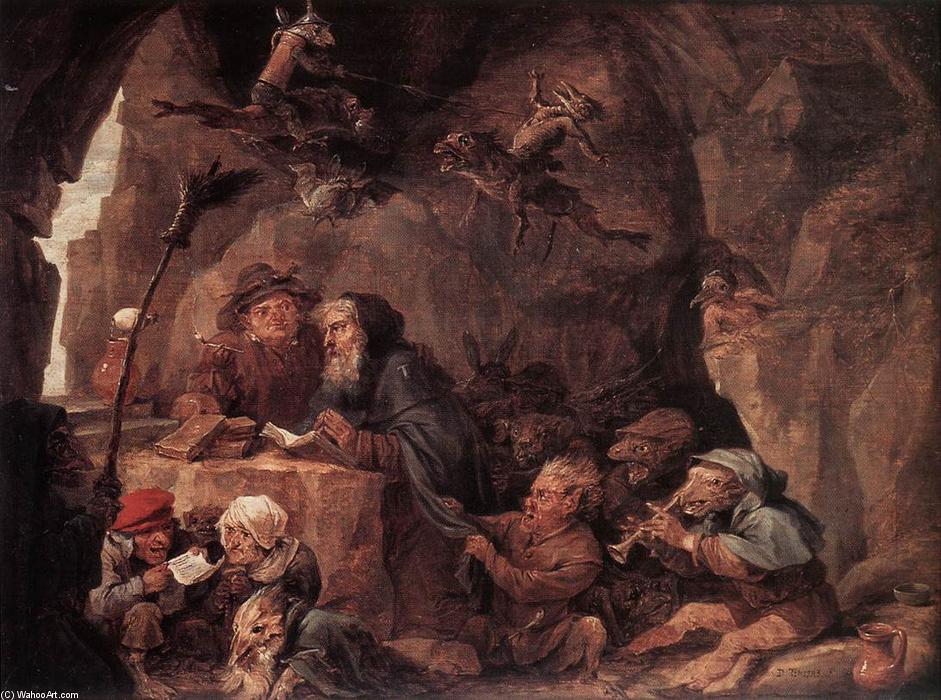
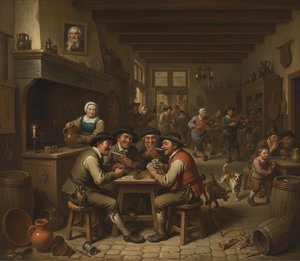
Temptation of St Anthony
 Oil On Canvas
- WallArt
- Baroque
 26.0 x 36.0 cm
 Museo Mayer van den Bergh
 Ver más
Reproducción al óleo hecha a mano
Óleo sobre lienzo pintado a mano en el tamaño y marco de su elección, realizado por encargo por nuestros artistas. ( Comprar impresión Comprar imagen)




P118B $10

P118H $10

P118W $10

P438Z $10

P508JH $12

P508YH $12

P805H $10

P805Z $10

P919BZ $10

P919G $10

P919XJ $10

P959ZH $10

P968JZ $12

W106C $8

W218G $10

W218JH $8

W218Y $10

W307PJ $10

W316G $10

W316PJ $8

W316Y $10

W398PJ $8

W4111J $10

W500HY $15

W500JH $15

W692G $12

W849H $8

W940BG $15

W953PJ $8




Elija entre nuestros tamaños predefinidos que respetan las proporciones originales de la obra.

Puede ingresar sus propias dimensiones para adaptarse a un marco o espacio específico. Si el tamaño seleccionado no coincide con las proporciones de la imagen original, recortaremos la obra o extenderemos la pintura con elementos adicionales pintados a mano. Se le enviará una maqueta digital para su aprobación antes de comenzar la producción.
Tenga en cuenta que la vista previa en pantalla no refleja el recorte o la extensión reales. Solo la maqueta mostrará con precisión la composición final.
Si bien existen tamaños personalizados, recomendamos seleccionar una dimensión de la lista predefinida para preservar las proporciones originales.
Tras realizar el pedido, el equipo de ArtsDot.com enviará un correo electrónico al cliente para solicitar instrucciones y proporcionarle una vista previa del boceto.
Envío a todo el mundo () en 3-4 semanas en lugar de las 5 semanas estándar. (24 agosto). Sin comprometer la calidad.

Envío exprés gratuito a todo el mundo

Lienzo de lino de alta calidad

Seguro de envío total

Garantía de reembolso de impuestos aduaneros

Garantía de fidelidad cromática exacta

Política de devolución de 60 días (solo por defectos)

Garantía de devolución del 100% del dinero

Descuento por cantidad
 La opción de vidrio solo está disponible en tamaños inferiores a 110 cm.

Temptation of St Anthony
Técnica de reproducción
Dimensiones de la reproducción
-


Precio total final
$ 438
Descripción de la obra
The Temptation of St Anthony: A Baroque Dance with Darkness
David Teniers the Younger’s “The Temptation of St. Anthony” (circa 1640) isn't merely a depiction of a biblical scene; it’s an immersive descent into a meticulously crafted, psychologically charged cavern. This oil painting transcends simple narrative, becoming a potent exploration of temptation, faith, and the seductive power of earthly desires. The work immediately commands attention with its dramatic lighting – a single, almost theatrical window illuminating a chaotic tableau within a vast, echoing cave. Shadows writhe across the figures, creating an unsettling sense of claustrophobia and hinting at the darkness lurking just beyond the light’s reach.
The composition is relentlessly dynamic, a swirling vortex of activity centered around the solitary figure of St. Anthony. He kneels in the lower left corner, a beacon of austere piety amidst a riotous parade of demons and earthly pleasures. The figures surrounding him are not simply presented; they’re actively engaged in a grotesque dance – reading, playing instruments, indulging in sensual pursuits. This isn't a passive encounter with temptation; it’s an active assault on St. Anthony’s resolve. Teniers masterfully employs a Baroque realism, characterized by meticulous detail and heightened emotion. The goblin-like figures are rendered with exaggerated features, their expressions a blend of mischievous glee and unsettling menace. Notice the thick impasto – the application of paint is deliberately textured, lending a palpable physicality to the scene, as if you could reach out and touch the rough stone walls or the velvet folds of the demons’ garments.
A Symphony of Symbolism
The painting is rich in symbolic language, drawing heavily on medieval iconography and moralizing themes. The cave itself represents the soul's interior landscape – a dark and treacherous space where the forces of temptation reside. St. Anthony’s cross, held aloft with unwavering determination, symbolizes his faith and resistance to sin. However, he’s not alone in this struggle; he is relentlessly pursued by a legion of demons, each representing a different facet of earthly desire. The skull at his feet serves as a stark reminder of mortality and the fleeting nature of worldly pleasures. The elephant parade – a particularly striking element – carries objects laden with symbolic weight: a statue of a nude woman embodies lust, an obelisk alludes to Roman power and vanity, while a towering structure suggests the allure of earthly ambition.
The reversed hooves of the leading horse, representing Satan, are a clever visual cue, referencing medieval artistic conventions where evil was often depicted with inverted features. This subtle detail adds another layer of complexity to the scene, highlighting the deceptive nature of temptation and the importance of discerning between genuine faith and fleeting illusions. The inclusion of fragments of El Escorial in the background – a symbol of temporal order and spiritual authority – further underscores the conflict between earthly desires and divine purpose.
Technique and Historical Context
David Teniers the Younger, born in Antwerp in 1610, was a pivotal figure in the Flemish Baroque movement. Trained initially by his father, David Teniers the Elder, he quickly developed his own distinctive style – characterized by vibrant colors, dynamic compositions, and a keen eye for detail. “The Temptation of St. Anthony” exemplifies this approach, showcasing his mastery of oil painting techniques and his ability to capture both the beauty and the unsettling aspects of human nature. The work reflects the broader cultural anxieties of the 17th century – a period marked by religious fervor, social upheaval, and a growing fascination with the darker side of human experience.
The painting’s commission for the film “The Private Affairs of Bel Ami” in 1640 highlights its significance within the artistic landscape of Antwerp. It's a testament to Teniers' versatility, demonstrating his ability to adapt his style to meet the demands of a new medium while retaining his own unique artistic vision. Reproductions of this captivating artwork offer a window into a world of intense spiritual struggle and moral ambiguity – a timeless reminder of the eternal battle between good and evil within ourselves.
A Timeless Masterpiece for Reflection
“The Temptation of St. Anthony” is more than just a painting; it’s an invitation to contemplate the complexities of faith, desire, and the human condition. Its dramatic intensity, rich symbolism, and masterful technique continue to resonate with viewers centuries after its creation. Whether displayed in a grand salon or a smaller study, this work serves as a powerful reminder of the enduring power of art to provoke thought, inspire emotion, and illuminate the mysteries of the soul.
Obras relacionadas
Biografía del artista
David Teniers el Joven: Vida y Legado
Primeros Años y Orígenes Familiares
- Nacido: Amberes, Bélgica, 15 de diciembre de 1610.
- David Teniers el Joven provenía de una familia profundamente arraigada en la tradición artística de Flandes. Su padre, David Teniers el Viejo, también era pintor, y varios de sus hermanos siguieron carreras artísticas.
- Formación: Inicialmente estudió bajo la tutela de su padre, recibiendo formación fundamental en técnicas y estilos pictóricos.
- La familia enfrentó dificultades financieras en ocasiones, lo que llevó a David joven a realizar copias de pinturas de maestros antiguos para contribuir al sustento familiar.
Desarrollo Artístico e Influencias
- Primeras Influencias: Su obra temprana estuvo fuertemente influenciada por el estilo de su padre, centrándose en pinturas de gabinete a menor escala. También absorbió influencias de otros maestros flamencos como Pieter Bruegel el Viejo.
- Impacto de Rubens: Un momento crucial en el desarrollo de Teniers llegó a través de su asociación con Peter Paul Rubens. Se casó con Anna Brueghel, hija de Jan Brueghel el Viejo, y Rubens fue testigo en su boda, estableciendo una estrecha relación.
- Especialización en Género: Teniers se especializó gradualmente en la pintura de género – representaciones de la vida cotidiana – convirtiéndose en renombrado por sus vívidas escenas de festivales campesinos (kermesses), interiores de tabernas y paisajes rurales.
Obras Principales y Estilo Artístico
- Escenas de Género: Sus obras más celebradas son sus pinturas de género. Estas a menudo representan escenas bulliciosas de la vida campesina llenas de alegría, baile, bebida y juegos.
- Pinturas de Kermess: La serie “Flemish Kermess” ejemplifica su estilo – colores vibrantes, composiciones detalladas y una aguda observación del comportamiento humano.
- Pintura de Paisaje: Teniers también produjo encantadores paisajes, a menudo incorporando figuras dedicadas a actividades rurales.
- Interiores de Taberna: Sus escenas de taberna son particularmente notables por su realista representación de la vida cotidiana y el ambiente animado dentro de estos establecimientos.
Pintor de la Corte y Curador
- Servicio al Archiduque Leopoldo Guillermo: El talento de Teniers ganó reconocimiento en la corte Habsburgo. Se convirtió en pintor de la corte y curador para el Archiduque Leopoldo Guillermo, Gobernador General de los Países Bajos españoles.
- Gestión de Colecciones: Como curador, fue responsable de gestionar la extensa colección de arte del archiduque, creando un inventario y catalogando las obras.
- Fundación de la Academia de Amberes: Teniers jugó un papel crucial en el establecimiento de la Academia de Bellas Artes de Amberes, con el objetivo de revitalizar la pintura flamenca después de un período de declive tras las muertes de Rubens y Van Dyck.
Significado Histórico y Legado
- Principal Pintor de Género: David Teniers el Joven es considerado el principal pintor flamenco de género de su época, capturando la esencia de la vida del siglo XVII con notable habilidad.
- Influencia en Artistas Posteriores: Su obra influyó en generaciones posteriores de pintores del norte de Europa e incluso impactó a artistas rococó franceses como Antoine Watteau.
- Producción Prolífica: Teniers fue un artista increíblemente prolífico, produciendo una vasta cantidad de trabajo que continúa siendo admirado por su encanto, detalle y perspicacia histórica.
- Muerte: Falleció en Amberes el 25 de abril de 1690, dejando atrás un legado duradero como uno de los pintores barrocos más importantes de Flandes.
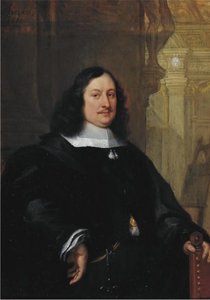
David Teniers el Joven
1610 - 1690 , Bélgica
Datos clave
- Artistas Que Influyeron:
- Peter Paul Rubens
- Pieter Bruegel el Viejo
- Estilo Artístico: Barroco
- Fecha De Muerte: 25 de abril de 1690
- Fecha De Nacimiento: 15 de diciembre de 1610
- Influenció A Artistas: ['Antoine Watteau']
- Lugar De Nacimiento: Amberes, Bélgica
- Nacionalidad: Flamenco
- Nombre Completo: David Teniers el Joven
- Obras Notables:
- Dos borrachos
- Escena de aldea
- Escena de cocina
- Kermesse flamenca
Artículos relacionados
David Teniers the Younger: Genre Painting & Social Commentary in Baroque Flanders
Explore the captivating world of David Teniers the Younger, a leading Flemish Baroque painter. Discover his genre scenes, social commentary, and lasting influence on 17th-century art. Learn about his life, techniques & legacy.
David Teniers II: Master of Flemish Genre & Social Commentary
Explore the captivating world of David Teniers II, a leading Flemish Baroque painter renowned for his lively genre scenes & insightful social commentary. Discover his masterpieces and legacy with ArtsDot.

Drama Barroca: Llevando la Grandeza y la Emoción a los Interiores Contemporáneos
Descubre cómo el drama y la grandeza del arte barroco pueden transformar tus interiores. Guía experta, inspiración y reproducciones de alta calidad en .

The Dramatic Flourish: Exploring the Baroque Movement's Enduring Legacy in Art History
Explore the dramatic world of Baroque art! Discover iconic artists like Caravaggio & Rubens, defining techniques, and its lasting impact on art history. Expert insights for collectors & enthusiasts at ArtsDot.

The Visceral Stage: Exploring Dramatic Narratives & Emotional Intensity in Baroque Art
Explore the dramatic world of Baroque art! Discover iconic masters like Caravaggio & Rembrandt, their techniques, and the movement's lasting impact. Expert insights for collectors & enthusiasts at ArtsDot.