

 Ver en contexto
 Enviar
 Compartir
 Detalles

 Descargar
 Similares
 Radiografía
 Presentación de diapositivas
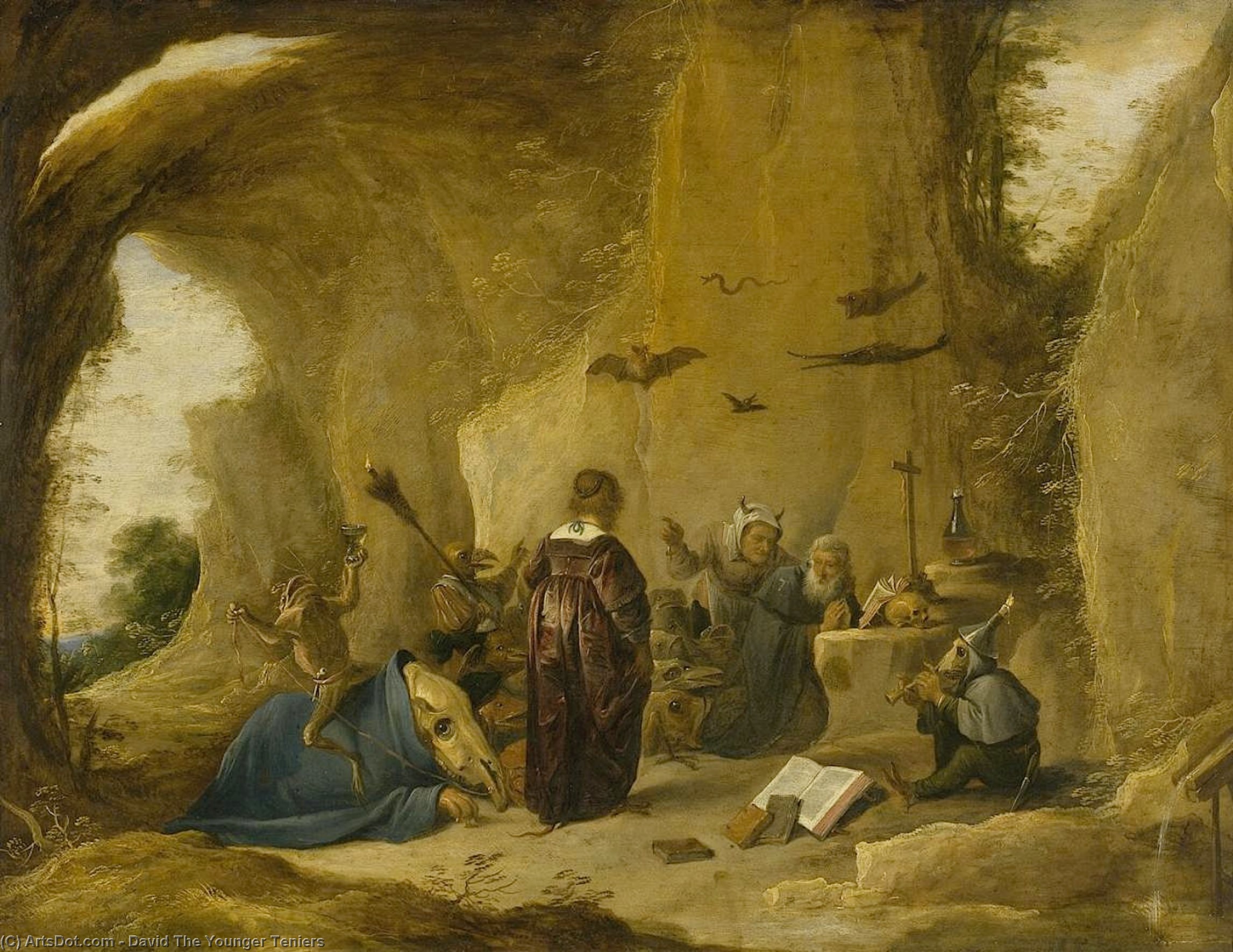
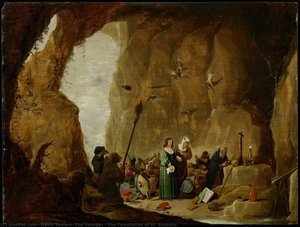
Temptation of St Antony
 Oil On Canvas
- WallArt
- Baroque Decorative Style
 1644
1644- Renaissance
 36.0 x 47.0 cm
 Museo del Hermitage
 Ver más
Adquiera una imagen digital de alta resolución y optimizada, muy superior a la vista previa en línea.
Cada archivo es preparado meticulosamente por nuestros especialistas internos mediante el uso de herramientas avanzadas y un experto retoque manual. Nos aseguramos de que cada imagen posea una claridad excepcional, una precisión cromática impecable y un detalle minucioso.
El archivo final se entrega por correo electrónico en un plazo de 72 horas, optimizado para su uso inmediato en entornos profesionales, editoriales y de impresión. Esta es la misma calidad en la que confían los estudios de diseño, las editoriales y las galerías de primer nivel.
Imagen Digital
Descarga un archivo de alta resolución para exhibición personal, impresión y proyectos creativos. ( Comprar impresión Comprar pintura hecha a mano)
Incluido en cada pedido de imágenes digitales
Entrega digital experta, garantizada.
Al elegir ArtsDot.com, no solo está adquiriendo una imagen; está recibiendo una obra de arte digital mejorada profesionalmente, elaborada con precisión y respaldada por una garantía de satisfacción. Esto es todo lo que incluye su pedido, automáticamente:

Entrega rápida por email
Recibirá su archivo de imagen digital en alta resolución por correo electrónico en un plazo de 72 horas tras realizar su pedido, listo para su uso inmediato.

Archivo digital optimizado por IA
Su obra de arte se optimiza profesionalmente mediante herramientas avanzadas de IA y edición manual, garantizando el máximo detalle, claridad y precisión cromática.

Reenvío gratuito de por vida
¿Has borrado o perdido tu archivo por error? No te preocupes: te lo volveremos a enviar en cualquier momento, sin coste adicional.

Sin gastos de importación, siempre
Disfrute de su obra de arte al instante sin aduanas, aranceles ni gastos de envío; las descargas digitales siempre están libres de impuestos.

Garantía de fidelidad de color
Garantizamos que su imagen digital refleje los colores originales con la mayor fidelidad posible, mediante el uso de herramientas profesionales y gestión del color.

Garantía de satisfacción de 60 días
Si no está satisfecho con su imagen digital, la revisaremos o le reembolsaremos el 100% en un plazo de 60 días, sin preguntas.

100% Garantía de devolución de dinero
¿No está satisfecho? Obtenga un reembolso completo dentro de los 60 días posteriores a la recepción de su archivo digital, sin necesidad de explicaciones.

Descuentos por pedidos grandes
Compra 3 imágenes, ahorra 10% - Compra 5, ahorra 15% - Compra 10+, ahorra 20%. Ideal para proyectos creativos, galerías y agencias.
Descripción del coleccionable
A Moment of Spiritual Struggle Captured in Flemish Detail
David Teniers the Younger’s “Temptation of St Antony” stands as a testament to the enduring fascination with biblical narratives and the meticulous craftsmanship characteristic of Flemish Baroque painting. Executed in 1644, this captivating artwork offers more than just a visual depiction; it delves into themes of piety, temptation, and human vulnerability against the backdrop of religious fervor. Measuring 36 x 47 cm, the canvas showcases Teniers’ masterful ability to blend realism with symbolic representation—a hallmark of his artistic vision.The Scene Unfolds: Narrative and Composition
The painting portrays a dramatic confrontation between St Antony and Satanic forces, presenting a tableau brimming with figures engaged in a palpable struggle for spiritual purity. At the heart of the composition is a man seated on the ground, accompanied by a woman kneeling before him—a poignant depiction of devotion and vulnerability. Surrounding them are several additional individuals, creating an atmosphere of urgency and complexity. Notably, two horses dominate the scene, one positioned centrally and another to the left, symbolizing strength and perhaps representing worldly desires vying for dominance. An umbrella punctuates the right side of the image, adding a subtle element of weather symbolism—rain often signifies purification or divine judgment. Teniers skillfully orchestrates these elements to heighten the narrative tension and convey the profound emotional core of the biblical tale.Technique and Artistic Style: Rubensian Influence
Teniers’ technique reflects the influence of Peter Paul Rubens, arguably the most celebrated Flemish painter of his era. Like Rubens, he employed a vibrant palette—primarily reds, yellows, and blues—to imbue the scene with luminosity and dramatic intensity. The artist utilized oil paint on canvas, applying thin glazes to achieve remarkable textural detail and capturing subtle nuances of light and shadow. This meticulous approach aligns perfectly with the Baroque aesthetic’s emphasis on grandeur and emotional expression. The brushstrokes are visible yet blended seamlessly, contributing to an overall impression of polished elegance—a stylistic hallmark that distinguishes Teniers' work from earlier artistic traditions.Historical Context: Antwerp’s Artistic Landscape
“Temptation of St Antony” emerged during a period of significant artistic innovation in Antwerp, Belgium – a city renowned for its patronage of the arts and its vibrant cultural landscape. Rubens’ presence profoundly shaped the artistic sensibilities of his contemporaries, fostering a spirit of experimentation and elevating standards of craftsmanship. The painting reflects the broader preoccupation with religious iconography prevalent throughout Europe at the time, mirroring the fervent piety of the Catholic faith. Furthermore, it speaks to the anxieties surrounding moral corruption and the importance of resisting temptation—themes that resonated deeply within the intellectual currents of the Baroque period.Symbolism: Beyond the Surface Narrative
Beyond its immediate depiction of St Antony’s struggle, “Temptation of St Antony” is laden with symbolic significance. The horses represent earthly desires attempting to derail spiritual aspiration; the umbrella symbolizes divine protection and judgment. The positioning of figures—the seated man and kneeling woman—highlights the dynamic interplay between faith and vulnerability. Teniers skillfully employs visual cues to communicate deeper theological ideas, inviting viewers to contemplate the complexities of human morality and the enduring quest for spiritual enlightenment.Obras relacionadas
![Leyenda De San Francisco - [23] - San Francisco Lamentado Por Santa Clara — Giotto Di Bondone, Gótico](/media/artworks/images-thumb/17/1c/171c284c41dc3ef8bca83e51c1e1e531.jpg)
Biografía del artista
David Teniers el Joven: Vida y Legado
Primeros Años y Orígenes Familiares
- Nacido: Amberes, Bélgica, 15 de diciembre de 1610.
- David Teniers el Joven provenía de una familia profundamente arraigada en la tradición artística de Flandes. Su padre, David Teniers el Viejo, también era pintor, y varios de sus hermanos siguieron carreras artísticas.
- Formación: Inicialmente estudió bajo la tutela de su padre, recibiendo formación fundamental en técnicas y estilos pictóricos.
- La familia enfrentó dificultades financieras en ocasiones, lo que llevó a David joven a realizar copias de pinturas de maestros antiguos para contribuir al sustento familiar.
Desarrollo Artístico e Influencias
- Primeras Influencias: Su obra temprana estuvo fuertemente influenciada por el estilo de su padre, centrándose en pinturas de gabinete a menor escala. También absorbió influencias de otros maestros flamencos como Pieter Bruegel el Viejo.
- Impacto de Rubens: Un momento crucial en el desarrollo de Teniers llegó a través de su asociación con Peter Paul Rubens. Se casó con Anna Brueghel, hija de Jan Brueghel el Viejo, y Rubens fue testigo en su boda, estableciendo una estrecha relación.
- Especialización en Género: Teniers se especializó gradualmente en la pintura de género – representaciones de la vida cotidiana – convirtiéndose en renombrado por sus vívidas escenas de festivales campesinos (kermesses), interiores de tabernas y paisajes rurales.
Obras Principales y Estilo Artístico
- Escenas de Género: Sus obras más celebradas son sus pinturas de género. Estas a menudo representan escenas bulliciosas de la vida campesina llenas de alegría, baile, bebida y juegos.
- Pinturas de Kermess: La serie “Flemish Kermess” ejemplifica su estilo – colores vibrantes, composiciones detalladas y una aguda observación del comportamiento humano.
- Pintura de Paisaje: Teniers también produjo encantadores paisajes, a menudo incorporando figuras dedicadas a actividades rurales.
- Interiores de Taberna: Sus escenas de taberna son particularmente notables por su realista representación de la vida cotidiana y el ambiente animado dentro de estos establecimientos.
Pintor de la Corte y Curador
- Servicio al Archiduque Leopoldo Guillermo: El talento de Teniers ganó reconocimiento en la corte Habsburgo. Se convirtió en pintor de la corte y curador para el Archiduque Leopoldo Guillermo, Gobernador General de los Países Bajos españoles.
- Gestión de Colecciones: Como curador, fue responsable de gestionar la extensa colección de arte del archiduque, creando un inventario y catalogando las obras.
- Fundación de la Academia de Amberes: Teniers jugó un papel crucial en el establecimiento de la Academia de Bellas Artes de Amberes, con el objetivo de revitalizar la pintura flamenca después de un período de declive tras las muertes de Rubens y Van Dyck.
Significado Histórico y Legado
- Principal Pintor de Género: David Teniers el Joven es considerado el principal pintor flamenco de género de su época, capturando la esencia de la vida del siglo XVII con notable habilidad.
- Influencia en Artistas Posteriores: Su obra influyó en generaciones posteriores de pintores del norte de Europa e incluso impactó a artistas rococó franceses como Antoine Watteau.
- Producción Prolífica: Teniers fue un artista increíblemente prolífico, produciendo una vasta cantidad de trabajo que continúa siendo admirado por su encanto, detalle y perspicacia histórica.
- Muerte: Falleció en Amberes el 25 de abril de 1690, dejando atrás un legado duradero como uno de los pintores barrocos más importantes de Flandes.
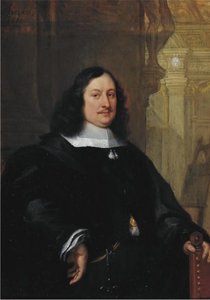
David Teniers el Joven
1610 - 1690 , Bélgica
Breves datos
- Artistas Que Influyeron:
- Peter Paul Rubens
- Pieter Bruegel el Viejo
- Estilo Artístico: Barroco
- Fecha De Muerte: 25 de abril de 1690
- Fecha De Nacimiento: 15 de diciembre de 1610
- Influenció A Artistas: ['Antoine Watteau']
- Lugar De Nacimiento: Amberes, Bélgica
- Nacionalidad: Flamenco
- Nombre Completo: David Teniers el Joven
- Obras Notables:
- Dos borrachos
- Escena de aldea
- Escena de cocina
- Kermesse flamenca

