 Ver en contexto
 Enviar
 Compartir
 Detalles

 Descargar
 Similares
 Radiografía
 Presentación de diapositivas
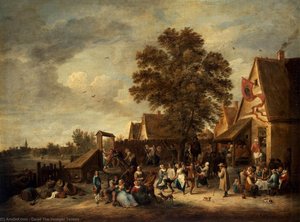
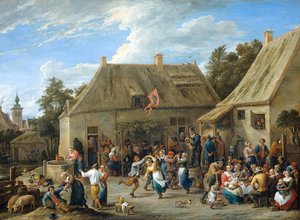
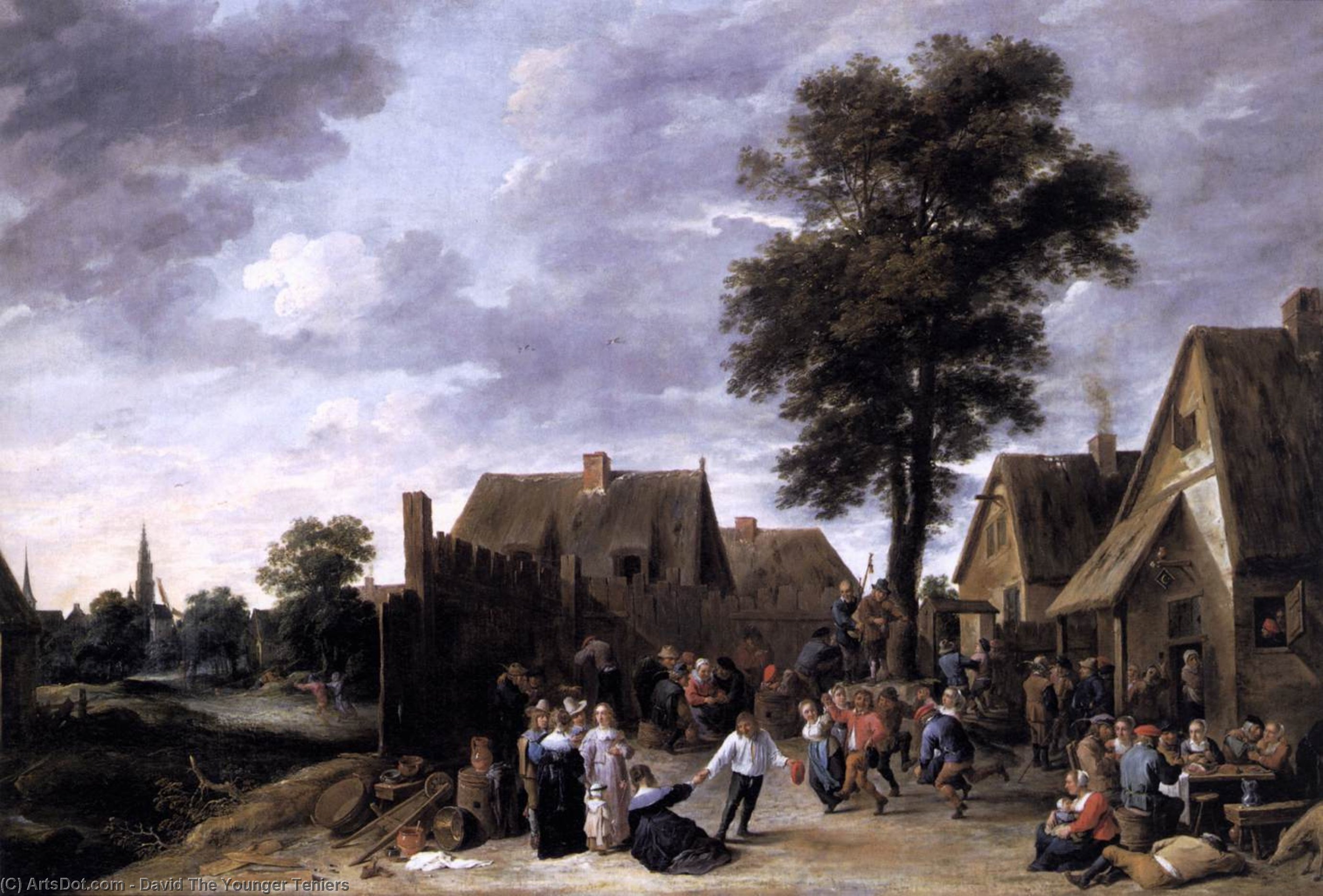
The Kermis at the Half Moon Inn
 Oil On Canvas
- WallArt
- Dutch Golden Age
 1641
1641 93.0 x 132.0 cm
 Galería de Pinturas Antiguas
 Ver más
Giclée / Impresión de arte
Impresiones giclée o en lienzo de calidad de museo con producción rápida y opciones de acabado flexibles. ( Comprar pintura hecha a mano Comprar imagen)




P118B $10

P118H $10

P118W $10

P438Z $10

P508JH $12

P508YH $12

P805H $10

P805Z $10

P919BZ $10

P919G $10

P919XJ $10

P959ZH $10

P968JZ $12

W106C $8

W218G $10

W218JH $8

W218Y $10

W307PJ $10

W316G $10

W316PJ $8

W316Y $10

W398PJ $8

W4111J $10

W500HY $15

W500JH $15

W692G $12

W849H $8

W940BG $15

W953PJ $8




Elija entre nuestros tamaños predefinidos que respetan las proporciones originales de la obra.

Puede introducir sus propias dimensiones para adaptarse a un marco o espacio específico. Si el tamaño seleccionado no coincide con las proporciones de la imagen original, recortaremos la obra de arte o extenderemos la imagen con un borde con efecto espejo o de color sólido. Se enviará una maqueta digital para su aprobación antes de que comience la producción.
Tenga en cuenta que la vista previa en pantalla no refleja el recorte o la extensión real. Solo la maqueta mostrará con precisión la composición final.
Aunque existen tamaños personalizados, recomendamos seleccionar una dimensión de la lista predefinida para preservar las proporciones originales.
Envío a todo el mundo () en 2 semanas en lugar de las 4/5 semanas estándar. (26 agosto)

Envío exprés gratuito a todo el mundo

Lienzo de lino de alta calidad

Seguro de envío total

Garantía de reembolso de impuestos aduaneros

Garantía de fidelidad cromática exacta

Política de devolución de 60 días (solo por defectos)

Garantía de devolución del 100% del dinero

Descuento por cantidad
 La opción de vidrio solo está disponible en tamaños inferiores a 110 cm.

The Kermis at the Half Moon Inn
Giclée / Impresión de arte
Dimensiones de la reproducción
-


Precio total final
$ 62
Descripción de la pieza
The Kermis at the Half Moon Inn: A Window into Dutch Golden Age Life
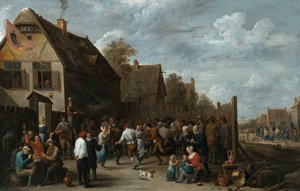
David Teniers the Younger’s “The Kermis at the Half Moon Inn,” painted in 1641, isn't merely a depiction of a village festival; it’s a vibrant snapshot of 17th-century Dutch society – a microcosm of its prosperity, social dynamics, and artistic sensibilities. This genre painting, now housed in numerous collections worldwide, offers a remarkably intimate glimpse into the daily life and leisure activities of the time, inviting viewers to step back in history and witness a bustling scene unfold.
The composition immediately draws the eye towards the foreground, teeming with figures engaged in a lively array of pursuits. Farmers dance with women, musicians strum their instruments, and conversations ripple through the crowd – all rendered with an astonishing level of detail and realism characteristic of the Dutch Golden Age. A subtle hierarchy emerges; while everyone participates in the revelry, there’s a clear distinction between the boisterous, uninhibited behavior of the common folk and the more reserved demeanor of the townspeople observing from the sidelines. This juxtaposition speaks volumes about the social structure of the era – a society that valued both participation and observation.
A Masterclass in Baroque Technique
Teniers’ skill lies not only in his ability to capture a lively scene but also in his masterful execution of technique. Painted in oil on canvas, the artwork showcases a rich, layered impasto—a thick application of paint that creates a tactile surface brimming with texture. Notice particularly the building facades and foliage; they are rendered with a rough, almost sculptural quality, lending a sense of immediacy and depth to the scene. The use of light is equally deliberate, diffusing softly across the canvas, casting gentle shadows and highlighting key figures within the composition. This careful manipulation of color and texture contributes significantly to the painting’s atmospheric mood – a feeling of warmth, conviviality, and authentic representation.
The artist's training under his father, David Teniers the Elder, is evident in the work’s detailed observation of nature and human form. However, Teniers subtly departs from his father’s more formal style, injecting a greater sense of dynamism and spontaneity into the scene. The figures are not static portraits but active participants in a lively narrative, conveying a palpable energy that resonates with the viewer.
Symbolism and Social Commentary
Beyond its immediate visual appeal, “The Kermis at the Half Moon Inn” is laden with symbolic meaning. The kermis itself – a traditional village fair – served as a crucial social event, fostering community bonds and providing an outlet for entertainment. The inclusion of various trades and professions—farmers, musicians, merchants—reflects the diverse economic landscape of 17th-century Holland. The presence of the wealthy townspeople observing from afar subtly hints at the societal stratification of the time, a reminder that prosperity was not equally distributed.
Furthermore, the painting’s meticulous detail and realistic portrayal of everyday life align with the broader moralizing themes prevalent in Dutch Golden Age art. By depicting a scene of communal joy and social interaction, Teniers implicitly celebrates the virtues of community, hospitality, and industriousness – values that were highly esteemed within Dutch society.
A Timeless Reproduction
Reproductions of “The Kermis at the Half Moon Inn” offer an exceptional opportunity to bring this captivating artwork into your home or office. Whether you choose a vibrant canvas print or a meticulously crafted oil painting reproduction, you’ll be acquiring a piece that embodies the artistic brilliance and cultural richness of the Dutch Golden Age. Consider framing it in a style that complements its historical context – perhaps a simple wooden frame to evoke the rustic charm of the original scene.
Explore more about this masterpiece at WikiArt or discover the artist’s biography on Wikipedia.
Obras relacionadas


Biografía del artista
David Teniers el Joven: Vida y Legado
Primeros Años y Orígenes Familiares
- Nacido: Amberes, Bélgica, 15 de diciembre de 1610.
- David Teniers el Joven provenía de una familia profundamente arraigada en la tradición artística de Flandes. Su padre, David Teniers el Viejo, también era pintor, y varios de sus hermanos siguieron carreras artísticas.
- Formación: Inicialmente estudió bajo la tutela de su padre, recibiendo formación fundamental en técnicas y estilos pictóricos.
- La familia enfrentó dificultades financieras en ocasiones, lo que llevó a David joven a realizar copias de pinturas de maestros antiguos para contribuir al sustento familiar.
Desarrollo Artístico e Influencias
- Primeras Influencias: Su obra temprana estuvo fuertemente influenciada por el estilo de su padre, centrándose en pinturas de gabinete a menor escala. También absorbió influencias de otros maestros flamencos como Pieter Bruegel el Viejo.
- Impacto de Rubens: Un momento crucial en el desarrollo de Teniers llegó a través de su asociación con Peter Paul Rubens. Se casó con Anna Brueghel, hija de Jan Brueghel el Viejo, y Rubens fue testigo en su boda, estableciendo una estrecha relación.
- Especialización en Género: Teniers se especializó gradualmente en la pintura de género – representaciones de la vida cotidiana – convirtiéndose en renombrado por sus vívidas escenas de festivales campesinos (kermesses), interiores de tabernas y paisajes rurales.
Obras Principales y Estilo Artístico
- Escenas de Género: Sus obras más celebradas son sus pinturas de género. Estas a menudo representan escenas bulliciosas de la vida campesina llenas de alegría, baile, bebida y juegos.
- Pinturas de Kermess: La serie “Flemish Kermess” ejemplifica su estilo – colores vibrantes, composiciones detalladas y una aguda observación del comportamiento humano.
- Pintura de Paisaje: Teniers también produjo encantadores paisajes, a menudo incorporando figuras dedicadas a actividades rurales.
- Interiores de Taberna: Sus escenas de taberna son particularmente notables por su realista representación de la vida cotidiana y el ambiente animado dentro de estos establecimientos.
Pintor de la Corte y Curador
- Servicio al Archiduque Leopoldo Guillermo: El talento de Teniers ganó reconocimiento en la corte Habsburgo. Se convirtió en pintor de la corte y curador para el Archiduque Leopoldo Guillermo, Gobernador General de los Países Bajos españoles.
- Gestión de Colecciones: Como curador, fue responsable de gestionar la extensa colección de arte del archiduque, creando un inventario y catalogando las obras.
- Fundación de la Academia de Amberes: Teniers jugó un papel crucial en el establecimiento de la Academia de Bellas Artes de Amberes, con el objetivo de revitalizar la pintura flamenca después de un período de declive tras las muertes de Rubens y Van Dyck.
Significado Histórico y Legado
- Principal Pintor de Género: David Teniers el Joven es considerado el principal pintor flamenco de género de su época, capturando la esencia de la vida del siglo XVII con notable habilidad.
- Influencia en Artistas Posteriores: Su obra influyó en generaciones posteriores de pintores del norte de Europa e incluso impactó a artistas rococó franceses como Antoine Watteau.
- Producción Prolífica: Teniers fue un artista increíblemente prolífico, produciendo una vasta cantidad de trabajo que continúa siendo admirado por su encanto, detalle y perspicacia histórica.
- Muerte: Falleció en Amberes el 25 de abril de 1690, dejando atrás un legado duradero como uno de los pintores barrocos más importantes de Flandes.
David Teniers el Joven
1610 - 1690 , Bélgica
Datos clave
- Artistas Que Influyeron:
- Peter Paul Rubens
- Pieter Bruegel el Viejo
- Estilo Artístico: Barroco
- Fecha De Muerte: 25 de abril de 1690
- Fecha De Nacimiento: 15 de diciembre de 1610
- Influenció A Artistas: ['Antoine Watteau']
- Lugar De Nacimiento: Amberes, Bélgica
- Nacionalidad: Flamenco
- Nombre Completo: David Teniers el Joven
- Obras Notables:
- Dos borrachos
- Escena de aldea
- Escena de cocina
- Kermesse flamenca
Artículos relacionados

Los 10 Maestros del Siglo de Oro Holandés: Arte, Historia y Decoración Exclusiva
Descubre los 10 imprescindibles del Siglo de Oro Holandés: Rembrandt, Vermeer y más. Explora la historia, técnica y belleza de estos lienzos clásicos. Encuentra reproducciones de arte exclusivas para decorar tu hogar en .

Reflejos de una Época Dorada: La Pintura Barroca Holandesa y la Innovación Cultural
Descubra la riqueza y el detalle de la pintura barroca holandesa del Siglo de Oro. Explore las obras maestras de Rembrandt, Vermeer y otros artistas clave. Análisis experto e historia cultural.

La Luz y la República: Innovación Artística en el Siglo de Oro Neerlandés
Descubra la innovación artística del Siglo de Oro Neerlandés. Explore las obras maestras de Rembrandt y Vermeer, técnicas revolucionarias y el legado perdurable de este florecimiento cultural. ¡Sumérjase en la luz y la belleza!
Pintura de Género Holandesa: Un Reflejo Íntimo de la Vida Cotidiana y los Valores Sociales del Siglo de Oro
Descubra la riqueza de la pintura de género holandesa del Siglo de Oro. Explore las obras maestras de Vermeer y Brueghel, su simbolismo y el reflejo de la vida cotidiana en esta época dorada. ¡Conozca más!
Illuminating Realism: Exploring the Dutch Golden Age of Painting (1600-1700)
Explore the Dutch Golden Age of painting (1600-1700) with ArtsDot. Discover Rembrandt, Vermeer & other masters. Learn about techniques, history & find museum-quality reproductions.