 Ver en contexto
 Enviar
 Compartir
 Detalles

 Descargar
 Similares
 Radiografía
 Presentación de diapositivas
The Village Doctor


 Ver más
Reproducción al óleo hecha a mano
Óleo sobre lienzo pintado a mano en el tamaño y marco de su elección, realizado por encargo por nuestros artistas. ( Comprar impresión Comprar imagen)




P118B $10

P118H $10

P118W $10

P438Z $10

P508JH $12

P508YH $12

P805H $10

P805Z $10

P919BZ $10

P919G $10

P919XJ $10

P959ZH $10

P968JZ $12

W106C $8

W218G $10

W218JH $8

W218Y $10

W307PJ $10

W316G $10

W316PJ $8

W316Y $10

W398PJ $8

W4111J $10

W500HY $15

W500JH $15

W692G $12

W849H $8

W940BG $15

W953PJ $8




Elija entre nuestros tamaños predefinidos que respetan las proporciones originales de la obra.

Puede ingresar sus propias dimensiones para adaptarse a un marco o espacio específico. Si el tamaño seleccionado no coincide con las proporciones de la imagen original, recortaremos la obra o extenderemos la pintura con elementos adicionales pintados a mano. Se le enviará una maqueta digital para su aprobación antes de comenzar la producción.
Tenga en cuenta que la vista previa en pantalla no refleja el recorte o la extensión reales. Solo la maqueta mostrará con precisión la composición final.
Si bien existen tamaños personalizados, recomendamos seleccionar una dimensión de la lista predefinida para preservar las proporciones originales.
Tras realizar el pedido, el equipo de ArtsDot.com enviará un correo electrónico al cliente para solicitar instrucciones y proporcionarle una vista previa del boceto.
Envío a todo el mundo () en 3-4 semanas en lugar de las 5 semanas estándar. (25 agosto). Sin comprometer la calidad.

Envío exprés gratuito a todo el mundo

Lienzo de lino de alta calidad

Seguro de envío total

Garantía de reembolso de impuestos aduaneros

Garantía de fidelidad cromática exacta

Política de devolución de 60 días (solo por defectos)

Garantía de devolución del 100% del dinero

Descuento por cantidad
 La opción de vidrio solo está disponible en tamaños inferiores a 110 cm.

The Village Doctor
Técnica de reproducción
Dimensiones de la reproducción
-


Precio total final
$ 338
Descripción de la obra
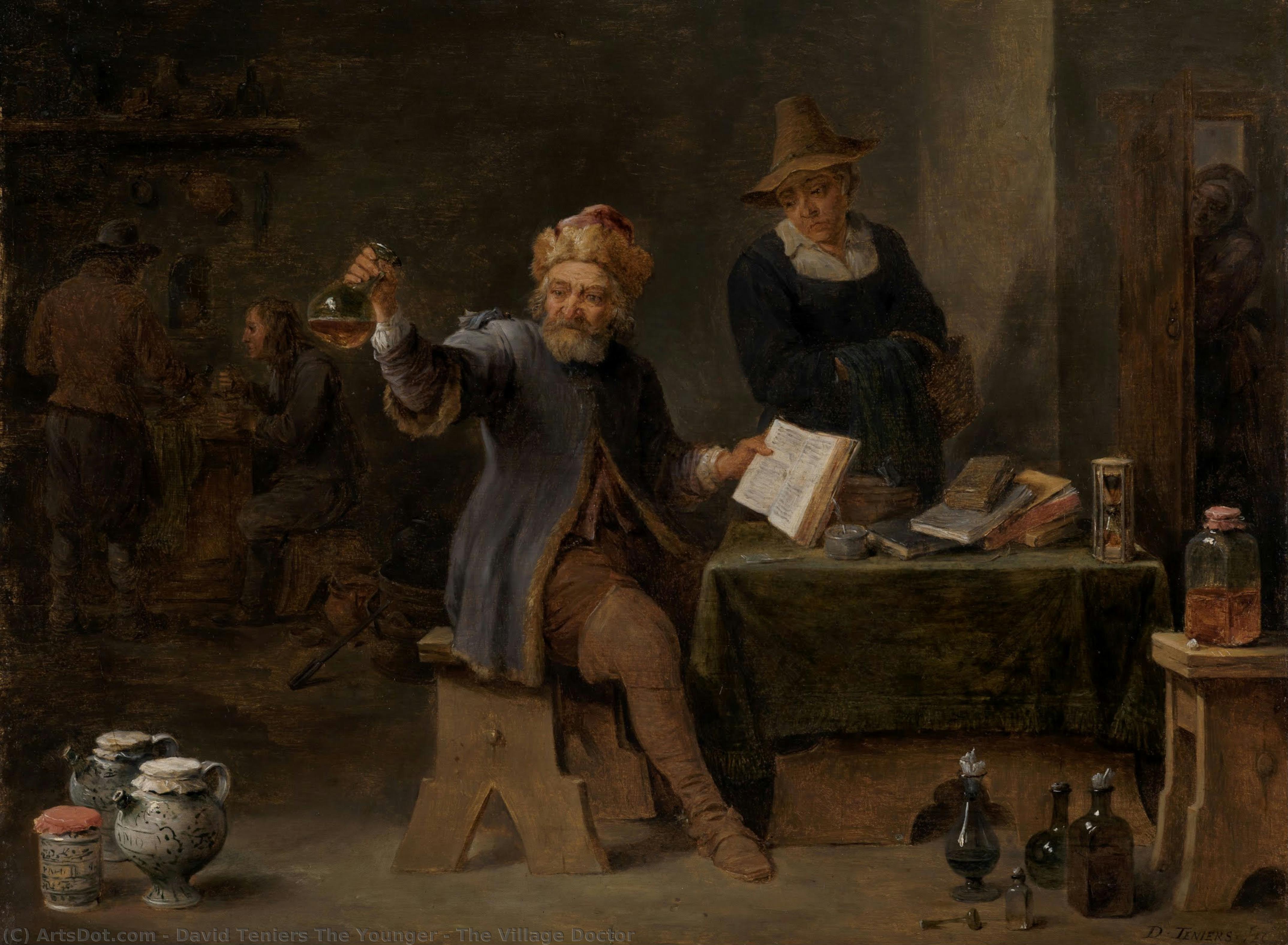
A Window into a 17th-Century World: David Teniers the Younger’s “The Village Doctor”
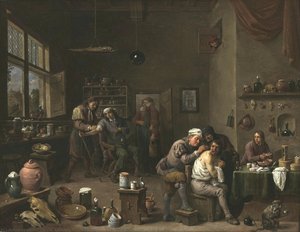
David Teniers the Younger's "The Village Doctor," painted in 1665, isn’t merely a depiction of a scene; it’s a meticulously crafted portal into the heart of Dutch Golden Age life. This oil painting, brimming with detail and imbued with a palpable sense of realism, transports us to a humble village setting where medicine, community, and everyday routines intertwine. The composition is remarkably complex, a deliberate layering of figures within a deliberately cluttered interior – a testament to Teniers’ skill in creating depth and visual interest. It's a scene that invites prolonged contemplation, revealing subtle narratives and hinting at the social dynamics of the time.
- The Setting: The painting unfolds within what appears to be a village doctor’s office or apothecary – a space both practical and imbued with a quiet dignity. The walls are adorned with books and instruments, suggesting a dedication to knowledge and healing.
- Central Figures: The focal point is the elderly physician, his turban and long white beard immediately evoking a sense of wisdom and experience. His act of dispensing medicine – pouring liquid into a cup for another individual – embodies the core function of this humble establishment. The younger man reading at the table adds an element of scholarly pursuit, hinting at the importance of learning in this era.
- Background Activity: The shadowy figures engaged in chess and examining patients contribute to the bustling atmosphere, illustrating that medicine wasn’t a solitary profession but was deeply integrated into the fabric of village life.
A Masterclass in Dutch Realism – Technique and Style
Teniers' mastery lies not just in his subject matter but also in his execution. The painting is firmly rooted in the style of Dutch Golden Age realism, a movement characterized by an unwavering commitment to accurate observation and meticulous detail. The artist’s brushwork is remarkably textured – impasto strokes build up layers of paint, creating a tactile quality that invites the viewer to almost feel the rough surface of the walls or the weight of the medical instruments. The use of light is dramatic, originating from an unseen source above and to the left, casting strong shadows that define the forms and add significant depth to the scene. The color palette, dominated by browns, ochres, and muted greens, reflects the earthy tones of the setting and reinforces the painting’s grounded realism.
Note the careful rendering of fabrics – the folds of clothing, the texture of blankets – demonstrating Teniers' keen eye for detail and his ability to capture the nuances of material surfaces. The perspective is skillfully employed, creating a convincing sense of space within the room and drawing the viewer into the scene.Symbolism and Social Commentary
Beyond its immediate depiction of village life, “The Village Doctor” carries layers of symbolic meaning. The elderly physician represents not just a healer but also a keeper of knowledge and tradition. The act of dispensing medicine can be interpreted as an offering of care and compassion – a fundamental value within the community. The inclusion of figures engaged in scholarly pursuits underscores the importance of education and intellectual curiosity. Furthermore, the scene subtly reflects the social hierarchy of the time, with the physician holding a position of authority and respect.
The painting serves as a poignant reminder of the vital role that medicine played in shaping rural communities and the enduring connection between health, knowledge, and human well-being.Historical Context & Artistic Legacy
Painted in 1665, “The Village Doctor” reflects the flourishing artistic landscape of the Dutch Golden Age – a period marked by unprecedented prosperity, intellectual curiosity, and artistic innovation. David Teniers the Younger was a prolific artist known for his versatility, working across various genres including history painting, genre scenes, and landscapes. His association with Peter Paul Rubens profoundly influenced his style, while he also drew inspiration from other Flemish masters like Pieter Bruegel the Elder. The painting’s enduring appeal lies in its ability to capture a specific moment in time – a glimpse into the daily lives of people who lived centuries ago. Reproductions of this masterpiece offer a beautiful and insightful window into a bygone era, preserving the artistry and social commentary of David Teniers the Younger for generations to come.
Obras relacionadas
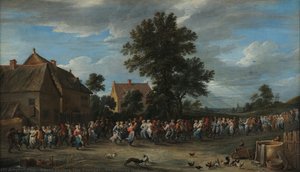
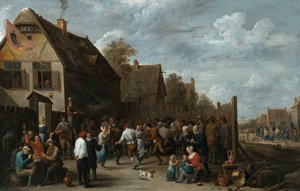
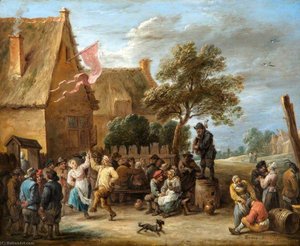
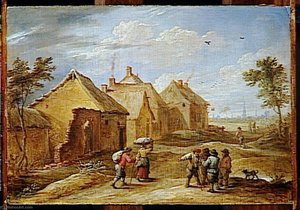
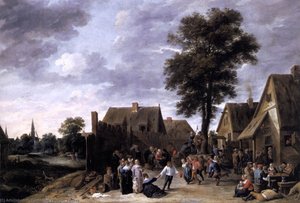
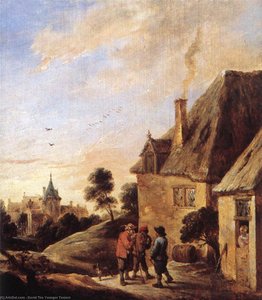
Biografía del artista
David Teniers el Joven: Vida y Legado
Primeros Años y Orígenes Familiares
- Nacido: Amberes, Bélgica, 15 de diciembre de 1610.
- David Teniers el Joven provenía de una familia profundamente arraigada en la tradición artística de Flandes. Su padre, David Teniers el Viejo, también era pintor, y varios de sus hermanos siguieron carreras artísticas.
- Formación: Inicialmente estudió bajo la tutela de su padre, recibiendo formación fundamental en técnicas y estilos pictóricos.
- La familia enfrentó dificultades financieras en ocasiones, lo que llevó a David joven a realizar copias de pinturas de maestros antiguos para contribuir al sustento familiar.
Desarrollo Artístico e Influencias
- Primeras Influencias: Su obra temprana estuvo fuertemente influenciada por el estilo de su padre, centrándose en pinturas de gabinete a menor escala. También absorbió influencias de otros maestros flamencos como Pieter Bruegel el Viejo.
- Impacto de Rubens: Un momento crucial en el desarrollo de Teniers llegó a través de su asociación con Peter Paul Rubens. Se casó con Anna Brueghel, hija de Jan Brueghel el Viejo, y Rubens fue testigo en su boda, estableciendo una estrecha relación.
- Especialización en Género: Teniers se especializó gradualmente en la pintura de género – representaciones de la vida cotidiana – convirtiéndose en renombrado por sus vívidas escenas de festivales campesinos (kermesses), interiores de tabernas y paisajes rurales.
Obras Principales y Estilo Artístico
- Escenas de Género: Sus obras más celebradas son sus pinturas de género. Estas a menudo representan escenas bulliciosas de la vida campesina llenas de alegría, baile, bebida y juegos.
- Pinturas de Kermess: La serie “Flemish Kermess” ejemplifica su estilo – colores vibrantes, composiciones detalladas y una aguda observación del comportamiento humano.
- Pintura de Paisaje: Teniers también produjo encantadores paisajes, a menudo incorporando figuras dedicadas a actividades rurales.
- Interiores de Taberna: Sus escenas de taberna son particularmente notables por su realista representación de la vida cotidiana y el ambiente animado dentro de estos establecimientos.
Pintor de la Corte y Curador
- Servicio al Archiduque Leopoldo Guillermo: El talento de Teniers ganó reconocimiento en la corte Habsburgo. Se convirtió en pintor de la corte y curador para el Archiduque Leopoldo Guillermo, Gobernador General de los Países Bajos españoles.
- Gestión de Colecciones: Como curador, fue responsable de gestionar la extensa colección de arte del archiduque, creando un inventario y catalogando las obras.
- Fundación de la Academia de Amberes: Teniers jugó un papel crucial en el establecimiento de la Academia de Bellas Artes de Amberes, con el objetivo de revitalizar la pintura flamenca después de un período de declive tras las muertes de Rubens y Van Dyck.
Significado Histórico y Legado
- Principal Pintor de Género: David Teniers el Joven es considerado el principal pintor flamenco de género de su época, capturando la esencia de la vida del siglo XVII con notable habilidad.
- Influencia en Artistas Posteriores: Su obra influyó en generaciones posteriores de pintores del norte de Europa e incluso impactó a artistas rococó franceses como Antoine Watteau.
- Producción Prolífica: Teniers fue un artista increíblemente prolífico, produciendo una vasta cantidad de trabajo que continúa siendo admirado por su encanto, detalle y perspicacia histórica.
- Muerte: Falleció en Amberes el 25 de abril de 1690, dejando atrás un legado duradero como uno de los pintores barrocos más importantes de Flandes.
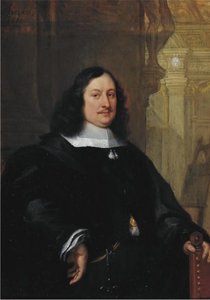
David Teniers el Joven
1610 - 1690 , Bélgica
Datos clave
- Artistas Que Influyeron:
- Peter Paul Rubens
- Pieter Bruegel el Viejo
- Estilo Artístico: Barroco
- Fecha De Muerte: 25 de abril de 1690
- Fecha De Nacimiento: 15 de diciembre de 1610
- Influenció A Artistas: ['Antoine Watteau']
- Lugar De Nacimiento: Amberes, Bélgica
- Nacionalidad: Flamenco
- Nombre Completo: David Teniers el Joven
- Obras Notables:
- Dos borrachos
- Escena de aldea
- Escena de cocina
- Kermesse flamenca
Artículos relacionados

Los 10 Maestros del Siglo de Oro Holandés: Arte, Historia y Decoración Exclusiva
Descubre los 10 imprescindibles del Siglo de Oro Holandés: Rembrandt, Vermeer y más. Explora la historia, técnica y belleza de estos lienzos clásicos. Encuentra reproducciones de arte exclusivas para decorar tu hogar en .

Reflejos de una Época Dorada: La Pintura Barroca Holandesa y la Innovación Cultural
Descubra la riqueza y el detalle de la pintura barroca holandesa del Siglo de Oro. Explore las obras maestras de Rembrandt, Vermeer y otros artistas clave. Análisis experto e historia cultural.

La Luz y la República: Innovación Artística en el Siglo de Oro Neerlandés
Descubra la innovación artística del Siglo de Oro Neerlandés. Explore las obras maestras de Rembrandt y Vermeer, técnicas revolucionarias y el legado perdurable de este florecimiento cultural. ¡Sumérjase en la luz y la belleza!
Illuminating Realism: Exploring the Dutch Golden Age of Painting (1600-1700)
Explore the Dutch Golden Age of painting (1600-1700) with ArtsDot. Discover Rembrandt, Vermeer & other masters. Learn about techniques, history & find museum-quality reproductions.
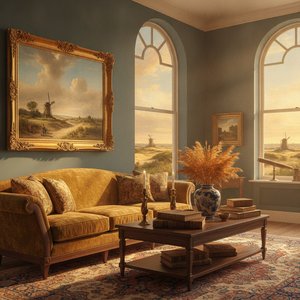
Golden Light & Dutch Skies: Bringing the Magic of Dutch Golden Age Landscapes into Your Home
Transform your home with the breathtaking light of Dutch Golden Age landscapes. Discover how hand-painted oil reproductions of masterworks like Ruisdael and Vermeer bring timeless elegance, atmosphere, and soulful texture to modern interiors. Elevate your space with museum-quality art.