 Ver en contexto
 Enviar
 Compartir
 Detalles

 Descargar
 Similares
 Radiografía
 Presentación de diapositivas
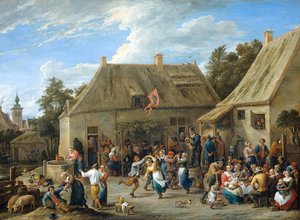
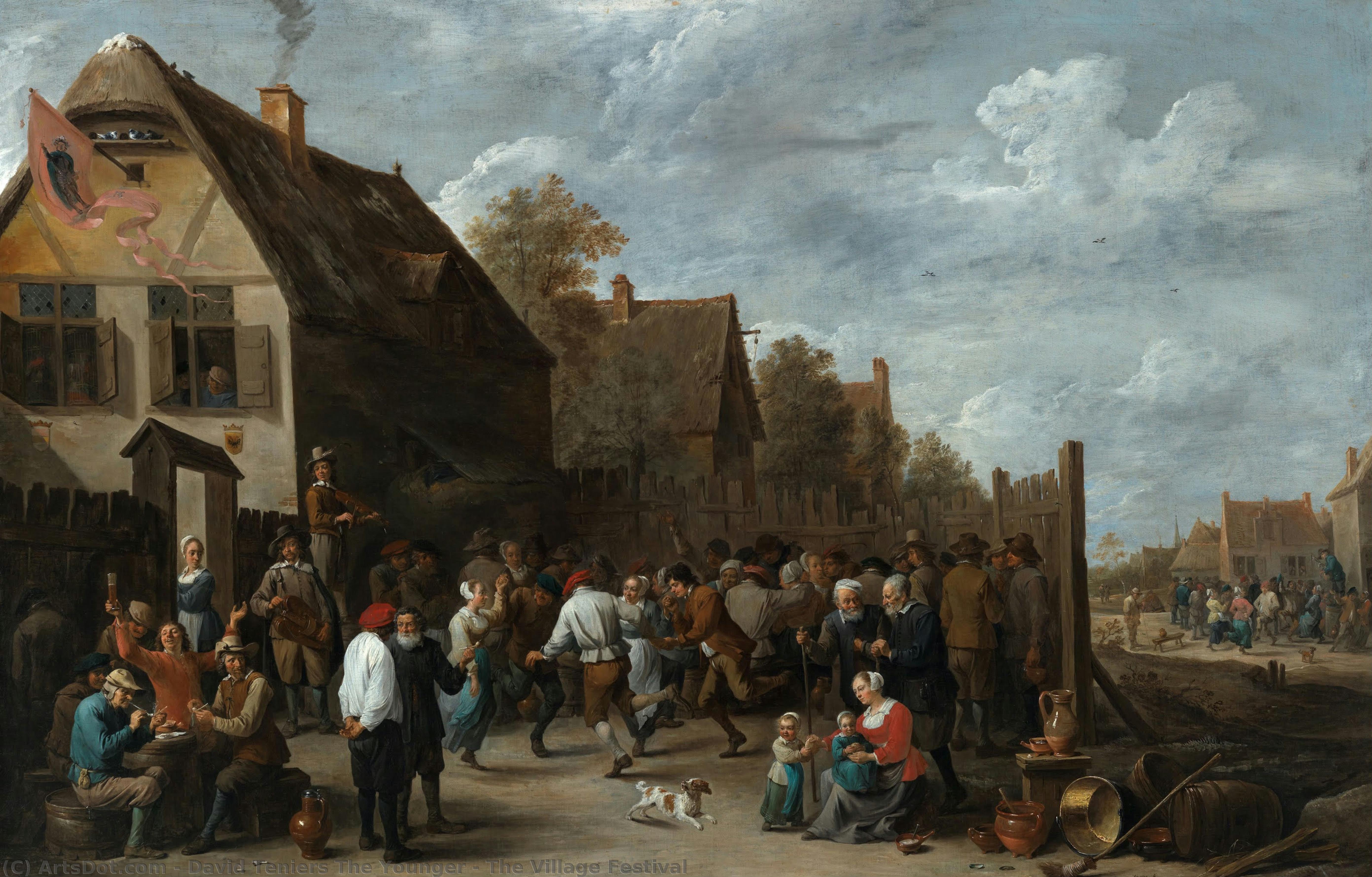
The Village Festival
 Oil On Canvas
- WallArt
- Baroque
 1648
1648- Early Modern
 115.0 x 178.0 cm
 Staatliche Kunsthalle Karlsruhe
 Ver más
Reproducción al óleo hecha a mano
Óleo sobre lienzo pintado a mano en el tamaño y marco de su elección, realizado por encargo por nuestros artistas. ( Comprar impresión Comprar imagen)




P118B $10

P118H $10

P118W $10

P438Z $10

P508JH $12

P508YH $12

P805H $10

P805Z $10

P919BZ $10

P919G $10

P919XJ $10

P959ZH $10

P968JZ $12

W106C $8

W218G $10

W218JH $8

W218Y $10

W307PJ $10

W316G $10

W316PJ $8

W316Y $10

W398PJ $8

W4111J $10

W500HY $15

W500JH $15

W692G $12

W849H $8

W940BG $15

W953PJ $8




Elija entre nuestros tamaños predefinidos que respetan las proporciones originales de la obra.

Puede ingresar sus propias dimensiones para adaptarse a un marco o espacio específico. Si el tamaño seleccionado no coincide con las proporciones de la imagen original, recortaremos la obra o extenderemos la pintura con elementos adicionales pintados a mano. Se le enviará una maqueta digital para su aprobación antes de comenzar la producción.
Tenga en cuenta que la vista previa en pantalla no refleja el recorte o la extensión reales. Solo la maqueta mostrará con precisión la composición final.
Si bien existen tamaños personalizados, recomendamos seleccionar una dimensión de la lista predefinida para preservar las proporciones originales.
Tras realizar el pedido, el equipo de ArtsDot.com enviará un correo electrónico al cliente para solicitar instrucciones y proporcionarle una vista previa del boceto.
Envío a todo el mundo () en 3-4 semanas en lugar de las 5 semanas estándar. (29 agosto). Sin comprometer la calidad.

Envío exprés gratuito a todo el mundo

Lienzo de lino de alta calidad

Seguro de envío total

Garantía de reembolso de impuestos aduaneros

Garantía de fidelidad cromática exacta

Política de devolución de 60 días (solo por defectos)

Garantía de devolución del 100% del dinero

Descuento por cantidad
 La opción de vidrio solo está disponible en tamaños inferiores a 110 cm.

The Village Festival
Técnica de reproducción
Dimensiones de la reproducción
-


Precio total final
$ 613
A Symphony of Rural Joy
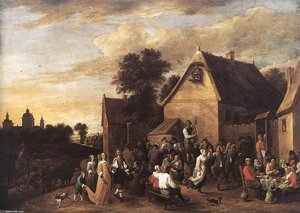
In the heart of the seventeenth century, amidst the burgeoning prosperity of the Flemish Golden Age, David Teniers the Younger captured a moment of pure, unadulterated human connection. The Village Festival is not merely a painting; it is a window into a bygone era of communal celebration. As your eyes wander across the expansive canvas, you are immediately swept into a bustling outdoor gathering where the air seems to vibrate with the sounds of laughter, music, and spirited conversation. The composition, masterfully oriented to emphasize the breadth of the festivities, utilizes a wide-angle perspective that invites the viewer to step directly into the crowd. Through Teniers' expert use of linear perspective, a receding road draws us deep into the landscape, suggesting that this celebration is but one vibrant heartbeat in an expansive, living community.
The aesthetic soul of this masterpiece lies in its earthy, grounded palette. Dominated by rich browns, mossy greens, and warm yellows, the colors evoke the very soil and architecture of the Flemish countryside. Yet, amidst this organic harmony, Teniers strategically punctuates the scene with sudden flashes of crimson and azure in the villagers' attire, acting as visual sparks that ignite the viewer's interest. The lighting, soft and diffused as if under a gentle overcast sky, avoids harsh shadows, instead bathing the entire assembly in an even, inviting glow. This subtle illumination allows for a meticulous rendering of textures—from the rugged, weathered stone of the village buildings to the delicate, fluid folds of fabric moving in time with a dance.
Mastery of the Flemish Baroque
Technically, The Village Festival stands as a testament to the incredible skill Teniers honed under the influence of his father and the legendary Peter Paul Rubens. Executed in oil on canvas, the work showcases a sophisticated layering technique that builds depth and physical presence. The artist’s brushwork is both precise and expressive; while he captures the architectural rigidity of windows and rooflines with clarity, he employs more organic, fluid strokes to define the swirling movement of the dancing figures. This duality between structure and motion creates a dynamic tension that keeps the eye constantly engaged, moving from the detailed foreground characters to the soft, atmospheric silhouettes in the far distance.
For the discerning collector or interior designer, this piece offers more than just historical value; it provides an emotional anchor for any space. The painting evokes a profound sense of nostalgia and warmth, celebrating the social fabric of everyday life. It speaks to themes of community, resilience, and the enduring human spirit found in shared joy. Whether placed in a grand gallery or as a focal point in a sophisticated living space, The Village Festival brings with it an atmosphere of timelessness and conviviality, making it an exquisite choice for those looking to infuse their surroundings with character, history, and a sense of peaceful celebration.
Obras relacionadas
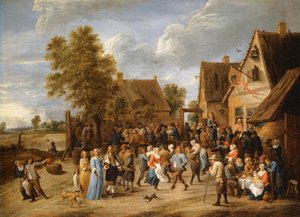
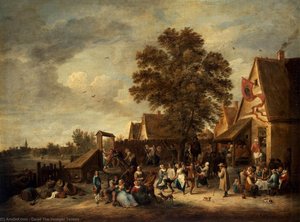
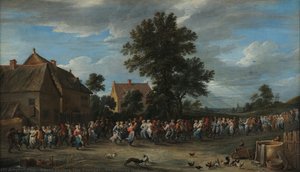
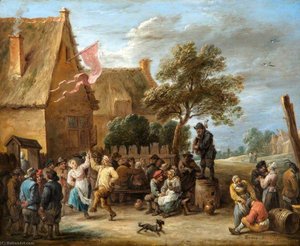
Biografía del artista
David Teniers el Joven: Vida y Legado
Primeros Años y Orígenes Familiares
- Nacido: Amberes, Bélgica, 15 de diciembre de 1610.
- David Teniers el Joven provenía de una familia profundamente arraigada en la tradición artística de Flandes. Su padre, David Teniers el Viejo, también era pintor, y varios de sus hermanos siguieron carreras artísticas.
- Formación: Inicialmente estudió bajo la tutela de su padre, recibiendo formación fundamental en técnicas y estilos pictóricos.
- La familia enfrentó dificultades financieras en ocasiones, lo que llevó a David joven a realizar copias de pinturas de maestros antiguos para contribuir al sustento familiar.
Desarrollo Artístico e Influencias
- Primeras Influencias: Su obra temprana estuvo fuertemente influenciada por el estilo de su padre, centrándose en pinturas de gabinete a menor escala. También absorbió influencias de otros maestros flamencos como Pieter Bruegel el Viejo.
- Impacto de Rubens: Un momento crucial en el desarrollo de Teniers llegó a través de su asociación con Peter Paul Rubens. Se casó con Anna Brueghel, hija de Jan Brueghel el Viejo, y Rubens fue testigo en su boda, estableciendo una estrecha relación.
- Especialización en Género: Teniers se especializó gradualmente en la pintura de género – representaciones de la vida cotidiana – convirtiéndose en renombrado por sus vívidas escenas de festivales campesinos (kermesses), interiores de tabernas y paisajes rurales.
Obras Principales y Estilo Artístico
- Escenas de Género: Sus obras más celebradas son sus pinturas de género. Estas a menudo representan escenas bulliciosas de la vida campesina llenas de alegría, baile, bebida y juegos.
- Pinturas de Kermess: La serie “Flemish Kermess” ejemplifica su estilo – colores vibrantes, composiciones detalladas y una aguda observación del comportamiento humano.
- Pintura de Paisaje: Teniers también produjo encantadores paisajes, a menudo incorporando figuras dedicadas a actividades rurales.
- Interiores de Taberna: Sus escenas de taberna son particularmente notables por su realista representación de la vida cotidiana y el ambiente animado dentro de estos establecimientos.
Pintor de la Corte y Curador
- Servicio al Archiduque Leopoldo Guillermo: El talento de Teniers ganó reconocimiento en la corte Habsburgo. Se convirtió en pintor de la corte y curador para el Archiduque Leopoldo Guillermo, Gobernador General de los Países Bajos españoles.
- Gestión de Colecciones: Como curador, fue responsable de gestionar la extensa colección de arte del archiduque, creando un inventario y catalogando las obras.
- Fundación de la Academia de Amberes: Teniers jugó un papel crucial en el establecimiento de la Academia de Bellas Artes de Amberes, con el objetivo de revitalizar la pintura flamenca después de un período de declive tras las muertes de Rubens y Van Dyck.
Significado Histórico y Legado
- Principal Pintor de Género: David Teniers el Joven es considerado el principal pintor flamenco de género de su época, capturando la esencia de la vida del siglo XVII con notable habilidad.
- Influencia en Artistas Posteriores: Su obra influyó en generaciones posteriores de pintores del norte de Europa e incluso impactó a artistas rococó franceses como Antoine Watteau.
- Producción Prolífica: Teniers fue un artista increíblemente prolífico, produciendo una vasta cantidad de trabajo que continúa siendo admirado por su encanto, detalle y perspicacia histórica.
- Muerte: Falleció en Amberes el 25 de abril de 1690, dejando atrás un legado duradero como uno de los pintores barrocos más importantes de Flandes.
David Teniers el Joven
1610 - 1690 , Bélgica
Datos clave
- Artistas Que Influyeron:
- Peter Paul Rubens
- Pieter Bruegel el Viejo
- Estilo Artístico: Barroco
- Fecha De Muerte: 25 de abril de 1690
- Fecha De Nacimiento: 15 de diciembre de 1610
- Influenció A Artistas: ['Antoine Watteau']
- Lugar De Nacimiento: Amberes, Bélgica
- Nacionalidad: Flamenco
- Nombre Completo: David Teniers el Joven
- Obras Notables:
- Dos borrachos
- Escena de aldea
- Escena de cocina
- Kermesse flamenca
Artículos relacionados
Los 10 Cuadros Más Famosos en Tonos 'Hongo': Arte, Historia y Decoración
Descubre los 10 cuadros más emblemáticos en tonos tierra y ocres. Explora la historia, artistas como Monet y Van Gogh, e inspírate para decorar con arte atemporal. Reproducciones de museo en .
Las 10 Obras Maestras del Arte Dominadas por Tonos de Arcilla |
Descubre las 10 pinturas más famosas dominadas por tonos de arcilla y tierra. Explora la historia, artistas como Rembrandt y Monet, e inspírate para decorar con arte clásico. Reproducciones de museo en .
Los 10 Cuadros Más Famosos en Tonos Arena: Historia y Decoración con Arte
Descubre los 10 cuadros más emblemáticos en tonos arena, desde Monet a Van Gogh. Explora la historia del arte impresionista y encuentra inspiración para decorar con obras maestras atemporales. Reproducciones de museo en .

Drama Barroca: Llevando la Grandeza y la Emoción a los Interiores Contemporáneos
Descubre cómo el drama y la grandeza del arte barroco pueden transformar tus interiores. Guía experta, inspiración y reproducciones de alta calidad en .
The Resonance of Earthly Tones: Exploring Nuance, History & Emotional Impact in Art
Explore the captivating world of earth tones in art! Discover historical context, emotional resonance & artistic techniques behind these timeless colors. Find inspiration for your home decor and museum-quality reproductions.