 Ver en contexto
 Enviar
 Compartir
 Detalles

 Descargar
 Similares
 Radiografía
 Presentación de diapositivas
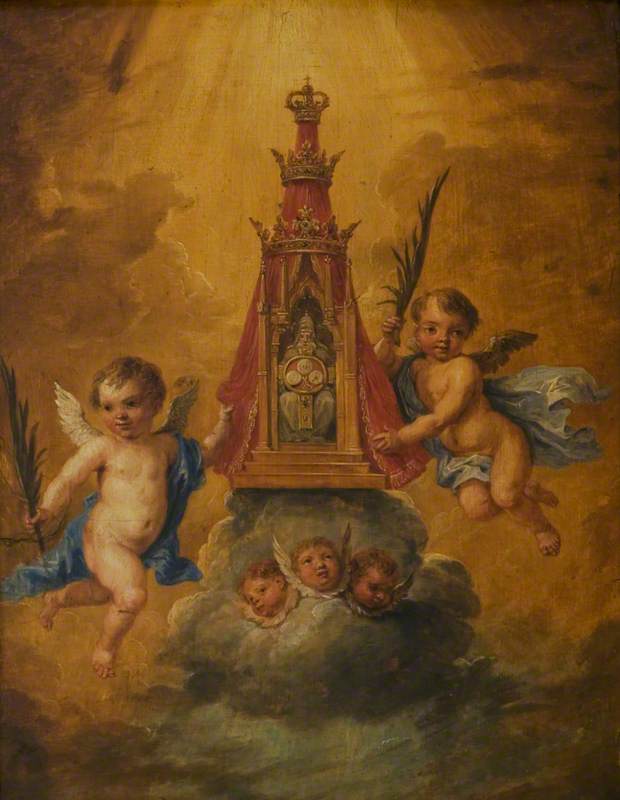
Two Angels Holding a Shrine
 Acrylic On Canvas
- WallArt
- Baroque
 38.0 x 31.0 cm
 The National Trust For Scotland
 Ver más
Reproducción al óleo hecha a mano
Óleo sobre lienzo pintado a mano en el tamaño y marco de su elección, realizado por encargo por nuestros artistas. ( Comprar impresión Comprar imagen)




P118B $10

P118H $10

P118W $10

P438Z $10

P508JH $12

P508YH $12

P805H $10

P805Z $10

P919BZ $10

P919G $10

P919XJ $10

P959ZH $10

P968JZ $12

W106C $8

W218G $10

W218JH $8

W218Y $10

W307PJ $10

W316G $10

W316PJ $8

W316Y $10

W398PJ $8

W4111J $10

W500HY $15

W500JH $15

W692G $12

W849H $8

W940BG $15

W953PJ $8




Elija entre nuestros tamaños predefinidos que respetan las proporciones originales de la obra.

Puede ingresar sus propias dimensiones para adaptarse a un marco o espacio específico. Si el tamaño seleccionado no coincide con las proporciones de la imagen original, recortaremos la obra o extenderemos la pintura con elementos adicionales pintados a mano. Se le enviará una maqueta digital para su aprobación antes de comenzar la producción.
Tenga en cuenta que la vista previa en pantalla no refleja el recorte o la extensión reales. Solo la maqueta mostrará con precisión la composición final.
Si bien existen tamaños personalizados, recomendamos seleccionar una dimensión de la lista predefinida para preservar las proporciones originales.
Tras realizar el pedido, el equipo de ArtsDot.com enviará un correo electrónico al cliente para solicitar instrucciones y proporcionarle una vista previa del boceto.
Envío a todo el mundo () en 3-4 semanas en lugar de las 5 semanas estándar. (1 septiembre). Sin comprometer la calidad.

Envío exprés gratuito a todo el mundo

Lienzo de lino de alta calidad

Seguro de envío total

Garantía de reembolso de impuestos aduaneros

Garantía de fidelidad cromática exacta

Política de devolución de 60 días (solo por defectos)

Garantía de devolución del 100% del dinero

Descuento por cantidad
 La opción de vidrio solo está disponible en tamaños inferiores a 110 cm.

Two Angels Holding a Shrine
Técnica de reproducción
Dimensiones de la reproducción
-


Precio total final
$ 263
Two Angels Holding a Shrine – A Window into Baroque Flanders
David Teniers the Younger’s “Two Angels Holding a Shrine” is more than just a visually arresting depiction of religious devotion; it's a vibrant snapshot of 17th-century Antwerp, brimming with detail and imbued with the spirit of the burgeoning Baroque era. Painted around 1640, this work transports us to a world where faith and daily life intertwined seamlessly, reflected in the artist’s masterful blend of realism and symbolic richness. The painting immediately draws the eye to the central shrine, a miniature architectural marvel adorned with a golden crown – a potent symbol of divine authority and earthly power. Two angels, rendered with an almost palpable sense of serenity and grace, flank this focal point, their gestures suggesting reverence and guardianship.
Teniers’ skill lies not just in his technical proficiency but also in his ability to capture the atmosphere of a specific time and place. The composition is meticulously balanced, drawing upon principles established by Renaissance masters while simultaneously embracing the dynamism characteristic of Baroque art. Notice the subtle play of light and shadow, creating depth and volume within the scene. The artist’s use of color is particularly noteworthy – rich reds, deep blues, and shimmering golds contribute to a sense of opulence and grandeur, yet are tempered by earthy tones that ground the image in reality.
The Artist's Hand: Technique and Style
David Teniers the Younger was a remarkably versatile artist, adept at working across a diverse range of genres. “Two Angels Holding a Shrine” exemplifies his mastery of genre painting – a style characterized by its focus on everyday life and human interaction. However, this work transcends mere realism; it’s infused with a distinctly Baroque sensibility. Teniers employed the technique of *alla prima*, applying paint directly to the canvas in loose, expressive brushstrokes, creating a sense of immediacy and spontaneity. The details are astonishing: from the intricate folds of the angels' robes to the delicate carvings on the shrine, every element is rendered with painstaking precision.
Furthermore, Teniers’ background as a copyist of Old Master works profoundly influenced his style. He skillfully adapted techniques and compositional strategies learned from earlier masters, while imbuing them with his own unique vision. The influence of Peter Paul Rubens, who served as a mentor to Anna Brueghel (Teniers' wife), is particularly evident in the painting’s dynamic energy and dramatic use of color. The composition echoes elements found in Rubens’ works, demonstrating Teniers’ deep respect for and assimilation of his predecessor’s artistic legacy.
Symbolism and Context: A Window into 17th-Century Antwerp
“Two Angels Holding a Shrine” is deeply rooted in the religious and cultural context of 17th-century Antwerp. During this period, the city was a major center for art production, attracting artists from across Europe. The painting reflects the prevalent piety and artistic fervor of the era, as well as the close relationship between religion and daily life. The shrine itself represents a sacred space – a miniature temple dedicated to divine worship. The angels, acting as guardians, symbolize protection and guidance.
Beyond its religious significance, the painting offers insights into the social customs and material culture of Antwerp. The presence of a clock at the bottom left corner suggests an awareness of time and the importance of scheduling. The bird near the top right hints at nature’s beauty and connection to the divine. These seemingly minor details contribute to a richer understanding of the scene, revealing the artist's keen observation of his surroundings.
A Timeless Masterpiece: Reproduction and Legacy
Today, “Two Angels Holding a Shrine” stands as a testament to David Teniers the Younger’s artistic genius. Reproductions offer an accessible way to experience this captivating work of art, bringing its beauty and symbolism into homes and galleries worldwide. When commissioning a hand-painted reproduction, consider the scale and materials carefully to ensure that it captures the essence of the original painting. The vibrant colors, intricate details, and evocative atmosphere will undoubtedly transport you back to 17th-century Antwerp, allowing you to appreciate the artistry and cultural significance of this remarkable masterpiece.
Obras relacionadas
Biografía del artista
David Teniers el Joven: Vida y Legado
Primeros Años y Orígenes Familiares
- Nacido: Amberes, Bélgica, 15 de diciembre de 1610.
- David Teniers el Joven provenía de una familia profundamente arraigada en la tradición artística de Flandes. Su padre, David Teniers el Viejo, también era pintor, y varios de sus hermanos siguieron carreras artísticas.
- Formación: Inicialmente estudió bajo la tutela de su padre, recibiendo formación fundamental en técnicas y estilos pictóricos.
- La familia enfrentó dificultades financieras en ocasiones, lo que llevó a David joven a realizar copias de pinturas de maestros antiguos para contribuir al sustento familiar.
Desarrollo Artístico e Influencias
- Primeras Influencias: Su obra temprana estuvo fuertemente influenciada por el estilo de su padre, centrándose en pinturas de gabinete a menor escala. También absorbió influencias de otros maestros flamencos como Pieter Bruegel el Viejo.
- Impacto de Rubens: Un momento crucial en el desarrollo de Teniers llegó a través de su asociación con Peter Paul Rubens. Se casó con Anna Brueghel, hija de Jan Brueghel el Viejo, y Rubens fue testigo en su boda, estableciendo una estrecha relación.
- Especialización en Género: Teniers se especializó gradualmente en la pintura de género – representaciones de la vida cotidiana – convirtiéndose en renombrado por sus vívidas escenas de festivales campesinos (kermesses), interiores de tabernas y paisajes rurales.
Obras Principales y Estilo Artístico
- Escenas de Género: Sus obras más celebradas son sus pinturas de género. Estas a menudo representan escenas bulliciosas de la vida campesina llenas de alegría, baile, bebida y juegos.
- Pinturas de Kermess: La serie “Flemish Kermess” ejemplifica su estilo – colores vibrantes, composiciones detalladas y una aguda observación del comportamiento humano.
- Pintura de Paisaje: Teniers también produjo encantadores paisajes, a menudo incorporando figuras dedicadas a actividades rurales.
- Interiores de Taberna: Sus escenas de taberna son particularmente notables por su realista representación de la vida cotidiana y el ambiente animado dentro de estos establecimientos.
Pintor de la Corte y Curador
- Servicio al Archiduque Leopoldo Guillermo: El talento de Teniers ganó reconocimiento en la corte Habsburgo. Se convirtió en pintor de la corte y curador para el Archiduque Leopoldo Guillermo, Gobernador General de los Países Bajos españoles.
- Gestión de Colecciones: Como curador, fue responsable de gestionar la extensa colección de arte del archiduque, creando un inventario y catalogando las obras.
- Fundación de la Academia de Amberes: Teniers jugó un papel crucial en el establecimiento de la Academia de Bellas Artes de Amberes, con el objetivo de revitalizar la pintura flamenca después de un período de declive tras las muertes de Rubens y Van Dyck.
Significado Histórico y Legado
- Principal Pintor de Género: David Teniers el Joven es considerado el principal pintor flamenco de género de su época, capturando la esencia de la vida del siglo XVII con notable habilidad.
- Influencia en Artistas Posteriores: Su obra influyó en generaciones posteriores de pintores del norte de Europa e incluso impactó a artistas rococó franceses como Antoine Watteau.
- Producción Prolífica: Teniers fue un artista increíblemente prolífico, produciendo una vasta cantidad de trabajo que continúa siendo admirado por su encanto, detalle y perspicacia histórica.
- Muerte: Falleció en Amberes el 25 de abril de 1690, dejando atrás un legado duradero como uno de los pintores barrocos más importantes de Flandes.
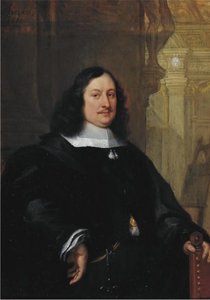
David Teniers el Joven
1610 - 1690 , Bélgica
Datos clave
- Artistas Que Influyeron:
- Peter Paul Rubens
- Pieter Bruegel el Viejo
- Estilo Artístico: Barroco
- Fecha De Muerte: 25 de abril de 1690
- Fecha De Nacimiento: 15 de diciembre de 1610
- Influenció A Artistas: ['Antoine Watteau']
- Lugar De Nacimiento: Amberes, Bélgica
- Nacionalidad: Flamenco
- Nombre Completo: David Teniers el Joven
- Obras Notables:
- Dos borrachos
- Escena de aldea
- Escena de cocina
- Kermesse flamenca
Artículos relacionados
David Teniers the Younger: Genre Painting & Social Commentary in Baroque Flanders
Explore the captivating world of David Teniers the Younger, a leading Flemish Baroque painter. Discover his genre scenes, social commentary, and lasting influence on 17th-century art. Learn about his life, techniques & legacy.
David Teniers II: Master of Flemish Genre & Social Commentary
Explore the captivating world of David Teniers II, a leading Flemish Baroque painter renowned for his lively genre scenes & insightful social commentary. Discover his masterpieces and legacy with ArtsDot.
Celestial Messengers: Angels in Painting – A Historical & Artistic Exploration
Explore the captivating history of angels in painting! Discover symbolism, iconic Renaissance & Byzantine masterpieces, and renowned artists. Expert insights for art lovers & collectors at ArtsDot.
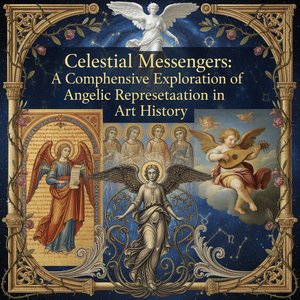
Celestial Messengers: A Comprehensive Exploration of Angelic Representation in Art History
Explore the captivating history of angels in art! Discover symbolism, iconic Renaissance masterpieces & renowned artists. Expert insights for art lovers & collectors at ArtsDot.

The Dramatic Flourish: Exploring the Baroque Movement's Enduring Legacy in Art History
Explore the dramatic world of Baroque art! Discover iconic artists like Caravaggio & Rubens, defining techniques, and its lasting impact on art history. Expert insights for collectors & enthusiasts at ArtsDot.