

 Ver en contexto
 Enviar
 Compartir
 Detalles

 Descargar
 Similares
 Radiografía
 Presentación de diapositivas
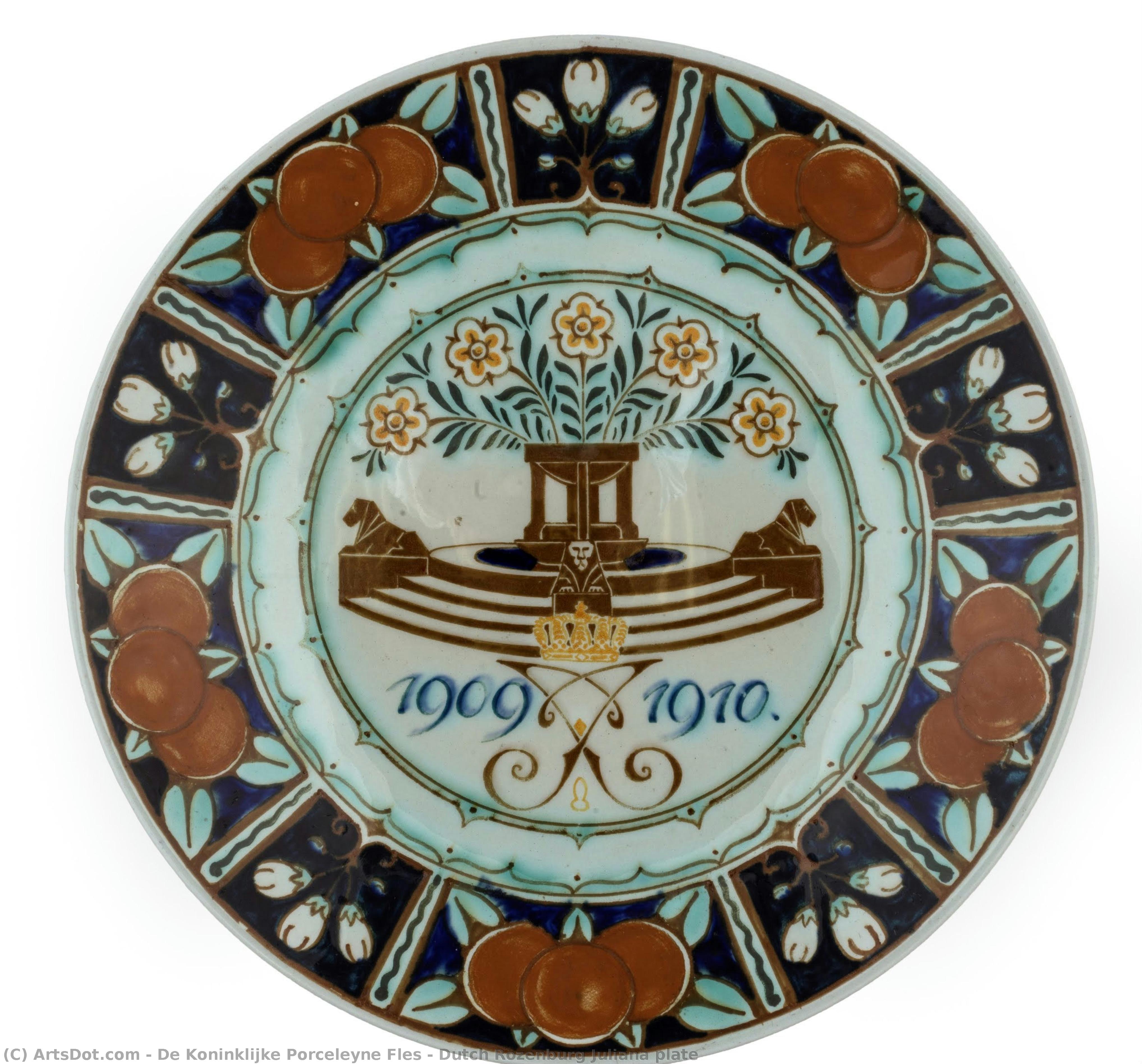
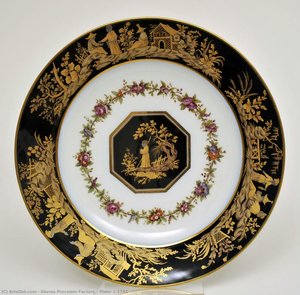
Dutch Rozenburg Juliana plate
 1910
1910 25.0 x 5.0 cm
 Museos de la Universidad de Pretoria
 Ver más
Giclée / Impresión de arte
Impresiones giclée o en lienzo de calidad de museo con producción rápida y opciones de acabado flexibles. ( Comprar pintura hecha a mano Comprar imagen)




































Elija entre nuestros tamaños predefinidos que respetan las proporciones originales de la obra.

Puede introducir sus propias dimensiones para adaptarse a un marco o espacio específico. Si el tamaño seleccionado no coincide con las proporciones de la imagen original, recortaremos la obra de arte o extenderemos la imagen con un borde con efecto espejo o de color sólido. Se enviará una maqueta digital para su aprobación antes de que comience la producción.
Tenga en cuenta que la vista previa en pantalla no refleja el recorte o la extensión real. Solo la maqueta mostrará con precisión la composición final.
Aunque existen tamaños personalizados, recomendamos seleccionar una dimensión de la lista predefinida para preservar las proporciones originales.
Envío a todo el mundo () en 2 semanas en lugar de las 4/5 semanas estándar. (5 septiembre)

Envío exprés gratuito a todo el mundo

Lienzo de lino de alta calidad

Seguro de envío total

Garantía de reembolso de impuestos aduaneros

Garantía de fidelidad cromática exacta

Política de devolución de 60 días (solo por defectos)

Garantía de devolución del 100% del dinero

Descuento por cantidad
 La opción de vidrio solo está disponible en tamaños inferiores a 110 cm.

Dutch Rozenburg Juliana plate
Giclée / Impresión de arte
Dimensiones de la reproducción
-


Precio total final
$ 62
Obras relacionadas





Biografía del artista
De Koninklijke Porceleyne Fles: The Last Bastion of Delftware Tradition
For over 360 years, De Koninklijke Porceleyne Fles (Royal Delft) has stood as the sole surviving factory from a once vibrant cohort of Delftware producers established during the Dutch Golden Age. Founded in 1653 by David Anthonisz van der Pieth amidst the burgeoning fascination with Chinese porcelain – a phenomenon that dramatically reshaped European artistic tastes – this institution represents not merely commercial success but an unbroken lineage of craftsmanship dedicated to preserving a uniquely Dutch heritage. Its enduring presence speaks volumes about the power of tradition and the ability to adapt while retaining core values. Early Years & The Rise of Delftware: The genesis of De Koninklijke Porceleyne Fles coincided with an unprecedented influx of Chinese porcelain into Europe, sparking a debate within Dutch artistic circles regarding how best to emulate this exotic beauty. Recognizing the limitations of imitation, David Anthonisz van der Pieth championed a bold strategy: to cultivate Delftware production locally. This decision proved pivotal, establishing Delft as a center for decorative arts and cementing its reputation for exquisite blue and white ceramics. The arrival of porcelain challenged Dutch artists to reconsider their aesthetic sensibilities, prompting them to seek new forms of artistic expression that honored their heritage while embracing innovation. Recognizing the difficulty in replicating the intricate designs and luminous glaze of Chinese porcelain, Van der Pieth’s foresight ensured Delftware would continue to flourish as a distinctive art form. A Legacy of Artistic Innovation: From its inception, De Koninklijke Porceleyne Fles embraced the challenge of mastering tin-glazed earthenware – a technique painstakingly developed over centuries. Artists like Leonaert Bramer skillfully blended Dutch landscape painting with Delftware decoration, creating stunning visual narratives that captured the spirit of their time. These artists meticulously recreated scenes from the Dutch countryside—rolling hills dotted with windmills and serene waterways reflecting the azure sky—transforming Delftware into more than just ceramic; it became a medium for conveying profound artistic ideas. Later masters such as Roy Lichtenstein and Harmen Steenwijck continued this tradition, experimenting with bold colors and graphic styles while maintaining the fundamental principles of Delftware craftsmanship. Their innovative approach reinvigorated Delftware’s visual language, demonstrating its adaptability to new artistic movements and cementing its place in art history. The Royal Patronage & Modernization: In 1919, a momentous honor bestowed upon De Koninklijke Porceleyne Fles – the royal endorsement – solidified its position as a national treasure. Recognizing the importance of safeguarding Dutch artistic heritage, King Willem III granted permission to incorporate “Koninklijke” (Royal) into the company’s name, symbolizing gratitude for its unwavering commitment to preserving Delftware traditions. This patronage ensured continued investment in research and development, propelling De Koninklijke Porceleyne Fles into the 20th century with a renewed focus on quality and innovation. The royal seal served as an emblem of excellence, reinforcing the factory’s reputation for upholding artistic standards while embracing technological advancements. Contemporary Significance & Artistic Influence: Today, De Koninklijke Porceleyne Fles remains a globally recognized manufacturer of Delftware, celebrated for its meticulous attention to detail and adherence to time-honored techniques. Its exquisite creations are highly sought after by collectors eager to own pieces of Dutch history and artistry. The enduring appeal of Delft blue – a color derived from cobalt oxide – transcends cultural boundaries and evokes images of serene landscapes and timeless elegance. Artists worldwide draw inspiration from Delftware’s aesthetic principles, demonstrating its lasting impact on artistic expression. Its influence can be seen in diverse mediums, from ceramics to textiles to graphic design, underscoring the enduring legacy of this remarkable art form. Important Information: Explore ArtsDot.com for a comprehensive overview of De Koninklijke Porceleyne Fles’s history and artistic achievements.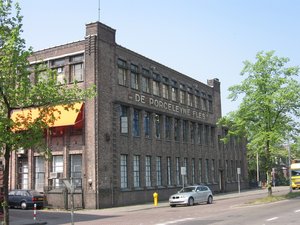
De Koninklijke Porceleyne Fles
Países Bajos
Datos clave
- Artistic Movement Or Style: Dutch Golden Age
- Artists Or Movements Influenced By This Artist: ['Leonaert Bramer']
- Artists Who Influenced This Artist: ['Chinese Porcelain Manufacturers']
- Full Name: David Anthonisz van der Pieth
- Nationality: Dutch
- Notable Artworks:
- Pictorial Plates
- Hunting Scenes
- Place Of Birth: Delft, Netherlands

