

 Ver en contexto
 Enviar
 Compartir
 Detalles

 Descargar
 Similares
 Radiografía
 Presentación de diapositivas
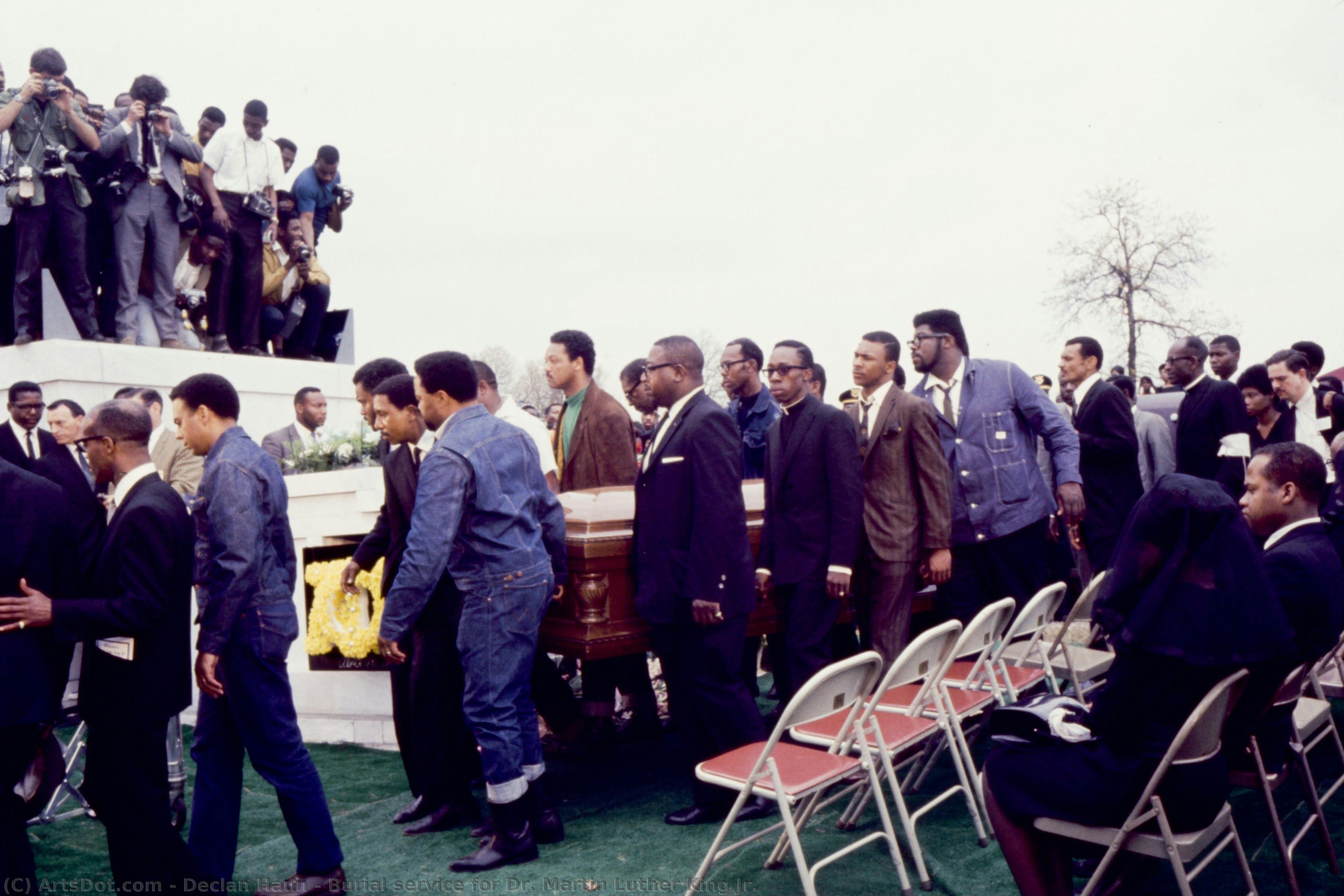
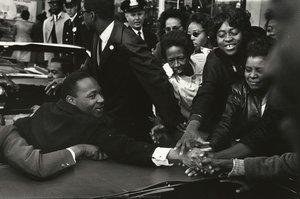
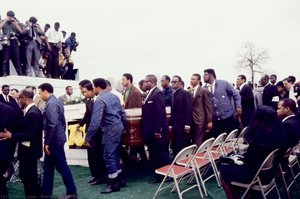
Burial service for Dr. Martin Luther King Jr.


 Ver más
Reproducción al óleo hecha a mano
Óleo sobre lienzo pintado a mano en el tamaño y marco de su elección, realizado por encargo por nuestros artistas. ( Comprar impresión Comprar imagen)




































Elija entre nuestros tamaños predefinidos que respetan las proporciones originales de la obra.

Puede ingresar sus propias dimensiones para adaptarse a un marco o espacio específico. Si el tamaño seleccionado no coincide con las proporciones de la imagen original, recortaremos la obra o extenderemos la pintura con elementos adicionales pintados a mano. Se le enviará una maqueta digital para su aprobación antes de comenzar la producción.
Tenga en cuenta que la vista previa en pantalla no refleja el recorte o la extensión reales. Solo la maqueta mostrará con precisión la composición final.
Si bien existen tamaños personalizados, recomendamos seleccionar una dimensión de la lista predefinida para preservar las proporciones originales.
Tras realizar el pedido, el equipo de ArtsDot.com enviará un correo electrónico al cliente para solicitar instrucciones y proporcionarle una vista previa del boceto.
Envío a todo el mundo () en 3-4 semanas en lugar de las 5 semanas estándar. (25 agosto). Sin comprometer la calidad.

Envío exprés gratuito a todo el mundo

Lienzo de lino de alta calidad

Seguro de envío total

Garantía de reembolso de impuestos aduaneros

Garantía de fidelidad cromática exacta

Política de devolución de 60 días (solo por defectos)

Garantía de devolución del 100% del dinero

Descuento por cantidad
 La opción de vidrio solo está disponible en tamaños inferiores a 110 cm.

Burial service for Dr. Martin Luther King Jr.
Técnica de reproducción
Dimensiones de la reproducción
-


Precio total final
$ 263
Obras relacionadas



Biografía del artista
The Lens of History: The Life and Legacy of Declan Haun
To look through the lens of Declan Haun is to witness the raw, unvarnished pulse of twentieth-century America. Born in 1937, Haun did not merely observe history; he captured its most turbulent and transformative breaths. His journey began in the earnest atmosphere of the Charlotte Observer in 1958, where a young, meticulous eye first learned to translate the complexities of the American South into visual narratives. This early period of journalistic apprenticeship instilled in him a profound respect for the truth found in the spontaneous moment—a quality that would later define his legendary career as one of the era's most vital visual storytellers.
As the 1960s unfolded, Haun’s trajectory shifted toward the urban intensity of Chicago, a move that expanded his canvas from the segregated landscapes of the South to the socio-political crucible of the North. This relocation in 1963 marked the beginning of an era of unparalleled prolificacy. His work became a bridge between the local and the global, as he collaborated with the world's most prestigious photographic institutions. Through the pages of Life, National Geographic, Time, and The Saturday Evening Post, Haun brought the visceral reality of the Civil Rights Movement, political upheavals, and urban struggles into the living rooms of millions, turning distant news into intimate human experiences.
A Master of Graphic Reduction and Visual Truth
What set Haun apart from his contemporaries was not merely the subjects he chose, but the profound aesthetic philosophy he applied to them. He moved away from the cluttered, overly descriptive styles of traditional photojournalism, instead embracing a technique known as graphic reduction. By stripping away unnecessary embellishments and focusing on powerful, stark compositions, he allowed the emotional weight of his subjects to resonate with greater clarity. Through careful printing processes, he achieved a sense of permanence and gravity, where every shadow and highlight served to underscore the truth of the moment.
This stylistic precision reached its zenith during his influential tenure as the Photo Editor at National Geographic from 1976 to 1982. In this role, Haun was not just a creator but a curator of the world's visual narrative, shaping how an entire generation perceived global culture and geography. His commitment to excellence continued at Smithsonian Magazine, where he maintained his dedication to high-impact storytelling. Whether documenting the solemnity of Dr. Martin Luther King Jr.’s burial or the chaotic energy of a Chicago street uprising, Haun’s work remained anchored in a pursuit of what he called the profound emotion and truth found within the frame.
The Enduring Impact of a Visual Witness
Beyond his editorial triumphs, Declan Haun left an indelible mark on the art of photography through his dedication to education and entrepreneurship. By establishing Odyssey Communications and teaching the next generation of photographers, he ensured that his philosophy of observant, impactful storytelling would endure long after his passing in 1994. His vast archive, preserved by institutions such as the Chicago History Museum, serves as a monumental testament to his life's work—a collection of thousands of images that act as a visual heartbeat for an era defined by struggle and change.
The significance of Haun’s contribution can be summarized through several key pillars of his career:
- Documentary Excellence: His ability to capture the high-stakes tension of the Civil Rights Movement, from the 1963 March on Washington to the local struggles in the American South.
- Editorial Leadership: His transformative influence as a Photo Editor for the world's most iconic magazines, setting standards for visual excellence.
- Aesthetic Innovation: The development of a graphic, reduced style that prioritized emotional impact and clarity over decorative detail.
- Historical Preservation: The creation of an immense photographic record that continues to serve as a primary source for understanding 20th-century American social history.
declan haun
1937 - 1994 , United States of America
Datos clave
- Artistic Movement Or Style: Graphic Photography
- Date Of Death: 1994
- Full Name: Declan Haun
- Nationality: American
- Notable Artworks:
- Anti-Civil Rights demonstrators
- Burial service for Dr. Martin Luther King Jr.
- Place Of Birth: United States of America

