Menú
Ver en contextoVer en contexto Vista previa en RAVista previa en RA Cambiar a Impresión Cambiar a ImpresiónComprar pintura hecha a mano Comprar pintura hecha a mano EnviarEnviar
DetallesDetalles Añadir a favoritos Añadir a favoritos DescargarDescargar SimilaresSimilares RadiografíaRadiografía Presentación de diapositivasPresentación de diapositivas EstadísticasEstadísticas

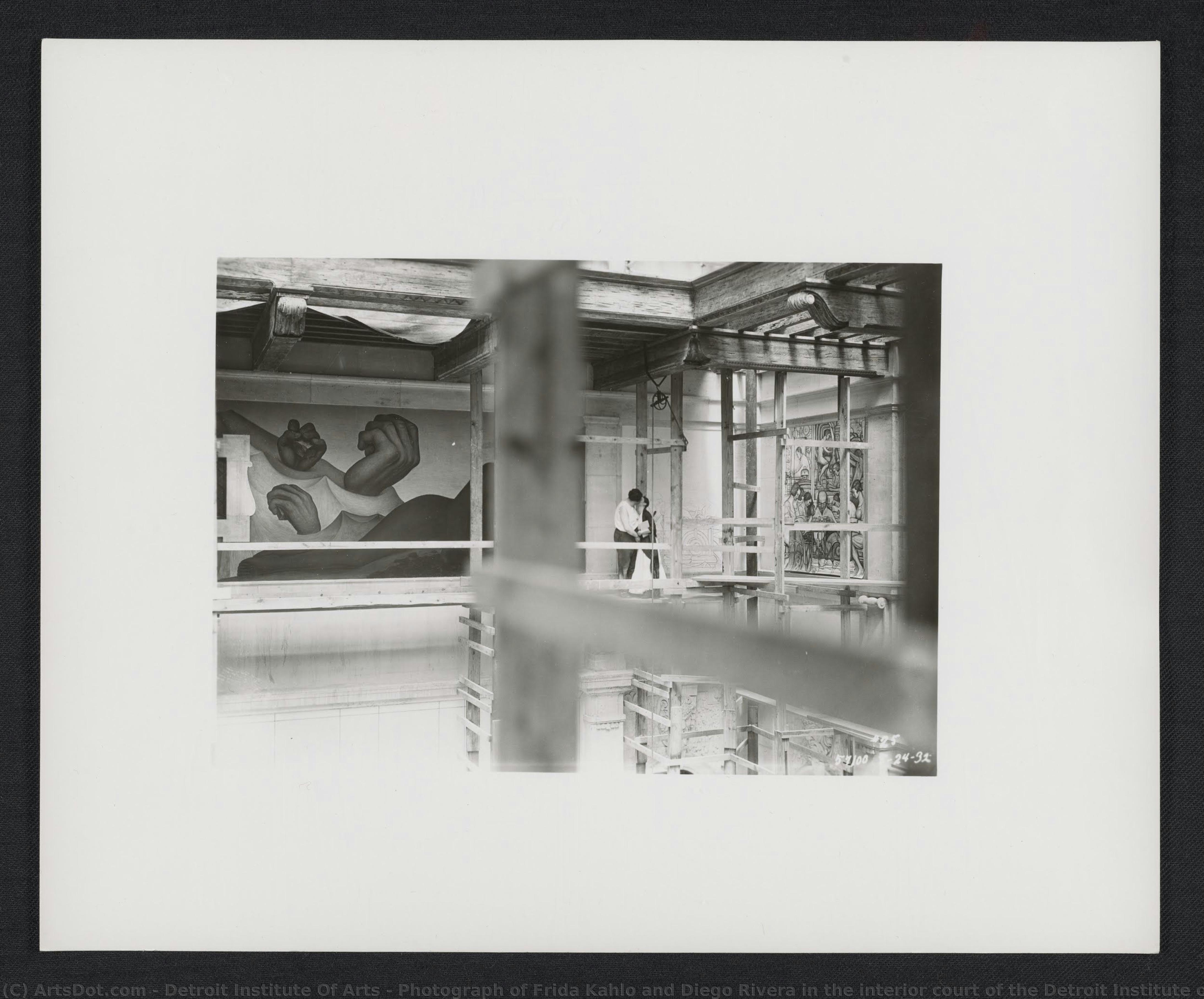
Photograph of Frida Kahlo and Diego Rivera in the interior court of the Detroit Institute of Arts

The Detroit Institute of Arts is renowned for its diverse collection spanning centuries and cultures, including Diego Rivera's Detroit Industry Murals and a world-class holdings of European paintings—discover masterpieces and hidden gems within its walls.

Adquiera una imagen digital de alta resolución y optimizada, muy superior a la vista previa en línea.

Cada archivo es preparado meticulosamente por nuestros especialistas internos mediante el uso de herramientas avanzadas y un experto retoque manual. Nos aseguramos de que cada imagen posea una claridad excepcional, una precisión cromática impecable y un detalle minucioso.

El archivo final se entrega por correo electrónico en un plazo de 72 horas, optimizado para su uso inmediato en entornos profesionales, editoriales y de impresión. Esta es la misma calidad en la que confían los estudios de diseño, las editoriales y las galerías de primer nivel.

Imagen Digital

Descarga un archivo de alta resolución para exhibición personal, impresión y proyectos creativos. (Cambiar a Impresión Cambiar a ImpresiónComprar pintura hecha a mano Comprar pintura hecha a mano)

Precio total

$ 24,00

Incluido en cada pedido de imágenes digitales

Entrega digital experta, garantizada.

Al elegir ArtsDot.com, no solo está adquiriendo una imagen; está recibiendo una obra de arte digital mejorada profesionalmente, elaborada con precisión y respaldada por una garantía de satisfacción. Esto es todo lo que incluye su pedido, automáticamente:

shipping_icon
Entrega rápida por email

Recibirá su archivo de imagen digital en alta resolución por correo electrónico en un plazo de 72 horas tras realizar su pedido, listo para su uso inmediato.

canvas_icon
Archivo digital optimizado por IA

Su obra de arte se optimiza profesionalmente mediante herramientas avanzadas de IA y edición manual, garantizando el máximo detalle, claridad y precisión cromática.

insurance_icon
Reenvío gratuito de por vida

¿Has borrado o perdido tu archivo por error? No te preocupes: te lo volveremos a enviar en cualquier momento, sin coste adicional.

tax_icon
Sin gastos de importación, siempre

Disfrute de su obra de arte al instante sin aduanas, aranceles ni gastos de envío; las descargas digitales siempre están libres de impuestos.

color_icon
Garantía de fidelidad de color

Garantizamos que su imagen digital refleje los colores originales con la mayor fidelidad posible, mediante el uso de herramientas profesionales y gestión del color.

return_icon
Garantía de satisfacción de 100 días

Si no está satisfecho con su imagen digital, la revisaremos o le reembolsaremos el 100% en un plazo de 100 días, sin preguntas.

guarantee_icon
100% Garantía de devolución de dinero

¿No está satisfecho? Obtenga un reembolso completo dentro de los 100 días posteriores a la recepción de su archivo digital, sin preguntas.

discount_icon
Descuentos por pedidos grandes

Compra 3 imágenes, ahorra 10% - Compra 5, ahorra 15% - Compra 10+, ahorra 20%. Ideal para proyectos creativos, galerías y agencias.


Biografía del artista

A Repository of Vision: The Detroit Institute of Arts

The Detroit Institute of Arts (DIA) is not a single artist, but rather a monumental testament to the power of collective artistic vision and preservation. Founded in 1885 as the Detroit Museum of Art, its history mirrors the evolution of the city itself – from industrial boomtown to cultural hub, facing periods of prosperity and profound challenge. To speak of the DIA is to speak of countless artists represented within its walls, but also of the institution’s unique role as a champion of accessibility and community engagement, particularly during times of social upheaval. Its story isn't one of individual creation, but of curatorial dedication, civic responsibility, and the enduring belief in art’s capacity to transform lives.

Early Foundations and the Rise of a Collection

The initial impetus for the museum stemmed from a desire amongst Detroit’s leading citizens to establish a cultural institution comparable to those found in Europe. Early acquisitions focused on plaster casts of classical sculptures, providing educational resources for local artists and fostering an appreciation for European artistic traditions. However, under the guidance of pioneering curators like William H. Goodyear, the collection quickly diversified. Goodyear, recognizing the importance of representing a broader range of styles and cultures, actively sought out works from medieval Europe, Asia, and Indigenous American communities. This early commitment to inclusivity laid the groundwork for the DIA’s remarkably diverse holdings today. The museum's relocation in 1927 to its current Beaux-Arts building on Woodward Avenue marked a significant turning point, providing ample space to showcase an expanding collection and attract a wider audience.

The ‘Art for the People’ Legacy: A Response to Crisis

Perhaps the most defining chapter in the DIA's history unfolded during the Great Depression. As unemployment soared and social unrest gripped Detroit, Mayor Frank Murphy envisioned art as a means of providing both employment and solace. He secured funding through the Works Progress Administration (WPA) to commission murals for public buildings – notably, the iconic *Detroit Industry Murals* by Diego Rivera. This ambitious project, completed in 1933-34, wasn’t merely about beautifying spaces; it was a radical act of social intervention. Rivera's frescoes depicted the dynamism and complexities of Detroit’s automotive industry, celebrating the labor force while also acknowledging the inherent tensions within industrial capitalism. The *Detroit Industry Murals* became – and remain – a powerful symbol of the DIA’s commitment to “art for the people,” accessible to all regardless of socioeconomic status. This period cemented the museum's role as a vital community resource, offering not just aesthetic pleasure but also a platform for social commentary and civic dialogue.

A Global Perspective: Expanding Horizons

Following World War II, the DIA continued to expand its collection through strategic acquisitions and generous donations. The museum’s holdings of African art became particularly renowned, thanks in large part to the efforts of curator Nima Smith, who championed the importance of recognizing the artistic achievements of diverse cultures often overlooked by Western institutions. Similarly, significant additions were made to the collections of Asian art, European paintings, and contemporary works. Today, the DIA boasts over 65,000 artworks spanning five millennia, representing a truly global perspective on human creativity. The museum’s commitment extends beyond simply acquiring objects; it actively engages in research, conservation, and education, ensuring that its collection remains accessible to scholars, students, and the public for generations to come.

The DIA Today: A Beacon of Cultural Resilience

In 2013, facing financial challenges during Detroit’s bankruptcy, the DIA became a central figure in the city's recovery efforts. The museum offered its collection as collateral to help restructure the city’s debt, demonstrating an extraordinary commitment to civic responsibility. This decision sparked intense debate but ultimately secured the future of both the museum and the city itself. Today, the DIA continues to thrive as a vibrant cultural institution, attracting visitors from around the world. Its exhibitions are renowned for their scholarly rigor and accessibility, its educational programs serve diverse communities, and its collection remains a powerful testament to the enduring power of art to inspire, challenge, and connect us all. The Detroit Institute of Arts stands not just as a repository of artistic masterpieces, but as a symbol of resilience, community engagement, and the transformative potential of cultural heritage.