

 Ver en contexto
 Enviar
 Compartir
 Detalles

 Descargar
 Similares
 Radiografía
 Presentación de diapositivas
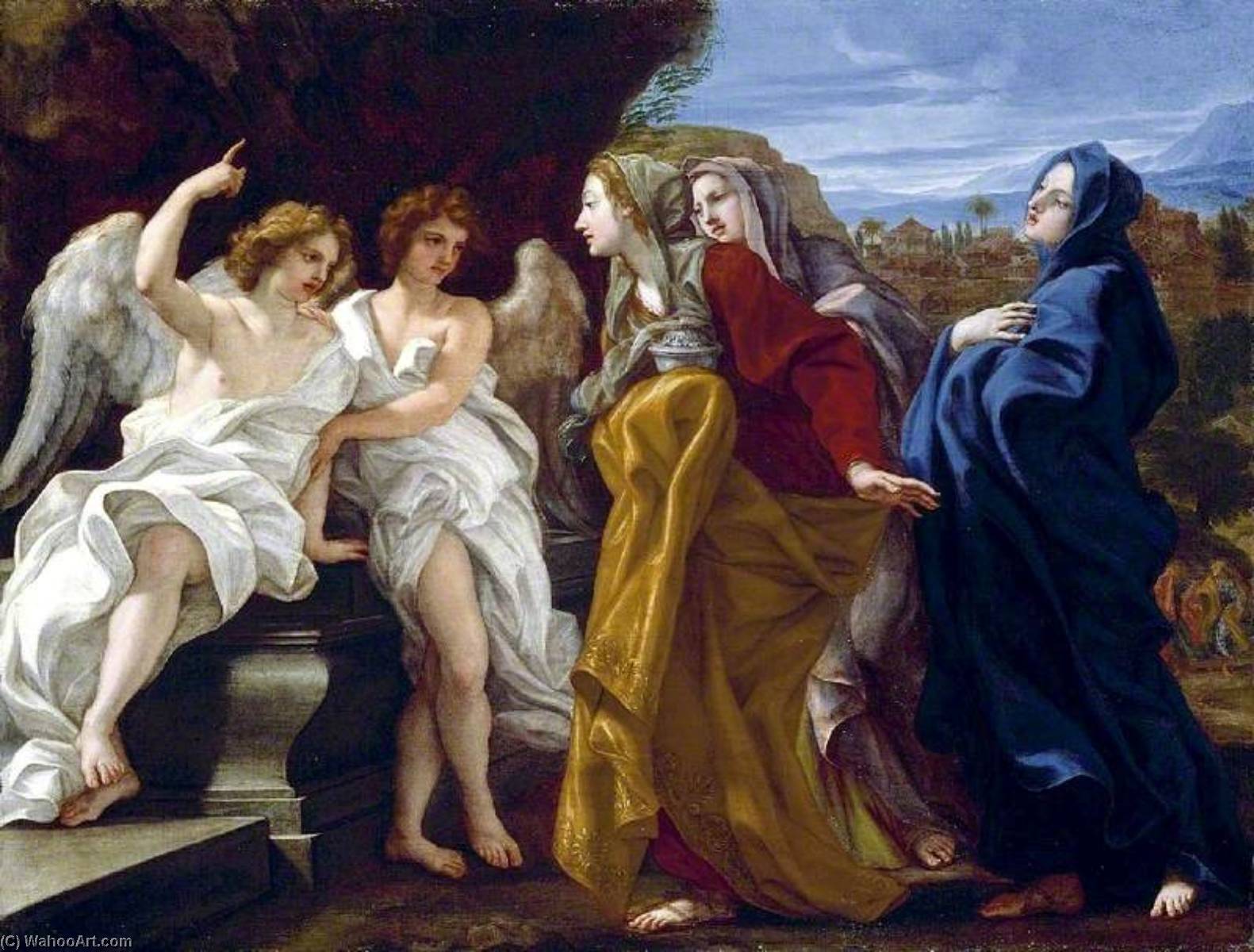
The Three Marys at the Sepulchre
 Oil
Oil- WallArt
- Baroque
 1685
1685- Early Modern
 87.0 x 113.0 cm
 Fitzwilliam College
 Ver más
Adquiera una imagen digital de alta resolución y optimizada, muy superior a la vista previa en línea.
Cada archivo es preparado meticulosamente por nuestros especialistas internos mediante el uso de herramientas avanzadas y un experto retoque manual. Nos aseguramos de que cada imagen posea una claridad excepcional, una precisión cromática impecable y un detalle minucioso.
El archivo final se entrega por correo electrónico en un plazo de 72 horas, optimizado para su uso inmediato en entornos profesionales, editoriales y de impresión. Esta es la misma calidad en la que confían los estudios de diseño, las editoriales y las galerías de primer nivel.
Imagen Digital
Descarga un archivo de alta resolución para exhibición personal, impresión y proyectos creativos. ( Comprar impresión Comprar pintura hecha a mano)
Incluido en cada pedido de imágenes digitales
Entrega digital experta, garantizada.
Al elegir ArtsDot.com, no solo está adquiriendo una imagen; está recibiendo una obra de arte digital mejorada profesionalmente, elaborada con precisión y respaldada por una garantía de satisfacción. Esto es todo lo que incluye su pedido, automáticamente:

Entrega rápida por email
Recibirá su archivo de imagen digital en alta resolución por correo electrónico en un plazo de 72 horas tras realizar su pedido, listo para su uso inmediato.

Archivo digital optimizado por IA
Su obra de arte se optimiza profesionalmente mediante herramientas avanzadas de IA y edición manual, garantizando el máximo detalle, claridad y precisión cromática.

Reenvío gratuito de por vida
¿Has borrado o perdido tu archivo por error? No te preocupes: te lo volveremos a enviar en cualquier momento, sin coste adicional.

Sin gastos de importación, siempre
Disfrute de su obra de arte al instante sin aduanas, aranceles ni gastos de envío; las descargas digitales siempre están libres de impuestos.

Garantía de fidelidad de color
Garantizamos que su imagen digital refleje los colores originales con la mayor fidelidad posible, mediante el uso de herramientas profesionales y gestión del color.

Garantía de satisfacción de 60 días
Si no está satisfecho con su imagen digital, la revisaremos o le reembolsaremos el 100% en un plazo de 60 días, sin preguntas.

100% Garantía de devolución de dinero
¿No está satisfecho? Obtenga un reembolso completo dentro de los 60 días posteriores a la recepción de su archivo digital, sin necesidad de explicaciones.

Descuentos por pedidos grandes
Compra 3 imágenes, ahorra 10% - Compra 5, ahorra 15% - Compra 10+, ahorra 20%. Ideal para proyectos creativos, galerías y agencias.
A Divine Encounter: The Radiance of the Three Marys
In the profound stillness of the early morning, The Three Marys at the Sepulchre captures a moment of transcendent revelation. This masterpiece by the Baroque virtuoso Giovanni Battista Gaulli, known affectionately as Baciccio, invites the viewer into a sacred space where the earthly and the celestial collide. The scene unfolds around the empty tomb, a site of immense theological significance, where three women—the holy Marys—gather in a state of profound contemplation. One figure gestures toward the miraculous void left by the Resurrection, her movement guiding our eyes through the composition, while her companions bow their heads in reverence. The presence of ethereal angels, drifting like soft clouds on the periphery, elevates the narrative from a mere historical event to a cosmic phenomenon, enveloping the viewer in an atmosphere of awe and spiritual awakening.
The artistry of Baciccio is nowhere more evident than in his masterful command of chiaroscuro and theatrical illusionism. Drawing deeply from the influence of his mentor, Gian Lorenzo Bernini, Gaulli employs a dramatic interplay of light and shadow to sculpt the figures within the frame. The light does not merely illuminate; it sanctifies, cascading over the heavy, flowing robes of the women and catching the delicate, translucent wings of the celestial messengers. His technique creates a sense of depth that feels almost architectural, as if the painting itself were a window into a divine dimension. For the discerning collector or interior designer, this work offers more than just visual beauty; it provides a focal point of immense gravity, capable of anchoring a room with its sophisticated use of color and light.
Beyond its technical brilliance, the painting serves as a profound meditation on faith and the unexpected nature of miracles. The composition is carefully balanced to evoke a sense of movement and emotional resonance, transitioning from the heavy, grounded reality of the stone sepulchre to the weightless grace of the angelic beings. This tension between the physical and the spiritual makes the piece an enduring icon of the Baroque era. To possess a high-quality reproduction of this work is to bring a piece of Rome's golden age into one's personal sanctuary, offering a constant source of inspiration and a window into the sublime beauty of religious history.
Obras relacionadas

Biografía del artista
Giovanni Battista Gaulli (Detto Baciccio): Architect of Illusion
Giovanni Battista Gaulli, affectionately known as detto baciccio – “the little painter” – stands as a towering figure in the Baroque artistic landscape. Born in Genoa around 1639, his formative years were steeped in the intellectual ferment of the Renaissance and early Baroque, shaping him into an artist profoundly influenced by the monumental achievements of Gian Lorenzo Bernini. While biographical details remain somewhat elusive, Gaulli’s dedication to mastering his craft quickly propelled him toward prominence within Rome's artistic circles.Early Training and Artistic Style
Gaulli’s artistic education centered around Bernini’s atelier, absorbing the principles of theatrical illusionism and sculptural grandeur that would define his distinctive style. This influence is palpable in his approach to painting – specifically, his masterful manipulation of color and light to create breathtaking visual experiences. Unlike many contemporaries who favored meticulous realism, Gaulli embraced a technique characterized by dramatic contrasts and vibrant hues, prioritizing emotional impact over photographic accuracy. He skillfully employed chiaroscuro—the interplay between light and shadow—to sculpt forms within the canvas, mirroring Bernini’s sculptural prowess. This deliberate disregard for strict naturalism was not merely stylistic preference; it represented a fundamental shift toward conveying spiritual fervor and grandeur through visual means – a hallmark of Baroque art itself.Notable Works: Frescoes of St. Agnes
Gaulli's fame rests primarily on his monumental frescoes adorning the Basilica di San Pietro in Montorio in Rome – particularly the Chapel of St. Agnes. Commissioned by Cardinal Scipione Borghese, this ambitious project showcased Gaulli’s unparalleled ability to execute illusionistic vault paintings that defied conventional perspective. The chapel depicts the ascension of Saint Agnes into heaven, a scene rendered with astonishing detail and imbued with palpable spiritual fervor. The fresco's central dome portrays Christ descending from Heaven to receive Agnes, surrounded by angels and saints—a breathtaking spectacle of color and movement designed to inspire awe and devotion. This masterpiece cemented Gaulli’s reputation as one of Rome’s foremost illusionistic painters. The sheer scale of the undertaking demanded a masterful command of technique, resulting in an image that transcends mere representation; it strives to transport viewers into the realm of divine majesty.Beyond St. Agnes: Expanding Horizons
While St. Agnes remains his most celebrated achievement, Gaulli continued to produce significant works throughout his career. He undertook commissions for churches across Rome, including the Cappella Sistina in Santa Maria Maggiore and the Basilica di San Giovanni Laterano, demonstrating versatility and adaptability within the Baroque aesthetic. His frescoes in these spaces further solidified his mastery of illusionistic techniques and showcased his commitment to conveying profound religious narratives with dramatic visual power. Furthermore, Gaulli’s architectural designs complemented his artistic endeavors, contributing to the grandeur and splendor of several Roman churches. He was instrumental in shaping the visual landscape of Rome during his lifetime, leaving an indelible mark on Baroque architecture and art history.Legacy and Influence
Giovanni Battista Gaulli's legacy extends far beyond his individual artworks. He served as a pivotal figure in shaping the Baroque aesthetic, establishing a precedent for ambitious illusionistic painting that would inspire generations of artists. His influence can be discerned in subsequent Baroque painters who sought to emulate his dramatic color palettes and masterful use of chiaroscuro. Gaulli’s work continues to captivate audiences today, serving as a testament to the enduring power of artistic vision and technical skill—a true embodiment of the Baroque spirit. He remains an exemplar of how art could elevate the human experience, transporting viewers into realms of emotion and spiritual contemplation.
Giovanni Battista Gaulli (Detto Baciccio)
1639 - 1709
Breves datos
- Artistic Movement Or Style: Barroco
- Artists Who Influenced This Artist: ['Gian Lorenzo Bernini']
- Date Of Birth: Mayo 8, 1639
- Full Name: Giovanni Battista Gaulli
- Nationality: Italiano
- Notable Artworks:
- Ascensión de Santa Agata
- Capilla Sistina
- Basílica San Giovanni Laterano
- Place Of Birth: Genoa, Italia

