

 Ver en contexto
 Enviar
 Compartir
 Detalles

 Descargar
 Similares
 Radiografía
 Presentación de diapositivas
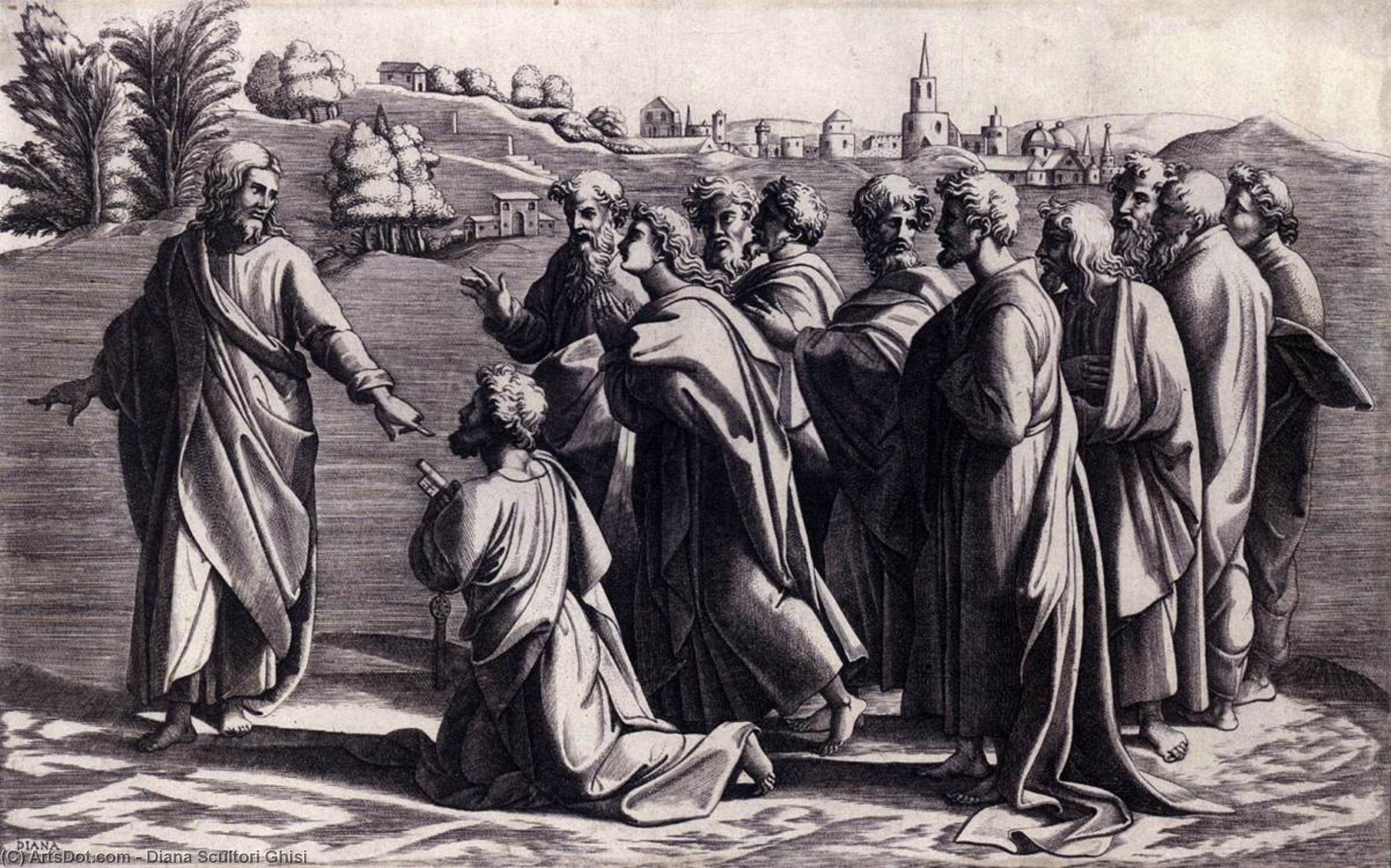
Christ Making Peter Head of the Church
 Engraving
- Renaissance engraving
 1570
1570 407.0 x 560.0 cm
 Galería Nacional de Arte
 Ver más
Reproducción al óleo hecha a mano
Óleo sobre lienzo pintado a mano en el tamaño y marco de su elección, realizado por encargo por nuestros artistas. ( Comprar impresión Comprar imagen)




P118B $10

P118H $10

P118W $10

P438Z $10

P508JH $12

P508YH $12

P805H $10

P805Z $10

P919BZ $10

P919G $10

P919XJ $10

P959ZH $10

P968JZ $12

W106C $8

W218G $10

W218JH $8

W218Y $10

W307PJ $10

W316G $10

W316PJ $8

W316Y $10

W398PJ $8

W4111J $10

W500HY $15

W500JH $15

W692G $12

W849H $8

W940BG $15

W953PJ $8




Elija entre nuestros tamaños predefinidos que respetan las proporciones originales de la obra.

Puede ingresar sus propias dimensiones para adaptarse a un marco o espacio específico. Si el tamaño seleccionado no coincide con las proporciones de la imagen original, recortaremos la obra o extenderemos la pintura con elementos adicionales pintados a mano. Se le enviará una maqueta digital para su aprobación antes de comenzar la producción.
Tenga en cuenta que la vista previa en pantalla no refleja el recorte o la extensión reales. Solo la maqueta mostrará con precisión la composición final.
Si bien existen tamaños personalizados, recomendamos seleccionar una dimensión de la lista predefinida para preservar las proporciones originales.
Tras realizar el pedido, el equipo de ArtsDot.com enviará un correo electrónico al cliente para solicitar instrucciones y proporcionarle una vista previa del boceto.
Envío a todo el mundo () en 3-4 semanas en lugar de las 5 semanas estándar. (31 agosto). Sin comprometer la calidad.

Envío exprés gratuito a todo el mundo

Lienzo de lino de alta calidad

Seguro de envío total

Garantía de reembolso de impuestos aduaneros

Garantía de fidelidad cromática exacta

Política de devolución de 60 días (solo por defectos)

Garantía de devolución del 100% del dinero

Descuento por cantidad
 La opción de vidrio solo está disponible en tamaños inferiores a 110 cm.

Christ Making Peter Head of the Church
Técnica de reproducción
Dimensiones de la reproducción
-


Precio total final
$ 538
A Moment of Divine Appointment: Diana Scultori’s “Christ Making Peter Head of the Church”
Diana Scultori’s engraving, "Christ Making Peter Head of the Church," is more than just a depiction of a biblical scene; it's a meticulously crafted testament to Renaissance artistry and a profound meditation on faith, leadership, and divine authority. Created in 1570, this work transcends its historical context, offering viewers a glimpse into a pivotal moment in Christian theology – the very act through which Jesus bestowed upon Peter the role of head of the Church. The image, currently housed within the National Gallery of Art in Washington D.C., is a masterclass in restrained drama and symbolic resonance, achieved through Scultori’s exceptional skill as a reproductive engraver.
The scene unfolds with an almost startling intimacy. Christ, rendered with a serene dignity, extends his right hand towards Peter, who kneels in humble reverence before him. The composition is carefully balanced; Christ occupies the left side of the frame, radiating authority and grace, while Peter’s posture – bowed head, outstretched hands – embodies submission and trust. The surrounding figures—likely representing other apostles or disciples—are subtly integrated into the narrative, creating a sense of communal witness to this transformative event. The backdrop is not merely decorative; it's a carefully constructed landscape featuring trees and buildings, lending depth and atmosphere to the scene, suggesting both earthly reality and the divine realm.
The Art of Reproduction: Technique and Style
Scultori’s genius lies in her ability to faithfully reproduce the spirit of an original artwork – in this case, Raphael's celebrated tapestries commissioned for Pope Leo X. As a reproductive engraver, she didn’t strive for independent creation but rather sought to capture the essence of another artist’s vision with unparalleled precision. This is evident in the meticulous detail of the figures’ clothing, the subtle nuances of their facial expressions, and the realistic portrayal of the landscape. The engraving itself is executed using a technique known as drypoint, where lines are incised into a metal plate (typically copper or zinc) with a needle, creating a delicate tonal range. The plate is then inked and wiped to reveal only the engraved lines, resulting in a rich, velvety texture.
The use of chiaroscuro – the dramatic contrast between light and dark – is particularly striking. Strong shadows define the forms of the figures, emphasizing their physicality and creating a sense of depth. Scultori’s mastery of hatching and cross-hatching techniques further enhances this effect, building up tonal values with remarkable subtlety. The lines themselves are generally fine and controlled, contributing to the engraving's overall clarity and precision. This meticulous attention to detail speaks volumes about Scultori’s dedication to her craft and her profound understanding of artistic principles.
Symbolism and Spiritual Significance
Beyond its technical brilliance, “Christ Making Peter Head of the Church” is laden with symbolic meaning. The gesture of Christ extending his hand represents not merely an act of bestowal but a declaration of divine authority – the establishment of Peter as the leader of the nascent Christian community. Peter’s kneeling posture signifies humility and obedience, underscoring the importance of faith and submission to God's will. The scene resonates with themes of leadership, responsibility, and the transformative power of grace. It is a visual representation of a foundational moment in Christian history, capturing an event that continues to shape the beliefs and practices of millions worldwide.
A Legacy of Artistic Precision
Diana Scultori’s legacy extends far beyond this single engraving. She was one of the first known female printmakers of the Renaissance, a remarkable achievement considering the limited opportunities available to women in the art world at that time. Her work demonstrates her exceptional skill as an engraver and her ability to capture complex scenes with precision and elegance. Today, “Christ Making Peter Head of the Church” stands as a testament to Scultori’s artistic talent and her enduring contribution to the world of art. It is a powerful reminder of the beauty and depth that can be found within both religious iconography and masterful craftsmanship.
Obras relacionadas
Biografía del artista
Diana Scultori: Una Grabadora Renacentista Pionera
Vida Temprana y Orígenes Familiares
- Nacimiento: Aproximadamente en 1547 en Mantua, Italia.
- Familia de Artistas: Diana Scultori provenía de una familia profundamente arraigada en el mundo artístico. Su padre, Giovanni Battista Scultori (también conocido como Mantovano), era un escultor y grabador respetado que trabajaba junto a Giulio Romano en el Palazzo del Tè.
- Formación: Recibió su formación inicial en grabado de su padre, una práctica inusual para las mujeres durante el Renacimiento. Esta exposición temprana sentó las bases para su futura carrera.
Desarrollo Artístico e Influencias
- Influencias Tempranas: Más allá de su padre, Diana fue influenciada significativamente por Giulio Romano, cuyo estilo y temas aparecerían posteriormente en sus grabados.
- Estilo y Técnica: Scultori trabajó principalmente como grabadora reproductora, es decir, creaba grabados basados en obras de pintura, dibujos y esculturas existentes. Su habilidad residía en traducir fielmente estas obras al medio del grabado.
- Reconocimiento de Vasari: Ganó reconocimiento temprano cuando Giorgio Vasari mencionó su talento en la segunda edición de sus *Vidas de los Artistas* (1568), un importante reconocimiento para una artista mujer de esa época.
Vida en Roma y Matrimonio con Francesco da Volterra
- Traslado a Roma: En 1575, Diana se casó con el arquitecto Francesco da Volterra (también conocido como Capriani) y se trasladó con él a Roma.
- Astucia Empresarial: Una vez en Roma, utilizó hábilmente su comprensión del mundo artístico para promover la carrera de su esposo. Buscaba activamente oportunidades para él y aprovechaba sus propios talentos artísticos para apoyar sus esfuerzos.
- Privilegio Papal: Un momento crucial fue recibir un Privilegio Papal el 5 de junio de 1575. Esta autorización inusual permitió que ella produjera y vendiera legalmente sus grabados independientemente, protegiendo su obra de la reproducción no autorizada – un paso poco común para una mujer en ese momento.
Logros Principales y Producción Artística
- Enfoque en Grabado: Los grabados de Diana a menudo presentaban temas religiosos y mitológicos, frecuentemente basados en obras de Rafael, Giulio Romano y esculturas romanas antiguas.
- Grabados Arquitectónicos: Creó una serie de grabados que detallaban elementos arquitectónicos – capiteles de columnas, volutas, molduras – probablemente destinados a arquitectos y estudiantes. Estos demuestran su agudo ojo para el detalle y su comprensión de los principios del diseño.
- Firma y Fechado: Diana firmaba y fechaba consistentemente su obra, enfatizando su autoría y estableciendo un registro claro de su producción artística.
- Último Grabado Conocido: Su último grabado conocido data de 1588, sugiriendo que pudo haber cambiado su enfoque después de este punto, dedicándose potencialmente más a apoyar la carrera de su esposo o administrar asuntos familiares.
Significado Histórico y Legado
- Artista Femenina Pionera: Diana Scultori se erige como una de las primeras grabadoras femeninas documentadas, rompiendo barreras en un campo dominado por hombres.
- Contexto Renacentista: Su carrera refleja el cambiante panorama social del Renacimiento, donde las mujeres estaban obteniendo oportunidades limitadas pero cada vez mayores para dedicarse a los esfuerzos artísticos.
- Astucia Empresarial: No solo era una artista talentosa sino también una empresaria astuta que entendía cómo navegar en el mercado artístico y proteger sus intereses.
- Impacto Duradero: El trabajo de Diana Scultori proporciona información valiosa sobre las prácticas artísticas renacentistas, las técnicas de grabado y la vida de las artistas mujeres durante este período.
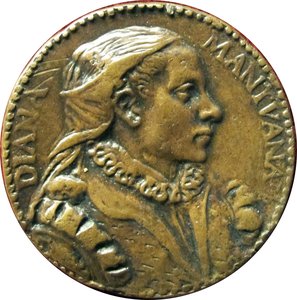
diana scultori ghisi
1547 - 1612 , Italia
Datos clave
- Artistic Movement Or Style: Renacimiento
- Artists Or Movements Influenced By This Artist: ['Renacimiento Italiano']
- Artists Who Influenced This Artist:
- Giovanni Battista Scultori
- Giulio Romano
- Date Of Birth: 1547
- Date Of Death: 1612
- Full Name: Diana Scultori Ghisi
- Nationality: Italiana
- Notable Artworks:
- Cristo y la Mujer Tomada en Adulterio
- Leto Dando a Luz a Apolo y Diana en la Isla de Delos
- Place Of Birth: Mantua, Italia
Artículos relacionados
Los 10 Grabados Legendarios que Transformaron la Historia del Arte | ArtsDot
Descubre los 10 grabados legendarios de Dürer, Rembrandt y Goya que revolucionaron el arte. Explora la historia, técnicas y belleza atemporal de estas obras maestras. Reproducciones de alta calidad en ArtsDot.com para decorar tu hogar con arte clásico.
Engraving: A Historical Survey of Technique, Artistic Expression & Enduring Legacy
Explore the rich history of engraving with ArtsDot. Discover techniques, iconic artists like Dürer & Callot, collecting tips, and expert guidance for preserving your art investment. Learn about intaglio printing & more!
Albrecht Dürer: Las 25 Obras Maestras del Renacimiento Alemán | ArtsDot
Descubre las 25 obras maestras de Albrecht Dürer, el genio del Renacimiento alemán. Explora grabados icónicos como 'Melancolía I' y aprende sobre su técnica innovadora. Encuentra reproducciones de arte de alta calidad para decorar tu hogar en ArtsDot.com.
El Intricado Mundo del Grabado: Técnica, Expresión y Legado Histórico
Descubre la fascinante historia del grabado calcográfico: técnicas ancestrales, maestros como Goya y su impacto en el arte y la ciencia. Guía experta para coleccionistas y amantes del arte.

Fra Angelico: Las 25 Obras Maestras del Renacimiento para Decorar con Arte y Fe
Descubre las 25 obras maestras de Fra Angelico, el pintor renacentista que llenó el arte sacro de luz y fe. Explora su técnica, simbolismo y belleza en frescos e iconos. Encuentra reproducciones de alta calidad para decorar tu hogar con ArtsDot.com.

