A Portrait Beyond Its Time: Unveiling David Wilkie Wynfield's Masterpiece
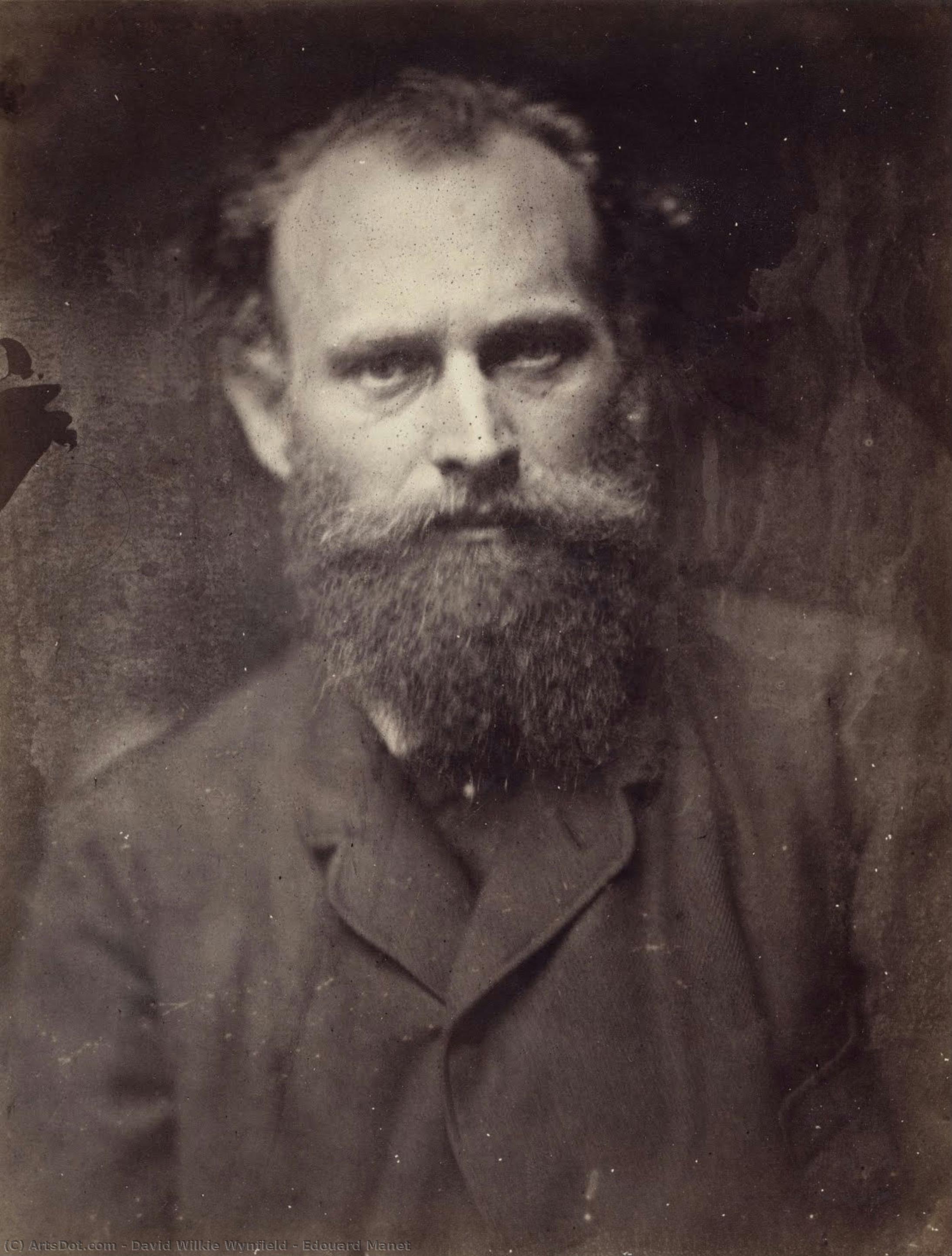
The photograph presented here, a remarkable achievement from 1868 by David Wilkie Wynfield, isn’t merely a portrait; it’s a carefully constructed dialogue between the past and present. Wynfield, a British painter and photographer deeply embedded in the St John's Wood Clique – a group of artists obsessed with recreating historical scenes – has produced an image that transcends simple representation. He doesn’t simply *paint* Manet; he captures a spirit, a gaze, and a subtle challenge to conventional artistic norms. The photograph, executed using a technique mimicking Old Master methods, is imbued with a dramatic intensity rarely seen in Victorian portraiture, hinting at the artist's profound understanding of light, shadow, and psychological depth.
Wynfield’s approach diverges sharply from the prevailing photographic styles of his era. He eschewed the sharp clarity and meticulous detail favored by many contemporary practitioners, instead embracing a softer focus, a deliberate blurring that evokes the hazy atmosphere of a painted portrait. This technique, combined with the use of long exposures – capturing fleeting movements within the sitter’s form – creates an effect both intimate and unsettling. The careful placement of light and dark areas in the background, contrasting sharply with the figure's profile, adds to this sense of drama, drawing the viewer’s eye directly to Manet’s intense expression.
The Figure of Manet: A Study in Contemplation
Edouard Manet himself is depicted with a remarkable intensity. His beard, meticulously rendered, frames a face etched with thoughtful contemplation – perhaps even a hint of defiance. His eyes, dark and piercing, hold a directness that challenges the viewer to engage with his presence. Wynfield’s choice to capture Manet in profile, a common pose in Old Master portraits, lends him an air of gravitas and authority. Yet, it's not simply a formal portrait; there’s a palpable sense of vulnerability beneath the surface, as if Manet is revealing something deeply personal.
The photograph’s composition further reinforces this duality. The stark contrast between light and shadow emphasizes the contours of Manet’s face, while the dark background serves to isolate him, drawing attention to his gaze. The use of a shallow depth of field – blurring the details in the periphery – creates a sense of intimacy, as if we are privy to a private moment. The photograph is not just a likeness; it's an attempt to capture the essence of Manet’s personality and artistic spirit.
A Legacy of Innovation: Wynfield’s Influence and Artistic Context
Wynfield’s work represents a fascinating intersection of historical revivalism and modern experimentation. He was deeply influenced by the St John's Wood Clique, whose fascination with classical antiquity and dramatic narratives shaped his artistic vision. However, he also possessed a keen awareness of contemporary art trends, particularly the burgeoning field of photography. His adoption of painterly techniques in his photographic portraits – mimicking the effects of oil paint and chiaroscuro – demonstrates a desire to transcend the limitations of traditional methods.
His collaboration with Julia Margaret Cameron, another pioneering photographer, further highlights Wynfield’s innovative spirit. He shared his experimental techniques with her, contributing significantly to the development of shallow-focus portraiture. The photograph itself stands as a testament to Wynfield's artistic skill and his willingness to challenge conventional boundaries. It is a poignant reminder that even within the constraints of Victorian society, artists could push the limits of their craft and create works of enduring beauty and significance.
Collecting the Echo: Reproductions and Artistic Resonance
Reproducing this extraordinary photograph offers an opportunity to experience Wynfield’s artistic vision firsthand. ArtsDot.com provides high-quality reproductions that capture the depth, texture, and dramatic intensity of the original image. Whether displayed in a grand salon or a smaller study, this portrait will serve as a captivating focal point, inviting contemplation and sparking conversation. It's more than just an image; it’s a window into a bygone era – a testament to the enduring power of art to transcend time and connect us with the past.