

 Vista previa
 Compartir
 Compartir
 Ver detalles

 Descargar
 Ver similares
 Radiografía
 Presentación de diapositivas
Edouard Manet


 Leer más
Reproducción al óleo hecha a mano
Óleo sobre lienzo pintado a mano en el tamaño y marco de su elección, realizado por encargo por nuestros artistas. ( Pedir impresión Comprar descarga)




P118B $10

P118H $10

P118W $10

P438Z $10

P508JH $12

P508YH $12

P805H $10

P805Z $10

P919BZ $10

P919G $10

P919XJ $10

P959ZH $10

P968JZ $12

W106C $8

W218G $10

W218JH $8

W218Y $10

W307PJ $10

W316G $10

W316PJ $8

W316Y $10

W398PJ $8

W4111J $10

W500HY $15

W500JH $15

W692G $12

W849H $8

W940BG $15

W953PJ $8




Elija entre nuestros tamaños predefinidos que respetan las proporciones originales de la obra.

Puede ingresar sus propias dimensiones para adaptarse a un marco o espacio específico. Si el tamaño seleccionado no coincide con las proporciones de la imagen original, recortaremos la obra o extenderemos la pintura con elementos adicionales pintados a mano. Se le enviará una maqueta digital para su aprobación antes de comenzar la producción.
Tenga en cuenta que la vista previa en pantalla no refleja el recorte o la extensión reales. Solo la maqueta mostrará con precisión la composición final.
Si bien existen tamaños personalizados, recomendamos seleccionar una dimensión de la lista predefinida para preservar las proporciones originales.
Tras realizar el pedido, el equipo de ArtsDot.com enviará un correo electrónico al cliente para solicitar instrucciones y proporcionarle una vista previa del boceto.
Envío a todo el mundo () en 3-4 semanas en lugar de las 5 semanas estándar. (22 agosto). Sin comprometer la calidad.

Envío exprés gratuito a todo el mundo

Lienzo de lino de alta calidad

Seguro de envío completo

Garantía de reembolso de aranceles aduaneros

Garantía de fidelidad cromática exacta

Política de devolución de 60 días (solo por defectos)

Garantía de devolución del 100% del dinero

Oferta por volumen
 La opción de vidrio solo está disponible en tamaños inferiores a 110 cm.

Edouard Manet
Técnica de reproducción
Tamaño de la reproducción
-


Precio total
$ 263
Descripción de la obra
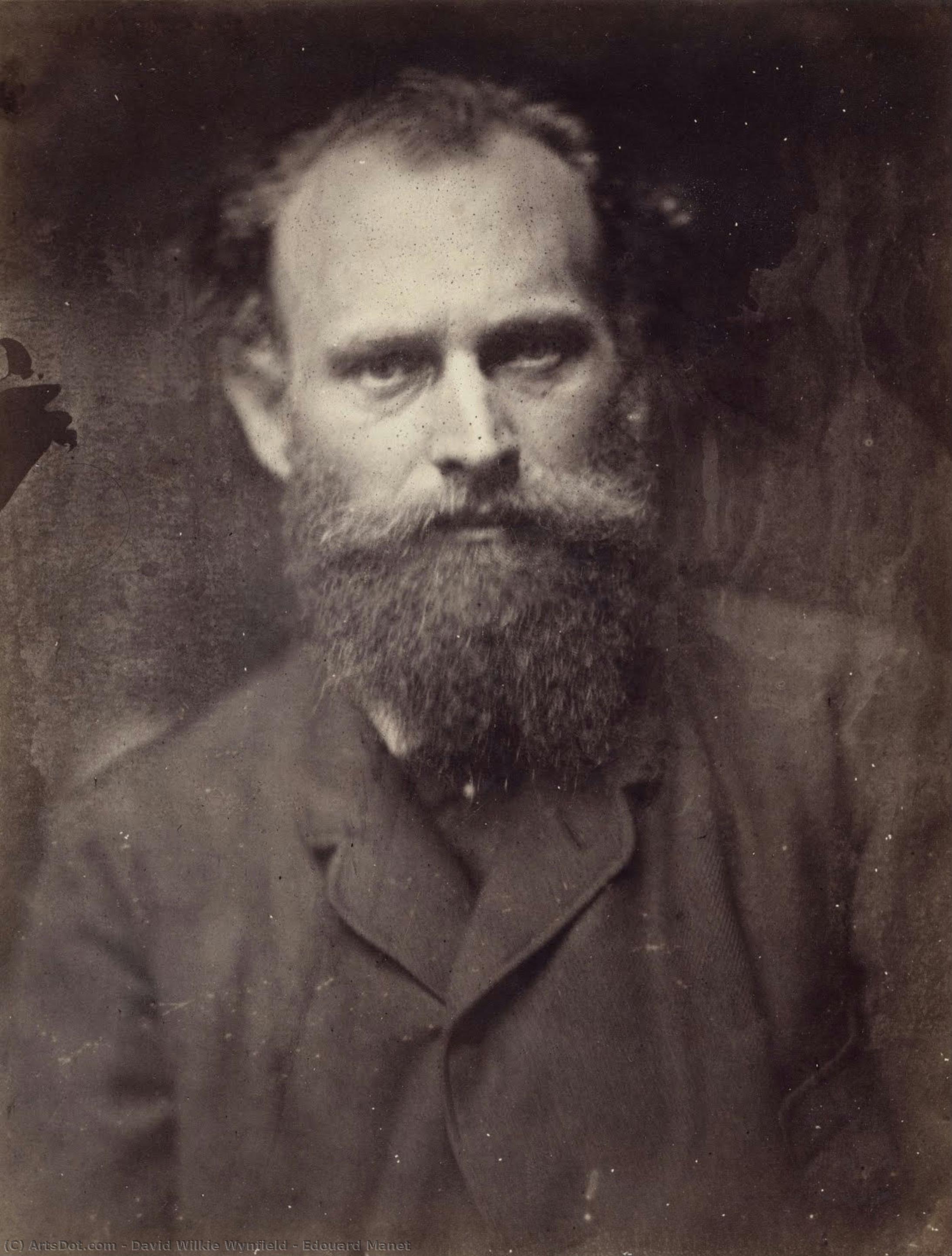
A Portrait Beyond Its Time: Unveiling David Wilkie Wynfield's Masterpiece
The photograph presented here, a remarkable achievement from 1868 by David Wilkie Wynfield, isn’t merely a portrait; it’s a carefully constructed dialogue between the past and present. Wynfield, a British painter and photographer deeply embedded in the St John's Wood Clique – a group of artists obsessed with recreating historical scenes – has produced an image that transcends simple representation. He doesn’t simply *paint* Manet; he captures a spirit, a gaze, and a subtle challenge to conventional artistic norms. The photograph, executed using a technique mimicking Old Master methods, is imbued with a dramatic intensity rarely seen in Victorian portraiture, hinting at the artist's profound understanding of light, shadow, and psychological depth.
Wynfield’s approach diverges sharply from the prevailing photographic styles of his era. He eschewed the sharp clarity and meticulous detail favored by many contemporary practitioners, instead embracing a softer focus, a deliberate blurring that evokes the hazy atmosphere of a painted portrait. This technique, combined with the use of long exposures – capturing fleeting movements within the sitter’s form – creates an effect both intimate and unsettling. The careful placement of light and dark areas in the background, contrasting sharply with the figure's profile, adds to this sense of drama, drawing the viewer’s eye directly to Manet’s intense expression.
The Figure of Manet: A Study in Contemplation
Edouard Manet himself is depicted with a remarkable intensity. His beard, meticulously rendered, frames a face etched with thoughtful contemplation – perhaps even a hint of defiance. His eyes, dark and piercing, hold a directness that challenges the viewer to engage with his presence. Wynfield’s choice to capture Manet in profile, a common pose in Old Master portraits, lends him an air of gravitas and authority. Yet, it's not simply a formal portrait; there’s a palpable sense of vulnerability beneath the surface, as if Manet is revealing something deeply personal.
The photograph’s composition further reinforces this duality. The stark contrast between light and shadow emphasizes the contours of Manet’s face, while the dark background serves to isolate him, drawing attention to his gaze. The use of a shallow depth of field – blurring the details in the periphery – creates a sense of intimacy, as if we are privy to a private moment. The photograph is not just a likeness; it's an attempt to capture the essence of Manet’s personality and artistic spirit.
A Legacy of Innovation: Wynfield’s Influence and Artistic Context
Wynfield’s work represents a fascinating intersection of historical revivalism and modern experimentation. He was deeply influenced by the St John's Wood Clique, whose fascination with classical antiquity and dramatic narratives shaped his artistic vision. However, he also possessed a keen awareness of contemporary art trends, particularly the burgeoning field of photography. His adoption of painterly techniques in his photographic portraits – mimicking the effects of oil paint and chiaroscuro – demonstrates a desire to transcend the limitations of traditional methods.
His collaboration with Julia Margaret Cameron, another pioneering photographer, further highlights Wynfield’s innovative spirit. He shared his experimental techniques with her, contributing significantly to the development of shallow-focus portraiture. The photograph itself stands as a testament to Wynfield's artistic skill and his willingness to challenge conventional boundaries. It is a poignant reminder that even within the constraints of Victorian society, artists could push the limits of their craft and create works of enduring beauty and significance.
Collecting the Echo: Reproductions and Artistic Resonance
Reproducing this extraordinary photograph offers an opportunity to experience Wynfield’s artistic vision firsthand. ArtsDot.com provides high-quality reproductions that capture the depth, texture, and dramatic intensity of the original image. Whether displayed in a grand salon or a smaller study, this portrait will serve as a captivating focal point, inviting contemplation and sparking conversation. It's more than just an image; it’s a window into a bygone era – a testament to the enduring power of art to transcend time and connect us with the past.
Obras relacionadas
Biografía del artista
Early Life and Artistic Beginnings
David Wilkie Wynfield (c. 1837 – 26 May 1887) emerged from a lineage steeped in artistic tradition, his father serving as an Indian Army officer and Sophia May Burroughes his second wife—a woman herself connected to the art world through her familial ties to Sir David Wilkie RA. Born in London, Wynfield’s formative years were shaped by exposure to both military discipline and the vibrant intellectual currents of Victorian society. Notably, he was a nephew of Sir David Wilkie RA, whose legacy would profoundly influence Wynfield's artistic sensibilities. Recognizing his innate talent early on, Wynfield enrolled at James Mathew Leigh’s art school in Newman Street in 1856, marking the commencement of his formal artistic education—a pivotal step toward realizing his ambitions as a painter.The St John’s Wood Clique and Romantic Vision
Wynfield swiftly joined the celebrated St John's Wood Clique, an influential group of artists who championed historical narratives and embraced romantic themes. This collective fostered a spirit of experimentation and collaboration, propelling Wynfield to explore landscapes and portraits set against the backdrop of medieval and Renaissance Europe. His paintings frequently depicted idealized figures engaged in dramatic scenes—a stylistic choice reflecting the broader artistic sensibilities of his time. The Clique’s commitment to capturing emotion and grandeur established Wynfield as a participant in a movement that sought to elevate art beyond mere representation, aiming instead for an immersive experience of beauty and imagination. He was particularly drawn to portraying historical subjects with meticulous detail and expressive brushwork—a stylistic hallmark of the era.Photography: Pioneering Shallow Focus
A transformative encounter with photography captivated Wynfield during the 1860s, sparking his fascination with this emerging medium. Recognizing its potential to emulate the painterly effects of Old Masters—a technique he meticulously honed—Wynfield developed a distinctive shallow-focus portrait photography method. This innovation wasn’t merely a technical accomplishment; it represented a conceptual leap—a deliberate effort to fuse artistic vision with photographic precision. Wynfield painstakingly studied the methods employed by masters like Rembrandt and Vermeer, adapting their techniques to the limitations of the camera while striving to preserve the emotional depth characteristic of traditional painting. He believed that photography could achieve something akin to “painterly illusion,” capturing not just visual likeness but also conveying a sense of atmosphere and psychological nuance—a bold assertion for his time. Wynfield’s photographic portraits gained considerable acclaim, culminating in the publication of *The Studio*, a groundbreaking book showcasing his portraits alongside those of fellow artists like Cameron and Millais. The resulting images captured not only likeness but also an elusive quality of mood and atmosphere—a testament to Wynfield’s mastery of both disciplines.Notable Achievements and Legacy
Wynfield's unwavering support for contemporary artists extended beyond his photographic work; he served on the committee of the Dudley Gallery in Piccadilly, fostering a thriving environment for artistic discourse and creativity. His enduring influence can be discerned in Cameron’s oeuvre—a testament to Wynfield’s ability to inspire and propel artistic progress. David Wilkie Wynfield remains an artist whose pioneering approach to portraiture continues to resonate with scholars and enthusiasts alike, securing his place as a cornerstone of Victorian art history. He died peacefully at Grove End Road in St John's Wood on May 26, 1887, leaving behind a legacy of artistic innovation and intellectual curiosity—a singular contribution to the cultural landscape of his era.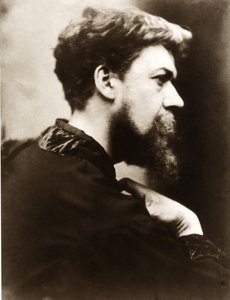
David Wilkie Wynfield
1887 , Reino Unido
Datos clave
- Artistic Movement Or Style: Pintura Victoriana; Fotografía con enfoque superficial
- Artists Or Movements Influenced By This Artist: ["El grupo St John's Wood"]
- Artists Who Influenced This Artist: ['Julia Margaret Cameron']
- Date Of Death: 1887
- Full Name: David Wilkie Wynfield
- Nationality: Británico
- Notable Artworks:
- El Estudio: Una colección de retratos fotográficos de artistas vivos...
- David Wilkie Wynfield
- Place Of Birth: Londres, Reino Unido
Artículos relacionados
Édouard Manet: Las 25 Obras Maestras del Impresionismo para Decorar tu Hogar con Arte
Descubre las 25 obras maestras de Édouard Manet, el rebelde del impresionismo. Explora su historia, técnica y significado en cada cuadro famoso. Reproducciones de arte de museo para decorar tu hogar con estilo. ¡Explora la colección completa en ArtsDot.com!
Sir David Wilkie: Narrative Detail & the Rise of Victorian Genre Painting
Explore the life & work of Sir David Wilkie, a pivotal figure in Victorian genre painting. Discover his narrative detail, social commentary, and lasting influence on 19th-century British art. Learn more at ArtsDot.

Monochrome Visions: Exploring the Aesthetic & Historical Significance of Black & White Photography
Explore the rich history & artistic power of black and white photography. From early techniques to iconic masters like Ansel Adams, discover why monochrome continues to captivate art lovers today. Expert insights for collectors.
Beyond the Lens: Photography's Enduring Influence on Modern & Contemporary Art
Explore photography's pivotal role in shaping modern & contemporary art. Discover key movements, influential artists like Stieglitz, and expert collecting advice from ArtsDot.

Pictorialismo: La Búsqueda del Alma de la Fotografía Artística – Estética, Técnicas y Legado
Descubre el Pictorialismo, un movimiento clave en la historia de la fotografía artística. Explora sus técnicas, figuras emblemáticas y su legado perdurable. Guía experta para coleccionistas y amantes del arte.

