 Ver en contexto
 Enviar
 Compartir
 Detalles

 Descargar
 Similares
 Radiografía
 Presentación de diapositivas
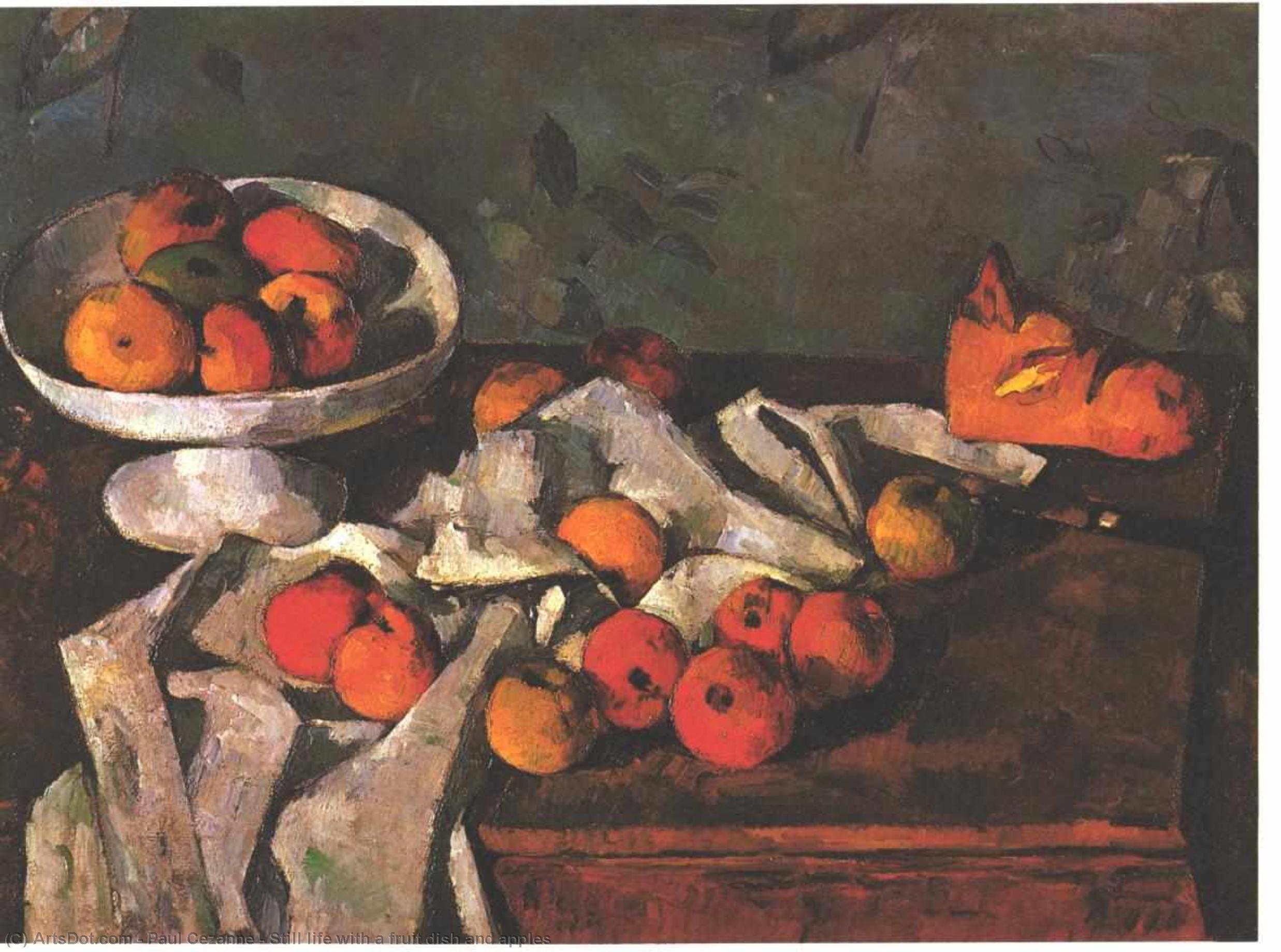
Still life with a fruit dish and apples


 Ver más
Reproducción al óleo hecha a mano
Óleo sobre lienzo pintado a mano en el tamaño y marco de su elección, realizado por encargo por nuestros artistas. ( Comprar impresión Comprar imagen)




P118B $10

P118H $10

P118W $10

P438Z $10

P508JH $12

P508YH $12

P805H $10

P805Z $10

P919BZ $10

P919G $10

P919XJ $10

P959ZH $10

P968JZ $12

W106C $8

W218G $10

W218JH $8

W218Y $10

W307PJ $10

W316G $10

W316PJ $8

W316Y $10

W398PJ $8

W4111J $10

W500HY $15

W500JH $15

W692G $12

W849H $8

W940BG $15

W953PJ $8




Elija entre nuestros tamaños predefinidos que respetan las proporciones originales de la obra.

Puede ingresar sus propias dimensiones para adaptarse a un marco o espacio específico. Si el tamaño seleccionado no coincide con las proporciones de la imagen original, recortaremos la obra o extenderemos la pintura con elementos adicionales pintados a mano. Se le enviará una maqueta digital para su aprobación antes de comenzar la producción.
Tenga en cuenta que la vista previa en pantalla no refleja el recorte o la extensión reales. Solo la maqueta mostrará con precisión la composición final.
Si bien existen tamaños personalizados, recomendamos seleccionar una dimensión de la lista predefinida para preservar las proporciones originales.
Tras realizar el pedido, el equipo de ArtsDot.com enviará un correo electrónico al cliente para solicitar instrucciones y proporcionarle una vista previa del boceto.
Envío a todo el mundo () en 3-4 semanas en lugar de las 5 semanas estándar. (31 agosto). Sin comprometer la calidad.

Envío exprés gratuito a todo el mundo

Lienzo de lino de alta calidad

Seguro de envío total

Garantía de reembolso de impuestos aduaneros

Garantía de fidelidad cromática exacta

Política de devolución de 60 días (solo por defectos)

Garantía de devolución del 100% del dinero

Descuento por cantidad
 La opción de vidrio solo está disponible en tamaños inferiores a 110 cm.

Still life with a fruit dish and apples
Técnica de reproducción
Dimensiones de la reproducción
-


Precio total final
$ 263
A Revolutionary Vision: The Life and Art of Paul Cézanne
Paul Cézanne remains an artist whose influence continues to resonate within the artistic landscape today. Born in Aix-en-Provence in 1839, he wasn’t initially recognized as a visionary; his path was marked by periods of uncertainty and rejection from critics who couldn't grasp the radical departure he represented from prevailing artistic trends. Yet, Cézanne persevered, driven by an unwavering devotion to capturing the essence of reality—a pursuit that would ultimately reshape modern art forever. His father’s initial occupation as a hatmaker evolved into a banking career, affording Cézanne a financial stability uncommon for aspiring artists and granting him invaluable freedom to dedicate himself wholly to his craft. Despite familial aspirations toward law, Cézanne succumbed to the irresistible allure of painting, establishing a lifelong commitment to artistic exploration. Early influences included Impressionism’s focus on fleeting light and color, shaping his initial approach before he embarked upon a transformative journey into Cubism.The Fruit Dish: A Study in Geometric Form
Georges Braque's "Fruit Dish," completed in 1908–1909, serves as a poignant illustration of Cézanne’s burgeoning impact on the artistic world. This painting—measuring 53 by 64 cm and housed at the Moderna Museet in Stockholm—immediately signals a shift away from Impressionistic ideals toward Cubist principles. Braque's depiction showcases apples, pears, a lemon, and perhaps a banana arranged within a fruit bowl upon a table surface. The composition isn’t merely observational; it actively dismantles traditional perspective, presenting fragmented planes of color that challenge viewers to reconstruct the image mentally—a technique directly inherited from Cézanne’s groundbreaking explorations into spatial representation. This deliberate fracturing reflects Cézanne's conviction that reality is not perceived as a unified whole but rather as a series of interconnected geometric forms.Cézanne's Influence: Beyond Observation
Paul Cézanne fundamentally altered the way artists approached depicting the world around them. He rejected the illusionistic techniques favored by Impressionists, prioritizing instead the underlying structure of objects—their contours and volumes—as perceived by the eye. This approach wasn’t merely stylistic; it represented a profound philosophical reconsideration of how we understand visual experience. Cézanne meticulously studied Cézanne's work, recognizing its significance in advancing Cubism alongside Picasso. He embraced Cézanne's method of analyzing objects into basic geometric shapes—cubes, cylinders, and spheres—a technique that would become central to the development of Cubist art. The resulting paintings are characterized by flattened surfaces and simplified forms, conveying a sense of stillness and contemplation rather than capturing transient moments in time.Symbolism Embedded Within Still Life
Still life paintings have long held a prominent place in artistic history, serving as vehicles for exploring themes of mortality, beauty, and the passage of time. Cézanne’s “Fruit Dish,” like many of his works, transcends mere representation—it invites viewers to contemplate deeper meanings beyond the surface appearance of the objects depicted. The fruit itself symbolizes fertility and abundance, reflecting the cyclical rhythms of nature. However, Cézanne's deliberate distortion of form underscores a more subtle message: that reality is inherently unstable and elusive. By presenting fragmented planes of color and geometric shapes, he compels us to confront the limitations of perception and to appreciate the beauty inherent in simplification.Emotional Resonance: A Quiet Intensity
Despite its apparent austerity—the muted palette and lack of dramatic movement—Cézanne’s “Fruit Dish” possesses a remarkable emotional resonance. The painting emanates a sense of quiet contemplation, inviting viewers to linger upon its surface and to engage with its underlying structure. Cézanne's masterful use of color contributes to this effect, creating harmonious blends that convey both warmth and serenity. More importantly, the artwork’s deliberate distortion of form communicates a profound awareness of the complexities of visual experience—a testament to Cézanne’s unwavering commitment to capturing the essence of reality in its most fundamental form. It stands as an enduring symbol of artistic innovation and intellectual rigor, continuing to inspire artists and collectors alike.Biografía del artista
vida temprana e influencias
paul cézanne, un pintor postimpresionista francés, nació el 19 de enero de 1839 en Aix-en-Provence, Francia. Su vida temprana estuvo marcada por una fuerte conexión con la empresa bancaria de su familia, lo que le proporcionó seguridad financiera. Esto le permitió concentrarse en sus aspiraciones artísticas sin la carga del estrés financiero. les nabis, neoimpresionismo y simbolismo influyeron en el trabajo temprano de Cézanne, que se caracterizó por su énfasis en las formas geométricas y una paleta de colores limitada. Su interés en las obras de paul gauguin y georges seurat fortaleció aún más su estilo postimpresionista.estilo artístico y técnicas
El uso innovador de Cézanne de los planos de color y pequeños trazos repetitivos creó campos complejos que transmitían su intenso estudio de los temas. Su enfoque a menudo exploratorio del arte condujo al desarrollo de un nuevo lenguaje pictórico, que enfatizaba la estructura subyacente de los objetos en una composición.- características clave:
- formas geométricas y facetado
- paleta de colores reducida
- énfasis en la esencia constructiva del mundo físico
- múltiples perspectivas y simultaneidad
- obras influyentes:
- el estanque de jas de bouffan (1880)
- retrato de emile zola (1866)
- bosque (1892)
- museos que exhiben el trabajo de Cézanne:
- museo marmottan monet en París, Francia
- el museo de bellas artes en Houston, Estados Unidos
legado e impacto
El trabajo pionero de Cézanne en el postimpresionismo allanó el camino para diversos movimientos vanguardistas, incluyendo cubismo, fauvismo y surrealismo. Su influencia se puede ver en las obras de pablo picasso, henri matisse y georges braque. El legado de Cézanne continúa inspirando a artistas y entusiastas del arte por igual, consolidando su lugar como una figura fundamental en la historia del arte moderno.- movimientos artísticos relacionados:
- vea las obras de Cézanne:
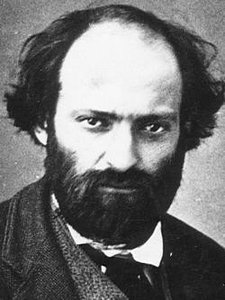
Paul Cézanne
1839 - 1906 , Francia
Datos clave
- Artistas Que Influyeron:
- Paul Gauguin
- Georges Seurat
- Estilo Artístico: Postimpresionismo
- Fecha De Muerte: Octubre 22, 1906
- Fecha De Nacimiento: 19 de enero de 1839
- Influenciado A Artistas:
- Pablo Picasso
- Henri Matisse
- Georges Braque
- Lugar De Nacimiento: Aix-en-Provence, Francia
- Nacionalidad: Francés
- Nombre Completo: Paul Cézanne
- Obras Notables:
- El estanque de Jas de Bouffan
- Retrato de Émile Zola
- Bosque
- Grandes Bañistas
Artículos relacionados
Georges Braque: Las 25 Obras Maestras del Cubismo y su Legado en el Arte Moderno
Descubre las 25 obras maestras de Georges Braque, pionero del cubismo. Explora su innovadora técnica, colores y el legado del arte moderno francés. Reproducciones de alta calidad en ArtsDot.com. ¡Encuentra tu inspiración!
Los 10 Retratos Cubistas Esenciales que Revolucionaron el Arte Moderno | ArtsDot
Descubre los 10 retratos cubistas esenciales de Picasso, Braque y otros maestros. Explora la historia, técnica y significado de este revolucionario movimiento artístico. Encuentra reproducciones de arte exclusivas en ArtsDot.com.
Los 10 Maestros del Cubismo: Obras que Revolucionaron el Arte | ArtsDot
Descubre los 10 lienzos cubistas que revolucionaron el arte moderno. Explora las obras maestras de Picasso, Braque y Gris en ArtsDot.com. Reproducciones de alta calidad para tu hogar.
Deconstruyendo la Identidad: El Retrato Cubista como Espejo del Siglo XX
Explora la fascinante historia del retrato cubista con ArtsDot. Análisis de Picasso, Braque, Dalí y más. Guía para coleccionistas exigentes e inversión en arte moderno.
Perspectivas Fragmentadas, Espacios Unificados: Integrando el Arte Inspirado en el Cubismo en el Diseño de Villas Modernas – Una Guía a la Innovación Estética y Consideraciones Legales
Descubre cómo integrar la innovadora estética cubista en el diseño de villas modernas. Guía experta con consejos prácticos, consideraciones legales y ejemplos inspiradores para crear espacios únicos y sofisticados.