 Ver en contexto
 Enviar
 Compartir
 Detalles

 Descargar
 Similares
 Radiografía
 Presentación de diapositivas
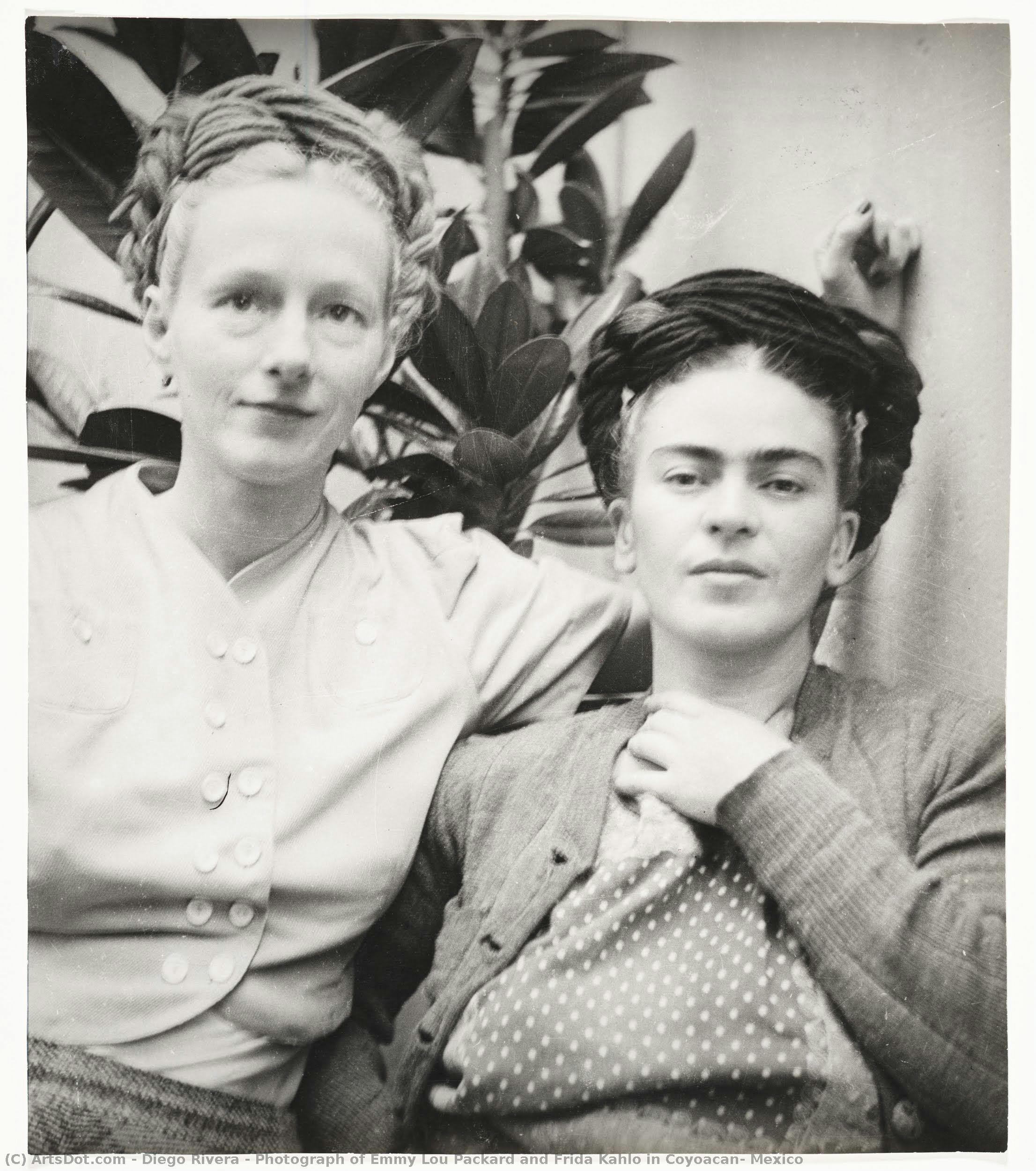
Photograph of Emmy Lou Packard and Frida Kahlo in Coyoacan, Mexico
 Acrylic On Canvas
- WallArt
 1941
1941 35.0 x 31.0 cm
 Archivos de Arte Americano
 Ver más
Reproducción al óleo hecha a mano
Óleo sobre lienzo pintado a mano en el tamaño y marco de su elección, realizado por encargo por nuestros artistas. ( Comprar impresión Comprar imagen)




P118B $10

P118H $10

P118W $10

P438Z $10

P508JH $12

P508YH $12

P805H $10

P805Z $10

P919BZ $10

P919G $10

P919XJ $10

P959ZH $10

P968JZ $12

W106C $8

W218G $10

W218JH $8

W218Y $10

W307PJ $10

W316G $10

W316PJ $8

W316Y $10

W398PJ $8

W4111J $10

W500HY $15

W500JH $15

W692G $12

W849H $8

W940BG $15

W953PJ $8




Elija entre nuestros tamaños predefinidos que respetan las proporciones originales de la obra.

Puede ingresar sus propias dimensiones para adaptarse a un marco o espacio específico. Si el tamaño seleccionado no coincide con las proporciones de la imagen original, recortaremos la obra o extenderemos la pintura con elementos adicionales pintados a mano. Se le enviará una maqueta digital para su aprobación antes de comenzar la producción.
Tenga en cuenta que la vista previa en pantalla no refleja el recorte o la extensión reales. Solo la maqueta mostrará con precisión la composición final.
Si bien existen tamaños personalizados, recomendamos seleccionar una dimensión de la lista predefinida para preservar las proporciones originales.
Tras realizar el pedido, el equipo de ArtsDot.com enviará un correo electrónico al cliente para solicitar instrucciones y proporcionarle una vista previa del boceto.
Envío a todo el mundo () en 3-4 semanas en lugar de las 5 semanas estándar. (31 agosto). Sin comprometer la calidad.

Envío exprés gratuito a todo el mundo

Lienzo de lino de alta calidad

Seguro de envío total

Garantía de reembolso de impuestos aduaneros

Garantía de fidelidad cromática exacta

Política de devolución de 60 días (solo por defectos)

Garantía de devolución del 100% del dinero

Descuento por cantidad
 La opción de vidrio solo está disponible en tamaños inferiores a 110 cm.

Photograph of Emmy Lou Packard and Frida Kahlo in Coyoacan, Mexico
Técnica de reproducción
Dimensiones de la reproducción
-


Precio total final
$ 263
A Moment Frozen: The Intimate Portrait of Packard and Kahlo
Diego Rivera’s photograph, “Photograph of Emmy Lou Packard and Frida Kahlo in Coyoacan, Mexico,” isn't merely a snapshot; it’s a carefully constructed tableau brimming with unspoken narratives. Captured in 1941 during Rivera’s time in Coyoacán, the heart of Mexico’s artistic community, this image transcends its documentary origins to become a poignant meditation on friendship, mentorship, and the vibrant spirit of revolutionary art. The scene unfolds within a sun-drenched courtyard, a space both familiar and subtly charged with significance – a place where two titans of 20th-century art found themselves sharing a quiet moment.
Rivera’s masterful composition immediately draws the eye to the central figures: Emmy Lou Packard, dressed in a bold polka dot dress that clashes playfully with Frida Kahlo's elaborate turban and dark attire. Both women are radiating an effortless warmth, their smiles genuine and inviting. The inclusion of potted plants – vibrant geraniums and trailing vines – adds a touch of domesticity and natural beauty to the scene, grounding the portrait within the everyday rhythms of life in Coyoacán. The photograph’s black-and-white palette amplifies the emotional resonance, stripping away superficial details to focus on the essential elements of human connection.
The Artists' Circle: Context and Collaboration
Understanding this image requires recognizing the complex relationships within Rivera’s circle. Emmy Lou Packard was a pivotal figure, serving as Diego Rivera’s studio assistant and confidante during his time in Mexico. She wasn’t simply an observer; she actively participated in the artistic process, offering insights and support to both Rivera and Kahlo. Frida Kahlo, known for her intensely personal and often harrowing self-portraits, deeply valued Packard's friendship and sought her counsel. The photograph captures a rare moment of shared intimacy between these two extraordinary women – a testament to their mutual respect and creative synergy.
Rivera’s decision to document this encounter speaks volumes about his artistic philosophy. He was fascinated by the interplay of personalities within his studio, recognizing that collaboration could spark innovation and enrich the creative process. Packard's presence in the photograph is not incidental; she represents a vital element of Rivera’s artistic ecosystem – a woman of quiet strength and unwavering dedication who played an indispensable role in shaping some of the most iconic works of the 20th century.
Symbolism and Emotional Resonance
The image resonates with layers of symbolism. The polka dot dress, a bold statement against Frida’s more subdued attire, suggests Packard's independent spirit and her refusal to conform to conventional expectations. The turban worn by Kahlo is often interpreted as a symbol of strength and resilience – a visual representation of the pain and suffering she endured throughout her life. The shared smiles convey a sense of mutual understanding and support, hinting at a deep bond forged through shared experiences and artistic passions.
Beyond its specific details, the photograph evokes a powerful emotional response. It’s a reminder that art is not simply about technical skill; it's also about human connection – about capturing fleeting moments of intimacy and vulnerability. The image invites us to contemplate the lives of these two remarkable women, their struggles, their triumphs, and their enduring legacy.
A Legacy in Reproduction: Bringing Packard and Kahlo Together
Reproductions of this photograph offer a unique opportunity to bring together two of the 20th century’s most influential artists. The image's inherent warmth and intimacy make it ideal for framing and displaying in homes, studios, or galleries. Its timeless appeal ensures that it will continue to captivate viewers for generations to come. Consider this photograph not just as a historical document, but as a portal into the creative world of Rivera’s studio – a space where art, friendship, and revolution converged.
Obras relacionadas
Biografía del artista
Vida Temprana y Formación Artística
- Nacido: 8 de diciembre de 1886, Guanajuato, México
- Fallecido: 24 de noviembre de 1957
- La trayectoria artística de Diego Rivera comenzó temprano; mostró interés por el arte desde la edad de tres años.
- Estudió en la Academia de San Carlos en Ciudad de México.
- Teodoro A. dehesa Méndez patrocinó sus estudios en Europa, comenzando en 1907.
- Inicialmente estudió con Eduardo Chicharro en Madrid, España.
- Se trasladó a París, Francia, convirtiéndose en parte de la comunidad artística del Montparnasse.
Influencias Europeas y Desarrollo Artístico
- Su obra europea temprana estuvo influenciada por el Realismo.
- La exposición al Cubismo impactó significativamente su estilo después de 1912.
- Influenciado por artistas como Pablo Picasso y Georges Seurat.
- Sus pinturas durante este período comenzaron a incorporar formas geométricas y planos que se cruzan, reflejando el movimiento cubista.
Regreso a México y el Movimiento Muralista Mexicano
- Rivera regresó a México en 1921, un momento crucial en su carrera.
- Se convirtió en una figura líder del Movimiento Muralista Mexicano, con el objetivo de crear arte público accesible para todos.
- Sus murales a menudo representaban escenas de la historia y los temas sociales mexicanos.
- Obras tempranas notables incluyen "Creación" (1922) y murales en la Secretaría de Educación Pública en Ciudad de México.
Obras Principales y Estilo Artístico
- Creación (1922): Su primer mural significativo, utilizando la técnica del encáustico.
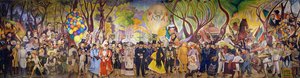
- Sueños de un Domingo en la Alameda: Controvertido por su representación del ateísmo.
- Murales de la Secretaría de Educación Pública: Mostró su estilo único con figuras grandes y simplificadas y colores audaces influenciados por el arte azteca.
- Murales de la Industria de Detroit (1933): Encargado para el Instituto de Artes de Detroit, representando procesos industriales y trabajadores.
- Estilo de Rivera: Se caracteriza por una escala monumental, formas simplificadas, colores vibrantes y un enfoque en narrativas sociales e históricas. Incorporó elementos del arte folclórico mexicano y la estética precolombina en su obra.
Legado y Significado Histórico
- Diego Rivera es considerado uno de los artistas más importantes del siglo XX.
- Sus murales son ejemplos significativos del realismo social y el arte público.
- Jugó un papel crucial en el establecimiento del Muralismo Mexicano como un movimiento artístico influyente.
- Su obra refleja sus creencias políticas, particularmente sus puntos de vista marxistas.
- Su vida personal, incluido su matrimonio con Frida Kahlo, ha contribuido a su perdurable fama y significado cultural.
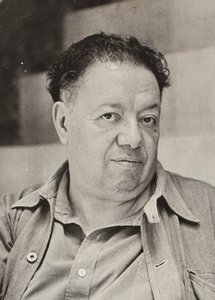
Diego Rivera
1886 - 1957 , México
Datos clave
- Artistas Que Influyeron:
- El Greco
- Francisco Goya
- Diego Velázquez
- Pablo Picasso
- Fecha De Fallecimiento: 24 de noviembre de 1957
- Fecha De Nacimiento: 8 de diciembre de 1886
- Lugar De Nacimiento: Guanajuato, México
- Movimiento Artístico: Muralismo Mexicano
- Nacionalidad: Mexicano
- Nombre Completo: Diego Rivera
- Obras Notables:
- Creación (1922)
- Sueño de una tarde dominical
- Detroit Industry Murals
Artículos relacionados
Frida Kahlo: A Life Painted – Surrealism, Identity & Autobiographical Narrative
Explore the life & art of Frida Kahlo – a journey through surrealism, identity, pain, and resilience. Discover her autobiographical masterpieces & lasting feminist legacy with ArtsDot.
Diego Rivera: A Revolutionary Vision of Mexican Identity Through Muralism
Explore the revolutionary murals of Diego Rivera and his profound impact on Mexican art & identity. Discover his techniques, iconic works like 'Man at the Crossroads,' and lasting legacy with ArtsDot.
Revolution on Canvas: Exploring the Socio-Political Power & Artistic Legacy of Mexican Muralism
Explore the powerful world of Mexican muralism! Discover Diego Rivera, Frida Kahlo & Orozco's revolutionary art, social impact & lasting legacy. Expert insights & high-quality reproductions at ArtsDot.
Surrealismo: 10 Obras Maestras que Transformaron el Arte y la Decoración
Descubre las 10 obras maestras del Surrealismo con Dalí, Magritte y Miró. Explora la historia, el simbolismo y la técnica de estos íconos del arte moderno. Encuentra reproducciones de alta calidad para tu hogar en .
Obras Maestras Dramáticas: Arte para un Hogar con Carácter |
Descubre 10 obras maestras que evocan drama y emoción. Explora la historia, técnica y colores de artistas como Caravaggio y Munch. Encuentra reproducciones de arte para transformar tu hogar en .
![Seated Nude with Raised Arms [Desnudo sentado con brazos levantados (Frida Kahlo)]](/media/artworks/images-thumb/64/7a/647aa47374e4603dc3a49d246d953b33.jpg)