

 Ver en contexto
 Enviar
 Compartir
 Detalles

 Descargar
 Similares
 Radiografía
 Presentación de diapositivas
 Estadísticas
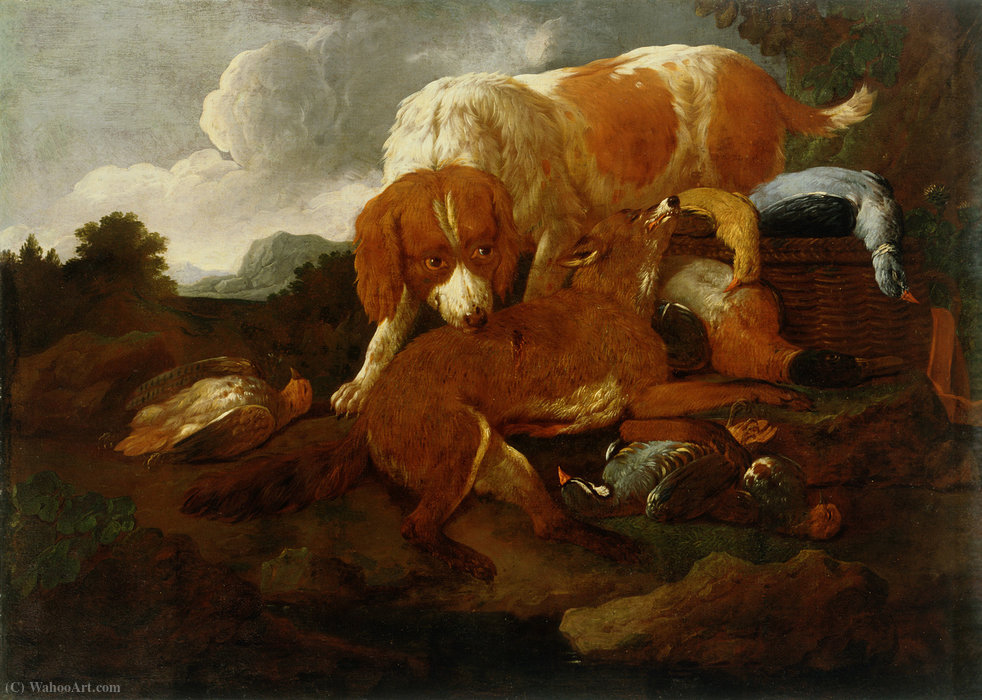
Pes, lisica in divjačina

 Ver más
Reproducción al óleo hecha a mano
Óleo sobre lienzo pintado a mano en el tamaño y marco de su elección, realizado por encargo por nuestros artistas. ( Cambiar a Impresión Cambiar a imagen digital)




































Elija entre nuestros tamaños predefinidos que respetan las proporciones originales de la obra.

Puede ingresar sus propias dimensiones para adaptarse a un marco o espacio específico. Si el tamaño seleccionado no coincide con las proporciones de la imagen original, recortaremos la obra o extenderemos la pintura con elementos adicionales pintados a mano. Se le enviará una maqueta digital para su aprobación antes de comenzar la producción.
Tenga en cuenta que la vista previa en pantalla no refleja el recorte o la extensión reales. Solo la maqueta mostrará con precisión la composición final.
Si bien existen tamaños personalizados, recomendamos seleccionar una dimensión de la lista predefinida para preservar las proporciones originales.
Tras realizar el pedido, el equipo de ArtsDot.com enviará un correo electrónico al cliente para solicitar instrucciones y proporcionarle una vista previa del boceto.
Envío a todo el mundo () en 3-4 semanas en lugar de las 5 semanas estándar. (8 septiembre). Sin comprometer la calidad.

Envío exprés gratuito a todo el mundo

Lienzo de lino de alta calidad

Seguro de envío total

Garantía de reembolso de impuestos aduaneros

Garantía de fidelidad cromática exacta

Política de devolución de 100 días (solo por defectos)

Garantía de devolución del 100% del dinero

Descuento por cantidad
 La opción de vidrio solo está disponible en tamaños inferiores a 110 cm.

Pes, lisica in divjačina
Técnica de reproducción
Dimensiones de la reproducción
-


Precio total final
$ 263
Obras relacionadas



Biografía del artista
Domenico Brandi: A Naples Baroque Visionary
Domenico Brandi (1683-1736) stands as a prominent figure within the vibrant artistic landscape of Naples during the Baroque period, embodying the spirit of opulent grandeur and meticulous observation characteristic of the era. Born in Naples itself—a city brimming with papal patronage and burgeoning cultural ambition—Brandi’s life coincided perfectly with a golden age for Italian art, shaping his oeuvre into a testament to both stylistic innovation and regional pride. Early Life & Training: Brandi's formative years were spent honing his artistic skills under the tutelage of Giuseppe Cesati, a celebrated Neapolitan painter who instilled in him a deep appreciation for classical ideals blended with Baroque dynamism. This grounding provided Brandi with a foundational understanding of composition and technique that would underpin his subsequent successes. He studied diligently alongside Nicolo Rossi, absorbing the principles of disegno—the humanist tradition emphasizing anatomical accuracy and idealized beauty—a cornerstone of artistic training during this period. Career Highlights: He swiftly ascended through the ranks of Naples’ artistic circles, securing commissions from influential patrons including Cardinal Alessandro Torcucci and eventually becoming Painter to the Viceroy of Naples. This prestigious position afforded him access to considerable resources and enabled him to undertake ambitious projects—primarily focused on depicting scenes of aristocratic life and commemorating significant events. His patronage by Count Alois Thomas von Harrach, Viceroy of Naples from 1728 to 1733, fueled his artistic endeavors and cemented his reputation as a leading artist of the era. He skillfully navigated the complexities of courtly politics while simultaneously producing breathtaking artworks that celebrated Neapolitan identity and grandeur. Brandi's Artistic Style: Brandi’s distinctive style is immediately recognizable for its masterful handling of color and texture, particularly evident in his captivating still lifes featuring birds and animals. Unlike many of his contemporaries who favored idealized depictions—often prioritizing mythological narratives or allegorical representations—Brandi meticulously rendered specimens with astonishing realism—capturing subtle nuances of plumage, feather arrangement, and musculature. This dedication to anatomical accuracy reflects the profound influence of Flemish Baroque painting, where artists like Rubens championed scientific observation alongside artistic beauty. He painstakingly recreated textures – feathers, fur, skin – striving for an unparalleled level of detail that surpassed mere imitation; instead, he sought to convey a palpable sense of presence—as if the animals themselves were alive before the viewer’s eyes. His landscapes, often bathed in atmospheric perspective—a technique pioneered by artists like Claude Lorrain—similarly demonstrate a keen understanding of natural phenomena and contribute to an immersive experience for the spectator. Notable Works & Legacy: Among Brandi's most celebrated paintings are ‘Rebecca At The Well,’ a poignant depiction imbued with emotional depth and rendered with painstaking detail; ‘Pes, lisica in divjačina,’ a lavish hunting tableau showcasing aristocratic splendor and masterful color palettes; and ‘Southern Landscape,’ which skillfully captures the serene beauty of Campania’s countryside—a testament to Brandi's ability to convey both grandeur and tranquility. His works are housed in museums across Italy, including San Domenico Maggiore where visitors can admire Caravaggio’s masterpieces alongside Brandi's own creations. Exploring these artworks offers a window into the artistic sensibilities of Naples during its Baroque zenith—a period defined by ambition, erudition, and an unwavering commitment to capturing the splendor of both the natural world and human achievement. Domenico Brandi’s contribution to Neapolitan Baroque art extends beyond individual masterpieces. He helped solidify Naples as a center for artistic excellence, fostering a tradition of naturalistic observation and elevating the status of painting within the city’s cultural elite. His legacy continues to inspire admiration for its technical virtuosity and its evocative portrayal of human experience—a lasting testament to his enduring influence on Italian art history. Influences & Context: Brandi's artistic development was profoundly shaped by the humanist ideals championed by Giuseppe Cesati, who instilled in him a deep appreciation for classical sculpture and architecture alongside Baroque dynamism. Furthermore, he absorbed the stylistic innovations of Flemish Baroque painters like Rubens—particularly their emphasis on anatomical accuracy and dramatic lighting—resulting in an oeuvre characterized by both elegance and psychological insight. The artistic climate of Naples during Brandi’s lifetime was marked by papal patronage and a fervent belief in divine providence—factors that fueled artistic creativity and propelled Naples to the forefront of European art production. He stood alongside other prominent artists of his time, engaging in intellectual discourse and fostering collaborations that enriched the cultural landscape of the Baroque era. Further Information: Domenico Brandi’s work is documented extensively in scholarly publications, including Dizionario enciclopedico Bolaffi, II; Nicola Spinosa, La pittura con scene di genere; La raccolta Molinari Pradelli: Dipinti del Sei e Settecento; and La natura morta in Italia. These texts provide invaluable insights into Brandi’s artistic techniques, stylistic preferences, and the broader historical context of his oeuvre—essential resources for anyone seeking to deepen their understanding of this remarkable artist.
domenico brandi
1683 - 1736 , Italia
Datos clave
- Artistic Movement Or Style: Baroque
- Date Of Birth: 1683 Naples Italy
- Date Of Death: 1736
- Full Name: domenico brandi
- Nationality: Italian
- Notable Artworks:
- Rebecca At The Well
- Pes, lisica in divjačina
- Southern Landscape
- Place Of Birth: Naples Italy
Artículos relacionados

The Visceral Stage: Exploring Dramatic Narratives & Emotional Intensity in Baroque Art
Explore the dramatic world of Baroque art! Discover iconic masters like Caravaggio & Rembrandt, their techniques, and the movement's lasting impact. Expert insights for collectors & enthusiasts at ArtsDot.

Barroco Sublime: 10 Obras Maestras que Definieron una Época |
Descubre las 10 obras maestras del Barroco que marcaron una época. Caravaggio, Bernini y Velázquez cobran vida en . Reproducciones de arte de calidad museo para decorar tu hogar con elegancia. ¡Explora la colección online!

Drama Barroca: Llevando la Grandeza y la Emoción a los Interiores Contemporáneos
Descubre cómo el drama y la grandeza del arte barroco pueden transformar tus interiores. Guía experta, inspiración y reproducciones de alta calidad en .

The Pursuit of Power & Prestige: Hunting Scenes in Western Art
Explore the rich history of hunting scenes in Western art, from royal pursuits to powerful allegories. Discover masterpieces & expert insights for discerning collectors. ArtsDot offers museum-quality reproductions.

The Dramatic Flourish: Exploring the Baroque Movement's Enduring Legacy in Art History
Explore the dramatic world of Baroque art! Discover iconic artists like Caravaggio & Rubens, defining techniques, and its lasting impact on art history. Expert insights for collectors & enthusiasts at ArtsDot.