

 Ver en contexto
 Enviar
 Compartir
 Detalles

 Descargar
 Similares
 Radiografía
 Presentación de diapositivas
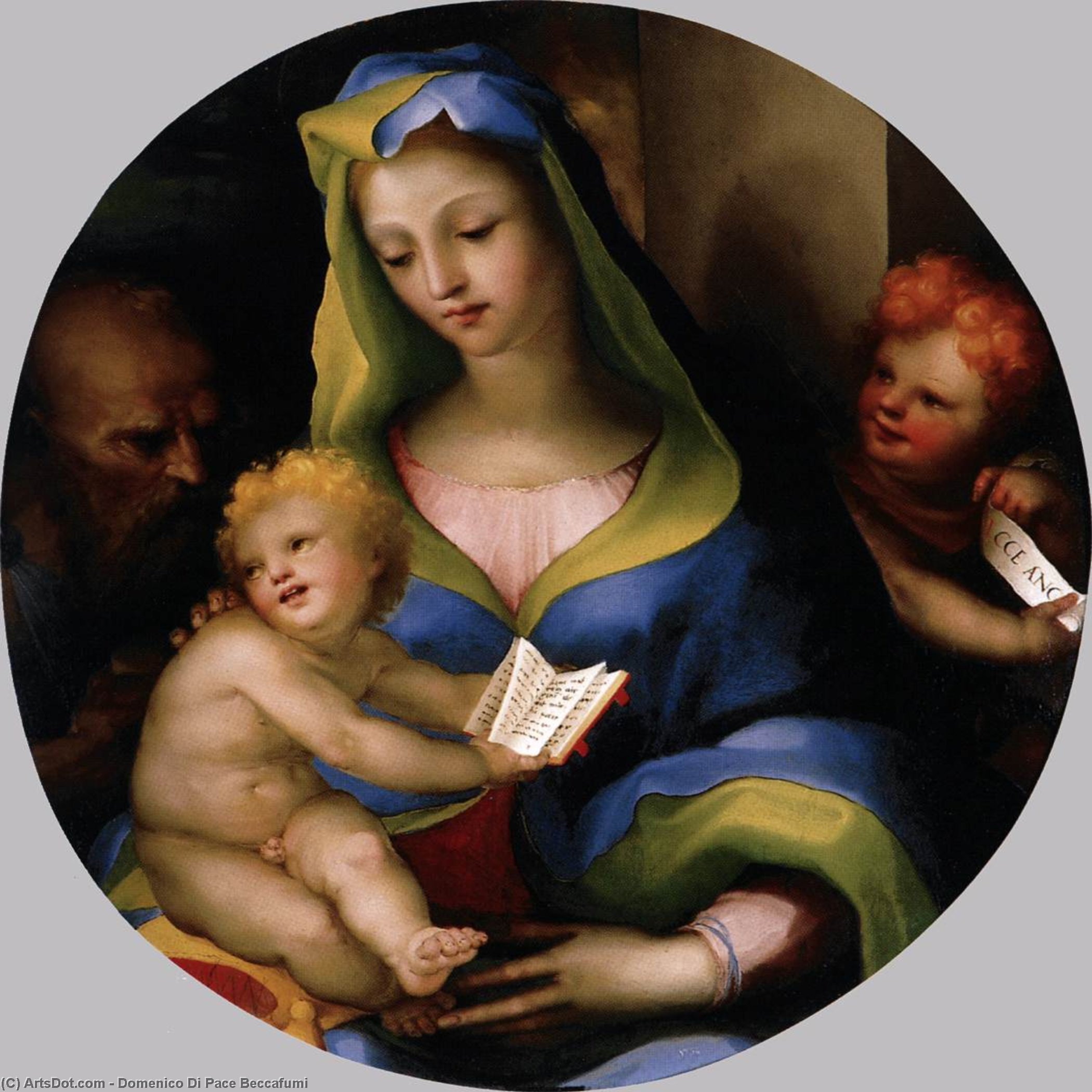
The Holy Family with Young Saint John
 Oil
Oil- WallArt
- High Renaissance
 1523
1523- Renaissance
 86.0 x 86.0 cm
 Museo Nacional Thyssen-Bornemisza
 Ver más
Adquiera una imagen digital de alta resolución y optimizada, muy superior a la vista previa en línea.
Cada archivo es preparado meticulosamente por nuestros especialistas internos mediante el uso de herramientas avanzadas y un experto retoque manual. Nos aseguramos de que cada imagen posea una claridad excepcional, una precisión cromática impecable y un detalle minucioso.
El archivo final se entrega por correo electrónico en un plazo de 72 horas, optimizado para su uso inmediato en entornos profesionales, editoriales y de impresión. Esta es la misma calidad en la que confían los estudios de diseño, las editoriales y las galerías de primer nivel.
Imagen Digital
Descarga un archivo de alta resolución para exhibición personal, impresión y proyectos creativos. ( Comprar impresión Comprar pintura hecha a mano)
Incluido en cada pedido de imágenes digitales
Entrega digital experta, garantizada.
Al elegir ArtsDot.com, no solo está adquiriendo una imagen; está recibiendo una obra de arte digital mejorada profesionalmente, elaborada con precisión y respaldada por una garantía de satisfacción. Esto es todo lo que incluye su pedido, automáticamente:

Entrega rápida por email
Recibirá su archivo de imagen digital en alta resolución por correo electrónico en un plazo de 72 horas tras realizar su pedido, listo para su uso inmediato.

Archivo digital optimizado por IA
Su obra de arte se optimiza profesionalmente mediante herramientas avanzadas de IA y edición manual, garantizando el máximo detalle, claridad y precisión cromática.

Reenvío gratuito de por vida
¿Has borrado o perdido tu archivo por error? No te preocupes: te lo volveremos a enviar en cualquier momento, sin coste adicional.

Sin gastos de importación, siempre
Disfrute de su obra de arte al instante sin aduanas, aranceles ni gastos de envío; las descargas digitales siempre están libres de impuestos.

Garantía de fidelidad de color
Garantizamos que su imagen digital refleje los colores originales con la mayor fidelidad posible, mediante el uso de herramientas profesionales y gestión del color.

Garantía de satisfacción de 60 días
Si no está satisfecho con su imagen digital, la revisaremos o le reembolsaremos el 100% en un plazo de 60 días, sin preguntas.

100% Garantía de devolución de dinero
¿No está satisfecho? Obtenga un reembolso completo dentro de los 60 días posteriores a la recepción de su archivo digital, sin necesidad de explicaciones.

Descuentos por pedidos grandes
Compra 3 imágenes, ahorra 10% - Compra 5, ahorra 15% - Compra 10+, ahorra 20%. Ideal para proyectos creativos, galerías y agencias.
A Sienese Visionary: The Soul of Beccafumi
In the quiet, rolling landscapes of Tuscany, near the historic city of Siena, a profound artistic transformation was unfolding during the early sixteenth century. At the heart of this movement stood Domenico di Pace Beccafumi, an artist whose brush possessed the unique ability to bridge the serene perfection of the High Renaissance with the expressive, often turbulent complexities of Mannerism. Born into humble circumstances as the son of a peasant farmer, Beccafumi’s ascent from the small town of Montaperto to the heights of Italian prestige is nothing short of legendary. His talent was so luminous that he was adopted and mentored by Lorenzo Beccafumi, a patron who recognized that this young man possessed a vision far beyond his years. Through his training under local masters, Beccafumi developed a style deeply rooted in the Sienese tradition—a legacy of grace and color—yet one that constantly reached toward new, experimental horizons.
His masterpiece, The Holy Family with Young Saint John, executed in 1523, serves as a breathtaking testament to this stylistic evolution. This captivating circular oil painting, or tondo, captures a moment of divine intimacy that feels both timeless and profoundly human. The composition is anchored by the Madonna and Child, portrayed with an idealized beauty that reflects the humanist ideals of the era. Beside them, the young Saint John the Baptist stands as a silent sentinel of prophetic wisdom, completing a sacred triad that radiates peace and spiritual devotion. For the discerning collector or interior designer, this piece offers more than mere decoration; it provides a window into a period of intense spiritual and artistic searching.
Luminous Technique and Divine Light
To gaze upon this work is to experience the mastery of Beccafumi’s technical prowess. The artist employed a sophisticated layering technique, applying thin, translucent glazes of oil paint to build an extraordinary sense of depth and internal luminosity. This method allows light to appear as if it is emanating from within the figures themselves, rather than merely reflecting off their surfaces. The lighting in the painting is soft and diffused, seemingly pouring from an unseen celestial source above, casting a warm glow that highlights the delicate facial expressions and the intricate folds of the drapery.
The textures within the piece are remarkably tactile; one can almost feel the softness of the angelic wings and the heavy, luxurious weight of the Madonna’s robes. Beccafumi utilizes smooth, flowing lines and organic shapes to create a sense of rhythmic harmony, guiding the viewer's eye in a gentle circle around the central figures. This fluid movement is essential to the painting's emotional impact, fostering an atmosphere of elegance and refinement. The subtle use of atmospheric haze in the background further enhances the sense of depth, creating a shallow yet immersive space that draws the observer into the sacred circle of the Holy Family.
Symbolism and Emotional Resonance
Beyond its technical brilliance, The Holy Family with Young Saint John is rich with symbolic language intended to inspire piety and contemplation. Every element within the frame serves a higher purpose: the presence of the angels signifies divine protection and guidance, while the musical score held by Mary subtly underscores the importance of harmony, learning, and the celestial music of the spheres. These symbols work in concert to evoke a profound sense of familial love and divine grace, making the artwork an emotional powerhouse.
For those seeking to incorporate fine art into a curated space, this reproduction offers a centerpiece of unparalleled character. Whether placed in a grand library, a sophisticated living area, or a serene study, the painting’s balanced composition and warm palette provide a sense of stability and spiritual calm. It is an invitation to pause, to reflect, and to appreciate the enduring beauty of the Sienese school—a piece that does not merely occupy a wall, but breathes life and history into the very heart of a home.
Obras relacionadas
Biografía del artista
Domenico di Pace Beccafumi: Vida y Legado
- Nacido: Montaperti, cerca de Siena, Italia (c. 1486)
- Fallecido: Siena, Italia (18 de mayo de 1551)
- Nacionalidad: Italiano
- Movimiento: Renacimiento-Manierismo
Primeros Años y Formación
- Beccafumi nació en Montaperti, un pequeño pueblo cerca de Siena. Su padre era un campesino que trabajaba en la propiedad de Lorenzo Beccafumi, quien reconoció el talento de Domenico para dibujar y lo adoptó.
- Recibió su formación artística inicial de Mechero, un artista sienés menos conocido.
- Alrededor de 1509, viajó a Roma, donde estudió las obras de artistas activos en el Vaticano, absorbiendo influencias pero manteniendo su estilo distintivo.
- Tras regresar a Siena, Beccafumi desarrolló su voz artística única, caracterizada por una mezcla de peculiaridades medievales y tendencias manieristas emergentes.
Estilo Artístico e Influencias
- Estilo Distintivo: El estilo de Beccafumi es notable por sus elementos irracionales y emocionalmente desequilibrados, lo que lo distingue de la escuela florentina. Empleó colores discordantes y escenarios alucinógenos para crear una experiencia visual cautivadora.
- Influencias: Las primeras influencias incluyeron a Fra Bartolommeo, Albertinelli, Pacchiarotto, y más tarde, Rafael y Miguel Ángel. Sin embargo, sintetizó estas influencias en un estilo que permaneció distintamente sienés.
- Manierismo: Si bien fue influenciado por el movimiento manierista emergente, la obra de Beccafumi conservó elementos de la escuela tradicional sienesas, caracterizada por su naturaleza provincial y cualidades estéticas únicas.
- Características Clave: Sus pinturas se caracterizan por una calidad brumosa y no lineal, líneas irregulares, tonalidad primordial en la coloración y una sensación de tensión emocional e inestabilidad.
Obras Principales y Logros
- Frescos en el Oratorio de San Benito, Siena: Estos frescos muestran el estilo distintivo de Beccafumi y están disponibles para su visualización en ArtsDot.com.
- Tríptico de la Trinidad: Una pintura al óleo sobre madera ubicada en la Pinacoteca Nazionale de Siena, que demuestra su habilidad en la representación religiosa.
- La Anunciación: Otra obra significativa que reside en la Pinacoteca Nazionale de Siena.
- Pavimento del Duomo di Siena (1517-1544): Beccafumi dirigió este celebrado proyecto de pavimento, realizando mejoras ingeniosas a los procesos técnicos y creando escenas de historias bíblicas como las de Ahab, Elías, Melquisedec, Abraham y Moisés. También diseñó mosaicos y fue un hábil grabador tanto en grabado como en xilografía.
Significado Histórico y Legado
- Último Maestro de la Escuela Sienesa: Beccafumi es considerado uno de los representantes más significativos de la escuela de pintura sienesa, preservando sus tradiciones al tiempo que incorpora elementos del manierismo.
- Visión Artística Única: Su estilo distintivo, caracterizado por la intensidad emocional y las composiciones poco convencionales, lo distinguió de sus contemporáneos y contribuyó al desarrollo del arte manierista.
- Influencia en Artistas Posteriores: La obra de Beccafumi prefiguró desarrollos posteriores en el manierismo, influyendo en generaciones posteriores de artistas con sus cualidades expresivas y técnicas innovadoras.
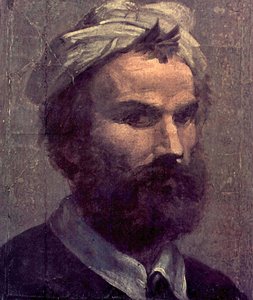
domenico di pace beccafumi
1486 - 1551 , Italia
Breves datos
- Artistas Que Influyeron:
- Fra Bartolommeo
- Albertinelli
- Rafael
- Miguel Ángel
- Fecha De Fallecimiento: 1551
- Fecha De Nacimiento: 1486
- Lugar De Nacimiento: Montaperti, Italia
- Movimiento Artístico: Renacimiento-Manierismo
- Nacionalidad: Italiana
- Nombre Completo: Domenico di Pace Beccafumi
- Obras Notables:
- Frescos en Oratorio de San Benito
- Tríptico de la Trinidad
- La Anunciación

