 Ver en contexto
 Enviar
 Compartir
 Detalles

 Descargar
 Similares
 Radiografía
 Presentación de diapositivas
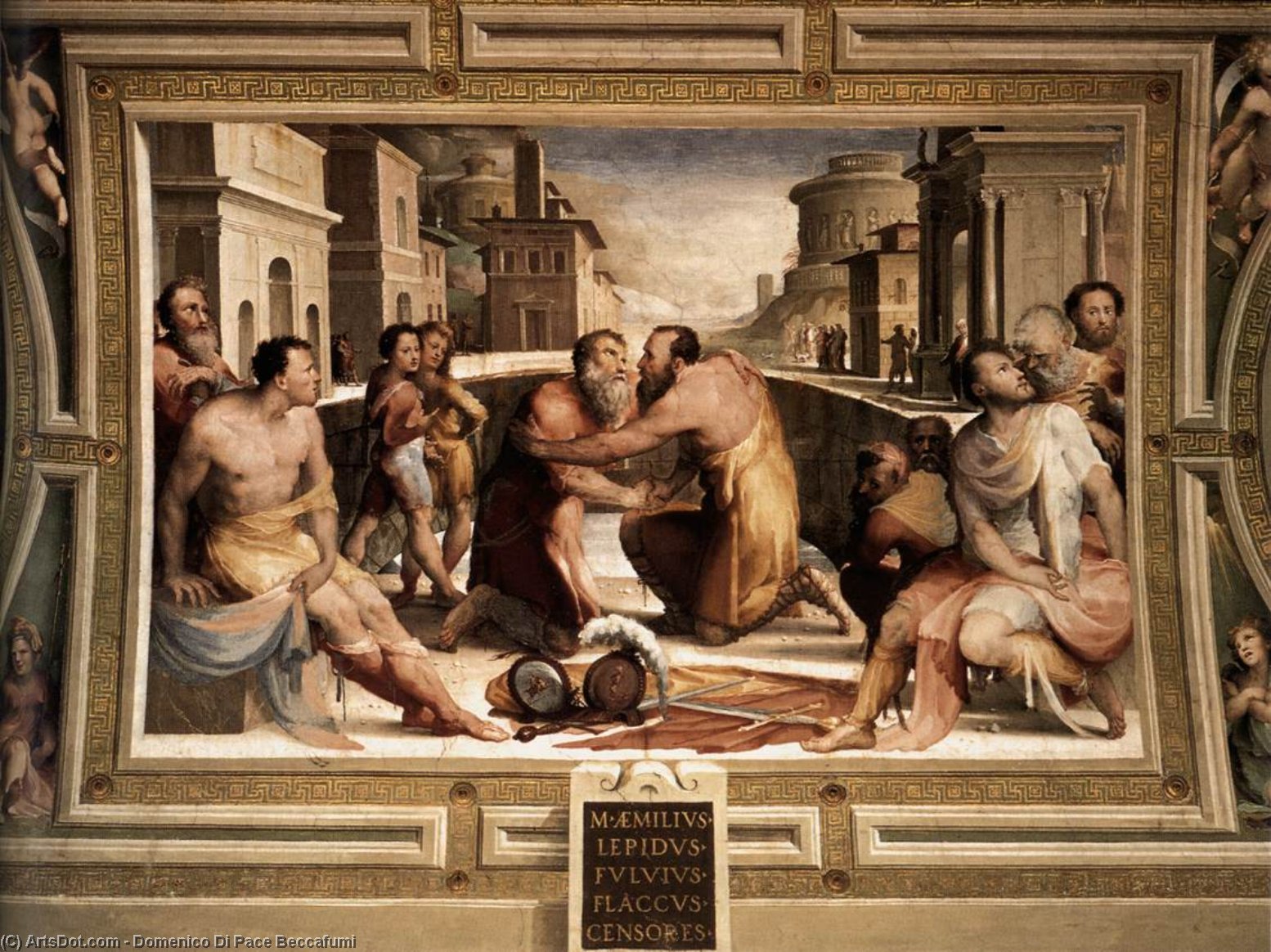
The Reconciliation of Marcus Emilius Lepidus and Fulvius Flaccus


 Ver más
Giclée / Impresión de arte
Impresiones giclée o en lienzo de calidad de museo con producción rápida y opciones de acabado flexibles. ( Comprar pintura hecha a mano Comprar imagen)




P118B $10

P118H $10

P118W $10

P438Z $10

P508JH $12

P508YH $12

P805H $10

P805Z $10

P919BZ $10

P919G $10

P919XJ $10

P959ZH $10

P968JZ $12

W106C $8

W218G $10

W218JH $8

W218Y $10

W307PJ $10

W316G $10

W316PJ $8

W316Y $10

W398PJ $8

W4111J $10

W500HY $15

W500JH $15

W692G $12

W849H $8

W940BG $15

W953PJ $8




Elija entre nuestros tamaños predefinidos que respetan las proporciones originales de la obra.

Puede introducir sus propias dimensiones para adaptarse a un marco o espacio específico. Si el tamaño seleccionado no coincide con las proporciones de la imagen original, recortaremos la obra de arte o extenderemos la imagen con un borde con efecto espejo o de color sólido. Se enviará una maqueta digital para su aprobación antes de que comience la producción.
Tenga en cuenta que la vista previa en pantalla no refleja el recorte o la extensión real. Solo la maqueta mostrará con precisión la composición final.
Aunque existen tamaños personalizados, recomendamos seleccionar una dimensión de la lista predefinida para preservar las proporciones originales.
Envío a todo el mundo () en 2 semanas en lugar de las 4/5 semanas estándar. (1 septiembre)

Envío exprés gratuito a todo el mundo

Lienzo de lino de alta calidad

Seguro de envío total

Garantía de reembolso de impuestos aduaneros

Garantía de fidelidad cromática exacta

Política de devolución de 60 días (solo por defectos)

Garantía de devolución del 100% del dinero

Descuento por cantidad
 La opción de vidrio solo está disponible en tamaños inferiores a 110 cm.

The Reconciliation of Marcus Emilius Lepidus and Fulvius Flaccus
Giclée / Impresión de arte
Dimensiones de la reproducción
-


Precio total final
$ 62
The Reconciliation of Marcus Emilius Lepidus and Fulvius Flaccus: A Sienese Vision in Fresco
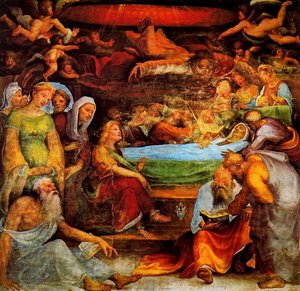
Domenico di Pace Beccafumi’s “The Reconciliation of Marcus Emilius Lepidus and Fulvius Flaccus,” painted in 1529-1535, is more than a historical depiction; it's a vibrant testament to the enduring power of diplomacy and the complexities of Roman politics rendered with the distinctive vision of a Sienese artist. This fresco, currently housed at the Web Gallery of Art (WGA), offers a captivating glimpse into a pivotal moment – the reconciliation between two powerful figures embroiled in conflict – framed within a meticulously constructed narrative that speaks to themes of justice, peace, and the precarious balance of power.
Beccafumi’s style, rooted deeply in the traditions of Siena yet boldly embracing the burgeoning Mannerist movement, is immediately striking. Unlike the polished clarity of Florentine Renaissance art, Beccafumi's work possesses a raw energy, an almost unsettling intensity. The figures are not idealized; they are rendered with a palpable sense of emotion – the weary resignation of Lepidus, kneeling in supplication, and the earnest plea of Flaccus. Notice the subtle shifts in their postures, the delicate play of light and shadow that emphasizes their individual states of mind. This isn’t simply a record of an event; it's an exploration of human psychology, captured with remarkable sensitivity.
A Window into Roman History and Political Intrigue
The subject itself – the reconciliation between Marcus Emilius Lepidus and Quintus Fulvius Flaccus – is rich in historical significance. Lepidus, a former triumvir, and Flaccus, a prominent consul, had been locked in a bitter dispute following the collapse of the First Triumvirate. Their rivalry threatened to destabilize the Roman Republic, and their eventual reconciliation was crucial for maintaining order. Beccafumi’s fresco doesn't offer a straightforward account of this event; instead, it focuses on the *moment* of resolution – the palpable shift from conflict to understanding. The scene unfolds within what appears to be an urban setting, possibly a public forum or courtyard, suggesting that this reconciliation was not merely a private affair but one with significant political ramifications.
The details surrounding the event are subtly integrated into the composition. Observe the expressions on the faces of the onlookers – some displaying cautious optimism, others lingering skepticism. The architectural backdrop, though somewhat stylized, hints at Roman grandeur and reinforces the importance of the occasion. This careful attention to detail elevates the fresco beyond a simple narrative illustration; it becomes a microcosm of Roman society grappling with political uncertainty.
Symbolism and Artistic Technique
Beccafumi’s masterful use of color is particularly noteworthy. He employs a rich, earthy palette – ochres, siennas, and umbers – that evokes the textures of stone and earth, grounding the scene in its historical context. The figures themselves are rendered with a remarkable degree of realism, yet Beccafumi doesn't shy away from exaggeration and distortion to convey emotion. The drapery is voluminous and dynamic, swirling around the figures like currents of air, further emphasizing their emotional states.
Furthermore, the fresco’s technique—fresco secco—contributes significantly to its visual impact. This method involves applying pigments directly to wet plaster, creating a durable and luminous surface. The resulting colors are exceptionally vibrant and possess a remarkable depth of texture. The layering of paint creates an illusion of three-dimensionality, drawing the viewer into the scene and inviting them to contemplate the complexities of the reconciliation.
A Legacy of Visionary Art
Domenico di Pace Beccafumi’s “The Reconciliation of Marcus Emilius Lepidus and Fulvius Flaccus” stands as a powerful example of Sienese Renaissance art—a synthesis of regional tradition and innovative artistic expression. It's a work that rewards careful observation, inviting viewers to delve into the nuances of its composition, symbolism, and historical context. Reproductions of this fresco offer an exceptional opportunity to bring this captivating scene into any space, serving as both a beautiful piece of art and a poignant reminder of the enduring human capacity for reconciliation and understanding. The painting’s emotional depth and technical brilliance continue to resonate with audiences today, solidifying Beccafumi's place as one of the most significant artists of his time.
Obras relacionadas
Biografía del artista
Domenico di Pace Beccafumi: Vida y Legado
- Nacido: Montaperti, cerca de Siena, Italia (c. 1486)
- Fallecido: Siena, Italia (18 de mayo de 1551)
- Nacionalidad: Italiano
- Movimiento: Renacimiento-Manierismo
Primeros Años y Formación
- Beccafumi nació en Montaperti, un pequeño pueblo cerca de Siena. Su padre era un campesino que trabajaba en la propiedad de Lorenzo Beccafumi, quien reconoció el talento de Domenico para dibujar y lo adoptó.
- Recibió su formación artística inicial de Mechero, un artista sienés menos conocido.
- Alrededor de 1509, viajó a Roma, donde estudió las obras de artistas activos en el Vaticano, absorbiendo influencias pero manteniendo su estilo distintivo.
- Tras regresar a Siena, Beccafumi desarrolló su voz artística única, caracterizada por una mezcla de peculiaridades medievales y tendencias manieristas emergentes.
Estilo Artístico e Influencias
- Estilo Distintivo: El estilo de Beccafumi es notable por sus elementos irracionales y emocionalmente desequilibrados, lo que lo distingue de la escuela florentina. Empleó colores discordantes y escenarios alucinógenos para crear una experiencia visual cautivadora.
- Influencias: Las primeras influencias incluyeron a Fra Bartolommeo, Albertinelli, Pacchiarotto, y más tarde, Rafael y Miguel Ángel. Sin embargo, sintetizó estas influencias en un estilo que permaneció distintamente sienés.
- Manierismo: Si bien fue influenciado por el movimiento manierista emergente, la obra de Beccafumi conservó elementos de la escuela tradicional sienesas, caracterizada por su naturaleza provincial y cualidades estéticas únicas.
- Características Clave: Sus pinturas se caracterizan por una calidad brumosa y no lineal, líneas irregulares, tonalidad primordial en la coloración y una sensación de tensión emocional e inestabilidad.
Obras Principales y Logros
- Frescos en el Oratorio de San Benito, Siena: Estos frescos muestran el estilo distintivo de Beccafumi y están disponibles para su visualización en ArtsDot.com.
- Tríptico de la Trinidad: Una pintura al óleo sobre madera ubicada en la Pinacoteca Nazionale de Siena, que demuestra su habilidad en la representación religiosa.
- La Anunciación: Otra obra significativa que reside en la Pinacoteca Nazionale de Siena.
- Pavimento del Duomo di Siena (1517-1544): Beccafumi dirigió este celebrado proyecto de pavimento, realizando mejoras ingeniosas a los procesos técnicos y creando escenas de historias bíblicas como las de Ahab, Elías, Melquisedec, Abraham y Moisés. También diseñó mosaicos y fue un hábil grabador tanto en grabado como en xilografía.
Significado Histórico y Legado
- Último Maestro de la Escuela Sienesa: Beccafumi es considerado uno de los representantes más significativos de la escuela de pintura sienesa, preservando sus tradiciones al tiempo que incorpora elementos del manierismo.
- Visión Artística Única: Su estilo distintivo, caracterizado por la intensidad emocional y las composiciones poco convencionales, lo distinguió de sus contemporáneos y contribuyó al desarrollo del arte manierista.
- Influencia en Artistas Posteriores: La obra de Beccafumi prefiguró desarrollos posteriores en el manierismo, influyendo en generaciones posteriores de artistas con sus cualidades expresivas y técnicas innovadoras.
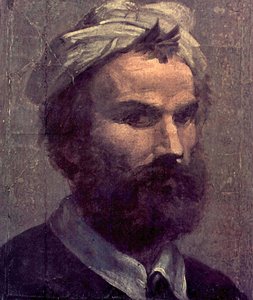
domenico di pace beccafumi
1486 - 1551 , Italia
Datos clave
- Artistas Que Influyeron:
- Fra Bartolommeo
- Albertinelli
- Rafael
- Miguel Ángel
- Fecha De Fallecimiento: 1551
- Fecha De Nacimiento: 1486
- Lugar De Nacimiento: Montaperti, Italia
- Movimiento Artístico: Renacimiento-Manierismo
- Nacionalidad: Italiana
- Nombre Completo: Domenico di Pace Beccafumi
- Obras Notables:
- Frescos en Oratorio de San Benito
- Tríptico de la Trinidad
- La Anunciación
Artículos relacionados

Legado en las Paredes: Frescos Familiares que Trascienden el Tiempo
Descubre el arte del fresco muralístico para inmortalizar tu historia familiar. Expertos en frescos personalizados y técnicas ancestrales. Crea un legado visual único con .

The Enduring Legacy of Fresco: Technique, History & Artistic Expression Across Cultures
Explore the rich history & enduring legacy of fresco painting! Discover ancient techniques, Giotto's masterpieces, and modern applications. Expert insights for art lovers & professionals.

The Enduring Legacy of Fresco Painting: Techniques, History & Contemporary Relevance
Explore the rich history & enduring artistry of fresco painting – from Giotto to Michelangelo! Discover techniques, conservation efforts, & modern applications. Learn how ArtsDot brings this timeless art form to your home.
El Fresco a Través de los Siglos: Técnica, Historia y Expresión Artística Duradera
Descubre la historia y técnica del fresco, desde sus orígenes en la antigüedad hasta los maestros renacentistas. Guía completa sobre conservación, restauración y el legado artístico de este arte milenario.

¿El Arte que Habita Contigo: El Poder Emocional de un Fresco Interior Personalizado?
Descubre el poder emocional de un fresco interior personalizado. Expertos en arte te guían para crear una obra única que refleje tu estilo y valore tu hogar. : calidad, confianza y diseño excepcional.