 Ver en contexto
 Enviar
 Compartir
 Detalles

 Descargar
 Similares
 Radiografía
 Presentación de diapositivas
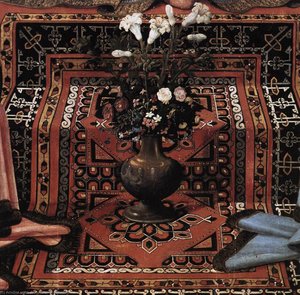
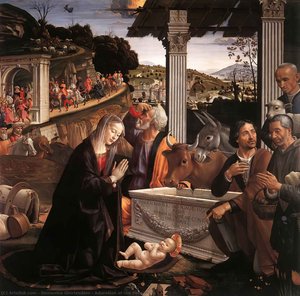
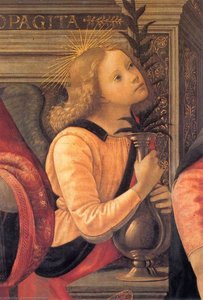
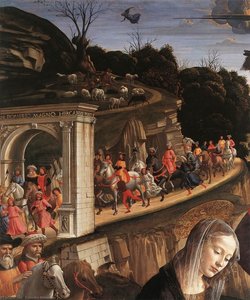
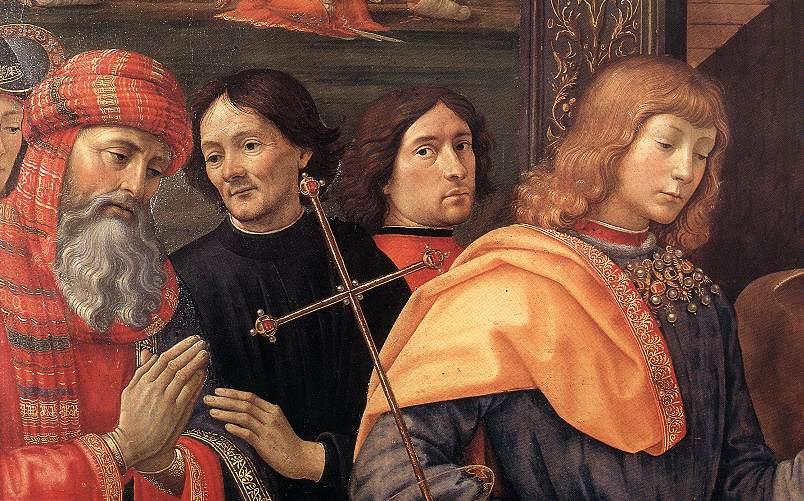
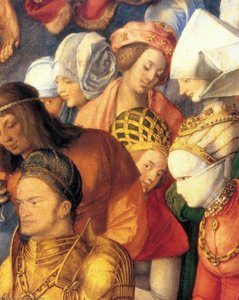
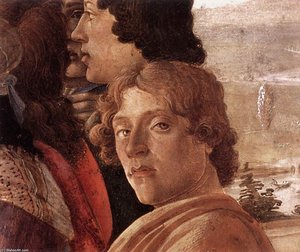
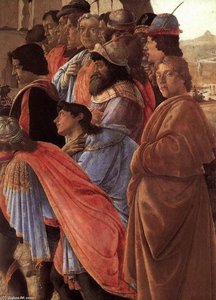
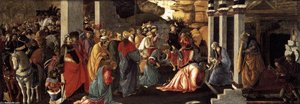
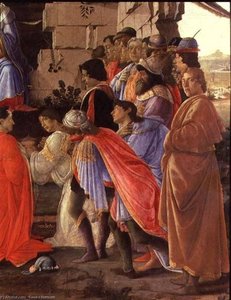
Adoration of the Magi (detail)


 Ver más
Reproducción al óleo hecha a mano
Óleo sobre lienzo pintado a mano en el tamaño y marco de su elección, realizado por encargo por nuestros artistas. ( Comprar impresión Comprar imagen)




P118B $10

P118H $10

P118W $10

P438Z $10

P508JH $12

P508YH $12

P805H $10

P805Z $10

P919BZ $10

P919G $10

P919XJ $10

P959ZH $10

P968JZ $12

W106C $8

W218G $10

W218JH $8

W218Y $10

W307PJ $10

W316G $10

W316PJ $8

W316Y $10

W398PJ $8

W4111J $10

W500HY $15

W500JH $15

W692G $12

W849H $8

W940BG $15

W953PJ $8




Elija entre nuestros tamaños predefinidos que respetan las proporciones originales de la obra.

Puede ingresar sus propias dimensiones para adaptarse a un marco o espacio específico. Si el tamaño seleccionado no coincide con las proporciones de la imagen original, recortaremos la obra o extenderemos la pintura con elementos adicionales pintados a mano. Se le enviará una maqueta digital para su aprobación antes de comenzar la producción.
Tenga en cuenta que la vista previa en pantalla no refleja el recorte o la extensión reales. Solo la maqueta mostrará con precisión la composición final.
Si bien existen tamaños personalizados, recomendamos seleccionar una dimensión de la lista predefinida para preservar las proporciones originales.
Tras realizar el pedido, el equipo de ArtsDot.com enviará un correo electrónico al cliente para solicitar instrucciones y proporcionarle una vista previa del boceto.
Envío a todo el mundo () en 3-4 semanas en lugar de las 5 semanas estándar. (2 septiembre). Sin comprometer la calidad.

Envío exprés gratuito a todo el mundo

Lienzo de lino de alta calidad

Seguro de envío total

Garantía de reembolso de impuestos aduaneros

Garantía de fidelidad cromática exacta

Política de devolución de 60 días (solo por defectos)

Garantía de devolución del 100% del dinero

Descuento por cantidad
 La opción de vidrio solo está disponible en tamaños inferiores a 110 cm.

Adoration of the Magi (detail)
Técnica de reproducción
Dimensiones de la reproducción
-


Precio total final
$ 263
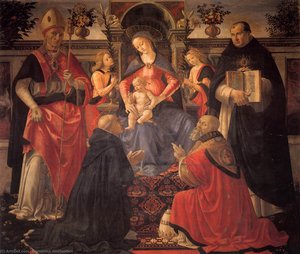
The Genesis of a Vision: Domenico Ghirlandaio’s “Adoration of the Magi”
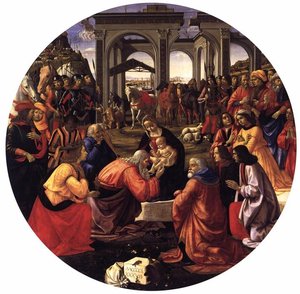
Domenico Ghirlandaio's "Adoration of the Magi," painted in 1488 for the Spedale degli Innocenti in Florence, isn’t merely a depiction of a biblical scene; it’s a vibrant snapshot of Renaissance humanism and artistic innovation. Born from the workshops of goldsmiths – his father crafted elaborate headdresses that defined Florentine fashion – Ghirlandaio brought an unparalleled attention to detail and a profound understanding of color and texture to this iconic fresco. The painting captures the moment when the Magi, guided by the star, arrive to offer gifts to the newborn Jesus, Mary, and Joseph. Yet, it’s more than just a religious narrative; it's a testament to Ghirlandaio’s mastery of perspective, his ability to imbue figures with palpable emotion, and his skillful integration of classical elements into a deeply Christian context.
- The Scene: The composition is dynamic and engaging. Three Magi – identified by their distinctive attire – kneel before the Virgin Mary and the infant Jesus, who rests upon a simple manger.
- Classical Echoes: Notice the subtle but significant incorporation of classical architectural elements—a crumbling arcade reminiscent of Roman ruins—that anchors the scene within a broader historical narrative. This wasn’t simply decorative; it reflected the Renaissance fascination with antiquity and its perceived ideals of order and harmony.
- Color & Light: Ghirlandaio's use of tempera on wood panel allows for rich, luminous colors that seem to glow from within. The reds of the Magi’s robes are particularly striking, drawing the viewer’s eye and creating a sense of warmth and reverence.
A Window into Florentine Society: Context and Patronage
The Spedale degli Innocenti, or “Hospital of the Innocents,” was more than just a charitable institution; it was a vital hub of civic life in Renaissance Florence. Founded as a refuge for abandoned children, it also served as a center for art and learning. Commissioning works like the "Adoration of the Magi" wasn’t simply an act of piety; it was a demonstration of wealth, influence, and commitment to the well-being of the community. The painting itself became a symbol of Florence's burgeoning prosperity and its embrace of humanist ideals – celebrating human potential while firmly rooted in Christian faith.
Patronage’s Influence:** Gaspare di Zanobi del Lama, the wealthy banker who commissioned the fresco, is subtly represented within the scene. His presence underscores the importance of civic engagement and the intertwining of art and commerce during this period.Decoding the Symbolism: Layers of Meaning
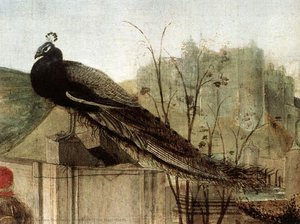
Beyond its biblical subject matter, the "Adoration of the Magi" is laden with symbolic meaning. The three Magi themselves represent the East – Persia, Babylonia, and Arabia – symbolizing the universality of Christ’s message. The gifts they offer—gold, frankincense, and myrrh—represent spiritual riches and earthly blessings. The inclusion of classical ruins speaks to the continuity between ancient wisdom and Christian faith. Even the peacock perched atop a column is symbolic, representing immortality and resurrection.
Further Symbolism:* The figure on the right, often identified as a self-portrait of Ghirlandaio’s pupil Bartolomeo di Giovanni, adds another layer of complexity to the composition, suggesting the artist's own role in shaping this masterpiece.The Enduring Legacy: Reproduction and Artistic Inspiration
Domenico Ghirlandaio’s “Adoration of the Magi” remains one of the most celebrated works of the Early Renaissance. Its vibrant colors, dynamic composition, and profound symbolism continue to captivate viewers centuries later. Reproductions offer a remarkable opportunity to experience this masterpiece firsthand, bringing its beauty and intellectual depth into any space. Whether adorning a grand salon or a cozy study, a high-quality reproduction allows you to connect with the spirit of Renaissance Florence and appreciate the genius of one of its greatest artists.
Obras relacionadas
Biografía del artista
Primeros años y formación
Domenico di Tommaso Curradi di Doffo Bigordi, conocido como Domenico Ghirlandaio, fue un pintor del Renacimiento italiano nacido en Florencia, Italia (1449-1494). Formó parte de la llamada "tercera generación" del Renacimiento florentino, junto con Verrocchio, los hermanos Pollaiolo y Sandro Botticelli. La primera etapa de Ghirlandaio se caracteriza por su aprendizaje con su padre, un orfebre, donde desarrolló sus habilidades para crear tocados metálicos con forma de guirnalda que eran usados por las mujeres florentinas. Esto le valió el apodo de "il ghirlandaio" (fabricante de guirnaldas). Posteriormente estudió pintura y mosaico bajo la tutela de Alesso Baldovinetti.Carrera artística
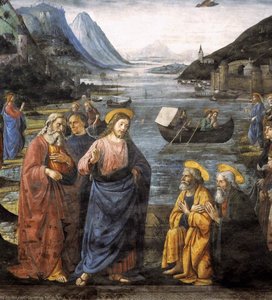
La carrera artística de Ghirlandaio se caracteriza por su excepcional talento para representar la vida contemporánea y los retratos dentro de narrativas religiosas. Esto le granjeó una enorme popularidad y numerosas comisiones importantes. Su taller, que incluía a sus hermanos Davide y Benedetto Ghirlandaio, era altamente eficiente y productivo.- Los trabajos más destacados de Ghirlandaio incluyen los ciclos de frescos en la capilla Sassetti de Santa Trinita (1482-1485) y la vocación de los apóstoles en la Capilla Sixtina (1483).
- Su estilo se caracteriza por su capacidad para representar escenas de la vida contemporánea y retratos dentro de narrativas religiosas, aportando un sentido de realismo a su obra.
- Su futuro cuñado, Sebastiano Mainardi, lo asistió en estas comisiones y en los frescos iniciales en San Gimignano.
Influencias y desarrollo
Ghirlandaio se vio influenciado por artistas como Alesso Baldovinetti y Andrea del Verrocchio, aprendiendo de sus técnicas y estilos. Sin embargo, desarrolló su propio enfoque distintivo al incorporar elementos realistas y contemporáneos en sus obras religiosas. Su habilidad para representar figuras humanas con gran detalle y precisión, así como su dominio de la perspectiva lineal, contribuyeron a su éxito y popularidad. El taller de Ghirlandaio se convirtió en un centro importante de producción artística, formando a numerosos aprendices, incluyendo al famoso Michelangelo.Obras destacadas y legado
Ve las obras de Domenico Ghirlandaio en ArtsDot- St. Jerome in his study (1480), una obra complementaria a la de Botticelli, Saint Augustine in his study, muestra la habilidad de Ghirlandaio en la pintura al fresco.
- La Apoteosis de St. Zenóbio (1482) en la sala del giglio, Palazzo Vecchio, es un ejemplo de su habilidad compositiva y perspectiva.
Museos y colecciones
El Museo San Giovanni (Siena, Italia) alberga una colección de obras de arte, incluyendo las del Renacimiento italiano. La Capilla Sixtina, donde Ghirlandaio trabajó en la vocación de los apóstoles, es reconocida por sus frescos y forma parte importante de la historia del arte. Aprende más sobre San Gimignano en Wikipedia.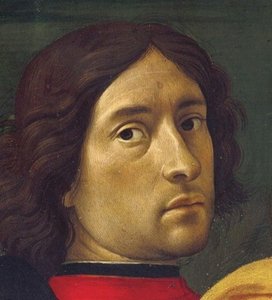
Domenico Ghirlandaio
1449 - 1494 , Italia
Datos clave
- Artistas Que Influyeron:
- Verrocchio
- Botticelli
- Alesso Baldovinetti
- Fecha De Muerte: 11 de enero de 1494
- Fecha De Nacimiento: 2 de junio de 1448
- Influenciado A Artistas: ['Michelangelo']
- Lugar De Nacimiento: Florencia, Italia
- Movimiento Artístico: Renacimiento italiano
- Nacionalidad: Italiana
- Nombre Completo: Domenico Ghirlandaio
- Obras Notables:
- St. Jerome in his Study
- Apoteosis of St. Zenobius
- Vocation of the Apostles
Artículos relacionados
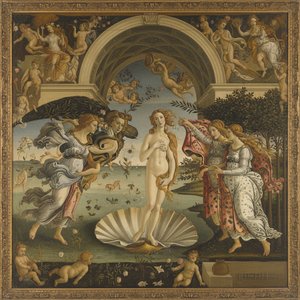
Botticelli: Las 25 Obras Maestras del Renacimiento para Decorar con Arte y Elegancia
Descubre las 25 obras maestras de Sandro Botticelli, el genio del Renacimiento italiano. Explora 'El Nacimiento de Venus', 'Primavera' y más: historia, técnica y belleza clásica. Encuentra reproducciones de arte exclusivas en ArtsDot.com.

Los 25 Tesoros del Uffizi: Arte Renacentista para tu Hogar | ArtsDot
Descubre los 25 tesoros del Uffizi en Florencia: Botticelli, Leonardo da Vinci y más. Explora la historia, el arte renacentista y encuentra reproducciones de alta calidad para tu hogar. ¡Inspírate con ArtsDot.com!
Los 10 Maestros del Renacimiento Temprano: Arte que Transformó el Mundo |
Descubre los 10 maestros del Renacimiento Temprano: Botticelli, Leonardo da Vinci y más. Explora la historia, técnica y belleza de obras icónicas italianas. Reproducciones de arte exclusivas en .
10 Obras Maestras del Temple que Revolucionaron la Historia del Arte | ArtsDot
Descubre 10 obras maestras del temple sobre tabla que revolucionaron el arte medieval y renacentista. Explora la historia de Botticelli, Van Eyck y Giotto. Reproducciones de arte de museo para decorar tu hogar con elegancia en ArtsDot.com.
El Amanecer de una Nueva Visión: Explorando las Innovaciones Artísticas del Primer Renacimiento
Descubre las innovaciones artísticas del Primer Renacimiento italiano. Explora el humanismo, las técnicas revolucionarias y los maestros florentinos que marcaron una nueva era en la historia del arte. Análisis experto y obras clave.