 Ver en contexto
 Enviar
 Compartir
 Detalles

 Descargar
 Similares
 Radiografía
 Presentación de diapositivas
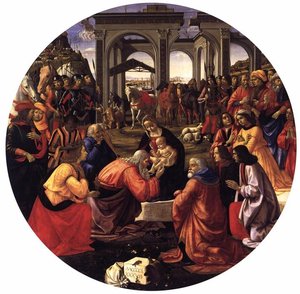
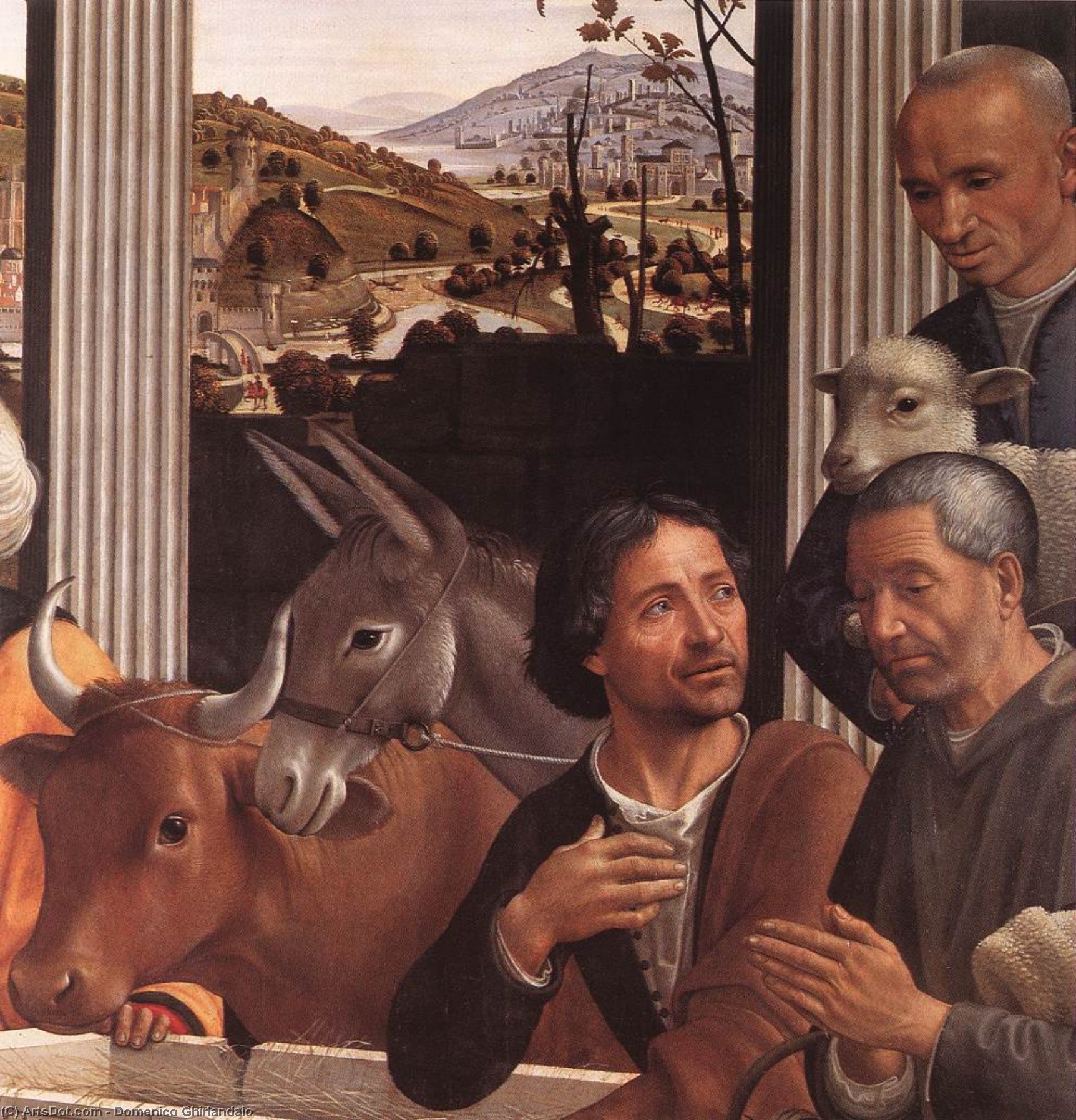
Adoration of the Shepherds (detail) (10)


 Ver más
Reproducción al óleo hecha a mano
Óleo sobre lienzo pintado a mano en el tamaño y marco de su elección, realizado por encargo por nuestros artistas. ( Comprar impresión Comprar imagen)




































Elija entre nuestros tamaños predefinidos que respetan las proporciones originales de la obra.

Puede ingresar sus propias dimensiones para adaptarse a un marco o espacio específico. Si el tamaño seleccionado no coincide con las proporciones de la imagen original, recortaremos la obra o extenderemos la pintura con elementos adicionales pintados a mano. Se le enviará una maqueta digital para su aprobación antes de comenzar la producción.
Tenga en cuenta que la vista previa en pantalla no refleja el recorte o la extensión reales. Solo la maqueta mostrará con precisión la composición final.
Si bien existen tamaños personalizados, recomendamos seleccionar una dimensión de la lista predefinida para preservar las proporciones originales.
Tras realizar el pedido, el equipo de ArtsDot.com enviará un correo electrónico al cliente para solicitar instrucciones y proporcionarle una vista previa del boceto.
Envío a todo el mundo () en 3-4 semanas en lugar de las 5 semanas estándar. (4 septiembre). Sin comprometer la calidad.

Envío exprés gratuito a todo el mundo

Lienzo de lino de alta calidad

Seguro de envío total

Garantía de reembolso de impuestos aduaneros

Garantía de fidelidad cromática exacta

Política de devolución de 60 días (solo por defectos)

Garantía de devolución del 100% del dinero

Descuento por cantidad
 La opción de vidrio solo está disponible en tamaños inferiores a 110 cm.

Adoration of the Shepherds (detail) (10)
Técnica de reproducción
Dimensiones de la reproducción
-


Precio total final
$ 313
A Florentine Vision of Faith and Fortune
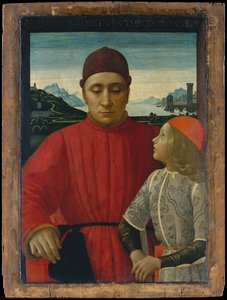
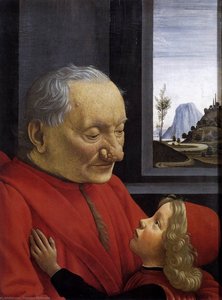
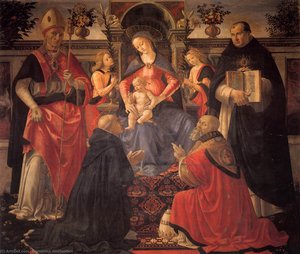
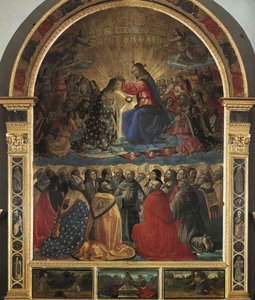
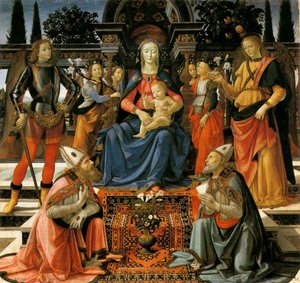
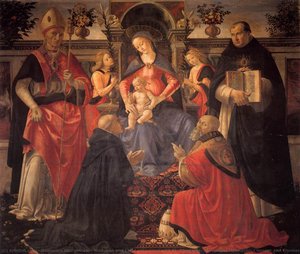
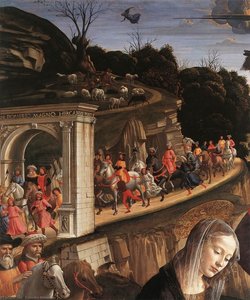
The painting “Adoration of the Shepherds” by Domenico Ghirlandaio stands as a testament to the burgeoning humanist spirit of Florence in 1483, capturing not merely a biblical narrative but also an idealized vision of aristocratic piety and opulent patronage. Executed in oil paint on wood panel – a technique favored for its luminosity and ability to achieve subtle tonal gradations – this masterpiece exemplifies the Early Renaissance’s commitment to realism tempered by artistic idealism. It resides within the Palazzo Vecchio, Florence's civic hall, reflecting the ambition and prestige of the Medici rulers who commissioned it.Composition and Style: Embracing Geometric Precision
Ghirlandaio skillfully employs geometric principles to orchestrate a complex yet harmonious scene. The canvas is divided into three distinct zones – foreground, central panel, and background – establishing spatial depth through linear perspective. Rectangular buildings dominate the architectural backdrop, anchoring the composition while subtly guiding the viewer’s gaze. Circles delineate wheels and possibly symbolic representations of celestial bodies, reinforcing the overarching theme of divine order. Figures are rendered with anatomical accuracy, mirroring the influence of Leonardo da Vinci's anatomical studies – a hallmark of Florentine artistic innovation during this period. The artist’s meticulous attention to detail extends beyond mere representation; he imbues each element with expressive nuance, conveying emotion and conveying spiritual reverence.Technique: Glazing and Luminosity - Mastering Light
Ghirlandaio’s mastery lies in his masterful use of glazing – a technique whereby thin layers of translucent pigment are applied over underlying colors to create depth and luminosity. This method allows for the subtle blending of hues, producing an ethereal glow that illuminates the faces of the shepherds and enhances the richness of the landscape. The artist skillfully captures the interplay of light and shadow, emphasizing textures like wool garments and polished stone surfaces. Careful observation of natural phenomena informs his depiction of the Tuscan countryside – a deliberate choice to elevate the scene beyond mere religious iconography into a celebration of earthly beauty intertwined with spiritual contemplation.Symbolism: Animals as Embodiments of Virtue
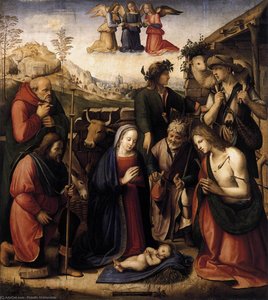
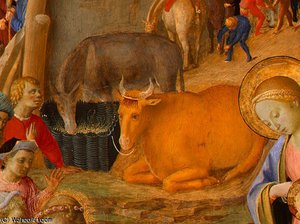
The inclusion of animals—a lamb, oxen, and doves—is laden with symbolic significance. The lamb represents innocence and purity, mirroring Jesus’s role as the sacrificial Lamb of God. Oxen symbolize strength and fertility, reflecting the pastoral setting and hinting at divine providence. Doves embody peace and holiness, reinforcing the overarching message of Christian faith. Furthermore, the shepherds themselves are depicted as humble figures—a deliberate contrast to the grandeur of the aristocratic patrons who commissioned the artwork – embodying piety and devotion.Emotional Impact: A Window into Renaissance Idealism
“Adoration of the Shepherds” transcends its biblical subject matter to evoke a profound sense of serenity and contemplation. The luminous palette, combined with the carefully crafted composition, transports viewers back to fifteenth-century Florence—a time marked by intellectual curiosity, artistic fervor, and unwavering belief in divine grace. It remains an enduring symbol of Renaissance idealism – capturing not only the visual splendor of its era but also the spiritual aspirations of humankind. Its presence within Palazzo Vecchio serves as a reminder of Florence’s legacy as a cradle of art and culture, continuing to inspire admiration centuries later.Obras relacionadas
Biografía del artista
Primeros años y formación
Domenico di Tommaso Curradi di Doffo Bigordi, conocido como Domenico Ghirlandaio, fue un pintor del Renacimiento italiano nacido en Florencia, Italia (1449-1494). Formó parte de la llamada "tercera generación" del Renacimiento florentino, junto con Verrocchio, los hermanos Pollaiolo y Sandro Botticelli. La primera etapa de Ghirlandaio se caracteriza por su aprendizaje con su padre, un orfebre, donde desarrolló sus habilidades para crear tocados metálicos con forma de guirnalda que eran usados por las mujeres florentinas. Esto le valió el apodo de "il ghirlandaio" (fabricante de guirnaldas). Posteriormente estudió pintura y mosaico bajo la tutela de Alesso Baldovinetti.Carrera artística
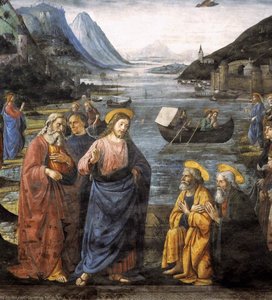
La carrera artística de Ghirlandaio se caracteriza por su excepcional talento para representar la vida contemporánea y los retratos dentro de narrativas religiosas. Esto le granjeó una enorme popularidad y numerosas comisiones importantes. Su taller, que incluía a sus hermanos Davide y Benedetto Ghirlandaio, era altamente eficiente y productivo.- Los trabajos más destacados de Ghirlandaio incluyen los ciclos de frescos en la capilla Sassetti de Santa Trinita (1482-1485) y la vocación de los apóstoles en la Capilla Sixtina (1483).
- Su estilo se caracteriza por su capacidad para representar escenas de la vida contemporánea y retratos dentro de narrativas religiosas, aportando un sentido de realismo a su obra.
- Su futuro cuñado, Sebastiano Mainardi, lo asistió en estas comisiones y en los frescos iniciales en San Gimignano.
Influencias y desarrollo
Ghirlandaio se vio influenciado por artistas como Alesso Baldovinetti y Andrea del Verrocchio, aprendiendo de sus técnicas y estilos. Sin embargo, desarrolló su propio enfoque distintivo al incorporar elementos realistas y contemporáneos en sus obras religiosas. Su habilidad para representar figuras humanas con gran detalle y precisión, así como su dominio de la perspectiva lineal, contribuyeron a su éxito y popularidad. El taller de Ghirlandaio se convirtió en un centro importante de producción artística, formando a numerosos aprendices, incluyendo al famoso Michelangelo.Obras destacadas y legado
Ve las obras de Domenico Ghirlandaio en ArtsDot- St. Jerome in his study (1480), una obra complementaria a la de Botticelli, Saint Augustine in his study, muestra la habilidad de Ghirlandaio en la pintura al fresco.
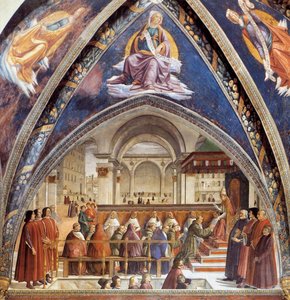
- La Apoteosis de St. Zenóbio (1482) en la sala del giglio, Palazzo Vecchio, es un ejemplo de su habilidad compositiva y perspectiva.
Museos y colecciones
El Museo San Giovanni (Siena, Italia) alberga una colección de obras de arte, incluyendo las del Renacimiento italiano. La Capilla Sixtina, donde Ghirlandaio trabajó en la vocación de los apóstoles, es reconocida por sus frescos y forma parte importante de la historia del arte. Aprende más sobre San Gimignano en Wikipedia.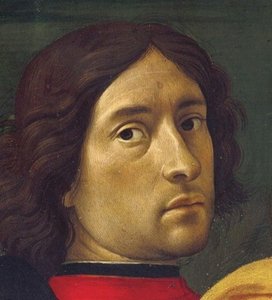
Domenico Ghirlandaio
1449 - 1494 , Italia
Datos clave
- Artistas Que Influyeron:
- Verrocchio
- Botticelli
- Alesso Baldovinetti
- Fecha De Muerte: 11 de enero de 1494
- Fecha De Nacimiento: 2 de junio de 1448
- Influenciado A Artistas: ['Michelangelo']
- Lugar De Nacimiento: Florencia, Italia
- Movimiento Artístico: Renacimiento italiano
- Nacionalidad: Italiana
- Nombre Completo: Domenico Ghirlandaio
- Obras Notables:
- St. Jerome in his Study
- Apoteosis of St. Zenobius
- Vocation of the Apostles
Artículos relacionados

The Enduring Legacy of Oil on Canvas: Technique, History & Aesthetic Impact
Explore the rich history & techniques of oil painting – from Renaissance masters to Impressionism. Discover pigments, layering methods, and why this timeless medium endures. Expert insights for artists & art enthusiasts.

El Óleo sobre Lienzo: Historia, Técnica y la Persistencia de un Medio Artístico Atemporal
Descubre la historia y técnica del óleo sobre lienzo. Explora reproducciones fieles hechas a mano, personalización artística y consejos de expertos con ArtsDot. ¡Colecciona arte con confianza!
Oil on Board: A Historical Survey of Technique, Aesthetic Qualities & Enduring Appeal
Explore the rich history of oil on board painting! Discover techniques, aesthetic qualities & enduring appeal from early masters to modern practice. Expert insights for collectors and art enthusiasts.

The Enduring Power of Painting: A Historical & Contemporary Exploration of Form and Emotion
Explore the rich history & enduring techniques of oil painting with ArtsDot. Discover masterpieces, learn about art collecting, and find authentic handmade reproductions crafted by skilled artists.

El Legado Duradero del Óleo sobre Lienzo: Técnica, Historia y Práctica Contemporánea
Descubre la historia y técnica del óleo sobre lienzo. Explora reproducciones fieles hechas a mano, personalización artística y consejos de expertos con .