

 Ver en contexto
 Enviar
 Compartir
 Detalles

 Descargar
 Similares
 Radiografía
 Presentación de diapositivas
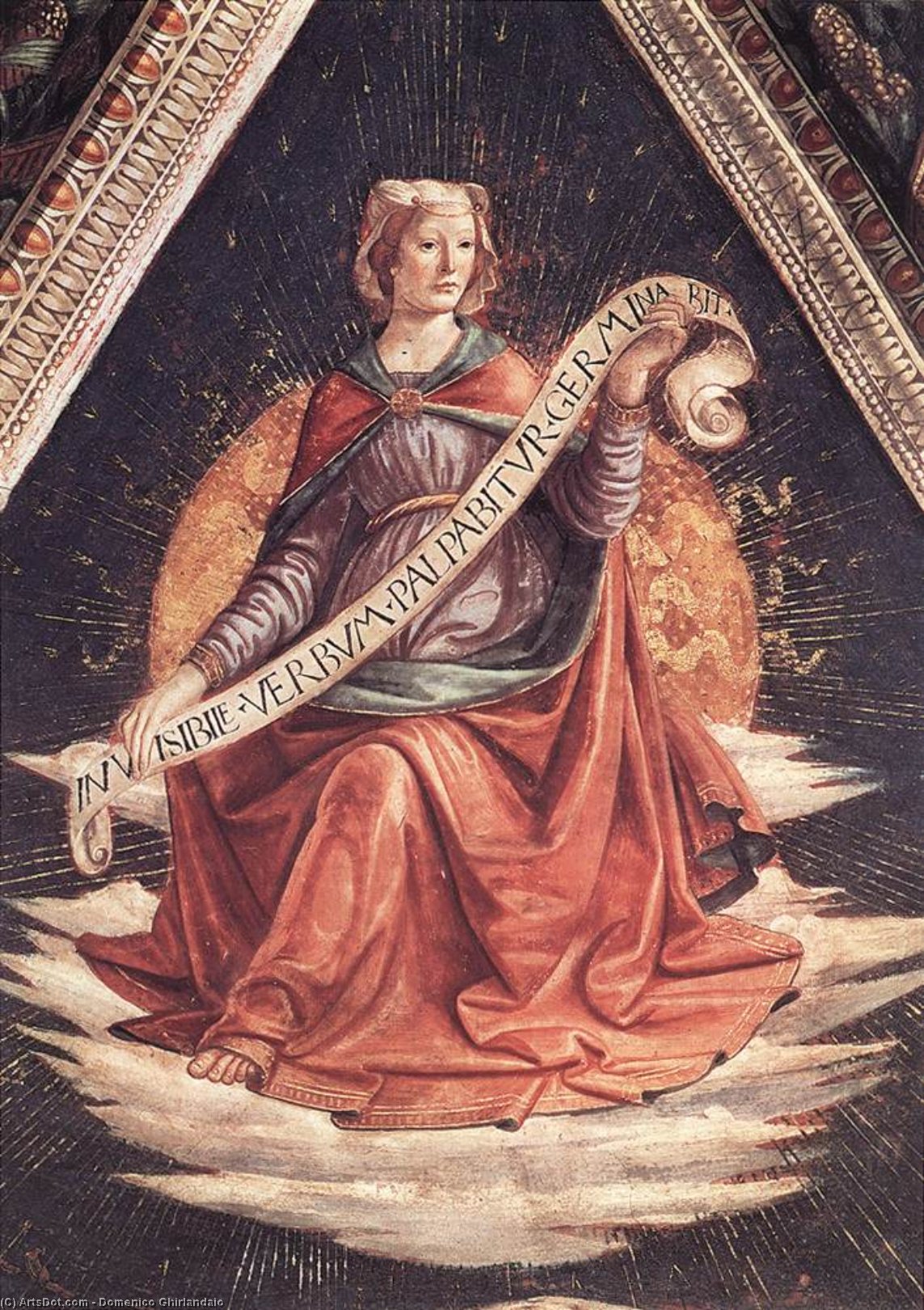
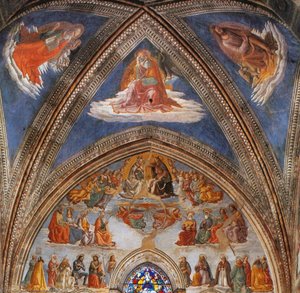
Sibyl


 Ver más
Adquiera una imagen digital de alta resolución y optimizada, muy superior a la vista previa en línea.
Cada archivo es preparado meticulosamente por nuestros especialistas internos mediante el uso de herramientas avanzadas y un experto retoque manual. Nos aseguramos de que cada imagen posea una claridad excepcional, una precisión cromática impecable y un detalle minucioso.
El archivo final se entrega por correo electrónico en un plazo de 72 horas, optimizado para su uso inmediato en entornos profesionales, editoriales y de impresión. Esta es la misma calidad en la que confían los estudios de diseño, las editoriales y las galerías de primer nivel.
Imagen Digital
Descarga un archivo de alta resolución para exhibición personal, impresión y proyectos creativos. ( Comprar impresión Comprar pintura hecha a mano)
Incluido en cada pedido de imágenes digitales
Entrega digital experta, garantizada.
Al elegir ArtsDot.com, no solo está adquiriendo una imagen; está recibiendo una obra de arte digital mejorada profesionalmente, elaborada con precisión y respaldada por una garantía de satisfacción. Esto es todo lo que incluye su pedido, automáticamente:

Entrega rápida por email
Recibirá su archivo de imagen digital en alta resolución por correo electrónico en un plazo de 72 horas tras realizar su pedido, listo para su uso inmediato.

Archivo digital optimizado por IA
Su obra de arte se optimiza profesionalmente mediante herramientas avanzadas de IA y edición manual, garantizando el máximo detalle, claridad y precisión cromática.

Reenvío gratuito de por vida
¿Has borrado o perdido tu archivo por error? No te preocupes: te lo volveremos a enviar en cualquier momento, sin coste adicional.

Sin gastos de importación, siempre
Disfrute de su obra de arte al instante sin aduanas, aranceles ni gastos de envío; las descargas digitales siempre están libres de impuestos.

Garantía de fidelidad de color
Garantizamos que su imagen digital refleje los colores originales con la mayor fidelidad posible, mediante el uso de herramientas profesionales y gestión del color.

Garantía de satisfacción de 60 días
Si no está satisfecho con su imagen digital, la revisaremos o le reembolsaremos el 100% en un plazo de 60 días, sin preguntas.

100% Garantía de devolución de dinero
¿No está satisfecho? Obtenga un reembolso completo dentro de los 60 días posteriores a la recepción de su archivo digital, sin necesidad de explicaciones.

Descuentos por pedidos grandes
Compra 3 imágenes, ahorra 10% - Compra 5, ahorra 15% - Compra 10+, ahorra 20%. Ideal para proyectos creativos, galerías y agencias.
A Vision of Divine Counsel: Unveiling Domenico Ghirlandaio’s “Sibyl”
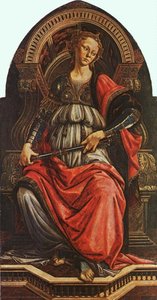
Domenico Ghirlandaio's "Sibyl," painted in 1483-1486 during the flourishing of the Early Renaissance in Florence, is more than just a portrait; it’s a window into a world where prophecy and divine inspiration intertwined. This captivating fresco, currently residing within the serene confines of Santa Trinita Basilica, offers a profound meditation on faith, knowledge, and the enduring power of the feminine spirit. The painting immediately draws the eye with its rich palette – deep reds, vibrant golds, and earthy browns—a testament to Ghirlandaio’s masterful command of color and light. The composition is strikingly vertical, dominated by the central figure of the Sibyl herself, a woman radiating an aura of both solemnity and profound wisdom.
At first glance, the subject appears to be a religious depiction, perhaps mirroring the Virgin Mary or another revered female archetype. However, closer inspection reveals a more complex narrative. The Sibyl isn’t merely a passive recipient of divine revelation; she is actively engaged in conveying a message—a scroll clutched firmly in her hand bears an inscription, hinting at prophecies and insights destined to shape the future. Her posture, seated on a simple throne, suggests authority and dignity, while her gaze, direct and unwavering, invites contemplation.
The Renaissance Embrace of Symbolism
Ghirlandaio’s work is deeply rooted in the artistic principles of the Early Renaissance, a period characterized by a renewed interest in classical antiquity and a fervent desire to represent the world with increasing realism. Yet, he skillfully blends these influences with a distinctly Florentine sensibility. The meticulous attention to detail—the folds of her drapery, the delicate rendering of her face, the intricate patterns within the background—demonstrates Ghirlandaio’s exceptional technical skill. The use of perspective, though somewhat flattened compared to later Renaissance masters, creates a sense of depth and volume, drawing the viewer into the scene.
Crucially, “Sibyl” is saturated with symbolism. The throne itself represents authority and divine connection, while the scroll embodies knowledge and prophecy. The colors—particularly the red—are associated with passion, sacrifice, and spiritual enlightenment. The overall composition echoes the classical tradition of depicting sibyls as female oracles, figures who served as intermediaries between the gods and humanity. This particular Sibyl is not simply a prophetess; she’s a conduit for divine wisdom, offering guidance and insight to those who seek it.
A Glimpse into Florentine Art History
Domenico Ghirlandaio was a pivotal figure in the artistic landscape of Florence during the late 15th century. Born Domenico di Tommaso Curradi Bigordi, he initially apprenticed under his father, a goldsmith, before transitioning to painting and receiving instruction from masters like Alesso Baldovinetti and potentially Andrea del Verrocchio. His career spanned several decades, marked by commissions for prominent families and religious institutions throughout Tuscany. “Sibyl” is considered one of his most significant works, showcasing his evolving style and artistic maturity.
Further research reveals that Ghirlandaio’s work often incorporated contemporary life alongside religious themes, reflecting the humanist values prevalent during the Renaissance. His paintings frequently depicted portraits of Florentine citizens, capturing their personalities and social standing with remarkable accuracy. The “Sibyl” fresco is a testament to this dual approach—a timeless depiction of divine inspiration interwoven with the vibrant realities of 15th-century Florence.
Beyond the Canvas: Reproduction and Legacy
Today, "Sibyl" continues to captivate viewers with its beauty, symbolism, and historical significance. Reproductions offer a remarkable opportunity to bring this masterpiece into homes and spaces, allowing us to appreciate Ghirlandaio’s artistry on a personal level. When selecting a reproduction, consider the quality of materials and printing techniques—a faithful rendering will capture the nuances of color, texture, and detail that define the original painting. “Sibyl” remains a powerful reminder of the enduring allure of prophecy, faith, and the timeless beauty of Renaissance art.
Obras relacionadas
![Estancias Vaticanas – La Disputa (detalle) [08] — Rafael, High Renaissance](/media/artworks/images-thumb/3d/82/3d824970f573582a9a29e0e167a781f5.jpg)

Biografía del artista
Primeros años y formación
Domenico di Tommaso Curradi di Doffo Bigordi, conocido como Domenico Ghirlandaio, fue un pintor del Renacimiento italiano nacido en Florencia, Italia (1449-1494). Formó parte de la llamada "tercera generación" del Renacimiento florentino, junto con Verrocchio, los hermanos Pollaiolo y Sandro Botticelli. La primera etapa de Ghirlandaio se caracteriza por su aprendizaje con su padre, un orfebre, donde desarrolló sus habilidades para crear tocados metálicos con forma de guirnalda que eran usados por las mujeres florentinas. Esto le valió el apodo de "il ghirlandaio" (fabricante de guirnaldas). Posteriormente estudió pintura y mosaico bajo la tutela de Alesso Baldovinetti.Carrera artística
La carrera artística de Ghirlandaio se caracteriza por su excepcional talento para representar la vida contemporánea y los retratos dentro de narrativas religiosas. Esto le granjeó una enorme popularidad y numerosas comisiones importantes. Su taller, que incluía a sus hermanos Davide y Benedetto Ghirlandaio, era altamente eficiente y productivo.- Los trabajos más destacados de Ghirlandaio incluyen los ciclos de frescos en la capilla Sassetti de Santa Trinita (1482-1485) y la vocación de los apóstoles en la Capilla Sixtina (1483).
- Su estilo se caracteriza por su capacidad para representar escenas de la vida contemporánea y retratos dentro de narrativas religiosas, aportando un sentido de realismo a su obra.
- Su futuro cuñado, Sebastiano Mainardi, lo asistió en estas comisiones y en los frescos iniciales en San Gimignano.
Influencias y desarrollo
Ghirlandaio se vio influenciado por artistas como Alesso Baldovinetti y Andrea del Verrocchio, aprendiendo de sus técnicas y estilos. Sin embargo, desarrolló su propio enfoque distintivo al incorporar elementos realistas y contemporáneos en sus obras religiosas. Su habilidad para representar figuras humanas con gran detalle y precisión, así como su dominio de la perspectiva lineal, contribuyeron a su éxito y popularidad. El taller de Ghirlandaio se convirtió en un centro importante de producción artística, formando a numerosos aprendices, incluyendo al famoso Michelangelo.Obras destacadas y legado
Ve las obras de Domenico Ghirlandaio en ArtsDot- St. Jerome in his study (1480), una obra complementaria a la de Botticelli, Saint Augustine in his study, muestra la habilidad de Ghirlandaio en la pintura al fresco.
- La Apoteosis de St. Zenóbio (1482) en la sala del giglio, Palazzo Vecchio, es un ejemplo de su habilidad compositiva y perspectiva.
Museos y colecciones
El Museo San Giovanni (Siena, Italia) alberga una colección de obras de arte, incluyendo las del Renacimiento italiano. La Capilla Sixtina, donde Ghirlandaio trabajó en la vocación de los apóstoles, es reconocida por sus frescos y forma parte importante de la historia del arte. Aprende más sobre San Gimignano en Wikipedia.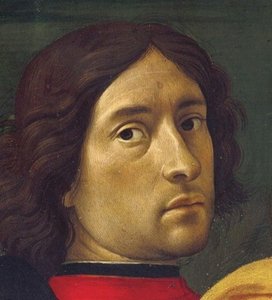
Domenico Ghirlandaio
1449 - 1494 , Italia
Breves datos
- Artistas Que Influyeron:
- Verrocchio
- Botticelli
- Alesso Baldovinetti
- Fecha De Muerte: 11 de enero de 1494
- Fecha De Nacimiento: 2 de junio de 1448
- Influenciado A Artistas: ['Michelangelo']
- Lugar De Nacimiento: Florencia, Italia
- Movimiento Artístico: Renacimiento italiano
- Nacionalidad: Italiana
- Nombre Completo: Domenico Ghirlandaio
- Obras Notables:
- St. Jerome in his Study
- Apoteosis of St. Zenobius
- Vocation of the Apostles

