 Enviar
 Compartir
 Detalles

 Descargar
 Similares
 Presentación de diapositivas
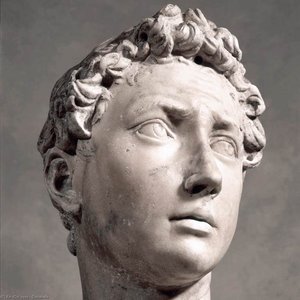
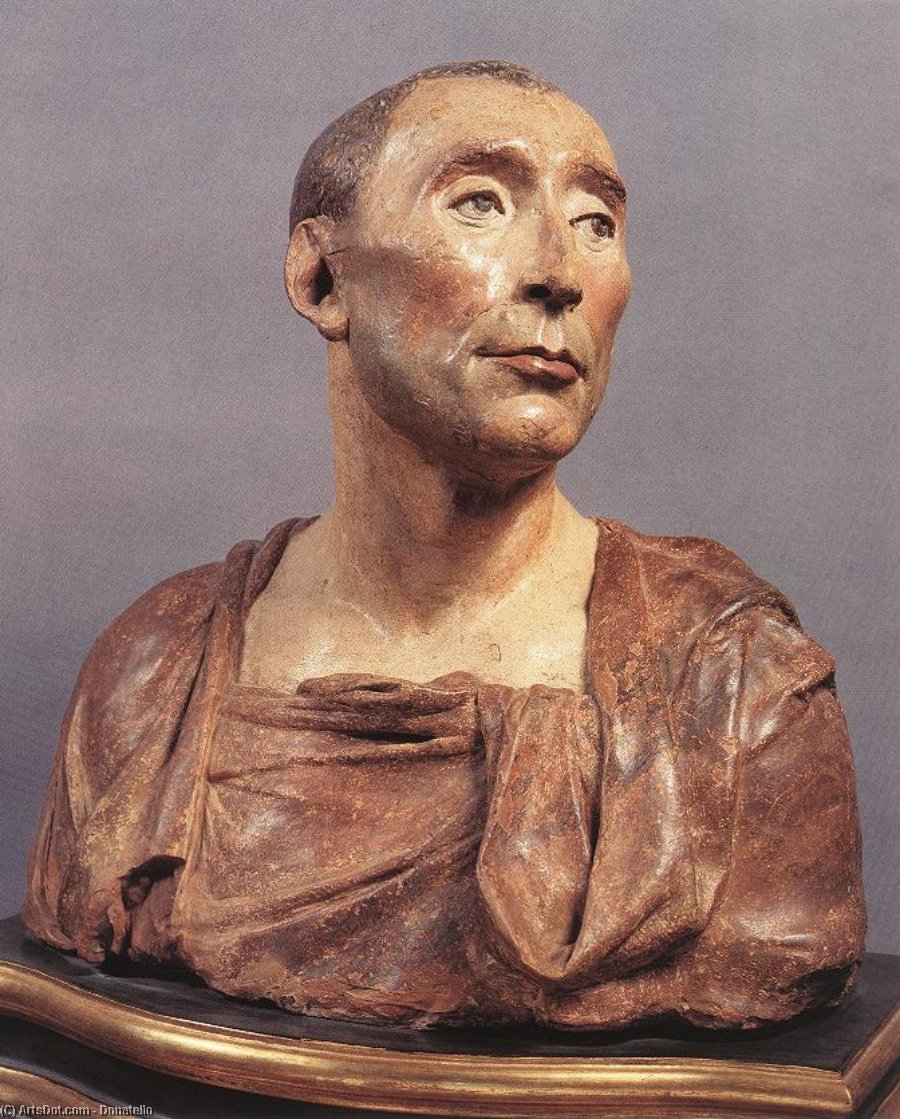
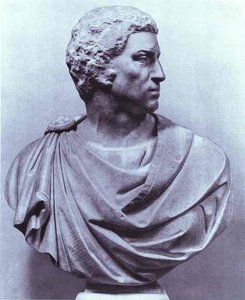
Bust of Niccolo da Uzzano


 Ver más
Reproducción al óleo hecha a mano
Óleo sobre lienzo pintado a mano en el tamaño y marco de su elección, realizado por encargo por nuestros artistas. ( Comprar impresión Comprar imagen)




































Elija entre nuestros tamaños predefinidos que respetan las proporciones originales de la obra.

Puede ingresar sus propias dimensiones para adaptarse a un marco o espacio específico. Si el tamaño seleccionado no coincide con las proporciones de la imagen original, recortaremos la obra o extenderemos la pintura con elementos adicionales pintados a mano. Se le enviará una maqueta digital para su aprobación antes de comenzar la producción.
Tenga en cuenta que la vista previa en pantalla no refleja el recorte o la extensión reales. Solo la maqueta mostrará con precisión la composición final.
Si bien existen tamaños personalizados, recomendamos seleccionar una dimensión de la lista predefinida para preservar las proporciones originales.
Tras realizar el pedido, el equipo de ArtsDot.com enviará un correo electrónico al cliente para solicitar instrucciones y proporcionarle una vista previa del boceto.
Envío a todo el mundo () en 3-4 semanas en lugar de las 5 semanas estándar. (7 septiembre). Sin comprometer la calidad.

Envío exprés gratuito a todo el mundo

Lienzo de lino de alta calidad

Seguro de envío total

Garantía de reembolso de impuestos aduaneros

Garantía de fidelidad cromática exacta

Política de devolución de 100 días (solo por defectos)

Garantía de devolución del 100% del dinero

Descuento por cantidad
 La opción de vidrio solo está disponible en tamaños inferiores a 110 cm.

Bust of Niccolo da Uzzano
Técnica de reproducción
Dimensiones de la reproducción
-


Precio total final
$ 263
A Portrait of Power and Wisdom: Unveiling Donatello’s Bust of Niccolò da Uzzano
Donatello's 1430s marble bust of Niccolò da Uzzano is more than just a sculpted likeness; it’s a profound meditation on leadership, duty, and the quiet strength required to navigate the turbulent currents of Florentine politics. This remarkable piece, housed within the Bargello Museum in Florence, offers a rare glimpse into the character of a man who held immense power yet maintained an aura of dignified restraint – a figure whose story continues to resonate centuries later.
Uzzano’s life was inextricably linked with the fate of Florence. As Gonfaloniere of Justice, he served as the city's chief magistrate during a period of intense political maneuvering and ultimately, bitter conflict between factions vying for control. He wasn’t a flamboyant warrior or a celebrated general; rather, his influence stemmed from shrewd judgment, unwavering loyalty to the Florentine Republic, and an ability to mediate disputes with remarkable effectiveness. Donatello masterfully captured this essence in the bust – not through overt displays of heroism, but through subtle gestures and a carefully constructed expression.
The Language of Marble: Technique and Artistic Innovation
Donatello’s skill as a sculptor is immediately apparent in the astonishing realism achieved within the confines of marble. The artist employed subtractive sculpting – meticulously removing material to reveal the form, a technique perfected over centuries but brilliantly executed here. Note the incredibly detailed rendering of the musculature, subtly suggesting the strength and resilience required for Uzzano’s demanding role. The texture of the skin is remarkably convincing, achieved through countless tiny chisel marks that mimic the feel of human flesh. The drapery, though simplified, flows with a naturalism that adds to the sense of movement and vitality.
- Polychromy: While now primarily monochrome due to time and restoration, the original bust was likely painted in vibrant colors – red for the robe, perhaps gold or ochre for details on the face. This polychromatic approach, common in Florentine sculpture of the period, would have heightened the figure’s presence and emphasized his importance.
- Contrapposto: Donatello skillfully utilizes contrapposto—a subtle shift in weight that creates a dynamic balance—to give Uzzano a sense of groundedness and poise. This technique is crucial to conveying the man's inner strength and unwavering resolve.
Symbolism and the Stoic Ideal
The composition itself speaks volumes about Uzzano’s character. The figure is presented in profile, a classical convention that emphasizes dignity and formality. His gaze, directed slightly to the side, suggests contemplation rather than confrontation – a hallmark of the stoic ideal he embodies. His posture is upright and self-assured, yet there's no hint of arrogance or boastfulness. Instead, we see a man who carries himself with quiet confidence, accepting his responsibilities without complaint.
The choice of marble itself is significant.Marble was associated with purity, nobility, and the divine – qualities that Uzzano undoubtedly possessed in the eyes of the Florentine people. By depicting him in this enduring material, Donatello elevates his subject to a position of lasting honor and remembrance.
A Legacy of Dignity: The Bust’s Enduring Impact
Donatello's Bust of Niccolò da Uzzano represents a pivotal moment in the development of Renaissance portraiture. It moved beyond mere likeness, striving to capture not just physical appearance but also the inner character and moral qualities of the subject. The bust continues to fascinate art historians and collectors alike, serving as a testament to Donatello’s genius and a poignant reminder of the complexities of power, duty, and the enduring pursuit of wisdom. It's a piece that invites us to contemplate the quiet heroism found in those who navigate the challenges of leadership with grace and integrity.
Obras relacionadas
Biografía del artista
Vida temprana y carrera
Donato di Niccolò di Betto Bardi, conocido como Donatello, nació en Florencia, Italia alrededor de 1386. Estudió escultura clásica, lo que influyó fuertemente en su desarrollo de un estilo del primer Renacimiento. Este nuevo enfoque hacia el arte y la cultura eventualmente se convertiría en la característica distintiva del florentino renacimiento.Obras clave e innovaciones
La obra más famosa de Donatello, David, fue la primera escultura masculina desnuda independiente desde la antigüedad. Comisionada por la familia Medici, mostró su estilo innovador y experiencia técnica. Otras obras notables incluyen:- San Luis de Tolosa (ahora en el museo de la Basílica di Santa Croce), que presentaba un marco clásico diseñado por Donatello.
- El sacrificio de Isaac, creado para el campanile de Santa Maria del Fiore en Florencia, se caracterizó por fuertes detalles de retrato.
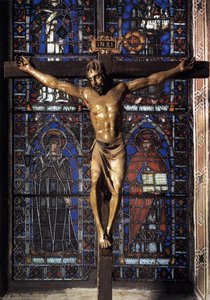
- Crucifijo (1425) para Santa Croce, que retrataba a Cristo en un momento de agonía.
Estilo artístico y legado
El estilo de Donatello puede dividirse en amplias fases, comenzando con el desarrollo de expresividad y monumentalidad clásica. Su obra no fue inmediatamente aceptada por la comunidad, pero eventualmente se convirtió en la más popular, influyendo a otros tribunales italianos y artistas europeos. Movimientos artísticos clave:Vida personal y estilo de trabajo
Donatello era conocido por ser afable y querido, pero pobre en el lado comercial de su carrera. Tendía a aceptar más comisiones de las que podía manejar, a menudo completando obras tarde o entregándolas a otros escultores. Obras de arte notables y artistas:- Leonardo da Vinci: Anunciación (detalle)
- Amico Aspertini: Estátua de Pan/León que azota a un caballo
- Miguel Ángel Buonarroti: Tondo Pitt
Museos y colecciones de arte
- Museo della Collegiata (Empoli, Italia): una joya oculta del renacimiento, con obras de Francesco Botticini y Raffaello Botticini.
- El movimiento artístico del primer Renacimiento italiano
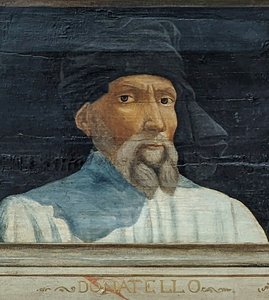
Donatello
1386 - 1466 , Italia
Datos clave
- Artistas Que Influyeron:
- Lorenzo Ghiberti
- Nanni di Banco
- Fecha De Nacimiento: c. 1386
- Influenciado A Artistas:
- Leonardo da Vinci
- Michelangelo Buonarroti
- Lugar De Nacimiento: Florencia, Italia
- Movimiento Artístico: Renacimiento temprano
- Nacionalidad: Italiana
- Nombre Completo: Donatello (Donato di Niccolò)
- Obras Notables:
- David
- St. Louis of Toulouse
- Sacrifice of Isaac
- Crucifix (1425)
Artículos relacionados
The Enduring Allure of Marble in Art History: From Classical Sculpture to Modern Abstraction
Explore the captivating history of marble sculpture from ancient Greece to modern art. Discover renowned artists like Canova & Michelangelo, carving techniques, and investment insights at ArtsDot.

Esculturas de Bronce Legendarias: 10 Obras Maestras que Transformaron el Arte | ArtsDot
Descubre las 10 esculturas de bronce más legendarias que revolucionaron el arte. Explora la historia de Rodin, Degas y otros maestros del bronce. Encuentra reproducciones de alta calidad e inspiración para tu hogar en ArtsDot.com.

Las 10 Obras Maestras de Bronce que Revolucionaron la Historia del Arte | ArtsDot
Descubre las 10 esculturas de bronce más influyentes de la historia del arte. Explora obras maestras de Rodin, Degas y otros genios. Encuentra reproducciones de arte de calidad museo en ArtsDot.com.

The Enduring Form: Exploring Themes & Techniques in Sculpture Across Historical Periods
Explore the rich history of sculpture from ancient masterpieces to contemporary innovations. Discover key techniques, influential artists & investment potential for discerning art collectors.
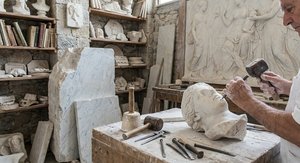
The Enduring Legacy of Marble: A Comprehensive Exploration of Technique, Symbolism & Artistic Expression
Explore the rich history of marble sculpture from antiquity to the Renaissance! Discover key techniques, influential artists & enduring themes in classical art. Expert insights for collectors and enthusiasts at ArtsDot.