 Ver en contexto
 Enviar
 Compartir
 Detalles

 Descargar
 Similares
 Radiografía
 Presentación de diapositivas
 Estadísticas
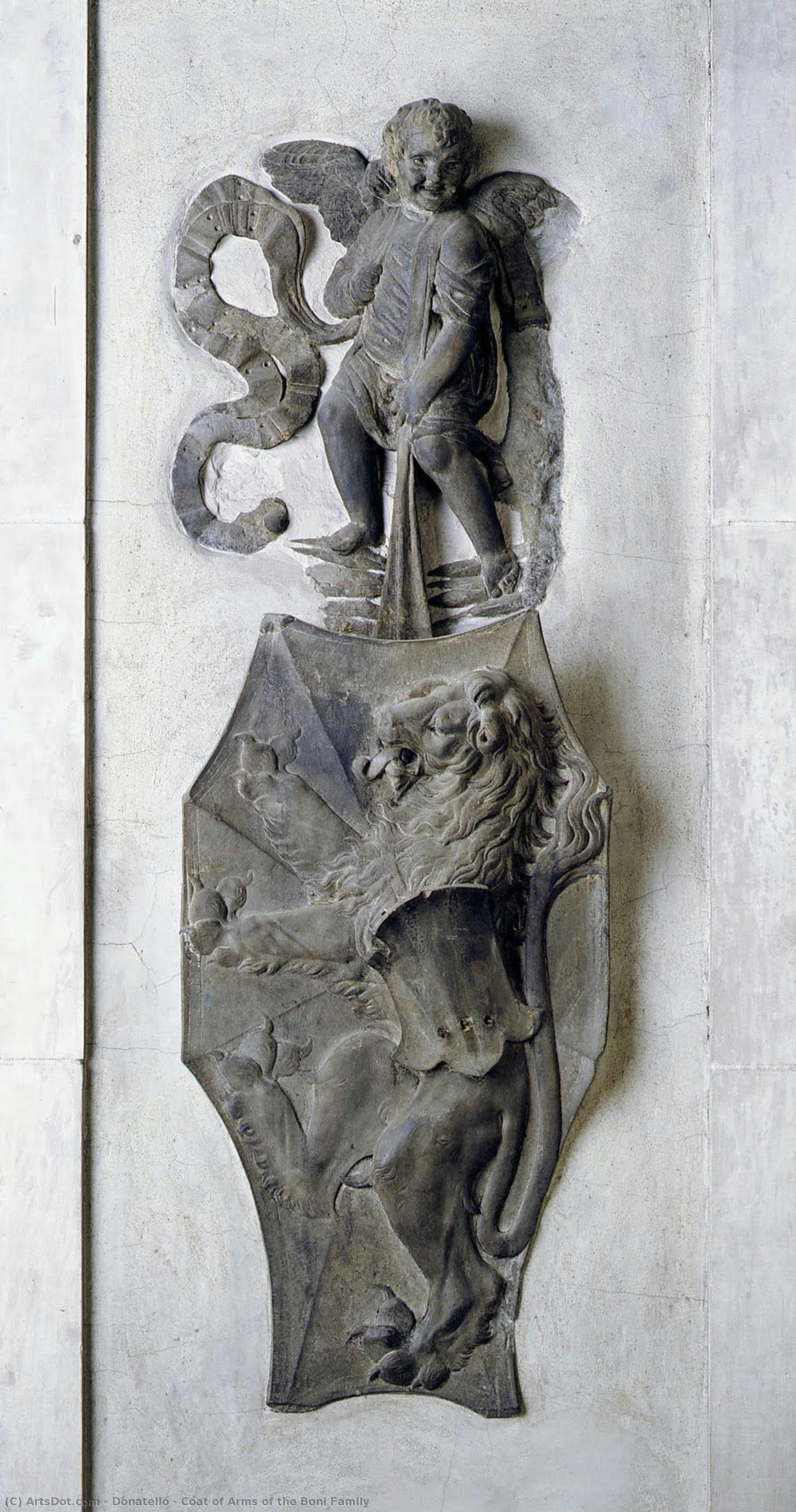
Coat of Arms of the Boni Family


 Ver más
Reproducción al óleo hecha a mano
Óleo sobre lienzo pintado a mano en el tamaño y marco de su elección, realizado por encargo por nuestros artistas. ( Cambiar a Impresión Cambiar a imagen digital)




P118B $10

P118H $10

P118W $10

P438Z $10

P508JH $12

P508YH $12

P805H $10

P805Z $10

P919BZ $10

P919G $10

P919XJ $10

P959ZH $10

P968JZ $12

W106C $8

W218G $10

W218JH $8

W218Y $10

W307PJ $10

W316G $10

W316PJ $8

W316Y $10

W398PJ $8

W4111J $10

W500HY $15

W500JH $15

W692G $12

W849H $8

W940BG $15

W953PJ $8




Elija entre nuestros tamaños predefinidos que respetan las proporciones originales de la obra.

Puede ingresar sus propias dimensiones para adaptarse a un marco o espacio específico. Si el tamaño seleccionado no coincide con las proporciones de la imagen original, recortaremos la obra o extenderemos la pintura con elementos adicionales pintados a mano. Se le enviará una maqueta digital para su aprobación antes de comenzar la producción.
Tenga en cuenta que la vista previa en pantalla no refleja el recorte o la extensión reales. Solo la maqueta mostrará con precisión la composición final.
Si bien existen tamaños personalizados, recomendamos seleccionar una dimensión de la lista predefinida para preservar las proporciones originales.
Tras realizar el pedido, el equipo de ArtsDot.com enviará un correo electrónico al cliente para solicitar instrucciones y proporcionarle una vista previa del boceto.
Envío a todo el mundo () en 3-4 semanas en lugar de las 5 semanas estándar. (9 septiembre). Sin comprometer la calidad.

Envío exprés gratuito a todo el mundo

Lienzo de lino de alta calidad

Seguro de envío total

Garantía de reembolso de impuestos aduaneros

Garantía de fidelidad cromática exacta

Política de devolución de 100 días (solo por defectos)

Garantía de devolución del 100% del dinero

Descuento por cantidad
 La opción de vidrio solo está disponible en tamaños inferiores a 110 cm.

Coat of Arms of the Boni Family
Técnica de reproducción
Dimensiones de la reproducción
-


Precio total final
$ 263
Donatello’s Vision of Noble Lineage
The sculpture “Coat of Arms of the Boni Family,” crafted by Donatello around 1457, stands as a testament to Renaissance artistic innovation and humanist ideals. Executed in sandstone—a material favored for its durability and ability to capture subtle tonal variations—the piece embodies the spirit of Florence during its golden age, reflecting the burgeoning interest in classical antiquity alongside fervent devotion to Christian faith. Its creator, Donatello himself, was deeply influenced by the rediscovery of Greek sculpture, prioritizing anatomical accuracy and emotional expression over stylized conventions prevalent in earlier Gothic art. This stylistic shift marks a pivotal moment in artistic history, signaling a move toward naturalism and idealized beauty—characteristics that would define the Renaissance aesthetic for decades to come.- Composition & Symbolism: The sculpture’s central arrangement—an angel figure supporting a shield bearing heraldic imagery—immediately establishes a hierarchy of power and virtue. Donatello skillfully employs geometric principles, mirroring those found in classical architecture, to convey balance and stability. The angel symbolizes divine protection and guidance, while the lion rampant represents courage, strength, and nobility – qualities traditionally associated with noble families like the Boni.
- Technique: Donatello’s mastery of relief sculpting is evident in every detail. He meticulously carved the sandstone surface, utilizing tools honed to achieve exceptional precision. The sculptor skillfully employed shading techniques—a hallmark of Renaissance sculpture—to create a convincing illusion of depth and volume. Careful polishing brought out the stone's natural luster, enhancing its visual impact and emphasizing the textural qualities of the material.
- Material & Medium: Primarily crafted from sandstone (Pietra serena), Donatello’s technique demanded considerable skill and patience. The choice of stone reflects a preference for permanence and solidity—values that resonated with humanist ideals of virtue and honor. Tools used for carving and polishing were essential to achieving the sculpture's refined finish, demonstrating Donatello’s dedication to mastering his craft.
- Historical Context: Created during the Florentine Renaissance, “Coat of Arms of the Boni Family” reflects the broader cultural transformation occurring at the time. The patronage of wealthy families like the Boni fueled artistic creativity and propelled Florence to become a center for intellectual and artistic innovation. Donatello’s work aligns with the humanist movement's emphasis on human dignity and rational thought—values that challenged medieval dogma and celebrated earthly beauty.
- Emotional Impact: Viewing this sculpture evokes contemplation and admiration for Donatello’s artistic genius. The angel’s serene posture conveys a sense of peace and spiritual aspiration, while the lion embodies unwavering fortitude. Together, these elements communicate an enduring message about lineage, honor, and the pursuit of excellence—themes that continue to inspire viewers today.
- Detroit Institute of Arts: Coat of Arms of the Boni Family
- Google Arts & Culture: Coat of Arms of the Boni Family - Donatello - Google Arts & Culture
- Wikipedia: Donatello
Obras relacionadas
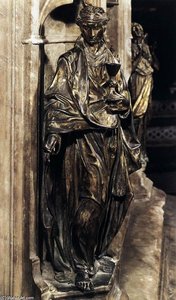
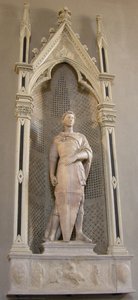

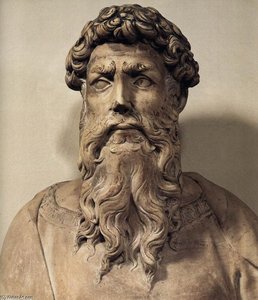

Biografía del artista
Vida temprana y carrera
Donato di Niccolò di Betto Bardi, conocido como Donatello, nació en Florencia, Italia alrededor de 1386. Estudió escultura clásica, lo que influyó fuertemente en su desarrollo de un estilo del primer Renacimiento. Este nuevo enfoque hacia el arte y la cultura eventualmente se convertiría en la característica distintiva del florentino renacimiento.Obras clave e innovaciones
La obra más famosa de Donatello, David, fue la primera escultura masculina desnuda independiente desde la antigüedad. Comisionada por la familia Medici, mostró su estilo innovador y experiencia técnica. Otras obras notables incluyen:- San Luis de Tolosa (ahora en el museo de la Basílica di Santa Croce), que presentaba un marco clásico diseñado por Donatello.
- El sacrificio de Isaac, creado para el campanile de Santa Maria del Fiore en Florencia, se caracterizó por fuertes detalles de retrato.
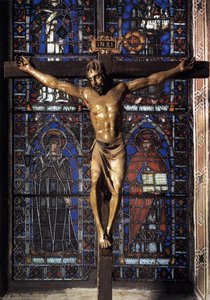
- Crucifijo (1425) para Santa Croce, que retrataba a Cristo en un momento de agonía.
Estilo artístico y legado
El estilo de Donatello puede dividirse en amplias fases, comenzando con el desarrollo de expresividad y monumentalidad clásica. Su obra no fue inmediatamente aceptada por la comunidad, pero eventualmente se convirtió en la más popular, influyendo a otros tribunales italianos y artistas europeos. Movimientos artísticos clave:Vida personal y estilo de trabajo
Donatello era conocido por ser afable y querido, pero pobre en el lado comercial de su carrera. Tendía a aceptar más comisiones de las que podía manejar, a menudo completando obras tarde o entregándolas a otros escultores. Obras de arte notables y artistas:- Leonardo da Vinci: Anunciación (detalle)
- Amico Aspertini: Estátua de Pan/León que azota a un caballo
- Miguel Ángel Buonarroti: Tondo Pitt
Museos y colecciones de arte
- Museo della Collegiata (Empoli, Italia): una joya oculta del renacimiento, con obras de Francesco Botticini y Raffaello Botticini.
- El movimiento artístico del primer Renacimiento italiano
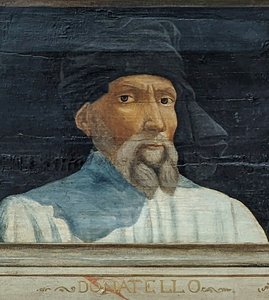
Donatello
1386 - 1466 , Italia
Datos clave
- Artistas Que Influyeron:
- Lorenzo Ghiberti
- Nanni di Banco
- Fecha De Nacimiento: c. 1386
- Influenciado A Artistas:
- Leonardo da Vinci
- Michelangelo Buonarroti
- Lugar De Nacimiento: Florencia, Italia
- Movimiento Artístico: Renacimiento temprano
- Nacionalidad: Italiana
- Nombre Completo: Donatello (Donato di Niccolò)
- Obras Notables:
- David
- St. Louis of Toulouse
- Sacrifice of Isaac
- Crucifix (1425)
Artículos relacionados

Las 10 Obras Maestras de Bronce que Revolucionaron la Historia del Arte | ArtsDot
Descubre las 10 esculturas de bronce más influyentes de la historia del arte. Explora obras maestras de Rodin, Degas y otros genios. Encuentra reproducciones de arte de calidad museo en ArtsDot.com.

The Enduring Form: Sculpture Across History, Technique & Emotional Resonance
Explore the rich history of sculpture with ArtsDot. Discover key techniques, influential artists & investment potential for discerning collectors. Expert insights into valuing and collecting timeless masterpieces.

Esculturas de Bronce Legendarias: 10 Obras Maestras que Transformaron el Arte | ArtsDot
Descubre las 10 esculturas de bronce más legendarias que revolucionaron el arte. Explora la historia de Rodin, Degas y otros maestros del bronce. Encuentra reproducciones de alta calidad e inspiración para tu hogar en ArtsDot.com.
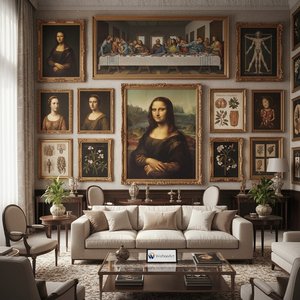
Leonardo da Vinci: Las 25 Obras Maestras que Definieron un Genio | ArtsDot
Descubre las 25 obras maestras de Leonardo da Vinci, desde la Mona Lisa hasta La Última Cena. Explora su arte renacentista, técnicas innovadoras y el legado del genio italiano. Reproducciones de alta calidad para decorar tu hogar con belleza y historia en ArtsDot.com.

Michelangelo Buonarroti: Las 25 Obras Maestras que Definen un Genio del Renacimiento | ArtsDot
Descubre las 25 obras maestras de Michelangelo Buonarroti: del David a la Capilla Sixtina. Explora su historia, técnica y significado en el Renacimiento italiano. Reproducciones de arte exclusivas para tu hogar en ArtsDot.com.