 Vista previa
 Compartir
 Compartir
 Ver detalles

 Descargar
 Ver similares
 Radiografía
 Presentación de diapositivas
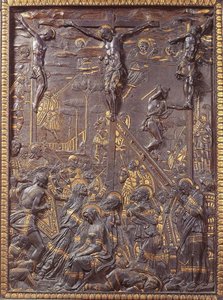
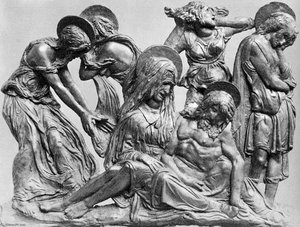
Deposition (detail)


 Leer más
Reproducción al óleo hecha a mano
Óleo sobre lienzo pintado a mano en el tamaño y marco de su elección, realizado por encargo por nuestros artistas. ( Pedir impresión Comprar descarga)




P118B $10

P118H $10

P118W $10

P438Z $10

P508JH $12

P508YH $12

P805H $10

P805Z $10

P919BZ $10

P919G $10

P919XJ $10

P959ZH $10

P968JZ $12

W106C $8

W218G $10

W218JH $8

W218Y $10

W307PJ $10

W316G $10

W316PJ $8

W316Y $10

W398PJ $8

W4111J $10

W500HY $15

W500JH $15

W692G $12

W849H $8

W940BG $15

W953PJ $8




Elija entre nuestros tamaños predefinidos que respetan las proporciones originales de la obra.

Puede ingresar sus propias dimensiones para adaptarse a un marco o espacio específico. Si el tamaño seleccionado no coincide con las proporciones de la imagen original, recortaremos la obra o extenderemos la pintura con elementos adicionales pintados a mano. Se le enviará una maqueta digital para su aprobación antes de comenzar la producción.
Tenga en cuenta que la vista previa en pantalla no refleja el recorte o la extensión reales. Solo la maqueta mostrará con precisión la composición final.
Si bien existen tamaños personalizados, recomendamos seleccionar una dimensión de la lista predefinida para preservar las proporciones originales.
Tras realizar el pedido, el equipo de ArtsDot.com enviará un correo electrónico al cliente para solicitar instrucciones y proporcionarle una vista previa del boceto.
Envío a todo el mundo () en 3-4 semanas en lugar de las 5 semanas estándar. (21 agosto). Sin comprometer la calidad.

Envío exprés gratuito a todo el mundo

Lienzo de lino de alta calidad

Seguro de envío completo

Garantía de reembolso de aranceles aduaneros

Garantía de fidelidad cromática exacta

Política de devolución de 60 días (solo por defectos)

Garantía de devolución del 100% del dinero

Oferta por volumen
 La opción de vidrio solo está disponible en tamaños inferiores a 110 cm.

Deposition (detail)
Técnica de reproducción
Tamaño de la reproducción
-


Precio total
$ 613
Descripción de la obra
The Weight of Faith and the Dawn of Realism
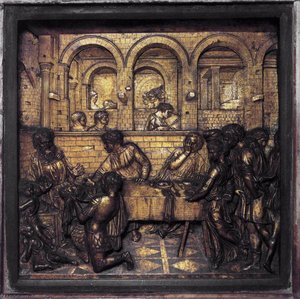
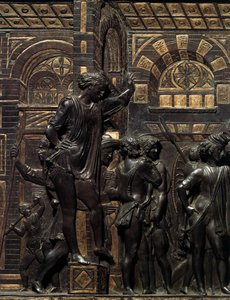
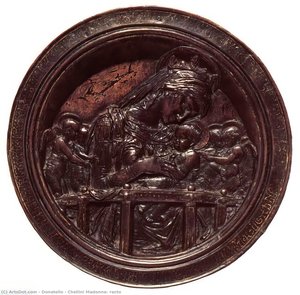
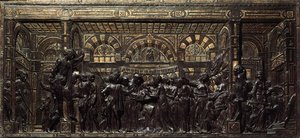
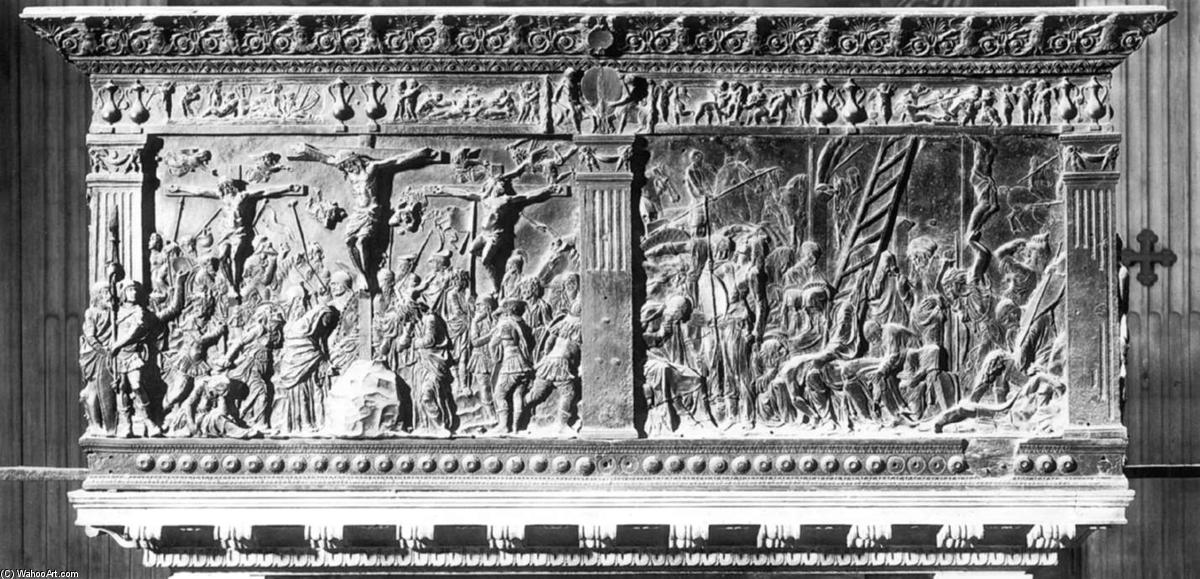
Donatello's Deposition, a pivotal work from 1465, isn’t merely a depiction of Christ being lowered from the cross; it’s a profound meditation on grief, loss, and the nascent hope that permeates the early Renaissance. Born in Florence during a period of explosive artistic innovation – a time when classical ideals were being reinterpreted through a distinctly Italian lens – Donatello's approach to sculpture was revolutionary. He moved decisively away from the stylized elegance of his predecessor, Ghiberti, embracing instead a raw emotionality and anatomical accuracy previously unseen in religious art. This particular detail panel, part of a larger narrative scene likely adorning a chapel or tomb, captures a moment of intense human drama – the Virgin Mary’s anguish as she cradles her son, surrounded by the figures of John the Evangelist, Nicodemus, and Joseph of Arimathea.
The sculpture's power lies not just in its technical brilliance—the subtly modeled musculature of the figures, the delicate folds of their garments, the masterful use of light and shadow to create a palpable sense of volume—but also in its deeply human portrayal. Donatello eschews idealized forms, opting instead for figures rendered with an almost unsettling realism. Mary’s face is etched with sorrow, her hands clasped together in a gesture of profound grief. The youthful vigor of John the Evangelist contrasts sharply with the solemnity of Nicodemus and Joseph, suggesting the diverse range of human responses to this devastating event. The composition itself—a dynamic pyramid built around the central figure of Mary—creates a sense of stability amidst chaos, mirroring the enduring strength of faith in the face of unimaginable loss.
A Symphony of Marble: Technique and Material
Crafted primarily from marble – likely sourced from Carrara, renowned for its purity and veining – Deposition exemplifies Donatello’s mastery of his chosen medium. The sculptor skillfully exploited the inherent qualities of the stone, utilizing subtle gradations in texture to convey depth and form. Notice how the rougher surfaces of the drapery contrast with the smoother planes of the figures' skin, creating a captivating interplay between tactile sensation and visual perception. The use of *contrapposto*—a technique where the figure’s weight is shifted onto one leg, creating a naturalistic pose—is particularly evident in Mary’s stance, lending her an air of both vulnerability and dignity.
Donatello's innovative approach extended beyond simply carving the stone. He employed a meticulous process of grinding and polishing to achieve the desired sheen and luminosity. The surface is not uniformly smooth; rather, it possesses a subtle texture that reflects light in intriguing ways, enhancing the sculpture’s three-dimensionality. Furthermore, Donatello likely utilized a technique known as *spolvero*, applying small bits of charcoal or other pigments to the marble's surface to create highlights and shadows, adding further nuance to the figures’ expressions and gestures. This careful attention to detail speaks volumes about his dedication to capturing not just the likeness but also the very essence of his subjects.
Echoes of Antiquity and the Renaissance Spirit
Deposition is deeply rooted in classical antiquity, a hallmark of Donatello’s artistic philosophy. The pyramidal composition, reminiscent of Roman sculpture, provides a sense of order and balance. The figures themselves—particularly Mary—draw inspiration from ancient depictions of mourning goddesses, albeit imbued with a distinctly Renaissance sensibility. However, Donatello doesn't simply imitate the past; he transforms it, infusing it with his own unique vision. The emotional intensity of the scene, the realistic portrayal of human suffering, and the emphasis on individual expression are all hallmarks of the early Renaissance—a period marked by a renewed interest in humanism and a celebration of earthly experience.
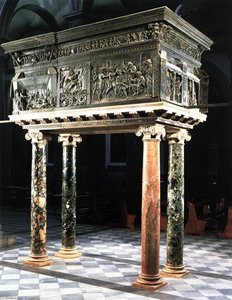
The sculpture’s placement within a larger architectural context – likely as part of a tomb or chapel façade – further amplifies its significance. It served not only as a devotional image but also as a testament to the deceased, embodying their faith and commemorating their memory. Deposition stands as a powerful reminder of the enduring human capacity for both sorrow and hope—a timeless masterpiece that continues to resonate with viewers centuries after its creation.
Obras relacionadas


Biografía del artista
Vida temprana y carrera
Donato di Niccolò di Betto Bardi, conocido como Donatello, nació en Florencia, Italia alrededor de 1386. Estudió escultura clásica, lo que influyó fuertemente en su desarrollo de un estilo del primer Renacimiento. Este nuevo enfoque hacia el arte y la cultura eventualmente se convertiría en la característica distintiva del florentino renacimiento.Obras clave e innovaciones
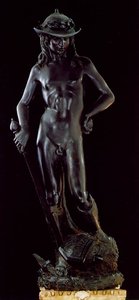
La obra más famosa de Donatello, David, fue la primera escultura masculina desnuda independiente desde la antigüedad. Comisionada por la familia Medici, mostró su estilo innovador y experiencia técnica. Otras obras notables incluyen:- San Luis de Tolosa (ahora en el museo de la Basílica di Santa Croce), que presentaba un marco clásico diseñado por Donatello.
- El sacrificio de Isaac, creado para el campanile de Santa Maria del Fiore en Florencia, se caracterizó por fuertes detalles de retrato.
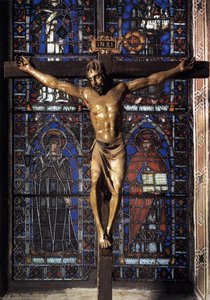
- Crucifijo (1425) para Santa Croce, que retrataba a Cristo en un momento de agonía.
Estilo artístico y legado
El estilo de Donatello puede dividirse en amplias fases, comenzando con el desarrollo de expresividad y monumentalidad clásica. Su obra no fue inmediatamente aceptada por la comunidad, pero eventualmente se convirtió en la más popular, influyendo a otros tribunales italianos y artistas europeos. Movimientos artísticos clave:Vida personal y estilo de trabajo
Donatello era conocido por ser afable y querido, pero pobre en el lado comercial de su carrera. Tendía a aceptar más comisiones de las que podía manejar, a menudo completando obras tarde o entregándolas a otros escultores. Obras de arte notables y artistas:- Leonardo da Vinci: Anunciación (detalle)
- Amico Aspertini: Estátua de Pan/León que azota a un caballo
- Miguel Ángel Buonarroti: Tondo Pitt
Museos y colecciones de arte
- Museo della Collegiata (Empoli, Italia): una joya oculta del renacimiento, con obras de Francesco Botticini y Raffaello Botticini.
- El movimiento artístico del primer Renacimiento italiano
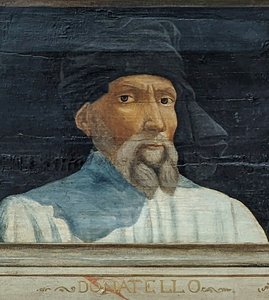
Donatello
1386 - 1466 , Italia
Datos clave
- Artistas Que Influyeron:
- Lorenzo Ghiberti
- Nanni di Banco
- Fecha De Nacimiento: c. 1386
- Influenciado A Artistas:
- Leonardo da Vinci
- Michelangelo Buonarroti
- Lugar De Nacimiento: Florencia, Italia
- Movimiento Artístico: Renacimiento temprano
- Nacionalidad: Italiana
- Nombre Completo: Donatello (Donato di Niccolò)
- Obras Notables:
- David
- St. Louis of Toulouse
- Sacrifice of Isaac
- Crucifix (1425)
Artículos relacionados

Esculturas de Bronce Legendarias: 10 Obras Maestras que Transformaron el Arte | ArtsDot
Descubre las 10 esculturas de bronce más legendarias que revolucionaron el arte. Explora la historia de Rodin, Degas y otros maestros del bronce. Encuentra reproducciones de alta calidad e inspiración para tu hogar en ArtsDot.com.
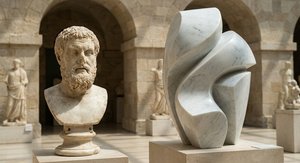
The Enduring Allure of Marble in Art History: From Classical Sculpture to Modern Abstraction
Explore the captivating history of marble sculpture from ancient Greece to modern art. Discover renowned artists like Canova & Michelangelo, carving techniques, and investment insights at ArtsDot.

The Enduring Form: Exploring Themes & Techniques in Sculpture Across Historical Periods
Explore the rich history of sculpture from ancient masterpieces to contemporary innovations. Discover key techniques, influential artists & investment potential for discerning art collectors.

Las 10 Obras Maestras de Bronce que Revolucionaron la Historia del Arte | ArtsDot
Descubre las 10 esculturas de bronce más influyentes de la historia del arte. Explora obras maestras de Rodin, Degas y otros genios. Encuentra reproducciones de arte de calidad museo en ArtsDot.com.
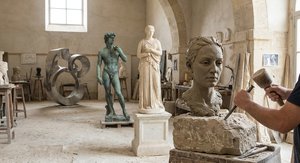
The Enduring Form: Sculpture Across History, Technique & Emotional Resonance
Explore the rich history of sculpture with ArtsDot. Discover key techniques, influential artists & investment potential for discerning collectors. Expert insights into valuing and collecting timeless masterpieces.