 Enviar
 Compartir
 Detalles

 Descargar
 Similares
 Presentación de diapositivas
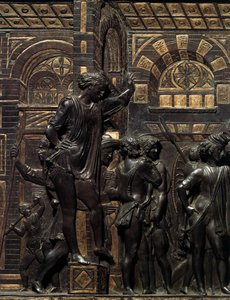
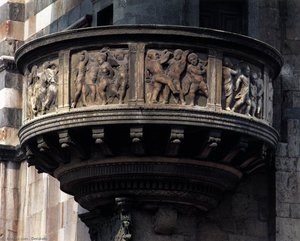
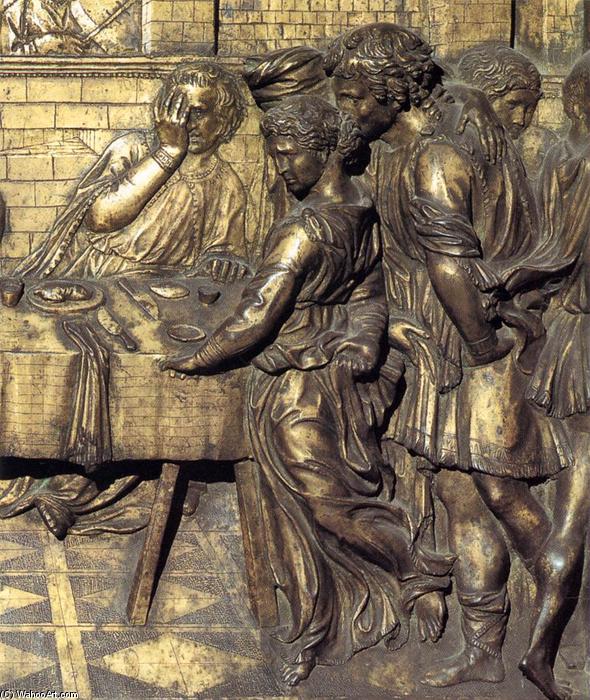
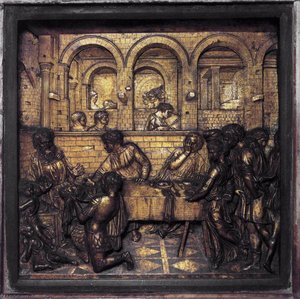
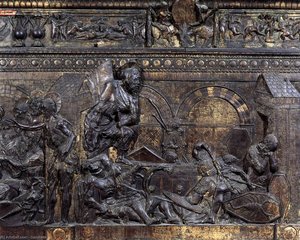
Herod's Banquet (detail)


 Ver más
Giclée / Impresión de arte
Impresiones giclée o en lienzo de calidad de museo con producción rápida y opciones de acabado flexibles. ( Comprar pintura hecha a mano Comprar imagen)




































Elija entre nuestros tamaños predefinidos que respetan las proporciones originales de la obra.

Puede introducir sus propias dimensiones para adaptarse a un marco o espacio específico. Si el tamaño seleccionado no coincide con las proporciones de la imagen original, recortaremos la obra de arte o extenderemos la imagen con un borde con efecto espejo o de color sólido. Se enviará una maqueta digital para su aprobación antes de que comience la producción.
Tenga en cuenta que la vista previa en pantalla no refleja el recorte o la extensión real. Solo la maqueta mostrará con precisión la composición final.
Aunque existen tamaños personalizados, recomendamos seleccionar una dimensión de la lista predefinida para preservar las proporciones originales.
Envío a todo el mundo () en 2 semanas en lugar de las 4/5 semanas estándar. (28 agosto)

Envío exprés gratuito a todo el mundo

Lienzo de lino de alta calidad

Seguro de envío total

Garantía de reembolso de impuestos aduaneros

Garantía de fidelidad cromática exacta

Política de devolución de 60 días (solo por defectos)

Garantía de devolución del 100% del dinero

Descuento por cantidad
 La opción de vidrio solo está disponible en tamaños inferiores a 110 cm.

Herod's Banquet (detail)
Giclée / Impresión de arte
Dimensiones de la reproducción
-


Precio total final
$ 62
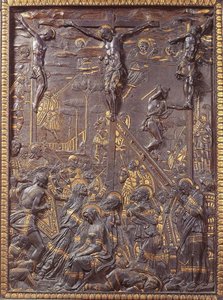
A Moment Frozen in Bronze: Donatello’s “The Feast of Herod”
Donatello's "The Feast of Herod," crafted in 1427 for the Baptistery of Siena, Italy, stands as a cornerstone of early Renaissance sculpture—a testament to humanist ideals and masterful artistic innovation. More than just a depiction of biblical narrative, it’s an exquisitely rendered tableau that invites contemplation on themes of piety, judgment, and the human condition. Located within the cathedral's serene interior, the sculpture commands attention with its palpable stillness despite capturing a dramatic scene from Matthew 22:1-13—the parable of the Wedding Banquet.The Sculpture’s Composition and Technique
The bronze relief portrays Herod Agrippa I hosting a banquet attended by dignitaries and scribes, ostensibly to honor John the Baptist's execution. Donatello skillfully employs classical sculptural principles, notably contrapposto – a stance where the torso tilts slightly away from the center of gravity—to imbue each figure with dynamism and psychological depth. The sculptor’s meticulous attention to detail is evident in every aspect of the artwork: the drapery folds ripple realistically, conveying movement and texture; the facial expressions are subtly nuanced, reflecting inner turmoil and contemplation; and the musculature is rendered with anatomical precision, demonstrating Donatello's profound understanding of human anatomy—a pursuit rooted in his classical studies. The bronze casting process itself was revolutionary for its time, utilizing a lost-wax method that ensured exceptional accuracy and surface finish.Symbolism Within the Narrative
Beyond its technical brilliance, “The Feast of Herod” is laden with symbolic significance. The central figure – believed to represent John the Baptist—is positioned at the table’s apex, gazing downwards with solemnity. This posture symbolizes humility and acceptance of divine judgment. Surrounding him are representatives of Jewish leadership, their faces etched with disappointment and frustration as they witness the banquet's failure to honor the prophet’s message. The inclusion of Herod Agrippa I—a figure embodying earthly power—highlights the contrast between spiritual righteousness and temporal authority. The overall scene serves as a powerful meditation on faith versus disbelief, reminding viewers that true honor lies not in outward displays of grandeur but in adherence to moral principles.A Renaissance Masterpiece Illuminated
Donatello’s “The Feast of Herod” embodies the humanist spirit of the Florentine Renaissance—a period marked by renewed interest in classical art and philosophy and a belief in human potential. It reflects the burgeoning artistic fervor of Siena during this transformative era, demonstrating the city's commitment to preserving cultural heritage and fostering intellectual curiosity. The sculpture’s enduring appeal lies in its ability to transcend time, prompting viewers to grapple with fundamental questions about morality, faith, and the complexities of human experience. Its placement within the Baptistery underscores its spiritual importance—a reminder that art can serve as a conduit for profound contemplation and inspiration.Further Exploration
To appreciate the full impact of Donatello’s masterpiece, consider visiting the Baptistery in Siena. Examining the sculpture firsthand allows one to observe the subtle nuances of color and texture achieved through bronze casting – techniques perfected during the Renaissance—and to contemplate the artist's masterful portrayal of human emotion and psychological realism. Reproductions of “The Feast of Herod” are available from reputable art dealers, offering collectors a chance to experience this iconic artwork in their own homes.Obras relacionadas

Biografía del artista
Vida temprana y carrera
Donato di Niccolò di Betto Bardi, conocido como Donatello, nació en Florencia, Italia alrededor de 1386. Estudió escultura clásica, lo que influyó fuertemente en su desarrollo de un estilo del primer Renacimiento. Este nuevo enfoque hacia el arte y la cultura eventualmente se convertiría en la característica distintiva del florentino renacimiento.Obras clave e innovaciones
La obra más famosa de Donatello, David, fue la primera escultura masculina desnuda independiente desde la antigüedad. Comisionada por la familia Medici, mostró su estilo innovador y experiencia técnica. Otras obras notables incluyen:- San Luis de Tolosa (ahora en el museo de la Basílica di Santa Croce), que presentaba un marco clásico diseñado por Donatello.
- El sacrificio de Isaac, creado para el campanile de Santa Maria del Fiore en Florencia, se caracterizó por fuertes detalles de retrato.
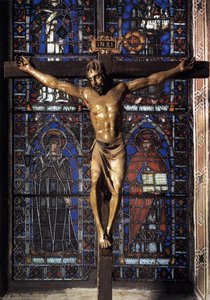
- Crucifijo (1425) para Santa Croce, que retrataba a Cristo en un momento de agonía.
Estilo artístico y legado
El estilo de Donatello puede dividirse en amplias fases, comenzando con el desarrollo de expresividad y monumentalidad clásica. Su obra no fue inmediatamente aceptada por la comunidad, pero eventualmente se convirtió en la más popular, influyendo a otros tribunales italianos y artistas europeos. Movimientos artísticos clave:Vida personal y estilo de trabajo
Donatello era conocido por ser afable y querido, pero pobre en el lado comercial de su carrera. Tendía a aceptar más comisiones de las que podía manejar, a menudo completando obras tarde o entregándolas a otros escultores. Obras de arte notables y artistas:- Leonardo da Vinci: Anunciación (detalle)
- Amico Aspertini: Estátua de Pan/León que azota a un caballo
- Miguel Ángel Buonarroti: Tondo Pitt
Museos y colecciones de arte
- Museo della Collegiata (Empoli, Italia): una joya oculta del renacimiento, con obras de Francesco Botticini y Raffaello Botticini.
- El movimiento artístico del primer Renacimiento italiano
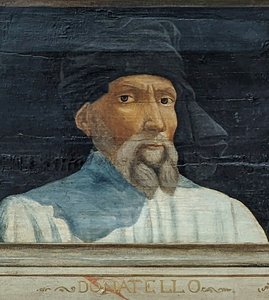
Donatello
1386 - 1466 , Italia
Datos clave
- Artistas Que Influyeron:
- Lorenzo Ghiberti
- Nanni di Banco
- Fecha De Nacimiento: c. 1386
- Influenciado A Artistas:
- Leonardo da Vinci
- Michelangelo Buonarroti
- Lugar De Nacimiento: Florencia, Italia
- Movimiento Artístico: Renacimiento temprano
- Nacionalidad: Italiana
- Nombre Completo: Donatello (Donato di Niccolò)
- Obras Notables:
- David
- St. Louis of Toulouse
- Sacrifice of Isaac
- Crucifix (1425)
Artículos relacionados

Las 10 Obras Maestras de Bronce que Revolucionaron la Historia del Arte | ArtsDot
Descubre las 10 esculturas de bronce más influyentes de la historia del arte. Explora obras maestras de Rodin, Degas y otros genios. Encuentra reproducciones de arte de calidad museo en ArtsDot.com.

Esculturas de Bronce Legendarias: 10 Obras Maestras que Transformaron el Arte | ArtsDot
Descubre las 10 esculturas de bronce más legendarias que revolucionaron el arte. Explora la historia de Rodin, Degas y otros maestros del bronce. Encuentra reproducciones de alta calidad e inspiración para tu hogar en ArtsDot.com.

The Enduring Legacy of Bronze: A Historical & Artistic Exploration for the Collector
Explore the rich history & enduring appeal of bronze sculpture with expert insights for collectors at ArtsDot. Learn about casting techniques, iconic artists, collecting tips & contemporary interpretations.
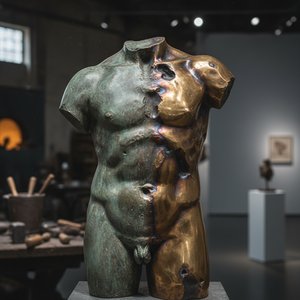
El Legado Duradero de la Escultura en Bronce: Historia, Técnicas e Interpretaciones Contemporáneas
Descubra la historia, las técnicas y el valor de la escultura en bronce. Guía experta para coleccionistas e inversores. Explore obras maestras y aprenda sobre fundición a la cera perdida.
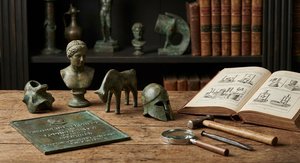
The Enduring Legacy of Bronze: History, Technique & Artistic Expression for the Collector
Explore the rich history & enduring appeal of bronze sculpture with expert insights for collectors at ArtsDot. Learn about casting techniques, iconic artists, and collecting tips.