 Ver en contexto
 Enviar
 Compartir
 Detalles

 Descargar
 Similares
 Radiografía
 Presentación de diapositivas
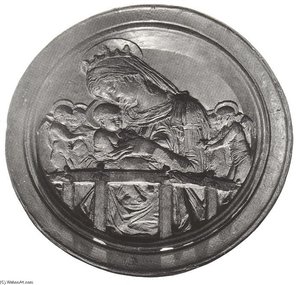
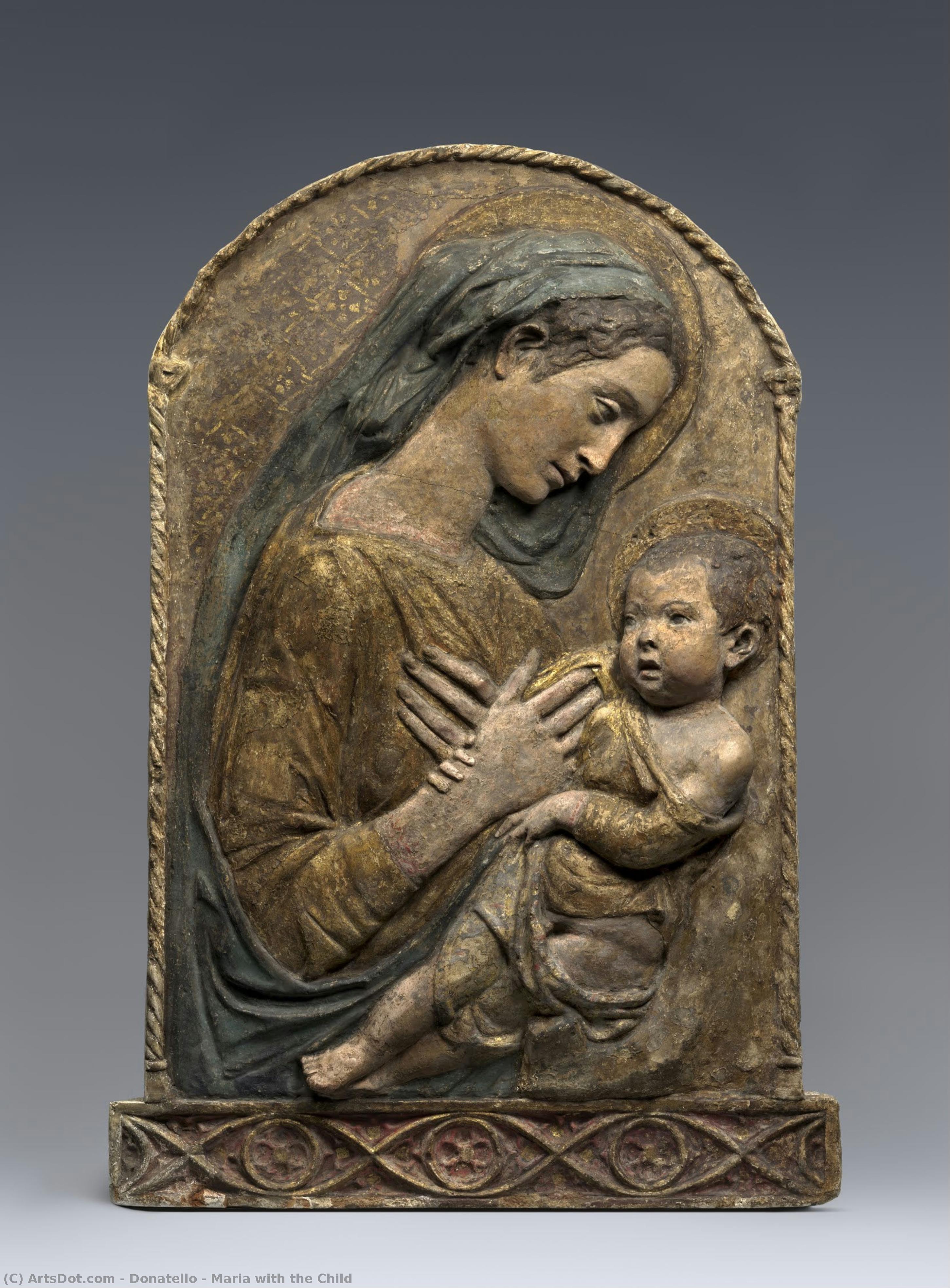
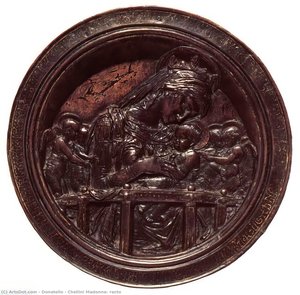
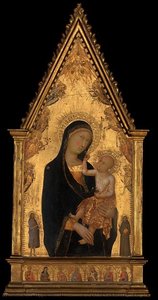
Maria with the Child

 Ver más
Reproducción al óleo hecha a mano
Óleo sobre lienzo pintado a mano en el tamaño y marco de su elección, realizado por encargo por nuestros artistas. ( Comprar impresión Comprar imagen)




































Elija entre nuestros tamaños predefinidos que respetan las proporciones originales de la obra.

Puede ingresar sus propias dimensiones para adaptarse a un marco o espacio específico. Si el tamaño seleccionado no coincide con las proporciones de la imagen original, recortaremos la obra o extenderemos la pintura con elementos adicionales pintados a mano. Se le enviará una maqueta digital para su aprobación antes de comenzar la producción.
Tenga en cuenta que la vista previa en pantalla no refleja el recorte o la extensión reales. Solo la maqueta mostrará con precisión la composición final.
Si bien existen tamaños personalizados, recomendamos seleccionar una dimensión de la lista predefinida para preservar las proporciones originales.
Tras realizar el pedido, el equipo de ArtsDot.com enviará un correo electrónico al cliente para solicitar instrucciones y proporcionarle una vista previa del boceto.
Envío a todo el mundo () en 3-4 semanas en lugar de las 5 semanas estándar. (27 agosto). Sin comprometer la calidad.

Envío exprés gratuito a todo el mundo

Lienzo de lino de alta calidad

Seguro de envío total

Garantía de reembolso de impuestos aduaneros

Garantía de fidelidad cromática exacta

Política de devolución de 60 días (solo por defectos)

Garantía de devolución del 100% del dinero

Descuento por cantidad
 La opción de vidrio solo está disponible en tamaños inferiores a 110 cm.

Maria with the Child
Técnica de reproducción
Dimensiones de la reproducción
-


Precio total final
$ 288
Descripción de la obra
Obras relacionadas
Biografía del artista
Vida temprana y carrera
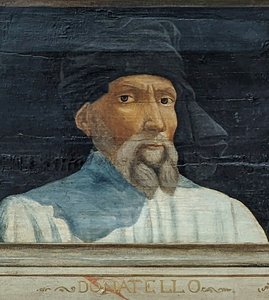
Donato di Niccolò di Betto Bardi, conocido como Donatello, nació en Florencia, Italia alrededor de 1386. Estudió escultura clásica, lo que influyó fuertemente en su desarrollo de un estilo del primer Renacimiento. Este nuevo enfoque hacia el arte y la cultura eventualmente se convertiría en la característica distintiva del florentino renacimiento.Obras clave e innovaciones
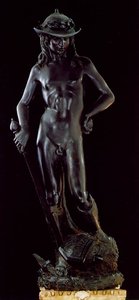
La obra más famosa de Donatello, David, fue la primera escultura masculina desnuda independiente desde la antigüedad. Comisionada por la familia Medici, mostró su estilo innovador y experiencia técnica. Otras obras notables incluyen:- San Luis de Tolosa (ahora en el museo de la Basílica di Santa Croce), que presentaba un marco clásico diseñado por Donatello.
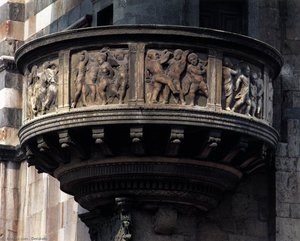
- El sacrificio de Isaac, creado para el campanile de Santa Maria del Fiore en Florencia, se caracterizó por fuertes detalles de retrato.
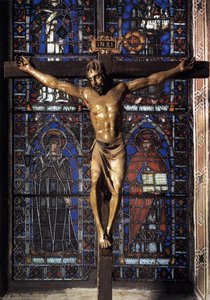
- Crucifijo (1425) para Santa Croce, que retrataba a Cristo en un momento de agonía.
Estilo artístico y legado
El estilo de Donatello puede dividirse en amplias fases, comenzando con el desarrollo de expresividad y monumentalidad clásica. Su obra no fue inmediatamente aceptada por la comunidad, pero eventualmente se convirtió en la más popular, influyendo a otros tribunales italianos y artistas europeos. Movimientos artísticos clave:Vida personal y estilo de trabajo
Donatello era conocido por ser afable y querido, pero pobre en el lado comercial de su carrera. Tendía a aceptar más comisiones de las que podía manejar, a menudo completando obras tarde o entregándolas a otros escultores. Obras de arte notables y artistas:- Leonardo da Vinci: Anunciación (detalle)
- Amico Aspertini: Estátua de Pan/León que azota a un caballo
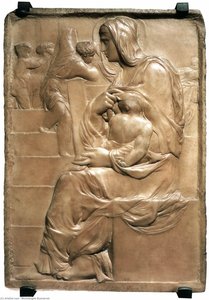
- Miguel Ángel Buonarroti: Tondo Pitt
Museos y colecciones de arte
- Museo della Collegiata (Empoli, Italia): una joya oculta del renacimiento, con obras de Francesco Botticini y Raffaello Botticini.
- El movimiento artístico del primer Renacimiento italiano
Donatello
1386 - 1466 , Italia
Datos clave
- Artistas Que Influyeron:
- Lorenzo Ghiberti
- Nanni di Banco
- Fecha De Nacimiento: c. 1386
- Influenciado A Artistas:
- Leonardo da Vinci
- Michelangelo Buonarroti
- Lugar De Nacimiento: Florencia, Italia
- Movimiento Artístico: Renacimiento temprano
- Nacionalidad: Italiana
- Nombre Completo: Donatello (Donato di Niccolò)
- Obras Notables:
- David
- St. Louis of Toulouse
- Sacrifice of Isaac
- Crucifix (1425)
Artículos relacionados

Esculturas de Bronce Legendarias: 10 Obras Maestras que Transformaron el Arte | ArtsDot
Descubre las 10 esculturas de bronce más legendarias que revolucionaron el arte. Explora la historia de Rodin, Degas y otros maestros del bronce. Encuentra reproducciones de alta calidad e inspiración para tu hogar en ArtsDot.com.

Las 10 Obras Maestras de Bronce que Revolucionaron la Historia del Arte | ArtsDot
Descubre las 10 esculturas de bronce más influyentes de la historia del arte. Explora obras maestras de Rodin, Degas y otros genios. Encuentra reproducciones de arte de calidad museo en ArtsDot.com.

The Enduring Form: Exploring Themes & Techniques in Sculpture Across Historical Periods
Explore the rich history of sculpture from ancient masterpieces to contemporary innovations. Discover key techniques, influential artists & investment potential for discerning art collectors.

The Enduring Form: Sculpture Across History, Technique & Emotional Resonance
Explore the rich history of sculpture with ArtsDot. Discover key techniques, influential artists & investment potential for discerning collectors. Expert insights into valuing and collecting timeless masterpieces.
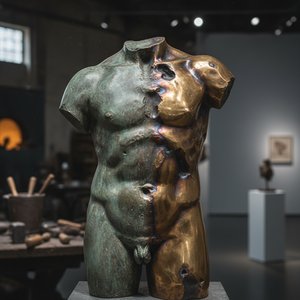
El Legado Duradero de la Escultura en Bronce: Historia, Técnicas e Interpretaciones Contemporáneas
Descubra la historia, las técnicas y el valor de la escultura en bronce. Guía experta para coleccionistas e inversores. Explore obras maestras y aprenda sobre fundición a la cera perdida.