 Ver en contexto
 Enviar
 Compartir
 Detalles

 Descargar
 Similares
 Radiografía
 Presentación de diapositivas
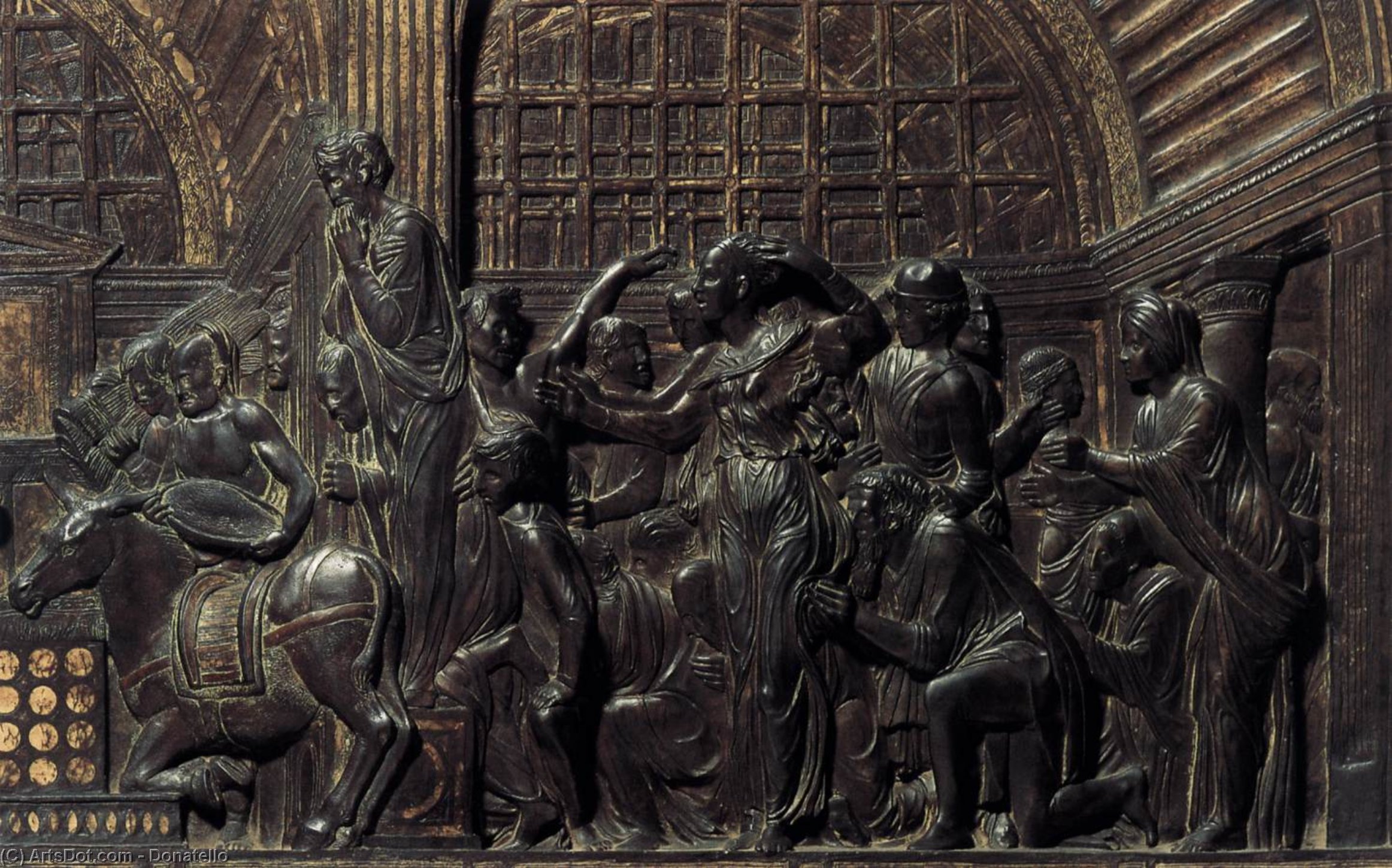
Miracle of the Avaricious Man's Heart
 Acrylic
- WallArt
- Renaissance Humanism
 1447
1447 57.0 x 123.0 cm
 Basílica de San Antonio
 Ver más
Giclée / Impresión de arte
Impresiones giclée o en lienzo de calidad de museo con producción rápida y opciones de acabado flexibles. ( Comprar pintura hecha a mano Comprar imagen)




P118B $10

P118H $10

P118W $10

P438Z $10

P508JH $12

P508YH $12

P805H $10

P805Z $10

P919BZ $10

P919G $10

P919XJ $10

P959ZH $10

P968JZ $12

W106C $8

W218G $10

W218JH $8

W218Y $10

W307PJ $10

W316G $10

W316PJ $8

W316Y $10

W398PJ $8

W4111J $10

W500HY $15

W500JH $15

W692G $12

W849H $8

W940BG $15

W953PJ $8




Elija entre nuestros tamaños predefinidos que respetan las proporciones originales de la obra.

Puede introducir sus propias dimensiones para adaptarse a un marco o espacio específico. Si el tamaño seleccionado no coincide con las proporciones de la imagen original, recortaremos la obra de arte o extenderemos la imagen con un borde con efecto espejo o de color sólido. Se enviará una maqueta digital para su aprobación antes de que comience la producción.
Tenga en cuenta que la vista previa en pantalla no refleja el recorte o la extensión real. Solo la maqueta mostrará con precisión la composición final.
Aunque existen tamaños personalizados, recomendamos seleccionar una dimensión de la lista predefinida para preservar las proporciones originales.
Envío a todo el mundo () en 2 semanas en lugar de las 4/5 semanas estándar. (23 agosto)

Envío exprés gratuito a todo el mundo

Lienzo de lino de alta calidad

Seguro de envío total

Garantía de reembolso de impuestos aduaneros

Garantía de fidelidad cromática exacta

Política de devolución de 60 días (solo por defectos)

Garantía de devolución del 100% del dinero

Descuento por cantidad
 La opción de vidrio solo está disponible en tamaños inferiores a 110 cm.

Miracle of the Avaricious Man's Heart
Giclée / Impresión de arte
Dimensiones de la reproducción
-


Precio total final
$ 62
Descripción de la pieza
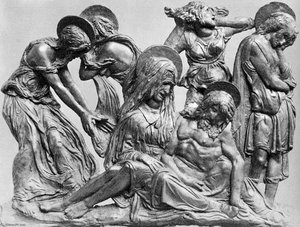
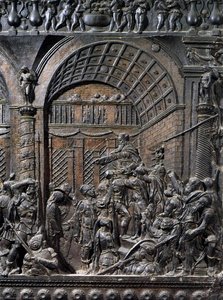
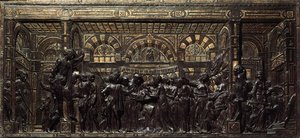
The Miracle of the Avaricious Man's Heart: Donatello’s Renaissance Masterpiece
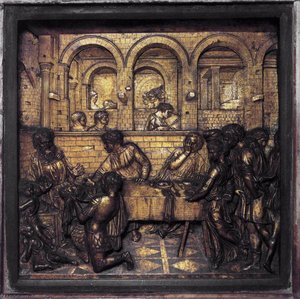
The Basilica di Sant’Antonio in Padua stands as a testament to artistic devotion, housing one of the most poignant and enduring sculptures of the Italian Renaissance – Donatello’s “Miracle of the Avaricious Man’s Heart.” Created in 1447, this bronze relief transcends mere craftsmanship; it embodies a profound meditation on faith, repentance, and divine grace. Commissioned by Giovanni Battista Sant'Andrea, Padua’s bishop, the sculpture serves as a powerful visual narrative rooted in biblical scripture – specifically, the parable of Zacchaeus, recounted in Luke 19:1-10.A Symphony of Form and Technique
Donatello’s mastery is immediately evident upon observation. The bronze itself—a material chosen for its ability to capture intricate detail—was skillfully cast using the lost wax method, a technique pioneered by Donatello himself and considered revolutionary at the time. This meticulous process ensured that every muscle ripple, furrowed brow, and outstretched hand conveyed an astonishing level of realism. The sculptor’s attention to texture is equally remarkable; the surface of the bronze possesses a subtle sheen that mimics the patina developed over centuries, hinting at its enduring presence within the basilica's walls. Furthermore, Donatello skillfully employed contrapposto—a pose characterized by weight distribution and balance—giving the central figure an impression of dynamism and human vulnerability.Historical Context: Renaissance Humanism and Spiritual Reflection
The Miracle of the Avaricious Man’s Heart emerged during a period of fervent intellectual curiosity and artistic innovation known as the High Renaissance. Artists like Michelangelo and Raphael were reshaping European culture with their humanist ideals, emphasizing human dignity and rational thought alongside religious piety. Donatello's work reflects this broader trend, portraying Christ lifting Zacchaeus—a wealthy tax collector notorious for exploiting his fellow citizens—from the ground, symbolizing divine compassion and forgiveness. The inclusion of angels flanking Christ underscores the theological significance of the scene, representing God’s intervention in human affairs. Notably, Donatello collaborated closely with Tiziano Aspetti on this project, demonstrating the collaborative spirit that characterized Florentine artistic circles during the Renaissance.Symbolism: Beyond Literal Representation
The sculpture's symbolism is multilayered and deeply evocative. The outstretched hand of Christ represents divine benevolence and offers Zacchaeus a chance at redemption. The ladder ascending towards heaven symbolizes spiritual ascent—the journey from earthly avarice to heavenly grace. The horse beneath Zacchaeus’ feet serves as a visual reminder of worldly possessions, highlighting the contrast between material wealth and spiritual devotion. Even the clock tower in the background subtly reinforces the passage of time and underscores the urgency of repentance. Donatello's deliberate choices contribute to the sculpture's profound emotional impact—inspiring contemplation on themes of moral responsibility and divine mercy.Emotional Resonance: A Timeless Testament to Faith
“Miracle of the Avaricious Man’s Heart” continues to captivate viewers centuries after its creation. Its depiction of Zacchaeus’ transformation embodies the core tenets of Christian faith – acknowledging sin, seeking forgiveness, and embracing humility. The sculpture's expressive faces convey a palpable sense of emotion—compassion, gratitude, and awe—connecting with audiences on a visceral level. It serves as an enduring reminder that even those burdened by earthly failings can experience divine grace and achieve spiritual enlightenment.- Artist: Donatello
- Year Created: 1447
- Location: Basilica di Sant’Antonio, Padua
- Material: Bronze
Obras relacionadas

Biografía del artista
Vida temprana y carrera
Donato di Niccolò di Betto Bardi, conocido como Donatello, nació en Florencia, Italia alrededor de 1386. Estudió escultura clásica, lo que influyó fuertemente en su desarrollo de un estilo del primer Renacimiento. Este nuevo enfoque hacia el arte y la cultura eventualmente se convertiría en la característica distintiva del florentino renacimiento.Obras clave e innovaciones
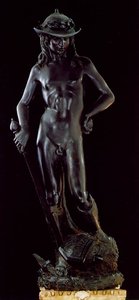
La obra más famosa de Donatello, David, fue la primera escultura masculina desnuda independiente desde la antigüedad. Comisionada por la familia Medici, mostró su estilo innovador y experiencia técnica. Otras obras notables incluyen:- San Luis de Tolosa (ahora en el museo de la Basílica di Santa Croce), que presentaba un marco clásico diseñado por Donatello.
- El sacrificio de Isaac, creado para el campanile de Santa Maria del Fiore en Florencia, se caracterizó por fuertes detalles de retrato.
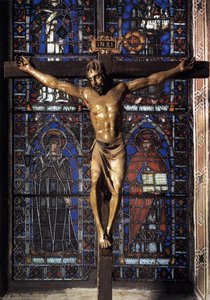
- Crucifijo (1425) para Santa Croce, que retrataba a Cristo en un momento de agonía.
Estilo artístico y legado
El estilo de Donatello puede dividirse en amplias fases, comenzando con el desarrollo de expresividad y monumentalidad clásica. Su obra no fue inmediatamente aceptada por la comunidad, pero eventualmente se convirtió en la más popular, influyendo a otros tribunales italianos y artistas europeos. Movimientos artísticos clave:Vida personal y estilo de trabajo
Donatello era conocido por ser afable y querido, pero pobre en el lado comercial de su carrera. Tendía a aceptar más comisiones de las que podía manejar, a menudo completando obras tarde o entregándolas a otros escultores. Obras de arte notables y artistas:- Leonardo da Vinci: Anunciación (detalle)
- Amico Aspertini: Estátua de Pan/León que azota a un caballo
- Miguel Ángel Buonarroti: Tondo Pitt
Museos y colecciones de arte
- Museo della Collegiata (Empoli, Italia): una joya oculta del renacimiento, con obras de Francesco Botticini y Raffaello Botticini.
- El movimiento artístico del primer Renacimiento italiano
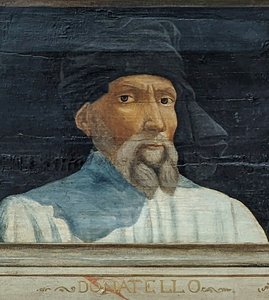
Donatello
1386 - 1466 , Italia
Datos clave
- Artistas Que Influyeron:
- Lorenzo Ghiberti
- Nanni di Banco
- Fecha De Nacimiento: c. 1386
- Influenciado A Artistas:
- Leonardo da Vinci
- Michelangelo Buonarroti
- Lugar De Nacimiento: Florencia, Italia
- Movimiento Artístico: Renacimiento temprano
- Nacionalidad: Italiana
- Nombre Completo: Donatello (Donato di Niccolò)
- Obras Notables:
- David
- St. Louis of Toulouse
- Sacrifice of Isaac
- Crucifix (1425)
Artículos relacionados

Las 10 Obras Maestras de Bronce que Revolucionaron la Historia del Arte | ArtsDot
Descubre las 10 esculturas de bronce más influyentes de la historia del arte. Explora obras maestras de Rodin, Degas y otros genios. Encuentra reproducciones de arte de calidad museo en ArtsDot.com.

Esculturas de Bronce Legendarias: 10 Obras Maestras que Transformaron el Arte | ArtsDot
Descubre las 10 esculturas de bronce más legendarias que revolucionaron el arte. Explora la historia de Rodin, Degas y otros maestros del bronce. Encuentra reproducciones de alta calidad e inspiración para tu hogar en ArtsDot.com.

The Enduring Legacy of Bronze: A Historical & Artistic Exploration for the Collector
Explore the rich history & enduring appeal of bronze sculpture with expert insights for collectors at ArtsDot. Learn about casting techniques, iconic artists, collecting tips & contemporary interpretations.
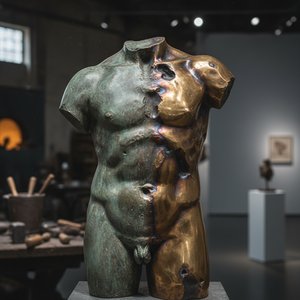
El Legado Duradero de la Escultura en Bronce: Historia, Técnicas e Interpretaciones Contemporáneas
Descubra la historia, las técnicas y el valor de la escultura en bronce. Guía experta para coleccionistas e inversores. Explore obras maestras y aprenda sobre fundición a la cera perdida.
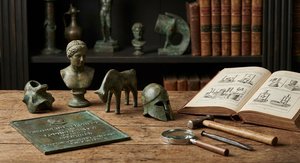
The Enduring Legacy of Bronze: History, Technique & Artistic Expression for the Collector
Explore the rich history & enduring appeal of bronze sculpture with expert insights for collectors at ArtsDot. Learn about casting techniques, iconic artists, and collecting tips.