 Ver en contexto
 Enviar
 Compartir
 Detalles

 Descargar
 Similares
 Radiografía
 Presentación de diapositivas
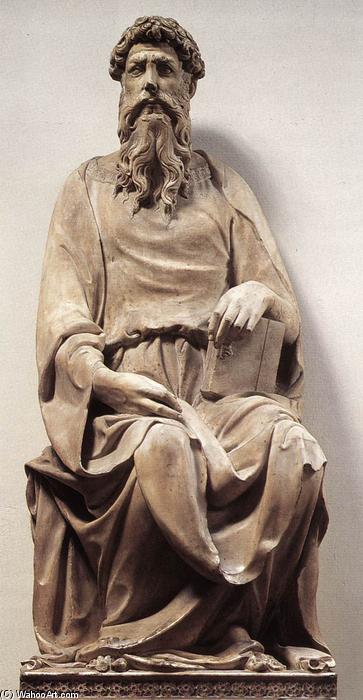
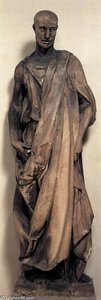
St John the Evangelist


 Ver más
Reproducción al óleo hecha a mano
Óleo sobre lienzo pintado a mano en el tamaño y marco de su elección, realizado por encargo por nuestros artistas. ( Comprar impresión Comprar imagen)




P118B $10

P118H $10

P118W $10

P438Z $10

P508JH $12

P508YH $12

P805H $10

P805Z $10

P919BZ $10

P919G $10

P919XJ $10

P959ZH $10

P968JZ $12

W106C $8

W218G $10

W218JH $8

W218Y $10

W307PJ $10

W316G $10

W316PJ $8

W316Y $10

W398PJ $8

W4111J $10

W500HY $15

W500JH $15

W692G $12

W849H $8

W940BG $15

W953PJ $8




Elija entre nuestros tamaños predefinidos que respetan las proporciones originales de la obra.

Puede ingresar sus propias dimensiones para adaptarse a un marco o espacio específico. Si el tamaño seleccionado no coincide con las proporciones de la imagen original, recortaremos la obra o extenderemos la pintura con elementos adicionales pintados a mano. Se le enviará una maqueta digital para su aprobación antes de comenzar la producción.
Tenga en cuenta que la vista previa en pantalla no refleja el recorte o la extensión reales. Solo la maqueta mostrará con precisión la composición final.
Si bien existen tamaños personalizados, recomendamos seleccionar una dimensión de la lista predefinida para preservar las proporciones originales.
Tras realizar el pedido, el equipo de ArtsDot.com enviará un correo electrónico al cliente para solicitar instrucciones y proporcionarle una vista previa del boceto.
Envío a todo el mundo () en 3-4 semanas en lugar de las 5 semanas estándar. (6 septiembre). Sin comprometer la calidad.

Envío exprés gratuito a todo el mundo

Lienzo de lino de alta calidad

Seguro de envío total

Garantía de reembolso de impuestos aduaneros

Garantía de fidelidad cromática exacta

Política de devolución de 100 días (solo por defectos)

Garantía de devolución del 100% del dinero

Descuento por cantidad
 La opción de vidrio solo está disponible en tamaños inferiores a 110 cm.

St John the Evangelist
Técnica de reproducción
Dimensiones de la reproducción
-


Precio total final
$ 263
The Serene Vision of St. John
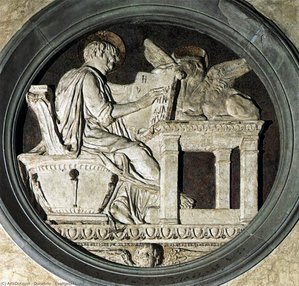
Donatello’s “St John the Evangelist,” completed between 1410 and 1411, isn't merely a sculpture; it’s an invitation into a realm of contemplative grace. Carved from pristine white marble, this figure transcends the coldness often associated with stone, radiating instead a profound sense of inner peace and intellectual depth. The statue captures a moment of quiet reflection – St. John, depicted as an aged but dignified scholar, his gaze directed inward, lost in the contemplation of scripture. The choice of marble itself speaks volumes; its luminous quality allows light to play across the folds of his robes, revealing the sculptor’s masterful understanding of form and texture, while simultaneously suggesting a spiritual purity that mirrors the subject's character.
- Classical Foundation: Donatello’s work is deeply rooted in the classical ideals of antiquity. The pose—a seated figure holding a book—is reminiscent of Roman statues, yet imbued with a distinctly Renaissance sensibility.
- Innovative Perspective: A crucial element of this sculpture's brilliance lies in its ingenious solution to perspective. Recognizing that the statue would be viewed from above, Donatello cleverly shortened the legs and elongated the torso, creating an illusion of naturalism and ensuring the figure appears balanced and grounded despite its elevated position.
- Symbolic Gestures: The open hand holding a scroll is laden with symbolism – representing both knowledge and faith, wisdom and divine revelation. It’s a gesture that invites viewers to engage in their own spiritual journey.
A Sculptor's Renaissance
Donatello (1386-1466) stands as one of the pivotal figures in the transition from Medieval to Renaissance art. Born in Florence, he was a student of the past, meticulously studying classical sculpture and integrating its principles into his own innovative style. Unlike many sculptors of his time who favored ornate, stylized forms, Donatello sought to capture human emotion and movement with unprecedented realism. His work wasn’t simply about replicating appearances; it was about conveying inner life – a characteristic that defines the Renaissance spirit. His early career saw him working under Lorenzo Ghiberti on the bronze doors of the Florence Baptistery, an experience that profoundly shaped his artistic development.
Key Innovations:- Expressive Faces: Donatello pioneered a new approach to facial expression in sculpture, imbuing his figures with a remarkable degree of psychological depth.
- Dynamic Poses: He moved away from the static poses prevalent in Medieval art, introducing a sense of movement and vitality into his sculptures.
The Context of Faith and Patronage
“St John the Evangelist” was commissioned during a period of immense religious and cultural change in Florence. The city was experiencing a resurgence of interest in classical learning, fueled by humanist scholars who sought to revive the values and ideals of ancient Greece and Rome. This intellectual ferment profoundly influenced Donatello’s work, leading him to embrace humanism while retaining a deep reverence for Christian faith. The sculpture was originally intended for a niche within the Florence Duomo (Cathedral), a testament to its importance within the city's religious landscape. The Medici family, powerful patrons of the arts, likely commissioned the piece, reflecting their commitment to supporting artistic endeavors that celebrated both human achievement and divine inspiration.
A Legacy of Serenity
More than six centuries after its creation, “St John the Evangelist” continues to captivate viewers with its quiet dignity and profound sense of contemplation. It’s a sculpture that invites us to pause, reflect, and consider our own place in the world. Donatello's masterful execution—the luminous marble, the nuanced expression, the ingenious perspective—creates an experience that transcends mere visual appreciation. It is a timeless meditation on faith, knowledge, and the enduring power of the human spirit. Reproductions strive to capture this essence, offering a tangible connection to one of the Renaissance’s most beloved masterpieces.
Obras relacionadas

Biografía del artista
Vida temprana y carrera
Donato di Niccolò di Betto Bardi, conocido como Donatello, nació en Florencia, Italia alrededor de 1386. Estudió escultura clásica, lo que influyó fuertemente en su desarrollo de un estilo del primer Renacimiento. Este nuevo enfoque hacia el arte y la cultura eventualmente se convertiría en la característica distintiva del florentino renacimiento.Obras clave e innovaciones
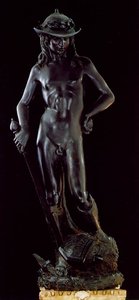
La obra más famosa de Donatello, David, fue la primera escultura masculina desnuda independiente desde la antigüedad. Comisionada por la familia Medici, mostró su estilo innovador y experiencia técnica. Otras obras notables incluyen:- San Luis de Tolosa (ahora en el museo de la Basílica di Santa Croce), que presentaba un marco clásico diseñado por Donatello.
- El sacrificio de Isaac, creado para el campanile de Santa Maria del Fiore en Florencia, se caracterizó por fuertes detalles de retrato.
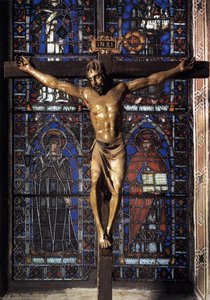
- Crucifijo (1425) para Santa Croce, que retrataba a Cristo en un momento de agonía.
Estilo artístico y legado
El estilo de Donatello puede dividirse en amplias fases, comenzando con el desarrollo de expresividad y monumentalidad clásica. Su obra no fue inmediatamente aceptada por la comunidad, pero eventualmente se convirtió en la más popular, influyendo a otros tribunales italianos y artistas europeos. Movimientos artísticos clave:Vida personal y estilo de trabajo
Donatello era conocido por ser afable y querido, pero pobre en el lado comercial de su carrera. Tendía a aceptar más comisiones de las que podía manejar, a menudo completando obras tarde o entregándolas a otros escultores. Obras de arte notables y artistas:- Leonardo da Vinci: Anunciación (detalle)
- Amico Aspertini: Estátua de Pan/León que azota a un caballo
- Miguel Ángel Buonarroti: Tondo Pitt
Museos y colecciones de arte
- Museo della Collegiata (Empoli, Italia): una joya oculta del renacimiento, con obras de Francesco Botticini y Raffaello Botticini.
- El movimiento artístico del primer Renacimiento italiano
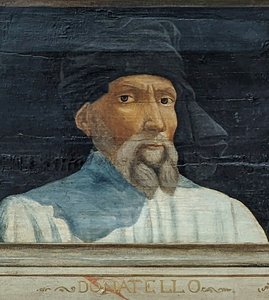
Donatello
1386 - 1466 , Italia
Datos clave
- Artistas Que Influyeron:
- Lorenzo Ghiberti
- Nanni di Banco
- Fecha De Nacimiento: c. 1386
- Influenciado A Artistas:
- Leonardo da Vinci
- Michelangelo Buonarroti
- Lugar De Nacimiento: Florencia, Italia
- Movimiento Artístico: Renacimiento temprano
- Nacionalidad: Italiana
- Nombre Completo: Donatello (Donato di Niccolò)
- Obras Notables:
- David
- St. Louis of Toulouse
- Sacrifice of Isaac
- Crucifix (1425)
Artículos relacionados

Esculturas de Bronce Legendarias: 10 Obras Maestras que Transformaron el Arte | ArtsDot
Descubre las 10 esculturas de bronce más legendarias que revolucionaron el arte. Explora la historia de Rodin, Degas y otros maestros del bronce. Encuentra reproducciones de alta calidad e inspiración para tu hogar en ArtsDot.com.
The Enduring Allure of Marble in Art History: From Classical Sculpture to Modern Abstraction
Explore the captivating history of marble sculpture from ancient Greece to modern art. Discover renowned artists like Canova & Michelangelo, carving techniques, and investment insights at ArtsDot.

John Singer Sargent: Las 25 Obras Maestras del Retrato y la Belle Époque | ArtsDot
Descubre las 25 obras maestras de John Singer Sargent, el maestro del retrato y la Belle Époque. Explora su técnica impresionista, historias fascinantes y encuentra reproducciones de arte exclusivas para decorar tu hogar con elegancia en ArtsDot.com.

John Constable: Las 25 Obras Maestras del Paisaje Inglés | ArtsDot
Descubre las 25 obras maestras de John Constable, el pintor romántico inglés que capturó la belleza del paisaje. Explora su técnica, historia y significado en ArtsDot.com. Reproducciones de arte de alta calidad para tu hogar.

Las 10 Obras Maestras de Bronce que Revolucionaron la Historia del Arte | ArtsDot
Descubre las 10 esculturas de bronce más influyentes de la historia del arte. Explora obras maestras de Rodin, Degas y otros genios. Encuentra reproducciones de arte de calidad museo en ArtsDot.com.