

 Ver en contexto
 Enviar
 Compartir
 Detalles

 Descargar
 Similares
 Radiografía
 Presentación de diapositivas
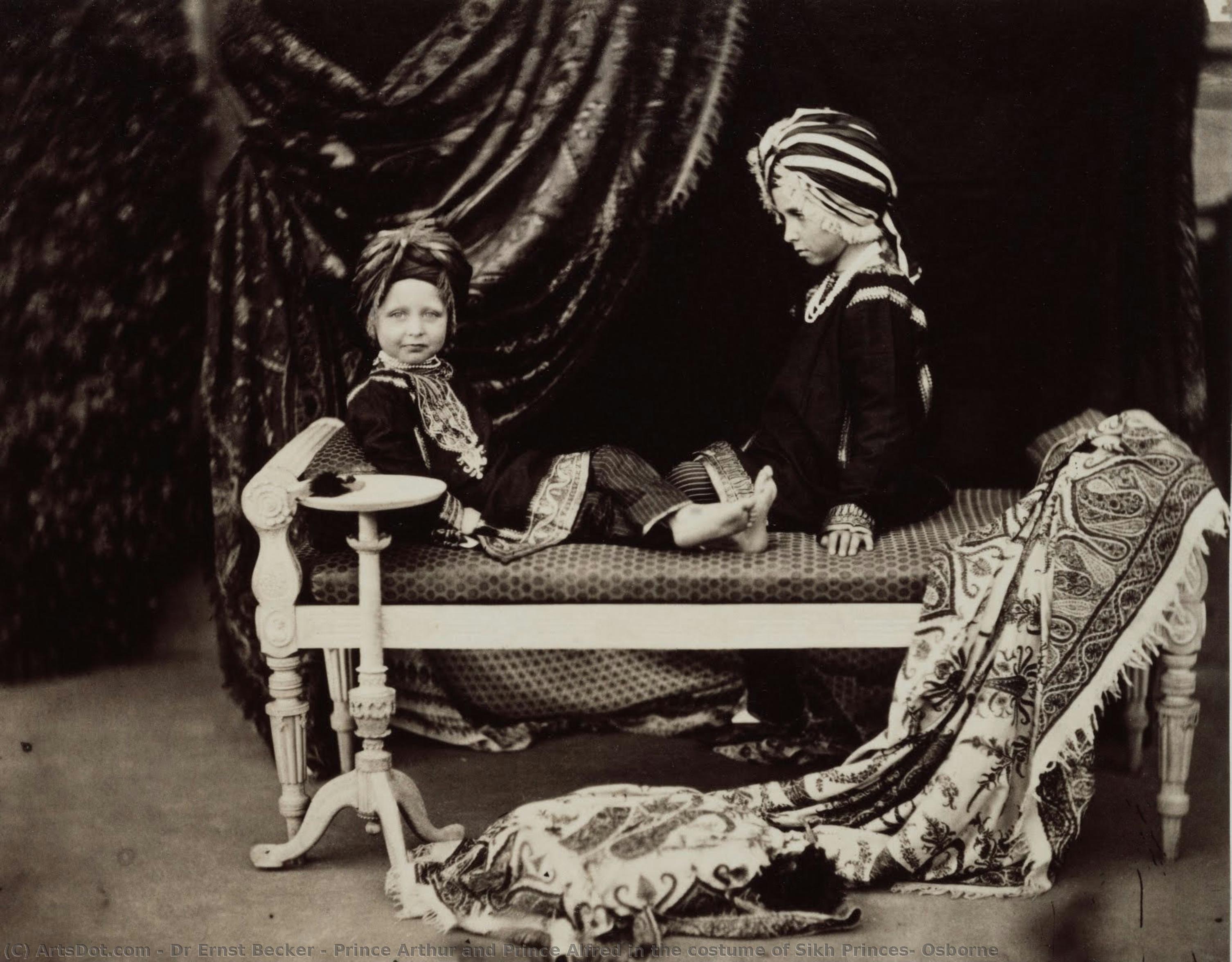
Prince Arthur and Prince Alfred in the costume of Sikh Princes, Osborne
 Acrylic On Canvas
- WallArt
- Other
 1854
1854 13.0 x 10.0 cm
 Royal Collection
 Ver más
Reproducción al óleo hecha a mano
Óleo sobre lienzo pintado a mano en el tamaño y marco de su elección, realizado por encargo por nuestros artistas. ( Comprar impresión Comprar imagen)




P118B $10

P118H $10

P118W $10

P438Z $10

P508JH $12

P508YH $12

P805H $10

P805Z $10

P919BZ $10

P919G $10

P919XJ $10

P959ZH $10

P968JZ $12

W106C $8

W218G $10

W218JH $8

W218Y $10

W307PJ $10

W316G $10

W316PJ $8

W316Y $10

W398PJ $8

W4111J $10

W500HY $15

W500JH $15

W692G $12

W849H $8

W940BG $15

W953PJ $8




Elija entre nuestros tamaños predefinidos que respetan las proporciones originales de la obra.

Puede ingresar sus propias dimensiones para adaptarse a un marco o espacio específico. Si el tamaño seleccionado no coincide con las proporciones de la imagen original, recortaremos la obra o extenderemos la pintura con elementos adicionales pintados a mano. Se le enviará una maqueta digital para su aprobación antes de comenzar la producción.
Tenga en cuenta que la vista previa en pantalla no refleja el recorte o la extensión reales. Solo la maqueta mostrará con precisión la composición final.
Si bien existen tamaños personalizados, recomendamos seleccionar una dimensión de la lista predefinida para preservar las proporciones originales.
Tras realizar el pedido, el equipo de ArtsDot.com enviará un correo electrónico al cliente para solicitar instrucciones y proporcionarle una vista previa del boceto.
Envío a todo el mundo () en 3-4 semanas en lugar de las 5 semanas estándar. (31 agosto). Sin comprometer la calidad.

Envío exprés gratuito a todo el mundo

Lienzo de lino de alta calidad

Seguro de envío total

Garantía de reembolso de impuestos aduaneros

Garantía de fidelidad cromática exacta

Política de devolución de 60 días (solo por defectos)

Garantía de devolución del 100% del dinero

Descuento por cantidad
 La opción de vidrio solo está disponible en tamaños inferiores a 110 cm.

Prince Arthur and Prince Alfred in the costume of Sikh Princes, Osborne
Técnica de reproducción
Dimensiones de la reproducción
-


Precio total final
$ 288
A Glimpse into Royal Playtime: Prince Arthur and Prince Alfred in Sikh Costume
The photograph presented here – “Prince Arthur and Prince Alfred in the costume of Sikh Princes, Osborne” – is more than just a portrait; it’s a frozen moment of youthful exuberance within the rigid confines of Victorian royal life. Created by Dr. Ernst Becker in 1854, this remarkable image offers a rare and intimate glimpse into the childhood of two young princes, captured with a sensitivity that belies its historical context. The scene unfolds at Osborne House on the Isle of Wight, a beloved retreat for Queen Victoria and her family, where the formality of court was occasionally softened by moments of playful imitation.
Becker’s technical mastery is immediately evident in the meticulous detail achieved through the wet collodion process – a technique then considered cutting-edge. The image possesses a remarkable depth of tone, utilizing subtle gradations of gray to sculpt the boys' faces and clothing with astonishing precision. Notice how the light, seemingly diffused from an unseen window, gently illuminates their features, casting soft shadows that lend a sense of realism and immediacy to the scene. The slightly flattened perspective, characteristic of early photography, contributes to a feeling of intimacy, as if we are privileged witnesses to this private moment.
Costumes as Symbols: Royalty, Identity, and Cultural Borrowing
The elaborate Sikh-inspired costumes worn by Prince Arthur and Prince Alfred are not merely decorative; they represent a complex interplay of symbolism. The princes’ attire – turbans, shawls, and intricate embroidery – clearly demonstrates an awareness and appreciation for the rich cultural traditions of the Sikh Empire. This wasn't simply a whimsical fancy; it speaks to Victoria’s fascination with exotic cultures and her desire to cultivate a sense of global understanding within her family. The choice of these particular costumes suggests a deliberate effort to introduce elements of foreign culture into the royal environment, subtly signaling an openness to diverse influences.
Furthermore, the costumes can be interpreted as a reflection of the Victorian fascination with Orientalism – a romanticized and often problematic view of Eastern cultures. While undoubtedly intended as a gesture of respect and admiration, it’s important to acknowledge that this representation was filtered through a Western lens, potentially simplifying and distorting the complexities of Sikh identity.
A Portrait of an Era: Victorian Society and Photographic Practice
“Prince Arthur and Prince Alfred” is a quintessential example of 19th-century portraiture, reflecting both the social conventions and technological advancements of the time. The formal pose – the boys seated side-by-side on the chaise longue, maintaining a dignified composure – adheres to the strict protocols of royal portraits. The setting itself, Osborne House, was designed as a miniature replica of an Indian palace, further emphasizing the Victorian fascination with Eastern aesthetics and imperial power.
Becker’s work highlights the evolving role of photography in documenting history and shaping perceptions. Initially viewed as a scientific tool, photography quickly became a powerful medium for capturing likenesses, preserving memories, and projecting images of authority. The photograph's longevity speaks to its enduring appeal – a testament to Becker’s skill and the captivating story it tells.
Emotional Resonance: Innocence and Royal Duty
Despite the formality of the setting and the symbolic weight of the costumes, the image possesses a remarkable sense of warmth and intimacy. The boys' youthful faces, alight with curiosity and perhaps even mischief, convey a feeling of innocence and playfulness. They are not presented as distant figures of royalty but as children engaged in a shared activity – a moment of imaginative recreation within the confines of their privileged world.
“Prince Arthur and Prince Alfred” offers a poignant reminder that even within the most structured environments, moments of genuine human connection can emerge. It’s a captivating window into Victorian society, a celebration of cultural exchange, and a testament to the enduring power of photography to capture fleeting glimpses of history.
Obras relacionadas

Biografía del artista
primeros años y formación
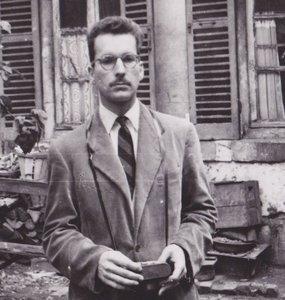
dr. ernst becker, quien fuera un funcionario de rango medio en las SS de la Alemania nazi y químico en la Oficina Principal de Seguridad del Reich (RSHA), nació en 1900 en Staufenberg, Alemania. Dedicó sus primeros años al rigor académico, estudiando química y física en la Universidad de Giessen, donde alcanzó su doctorado en química en 1933.carrera e implicación con el régimen nazi
La trayectoria de Becker se entrelazó con el ascenso del nazismo cuando se unió al partido nazi en 1930 y a las SS en 1931. Fue destinado al regimiento SS 'Germania' en Bad Arolsen, una pequeña ciudad balneario cerca de Kassel, en la Alemania central. Su papel fue de una naturaleza técnica y devastadora, ya que proporcionó un apoyo técnico crucial para el desarrollo de cámaras de gas y furgonetas con compartimentos traseros diseñados para este fin, herramientas utilizadas en los primeros asesinatos masivos perpetrados por los nazis contra personas con discapacidad, disidentes políticos, judíos y otros denominados "enemigos raciales". Esta labor incluyó su participación en la Acción T4 y en las Einsatzgruppen (escuadrones de la muerte móviles) en las zonas de la Unión Soviética ocupadas por los nazis.implicación notable y controversia
participación personal en operaciones de cámaras de gas: En al menos una ocasión, Becker participó personalmente en el proceso de gasificación de unas 20 personas, lo que pone de relieve su implicación directa en las atrocidades cometidas por el régimen nazi.vida posterior y muerte
Becker ascendió al rango de SS-Untersturmführer (subteniente). Falleció en 1967.obras de arte y museos relevantes
- europe after the rain i de max ernst (ver en ArtsDot.com) muestra el estilo único del artista, un contraste absoluto con la implicación de Becker en el régimen nazi.
- el suermondt-ludwig-museum (ver en ArtsDot.com) en Aquisgrán, Alemania, es un ejemplo de institución cultural que ha contribuido a la comprensión y al recuerdo de la compleja historia de Alemania.
- las propias contribuciones artísticas de dr. ernst becker no son notables; sin embargo, su implicación con el régimen nazi sirve como un recordatorio de las atrocidades cometidas durante la Segunda Guerra Mundial.
referencias
Dr. Ernst Becker
1900 - 1967 , Alemania
Artículos relacionados
Beyond the Lens: Photography's Enduring Influence on Modern & Contemporary Art
Explore photography's pivotal role in shaping modern & contemporary art. Discover key movements, influential artists like Stieglitz, and expert collecting advice from ArtsDot.
Pictorialismo: La Búsqueda del Alma de la Fotografía Artística – Estética, Técnicas y Legado
Descubre el Pictorialismo, un movimiento clave en la historia de la fotografía artística. Explora sus técnicas, figuras emblemáticas y su legado perdurable. Guía experta para coleccionistas y amantes del arte.
Witnessing History Through Lens & Light: Documentary Photography's Enduring Legacy
Explore the powerful history of documentary photography – from its origins to contemporary masters like Gordon Parks & W. Eugene Smith. Discover how this art form shapes our understanding of society and witness pivotal moments in time.

Monochrome Visions: Exploring the Aesthetic & Historical Significance of Black & White Photography
Explore the rich history & artistic power of black and white photography. From early techniques to iconic masters like Ansel Adams, discover why monochrome continues to captivate art lovers today. Expert insights for collectors.

Los 10 Maestros de la Fotografía Documental: Obras que Cambiaron el Arte y la Decoración
Descubre los 10 iconos de la fotografía documental que cambiaron el arte. Explora las historias detrás de obras maestras de Dorothea Lange, Robert Capa y más. Reproducciones de alta calidad para decorar tu hogar con arte atemporal en .

