

 Ver en contexto
 Enviar
 Compartir
 Detalles

 Descargar
 Similares
 Radiografía
 Presentación de diapositivas
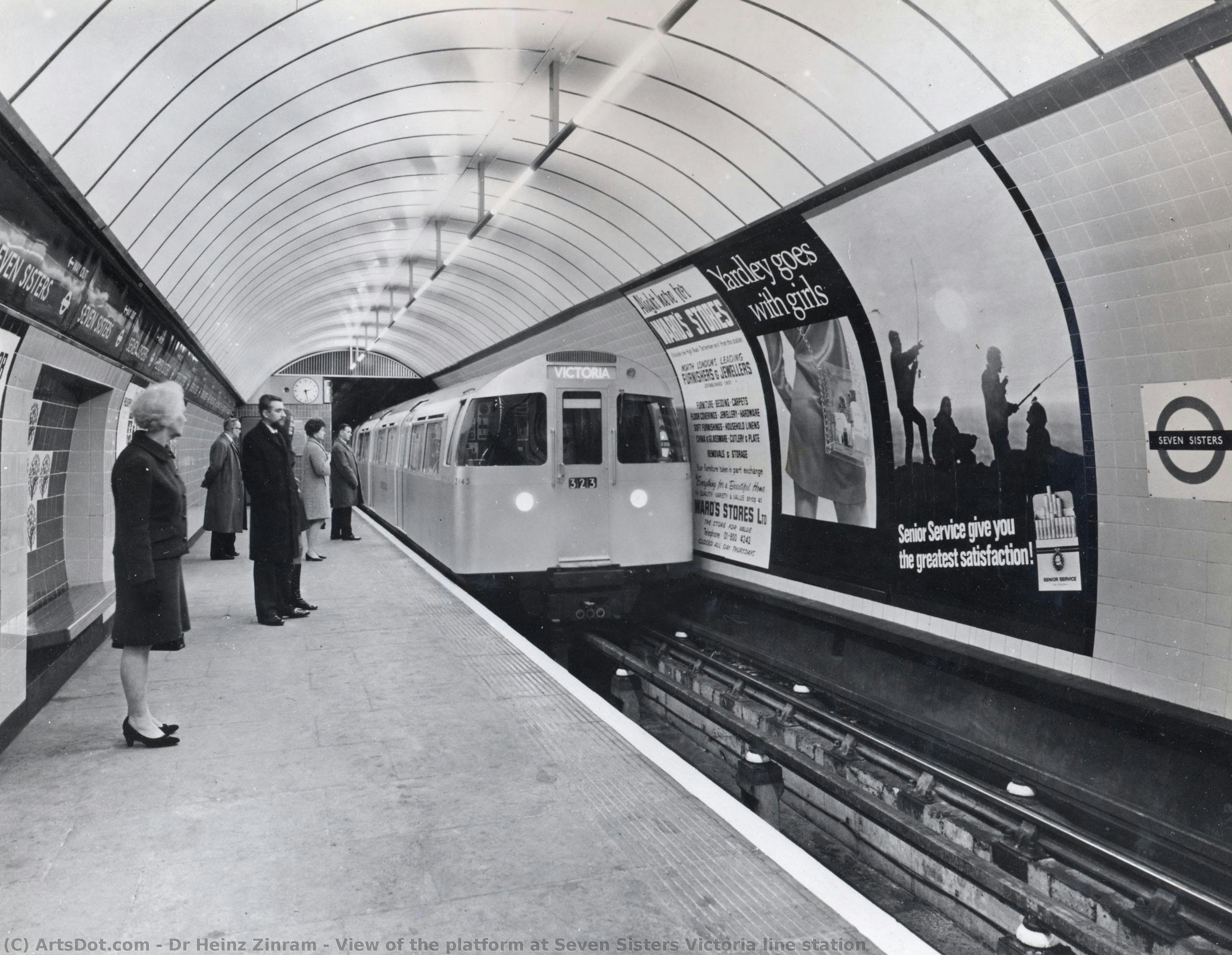
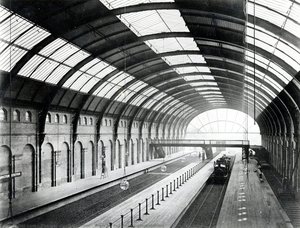
View of the platform at Seven Sisters Victoria line station


 Ver más
Reproducción al óleo hecha a mano
Óleo sobre lienzo pintado a mano en el tamaño y marco de su elección, realizado por encargo por nuestros artistas. ( Comprar impresión Comprar imagen)




































Elija entre nuestros tamaños predefinidos que respetan las proporciones originales de la obra.

Puede ingresar sus propias dimensiones para adaptarse a un marco o espacio específico. Si el tamaño seleccionado no coincide con las proporciones de la imagen original, recortaremos la obra o extenderemos la pintura con elementos adicionales pintados a mano. Se le enviará una maqueta digital para su aprobación antes de comenzar la producción.
Tenga en cuenta que la vista previa en pantalla no refleja el recorte o la extensión reales. Solo la maqueta mostrará con precisión la composición final.
Si bien existen tamaños personalizados, recomendamos seleccionar una dimensión de la lista predefinida para preservar las proporciones originales.
Tras realizar el pedido, el equipo de ArtsDot.com enviará un correo electrónico al cliente para solicitar instrucciones y proporcionarle una vista previa del boceto.
Envío a todo el mundo () en 3-4 semanas en lugar de las 5 semanas estándar. (29 agosto). Sin comprometer la calidad.

Envío exprés gratuito a todo el mundo

Lienzo de lino de alta calidad

Seguro de envío total

Garantía de reembolso de impuestos aduaneros

Garantía de fidelidad cromática exacta

Política de devolución de 60 días (solo por defectos)

Garantía de devolución del 100% del dinero

Descuento por cantidad
 La opción de vidrio solo está disponible en tamaños inferiores a 110 cm.

View of the platform at Seven Sisters Victoria line station
Técnica de reproducción
Dimensiones de la reproducción
-


Precio total final
$ 388
Obras relacionadas






Biografía del artista
Heinz Zinram: Capturing the Soul of Industry
Heinz Zinram (1910-Living) emerged from Vienna’s turbulent prewar years as a lawyer, but his true passion lay in photography—a medium he embraced with remarkable tenacity and artistic vision. Forced to flee Nazi Germany in 1939, Zinram found refuge in London where he swiftly established himself as one of Britain's foremost industrial photographers during the postwar era. His work transcends mere documentation; it’s imbued with a dramatic flair that elevates mundane scenes into compelling narratives of British industry and innovation. Early Life & Legal Training: Born in Vienna, Austria, Zinram received a solid legal education, grounding him in analytical observation—a skill that would prove invaluable to his photographic endeavors. This meticulous attention to detail translated seamlessly into his artistic practice, informing his compositional choices and fostering a deep understanding of visual form. He pursued law with seriousness and discipline, recognizing the importance of intellectual rigor alongside creative exploration. The Escape from Fascism: His harrowing journey out of Nazi Vienna exemplifies courage and determination, shaping his worldview and fueling his desire to capture the realities of a world grappling with profound change. The experience instilled in him an unwavering commitment to truthfulness—a characteristic that underpinned his artistic vision and guided his photographic explorations throughout his career. Facing persecution and displacement demanded resilience and adaptability, qualities he carried forward into his subsequent life as a celebrated artist. London & The Rise of Industrial Photography: Arriving in London, Zinram quickly recognized the potential for photography to illuminate the complexities of British manufacturing. He honed his craft, experimenting with innovative techniques—particularly utilizing dramatic lighting—and mastering the art of capturing both the precision and emotion inherent in industrial environments. This pioneering spirit propelled him to become a leader in the burgeoning field of industrial photography, documenting significant sites and shaping its aesthetic trajectory. Zinram’s Photographic Style: His photographic style is characterized by a distinctive blend of realism and theatricality. He eschewed overly polished studio portraits, preferring instead to shoot directly on location—often utilizing dramatic lighting and carefully considered compositions to heighten the impact of his images. His subjects ranged from sprawling factories to bustling workshops, revealing glimpses into the daily lives of workers and engineers alike. Notably, he possessed an uncanny ability to find beauty within the industrial landscape, portraying machines and buildings not as symbols of cold efficiency but as canvases for human experience—a profound insight that distinguishes his work from conventional documentary photography. He meticulously crafted images that conveyed not just what was seen but also how it felt, capturing fleeting moments of human interaction and revealing hidden layers of meaning. Notable Achievements & Legacy: Among his most celebrated works are interior shots of Tube carriages—particularly a stunning 1962 photograph of the Seven Sisters Victoria Line station. These images showcase Zinram’s masterful use of geometric design and lighting, transforming ordinary spaces into evocative representations of British culture. He documented significant industrial sites across Britain, contributing invaluable visual records to the history of postwar reconstruction and technological advancement. His photographs continue to resonate today, offering viewers a glimpse into a bygone era while simultaneously reminding us of the enduring beauty found within the fabric of everyday life—a testament to his artistic vision and unwavering dedication to capturing the essence of the industrial age. He remains an influential figure in British industrial photography, inspiring subsequent generations of artists to explore the intersection between observation and expression.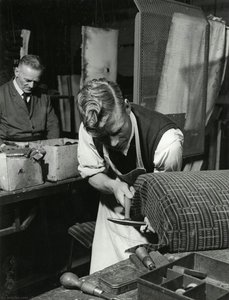
Heinz Zinram
1910 - , Austria
Datos clave
- Artistic Movement Or Style: Industrial Photography
- Date Of Birth: May 11, 1910
- Full Name: Heinz Zinram
- Nationality: Austrian
- Notable Artworks: ['Interior of 1938 tube stock carriage']
- Place Of Birth: Vienna, Austria

