

 Ver en contexto
 Enviar
 Compartir
 Detalles

 Descargar
 Similares
 Radiografía
 Presentación de diapositivas
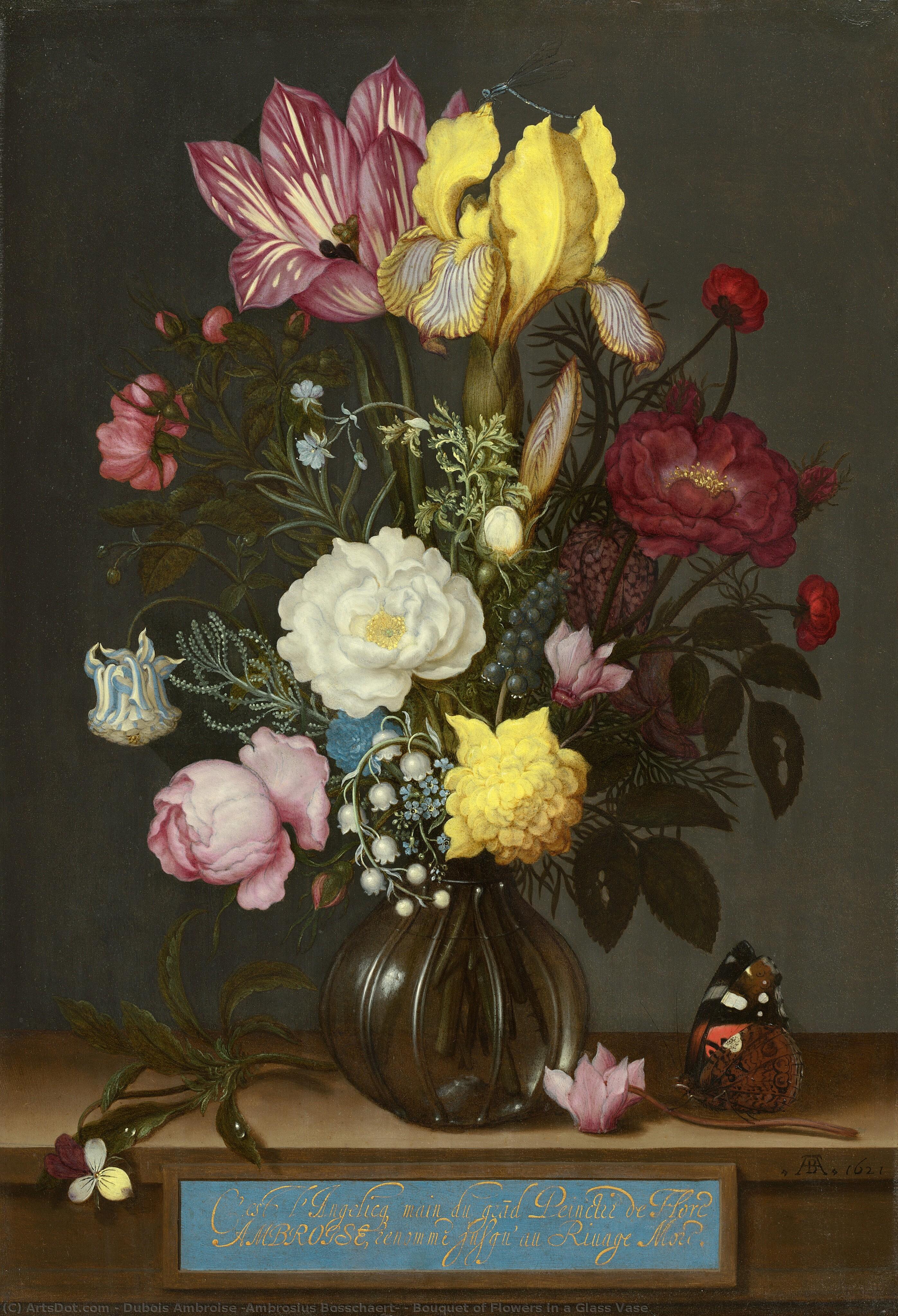
Bouquet of Flowers in a Glass Vase
 1621
1621 53.0 x 44.0 cm
 Ver más
Giclée / Impresión de arte
Impresiones giclée o en lienzo de calidad de museo con producción rápida y opciones de acabado flexibles. ( Comprar pintura hecha a mano Comprar imagen)




































Elija entre nuestros tamaños predefinidos que respetan las proporciones originales de la obra.

Puede introducir sus propias dimensiones para adaptarse a un marco o espacio específico. Si el tamaño seleccionado no coincide con las proporciones de la imagen original, recortaremos la obra de arte o extenderemos la imagen con un borde con efecto espejo o de color sólido. Se enviará una maqueta digital para su aprobación antes de que comience la producción.
Tenga en cuenta que la vista previa en pantalla no refleja el recorte o la extensión real. Solo la maqueta mostrará con precisión la composición final.
Aunque existen tamaños personalizados, recomendamos seleccionar una dimensión de la lista predefinida para preservar las proporciones originales.
Envío a todo el mundo () en 2 semanas en lugar de las 4/5 semanas estándar. (7 septiembre)

Envío exprés gratuito a todo el mundo

Lienzo de lino de alta calidad

Seguro de envío total

Garantía de reembolso de impuestos aduaneros

Garantía de fidelidad cromática exacta

Política de devolución de 100 días (solo por defectos)

Garantía de devolución del 100% del dinero

Descuento por cantidad
 La opción de vidrio solo está disponible en tamaños inferiores a 110 cm.

Bouquet of Flowers in a Glass Vase
Giclée / Impresión de arte
Dimensiones de la reproducción
-


Precio total final
$ 62
Obras relacionadas







Biografía del artista
Ambrosius Bosschaert: Pioneer of Floral Still Life
Ambrosius Bosschaert the Elder (1542 – 1614) stands as a pivotal figure in the history of Northern Renaissance art, specifically recognized for his groundbreaking contribution to the genre of floral still life. Born in Antwerp, Belgium, he emerged from a family steeped in artistic tradition—his father, Ambrosius Bosschaert II, was himself a respected painter—and quickly established himself as a masterful practitioner of visual storytelling and botanical observation. His legacy continues to inspire artists today, cementing his place among the foremost painters of his era.- Early Life & Training: Bosschaert’s formative years were spent absorbing artistic principles from his father and fellow artists in Antwerp’s vibrant guild system. This environment fostered a meticulous attention to detail and an understanding of humanist ideals prevalent during the Renaissance, shaping his artistic sensibilities profoundly.
- Move to Middelburg & Botanical Patronage: Recognizing the burgeoning interest in scientific exploration—fueled by figures like Carolus Clusius—Bosschaert relocated to Middelburg in 1587, where he secured patronage from influential botanists and established a studio that became a hub for artistic innovation.
- Floral Still Life Technique: Bosschaert’s distinctive style revolutionized painting practice. He meticulously rendered flowers and fruits with unparalleled realism—capturing subtle variations in color, texture, and form—often incorporating symbolic elements reflecting moral or religious themes. His compositions were characterized by balanced symmetry and a masterful use of light and shadow.
- Notable Works & Collaborations: Bosschaert’s oeuvre includes iconic pieces such as “The Baptism of Christ,” “Bouquet of Flowers in a Glass Vase,” and “The Sacrifice of the Thessalians on the Tomb of Neoptolème.” He collaborated extensively with fellow artists like Johannes Vermeer and Abraham Bloemaert, furthering the artistic dialogue of his time.
- Legacy & Influence: Bosschaert’s pioneering approach to floral painting established a dynasty of painters—his sons Ambrosius II, Johannes, and Abraham—who continued his stylistic innovations and solidified Middelburg's reputation as the epicenter of flower art in the Dutch Republic. His influence extended beyond artistic circles, shaping perceptions of beauty and scientific inquiry during the Baroque period.
The Flowering Renaissance: Bosschaert’s Artistic Vision
Bosschaert’s artistic vision was deeply rooted in humanist ideals—a belief in human reason and observation as pathways to understanding the natural world. He embraced the scientific advancements of his time, meticulously documenting botanical specimens with exacting accuracy—a practice that anticipated the burgeoning field of botany. This commitment to realism combined with symbolic representation elevated his paintings beyond mere decorative art, transforming them into vehicles for conveying moral and spiritual messages. His compositions often mirrored classical ideals of harmony and balance, reflecting the broader cultural currents shaping Europe during the Renaissance.- Botanical Observation: Bosschaert’s meticulous drawings served as a foundation for his paintings, demonstrating an extraordinary grasp of botanical anatomy and coloration.
- Symbolic Representation: Flowers and fruits frequently carried symbolic meanings—representing virtues, vices, or religious concepts—adding layers of intellectual depth to his artworks.
- Classical Influence: Bosschaert’s compositions drew inspiration from classical art forms—particularly Roman sculpture—demonstrating an awareness of artistic traditions spanning centuries.
A Dynasty of Floral Masters
The Bosschaert family cultivated a remarkable artistic lineage, with Ambrosius II, Johannes, and Abraham inheriting their father’s talent and stylistic sensibilities. These sons continued Bosschaert's legacy by establishing Middelburg as the foremost center for flower painting in the Dutch Republic—a testament to his enduring influence on subsequent generations of artists. Their collaborative efforts enriched the artistic landscape of the Baroque period, furthering the exploration of botanical themes and elevating floral still life to a position of prestige within European art history.- Ambrosius II: Continued Bosschaert’s meticulous technique and stylistic innovations
- Johannes: Expanded on his father's repertoire with landscapes and portraits alongside flower paintings
- Abraham: Established himself as a prominent figure in Utrecht’s artistic community, furthering Bosschaert’s legacy
Concluding Reflections: Bosschaert’s Enduring Significance
Ambrosius Bosschaert's contribution to art history transcends mere stylistic achievement; he fundamentally reshaped perceptions of beauty and scientific inquiry. His pioneering approach to floral still life—characterized by realism, symmetry, and symbolic representation—established a paradigm for subsequent painters and cemented Middelburg’s reputation as the epicenter of flower art in the Dutch Republic. Bosschaert's legacy continues to inspire artists today, reminding us of the transformative power of observation, intellect, and artistic vision—qualities that remain central to understanding the enduring beauty of Northern Renaissance art.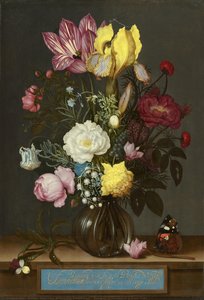
dubois ambroise (ambrosius bosschaert)
1542 - 1614
Datos clave
- Artistic Movement Or Style: Northern Renaissance
- Artists Or Movements Influenced By This Artist: ['Jan Brueghel the Elder']
- Artists Who Influenced This Artist:
- Hans Holbein the Younger
- Pieter Bruegel the Elder
- Date Of Birth: 1542
- Date Of Death: 1614
- Full Name: Ambrosius Bosschaert
- Nationality: Flemish
- Notable Artworks:
- Le baptême de Clorinde
- Bouquet of Flowers in a Glass Vase
- Le sacrifice des Thessaliens sur le tombeau de Néoptolème
- Place Of Birth: Antwerp, Belgium