

 Ver en contexto
 Enviar
 Compartir
 Detalles

 Descargar
 Similares
 Radiografía
 Presentación de diapositivas
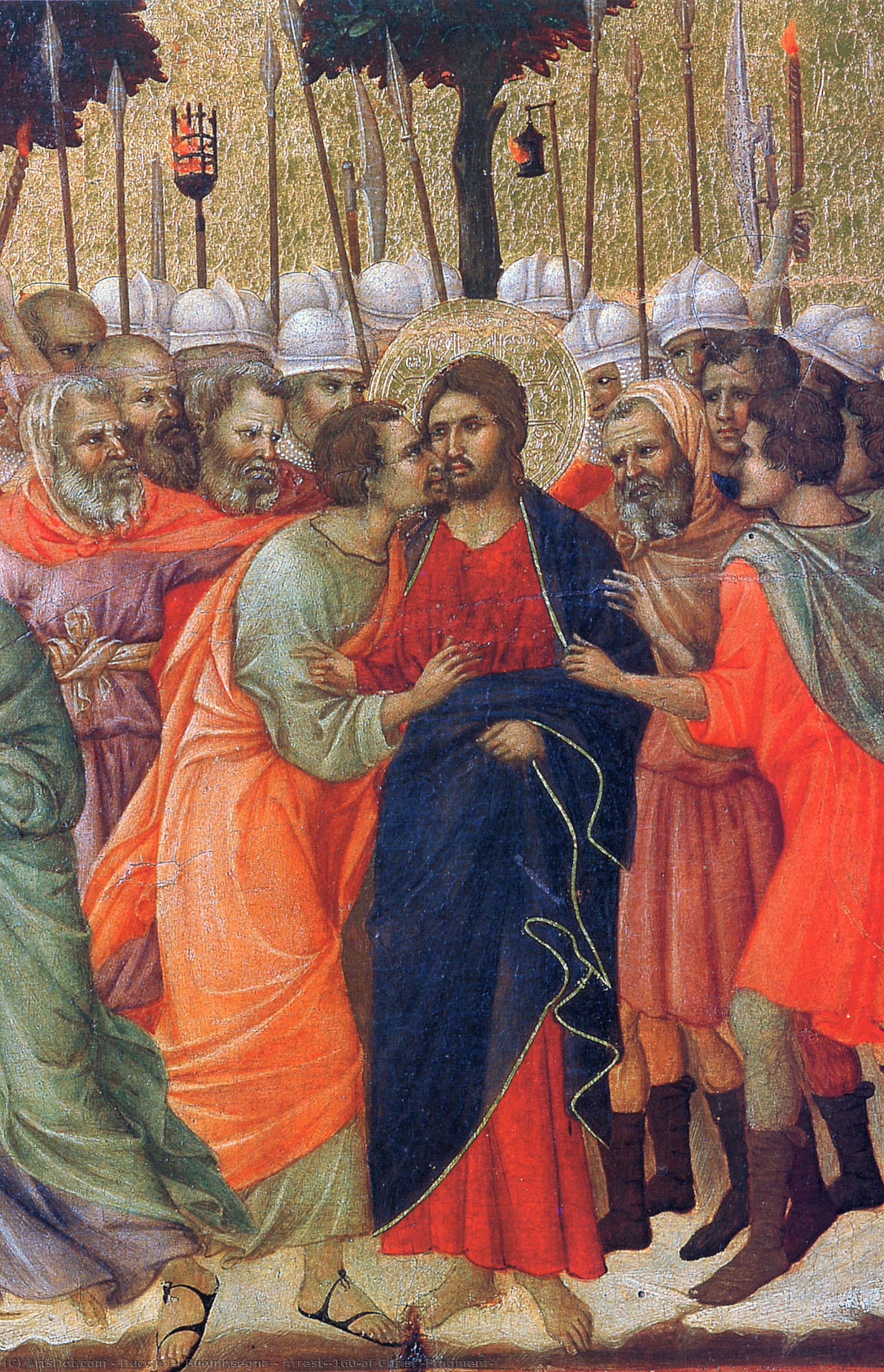
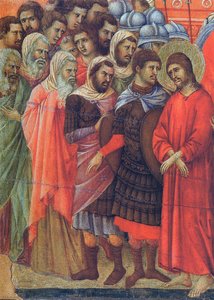
Arrest of Christ (Fragment)


 Ver más
Adquiera una imagen digital de alta resolución y optimizada, muy superior a la vista previa en línea.
Cada archivo es preparado meticulosamente por nuestros especialistas internos mediante el uso de herramientas avanzadas y un experto retoque manual. Nos aseguramos de que cada imagen posea una claridad excepcional, una precisión cromática impecable y un detalle minucioso.
El archivo final se entrega por correo electrónico en un plazo de 72 horas, optimizado para su uso inmediato en entornos profesionales, editoriales y de impresión. Esta es la misma calidad en la que confían los estudios de diseño, las editoriales y las galerías de primer nivel.
Imagen Digital
Descarga un archivo de alta resolución para exhibición personal, impresión y proyectos creativos. ( Comprar impresión Comprar pintura hecha a mano)
Incluido en cada pedido de imágenes digitales
Entrega digital experta, garantizada.
Al elegir ArtsDot.com, no solo está adquiriendo una imagen; está recibiendo una obra de arte digital mejorada profesionalmente, elaborada con precisión y respaldada por una garantía de satisfacción. Esto es todo lo que incluye su pedido, automáticamente:

Entrega rápida por email
Recibirá su archivo de imagen digital en alta resolución por correo electrónico en un plazo de 72 horas tras realizar su pedido, listo para su uso inmediato.

Archivo digital optimizado por IA
Su obra de arte se optimiza profesionalmente mediante herramientas avanzadas de IA y edición manual, garantizando el máximo detalle, claridad y precisión cromática.

Reenvío gratuito de por vida
¿Has borrado o perdido tu archivo por error? No te preocupes: te lo volveremos a enviar en cualquier momento, sin coste adicional.

Sin gastos de importación, siempre
Disfrute de su obra de arte al instante sin aduanas, aranceles ni gastos de envío; las descargas digitales siempre están libres de impuestos.

Garantía de fidelidad de color
Garantizamos que su imagen digital refleje los colores originales con la mayor fidelidad posible, mediante el uso de herramientas profesionales y gestión del color.

Garantía de satisfacción de 60 días
Si no está satisfecho con su imagen digital, la revisaremos o le reembolsaremos el 100% en un plazo de 60 días, sin preguntas.

100% Garantía de devolución de dinero
¿No está satisfecho? Obtenga un reembolso completo dentro de los 60 días posteriores a la recepción de su archivo digital, sin necesidad de explicaciones.

Descuentos por pedidos grandes
Compra 3 imágenes, ahorra 10% - Compra 5, ahorra 15% - Compra 10+, ahorra 20%. Ideal para proyectos creativos, galerías y agencias.
Descripción del coleccionable
A Moment Frozen in Time: The Drama of Duccio’s Arrest of Christ
In the quiet intensity of Duccio di Buoninsegna's Arrest of Christ (Fragment), we find ourselves standing at the precipice of a historical and spiritual revolution. Painted around 1311, this fragment is far more than a mere remnant of a larger altarpiece; it is a window into a transformative era where the rigid, celestial hierarchies of the Byzantine tradition began to yield to a burgeoning humanism. As we gaze upon the scene, the tension is palpable. The arrest of Jesus is not depicted as a distant, iconographic event, but as a visceral, unfolding tragedy. Through Duccio's masterful hand, the viewer is drawn into the chaotic energy of the crowd, where Roman soldiers and onlookers converge in a swirling composition of movement and mounting dread.
The technique employed here showcases the luminous brilliance of tempera on wood panel, a medium that allows for an extraordinary depth of color and fine textural detail. Duccio achieves a delicate balance between the stylized elegance of his predecessors and a new, daring naturalism. While the drapery of the figures retains a certain rhythmic, formal grace—echoing the spiritual authority of the Sienese School—there is an unmistakable sense of physical weight and emotional vulnerability in the faces and gestures. The artist’s ability to capture the play of light across surfaces creates a sense of divine presence amidst earthly turmoil, making the fragment feel alive with a pulse that has endured for over seven centuries.
Symbolism and the Soul of the Sienese School
Beyond the immediate narrative of conflict, every element within this composition whispers of deeper theological truths. The placement of objects near the central figure of Christ serves as a silent liturgy; for instance, the bowl and cup positioned near his head are not merely incidental details but profound symbols of the Eucharist, connecting the moment of his betrayal to the ultimate sacrifice of the sacrament. This layering of meaning ensures that the painting functions simultaneously as a historical record and a devotional tool, designed to stir the soul of the faithful and provoke contemplation on the nature of suffering and redemption.
For the discerning collector or interior designer, this piece offers an unparalleled opportunity to introduce a sense of profound history and intellectual depth into a space. A high-quality reproduction of this fragment brings with it the prestige of the Siena Cathedral’s legacy and the sophisticated aesthetic of the Proto-Renaissance. It is a work that commands attention not through sheer scale, but through its psychological complexity and the exquisite craftsmanship of its era. To possess such an image is to hold a piece of the dawn of modern Italian art, providing a focal point of grace, drama, and timeless beauty that can anchor any curated collection or elegantly designed room.
Obras relacionadas
Biografía del artista
vida temprana y carrera
Duccio di Buoninsegna, un renombrado pintor italiano de Siena, fue activo durante el tardo siglo XIII y principios del XIV. Nacido en 1255, la vida personal de Duccio permanece envuelta en misterio, con poco conocimiento sobre su origen familiar o sus primeros años. Sin embargo, sus contribuciones al estilo pictórico del trecento y la escuela sienesa están bien documentadas.estilo artístico e influencias
El trabajo de Duccio se caracteriza por su innovador uso del espacio y el color, como se ve en su obra maestra La Madonna de los Rucellai (1285). Esta pintura, que presenta a la Virgen María sosteniendo al Niño Jesús, rodeada de ángeles y santos, muestra el estilo único de Duccio, que combina el arte bizantino con nuevas técnicas. Su uso del modelado y su juego con la luz y los colores oscuros revelan figuras debajo de una vestidura pesada, creando una atmósfera acogedora y cálida.obras notables y legado
Algunas de las obras notables de Duccio incluyen:- Maestó (frontal, paneles de coronación), Partiendo de los apóstoles (arte gótico, óleo) - un testimonio de su enfoque innovador del espacio y el color.
- Políptico No. 28 (La Virgen Santa con el Niño Jesús y cuatro santos) (arte gótico, óleo) - demuestra la maestría de Duccio en la composición y la narrativa.
- Maestó (espalda, predela), Tentación en un pinnáculo del templo (arte gótico, óleo) - muestra su capacidad para equilibrar la luz y los colores oscuros.
legado y recuerdo
A pesar de tener dificultades con la gestión financiera, el legado artístico de Duccio supera ampliamente sus desafíos personales. Su obra se encuentra en varios museos y galerías, incluyendo la Galería de Arte de la Ciudad de Manchester, que alberga numerosas obras maestras de artistas destacados. Ver las obras de Duccio di Buoninsegna en ArtsDot.com Wikipedia: Duccio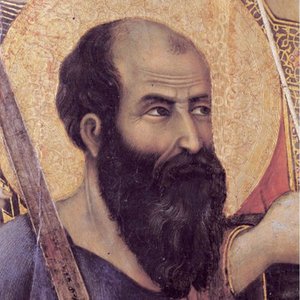
Duccio di Buoninsegna
1255 - 1319 , Italia
Breves datos
- Artistas Influenciados: ['Escuela Sienesa']
- Artistas Que Influyeron: ['Arte Bizantino']
- Fecha De Nacimiento: c. 1255
- Lugar De Nacimiento: Siena, Italia
- Movimiento Artístico: Gótico Sienés, Trecento
- Nacionalidad: Italiana
- Nombre Completo: Duccio di Buoninsegna
- Obras Notables:
- Madonna de Rucellai
- Maestà
- Vuelo a Egipto

