 Ver en contexto
 Enviar
 Compartir
 Detalles

 Descargar
 Similares
 Radiografía
 Presentación de diapositivas
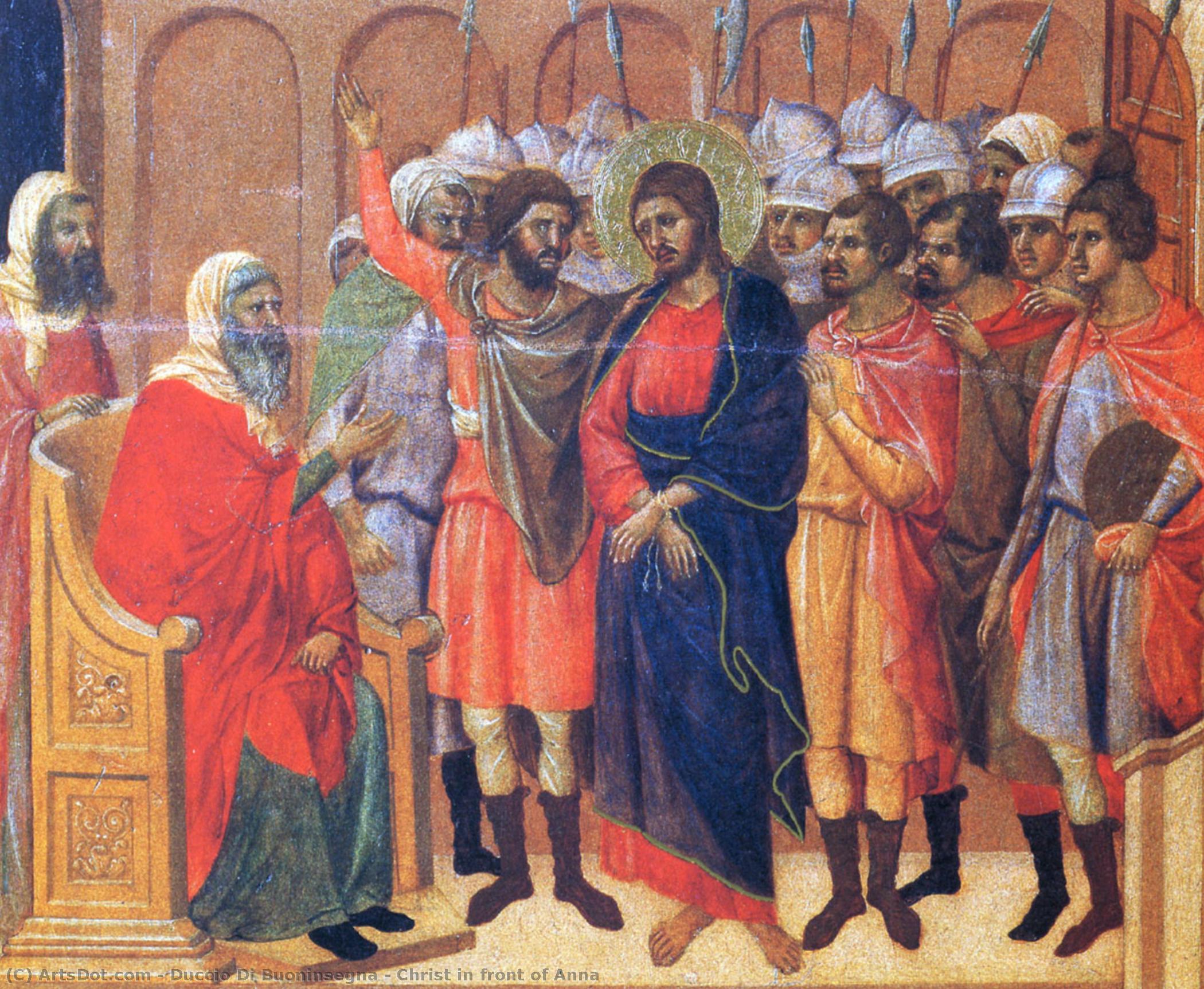
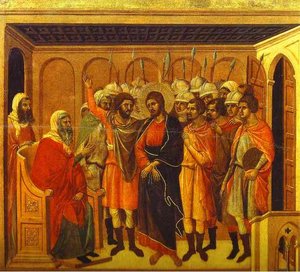
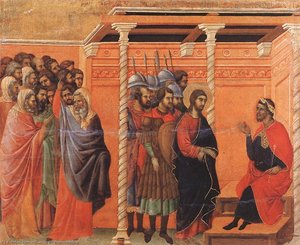
Christ in front of Anna


 Ver más
Giclée / Impresión de arte
Impresiones giclée o en lienzo de calidad de museo con producción rápida y opciones de acabado flexibles. ( Comprar pintura hecha a mano Comprar imagen)




P118B $10

P118H $10

P118W $10

P438Z $10

P508JH $12

P508YH $12

P805H $10

P805Z $10

P919BZ $10

P919G $10

P919XJ $10

P959ZH $10

P968JZ $12

W106C $8

W218G $10

W218JH $8

W218Y $10

W307PJ $10

W316G $10

W316PJ $8

W316Y $10

W398PJ $8

W4111J $10

W500HY $15

W500JH $15

W692G $12

W849H $8

W940BG $15

W953PJ $8




Elija entre nuestros tamaños predefinidos que respetan las proporciones originales de la obra.

Puede introducir sus propias dimensiones para adaptarse a un marco o espacio específico. Si el tamaño seleccionado no coincide con las proporciones de la imagen original, recortaremos la obra de arte o extenderemos la imagen con un borde con efecto espejo o de color sólido. Se enviará una maqueta digital para su aprobación antes de que comience la producción.
Tenga en cuenta que la vista previa en pantalla no refleja el recorte o la extensión real. Solo la maqueta mostrará con precisión la composición final.
Aunque existen tamaños personalizados, recomendamos seleccionar una dimensión de la lista predefinida para preservar las proporciones originales.
Envío a todo el mundo () en 2 semanas en lugar de las 4/5 semanas estándar. (26 agosto)

Envío exprés gratuito a todo el mundo

Lienzo de lino de alta calidad

Seguro de envío total

Garantía de reembolso de impuestos aduaneros

Garantía de fidelidad cromática exacta

Política de devolución de 60 días (solo por defectos)

Garantía de devolución del 100% del dinero

Descuento por cantidad
 La opción de vidrio solo está disponible en tamaños inferiores a 110 cm.

Christ in front of Anna
Giclée / Impresión de arte
Dimensiones de la reproducción
-


Precio total final
$ 62
Descripción de la pieza
A Moment of Grace: Duccio's "Christ in Front of Anna"
Duccio di Buoninsegna’s “Christ in front of Anna,” painted in 1311, represents a pivotal moment in the evolution of Italian art. Emerging from the rich artistic traditions of Siena during the Proto-Renaissance, this work transcends mere religious illustration; it is an intimate tableau brimming with human emotion and subtly challenging the rigid formality that characterized much Byzantine iconography. The painting’s genesis lies within a period of profound spiritual and social upheaval – the late 13th and early 14th centuries witnessed the rise of papal power, the devastation of the Black Death, and a growing desire for earthly connection within religious devotion. Duccio masterfully captures this shift, presenting a scene not of distant divinity but of a tangible encounter between Christ and Anna, a woman of considerable social standing.
- Subject Matter: The composition depicts Jesus Christ engaged in conversation with Anna, seated upon a chair within a richly detailed room. The presence of soldiers and knights – some bearing swords – suggests a context of political or military significance, perhaps reflecting the turbulent times.
- Style & Technique: Executed in the Proto-Renaissance style, “Christ in front of Anna” showcases Duccio’s innovative approach to naturalism. While retaining elements of Byzantine influence—particularly in the stylized rendering of figures and the use of gold leaf—he introduces a greater sense of volume, depth, and emotional expression. The artist's masterful use of color, particularly the luminous blues and reds, contributes significantly to the painting’s dramatic effect.
- Materials: Duccio employed tempera paint on panel, a technique common for Sienese artists at the time. The application of gold leaf, a hallmark of Byzantine art, adds an ethereal quality to the figures and background, further enhancing the scene's spiritual resonance.
Symbolism and Narrative
The inclusion of Anna herself is laden with symbolic weight. She represents piety, wisdom, and perhaps even a connection to the Virgin Mary, who was also named Anna. The act of Christ engaging in conversation with her suggests a profound theological point: that divine grace can be accessed through earthly figures, highlighting the importance of human interaction within the spiritual realm. The soldiers and knights present are not merely incidental details; they symbolize the intersection of faith and secular power – a recurring theme in medieval art and thought. Their presence underscores the political context surrounding Christ’s ministry and the challenges faced by early Christians.
- Clothing & Drapery: The elaborate clothing worn by the figures reflects the wealth and status of those depicted, offering insights into Sienese society during the 14th century.
- Body Language: Duccio’s attention to body language is remarkable. Christ's posture conveys a sense of gentle authority and compassion, while Anna’s expression suggests contemplation and reverence.
Historical Context & Legacy
"Christ in front of Anna" stands as a testament to Duccio’s pioneering role in shaping the artistic landscape of Italy. His work anticipated many of the key developments of the Renaissance, including a greater emphasis on humanism, naturalism, and emotional expression. This fragment, though incomplete, offers a powerful glimpse into the artist's genius and his profound understanding of both religious narrative and human psychology. It’s a poignant reminder of a time when faith and art were inextricably linked, and where even a seemingly simple scene could hold layers of meaning for generations to come.
Artist: Duccio di Buoninsegna (1255-1319)Obras relacionadas
Biografía del artista
vida temprana y carrera
Duccio di Buoninsegna, un renombrado pintor italiano de Siena, fue activo durante el tardo siglo XIII y principios del XIV. Nacido en 1255, la vida personal de Duccio permanece envuelta en misterio, con poco conocimiento sobre su origen familiar o sus primeros años. Sin embargo, sus contribuciones al estilo pictórico del trecento y la escuela sienesa están bien documentadas.estilo artístico e influencias
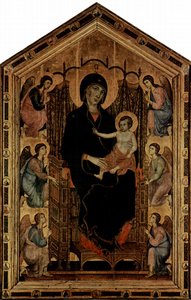
El trabajo de Duccio se caracteriza por su innovador uso del espacio y el color, como se ve en su obra maestra La Madonna de los Rucellai (1285). Esta pintura, que presenta a la Virgen María sosteniendo al Niño Jesús, rodeada de ángeles y santos, muestra el estilo único de Duccio, que combina el arte bizantino con nuevas técnicas. Su uso del modelado y su juego con la luz y los colores oscuros revelan figuras debajo de una vestidura pesada, creando una atmósfera acogedora y cálida.obras notables y legado
Algunas de las obras notables de Duccio incluyen:- Maestó (frontal, paneles de coronación), Partiendo de los apóstoles (arte gótico, óleo) - un testimonio de su enfoque innovador del espacio y el color.
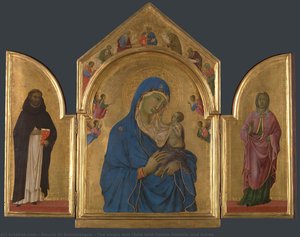
- Políptico No. 28 (La Virgen Santa con el Niño Jesús y cuatro santos) (arte gótico, óleo) - demuestra la maestría de Duccio en la composición y la narrativa.
- Maestó (espalda, predela), Tentación en un pinnáculo del templo (arte gótico, óleo) - muestra su capacidad para equilibrar la luz y los colores oscuros.
legado y recuerdo
A pesar de tener dificultades con la gestión financiera, el legado artístico de Duccio supera ampliamente sus desafíos personales. Su obra se encuentra en varios museos y galerías, incluyendo la Galería de Arte de la Ciudad de Manchester, que alberga numerosas obras maestras de artistas destacados. Ver las obras de Duccio di Buoninsegna en ArtsDot.com Wikipedia: Duccio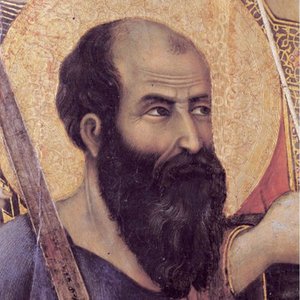
Duccio di Buoninsegna
1255 - 1319 , Italia
Datos clave
- Artistas Influenciados: ['Escuela Sienesa']
- Artistas Que Influyeron: ['Arte Bizantino']
- Fecha De Nacimiento: c. 1255
- Lugar De Nacimiento: Siena, Italia
- Movimiento Artístico: Gótico Sienés, Trecento
- Nacionalidad: Italiana
- Nombre Completo: Duccio di Buoninsegna
- Obras Notables:
- Madonna de Rucellai
- Maestà
- Vuelo a Egipto
Artículos relacionados

Giotto di Bondone: Las 25 Obras Maestras que Definieron el Renacimiento | ArtsDot
Descubre las 25 obras maestras de Giotto di Bondone, el pionero del Renacimiento. Explora la historia, técnica y simbolismo de sus frescos italianos más icónicos. Encuentra reproducciones de arte exclusivas para decorar tu hogar en ArtsDot.com.
Proto-Renacimiento: 10 Obras Maestras que Cambiaron la Historia del Arte | ArtsDot
Descubre las 10 obras maestras del Proto Renacimiento que revolucionaron el arte italiano. Explora la historia de Giotto, Duccio y Cimabue. Reproducciones de arte en ArtsDot.com para decorar tu hogar con belleza atemporal.
La Biennale de Venecia: 25 Obras Maestras para Inspirar tu Hogar | ArtsDot
Descubre las 25 obras maestras de la Bienal de Venecia. Explora la historia, artistas y técnicas detrás de iconos del arte renacentista, moderno y contemporáneo. Encuentra reproducciones de alta calidad e inspira tu hogar con ArtsDot.com.
El Trecento Italiano: Semillas del Renacimiento y la Revolución Artística de Giotto
Descubre el Trecento italiano y la revolución artística de Giotto di Bondone. Análisis profundo de sus obras maestras, técnicas innovadoras y legado en la historia del arte. ¡Explora con ArtsDot!

10 Obras Maestras Medievales que Definen el Arte (y tu Hogar)
Descubre 10 obras maestras del arte medieval, desde Duccio a Van Eyck. Explora la historia, simbolismo y belleza de Giotto, Simone Martini y más. Encuentra reproducciones de alta calidad para decorar tu hogar en ArtsDot.com.