

 Ver en contexto
 Enviar
 Compartir
 Detalles

 Descargar
 Similares
 Radiografía
 Presentación de diapositivas
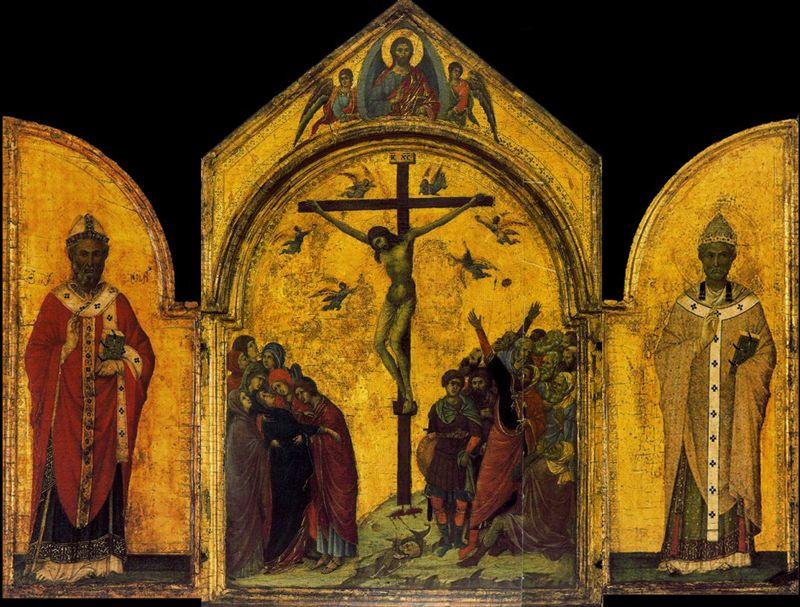
Crucifixión con San Nicolás y San Gregorio


 Ver más
Adquiera una imagen digital de alta resolución y optimizada, muy superior a la vista previa en línea.
Cada archivo es preparado meticulosamente por nuestros especialistas internos mediante el uso de herramientas avanzadas y un experto retoque manual. Nos aseguramos de que cada imagen posea una claridad excepcional, una precisión cromática impecable y un detalle minucioso.
El archivo final se entrega por correo electrónico en un plazo de 72 horas, optimizado para su uso inmediato en entornos profesionales, editoriales y de impresión. Esta es la misma calidad en la que confían los estudios de diseño, las editoriales y las galerías de primer nivel.
Imagen Digital
Descarga un archivo de alta resolución para exhibición personal, impresión y proyectos creativos. ( Comprar impresión Comprar pintura hecha a mano)
Incluido en cada pedido de imágenes digitales
Entrega digital experta, garantizada.
Al elegir ArtsDot.com, no solo está adquiriendo una imagen; está recibiendo una obra de arte digital mejorada profesionalmente, elaborada con precisión y respaldada por una garantía de satisfacción. Esto es todo lo que incluye su pedido, automáticamente:

Entrega rápida por email
Recibirá su archivo de imagen digital en alta resolución por correo electrónico en un plazo de 72 horas tras realizar su pedido, listo para su uso inmediato.

Archivo digital optimizado por IA
Su obra de arte se optimiza profesionalmente mediante herramientas avanzadas de IA y edición manual, garantizando el máximo detalle, claridad y precisión cromática.

Reenvío gratuito de por vida
¿Has borrado o perdido tu archivo por error? No te preocupes: te lo volveremos a enviar en cualquier momento, sin coste adicional.

Sin gastos de importación, siempre
Disfrute de su obra de arte al instante sin aduanas, aranceles ni gastos de envío; las descargas digitales siempre están libres de impuestos.

Garantía de fidelidad de color
Garantizamos que su imagen digital refleje los colores originales con la mayor fidelidad posible, mediante el uso de herramientas profesionales y gestión del color.

Garantía de satisfacción de 60 días
Si no está satisfecho con su imagen digital, la revisaremos o le reembolsaremos el 100% en un plazo de 60 días, sin preguntas.

100% Garantía de devolución de dinero
¿No está satisfecho? Obtenga un reembolso completo dentro de los 60 días posteriores a la recepción de su archivo digital, sin necesidad de explicaciones.

Descuentos por pedidos grandes
Compra 3 imágenes, ahorra 10% - Compra 5, ahorra 15% - Compra 10+, ahorra 20%. Ideal para proyectos creativos, galerías y agencias.
A Profound Meditation on Suffering: Duccio’s Crucifixión con San Nicolás y San Gregorio
Duccio di Buoninsegna's Crucifixión con San Nicolás y San Gregorio is more than a religious depiction; it’s a visceral encounter with the profound human drama of Christ’s sacrifice. Painted during a pivotal moment in Sienese art – roughly between 1300 and 1310 – this work represents a significant departure from the predominantly Byzantine style that dominated Italian painting at the time, foreshadowing the emotional intensity and naturalism that would define the burgeoning International Gothic movement. The scene unfolds with an arresting immediacy, capturing not just the physical agony of Christ on the cross but also the palpable grief and concern of those gathered around him. It’s a testament to Duccio's ambition: to elevate religious iconography beyond mere representation, imbuing it with genuine human emotion and spiritual depth.
A Synthesis of Byzantine Tradition and Emerging Italian Sensibilities
- Byzantine Influence: The composition retains elements characteristic of Byzantine art – the hierarchical arrangement of figures, the stylized drapery, and the overall solemnity. Duccio skillfully employs these established conventions, demonstrating his mastery of the artistic language of the era.
- Italian Innovation: However, Duccio subtly subverts these traditions. Notice the increased naturalism in the depiction of the mourners – their gestures are more expressive, their faces convey a wider range of emotions, and the figures possess a greater sense of volume and three-dimensionality. This shift reflects a growing Italian interest in depicting human form with greater accuracy and realism.
- The Role of Patronage: The presence of Saint Nicholas and Saint Gregory, prominent figures within the Catholic Church, suggests a commission likely originating from a wealthy Sienese family or religious institution, reflecting the importance of these saints within the local devotional landscape.
Technique and Materials: A Masterclass in Fresco Painting
Duccio’s skill is immediately apparent in the meticulous execution of this fresco. The artist utilized the traditional technique of *buon fresco*, applying pigments directly onto wet plaster, ensuring a remarkable level of durability and vibrancy. The layering of colors – predominantly blues, reds, and ochres – creates a rich tapestry of tones that evoke both the spiritual solemnity and the earthly reality of the scene. The use of gold leaf, particularly in the halos surrounding the figures, adds an ethereal quality, reinforcing the divine nature of the subject matter. Duccio’s attention to detail is evident in the rendering of textures – the rough linen of Christ's garments, the smooth skin of his face, and the flowing drapery of the mourners – all contributing to a remarkably lifelike effect.
Symbolism and Emotional Impact: A Window into Medieval Devotion
The painting is laden with symbolic meaning. The cross itself represents Christ’s sacrifice for humanity's sins, while the figures surrounding it embody various aspects of faith – grief, compassion, and devotion. The inclusion of a bird soaring above the scene—a common motif in medieval art—symbolizes hope and resurrection. More profoundly, Duccio’s work invites viewers to contemplate the themes of suffering, redemption, and the relationship between humanity and divinity. It's a powerful reminder of the human cost of faith and the enduring power of compassion.
Recreating the Masterpiece: A Hand-Painted Reproduction
ArtsDot offers meticulously crafted hand-painted reproductions of Crucifixión con San Nicolás y San Gregorio, allowing you to bring this extraordinary work of art into your home or office. Our skilled artisans employ traditional fresco techniques and the finest pigments to faithfully recreate Duccio’s original vision, capturing every nuance of color, texture, and emotion. This is not merely a print; it's an authentic artistic creation that will serve as a timeless testament to Duccio di Buoninsegna’s genius for generations to come.
Obras relacionadas
Biografía del artista
vida temprana y carrera
Duccio di Buoninsegna, un renombrado pintor italiano de Siena, fue activo durante el tardo siglo XIII y principios del XIV. Nacido en 1255, la vida personal de Duccio permanece envuelta en misterio, con poco conocimiento sobre su origen familiar o sus primeros años. Sin embargo, sus contribuciones al estilo pictórico del trecento y la escuela sienesa están bien documentadas.estilo artístico e influencias
El trabajo de Duccio se caracteriza por su innovador uso del espacio y el color, como se ve en su obra maestra La Madonna de los Rucellai (1285). Esta pintura, que presenta a la Virgen María sosteniendo al Niño Jesús, rodeada de ángeles y santos, muestra el estilo único de Duccio, que combina el arte bizantino con nuevas técnicas. Su uso del modelado y su juego con la luz y los colores oscuros revelan figuras debajo de una vestidura pesada, creando una atmósfera acogedora y cálida.obras notables y legado
Algunas de las obras notables de Duccio incluyen:- Maestó (frontal, paneles de coronación), Partiendo de los apóstoles (arte gótico, óleo) - un testimonio de su enfoque innovador del espacio y el color.
- Políptico No. 28 (La Virgen Santa con el Niño Jesús y cuatro santos) (arte gótico, óleo) - demuestra la maestría de Duccio en la composición y la narrativa.
- Maestó (espalda, predela), Tentación en un pinnáculo del templo (arte gótico, óleo) - muestra su capacidad para equilibrar la luz y los colores oscuros.
legado y recuerdo
A pesar de tener dificultades con la gestión financiera, el legado artístico de Duccio supera ampliamente sus desafíos personales. Su obra se encuentra en varios museos y galerías, incluyendo la Galería de Arte de la Ciudad de Manchester, que alberga numerosas obras maestras de artistas destacados. Ver las obras de Duccio di Buoninsegna en ArtsDot.com Wikipedia: Duccio
Duccio di Buoninsegna
1255 - 1319 , Italia
Breves datos
- Artistas Influenciados: ['Escuela Sienesa']
- Artistas Que Influyeron: ['Arte Bizantino']
- Fecha De Nacimiento: c. 1255
- Lugar De Nacimiento: Siena, Italia
- Movimiento Artístico: Gótico Sienés, Trecento
- Nacionalidad: Italiana
- Nombre Completo: Duccio di Buoninsegna
- Obras Notables:
- Madonna de Rucellai
- Maestà
- Vuelo a Egipto

