

 Ver en contexto
 Enviar
 Compartir
 Detalles

 Descargar
 Similares
 Radiografía
 Presentación de diapositivas
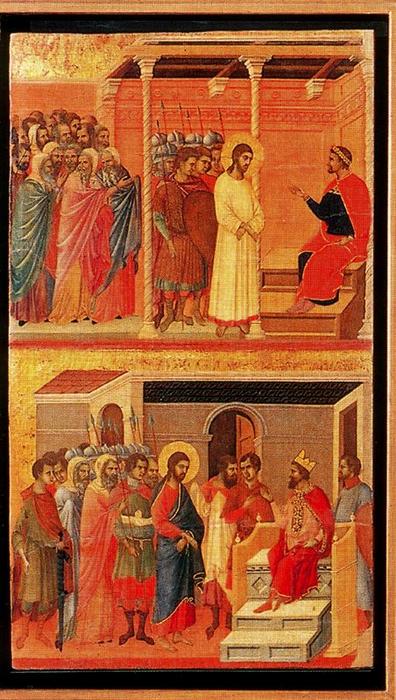
La Maestá. Cristo ante Pilatos y Cristo ante Herodes


 Ver más
Adquiera una imagen digital de alta resolución y optimizada, muy superior a la vista previa en línea.
Cada archivo es preparado meticulosamente por nuestros especialistas internos mediante el uso de herramientas avanzadas y un experto retoque manual. Nos aseguramos de que cada imagen posea una claridad excepcional, una precisión cromática impecable y un detalle minucioso.
El archivo final se entrega por correo electrónico en un plazo de 72 horas, optimizado para su uso inmediato en entornos profesionales, editoriales y de impresión. Esta es la misma calidad en la que confían los estudios de diseño, las editoriales y las galerías de primer nivel.
Imagen Digital
Descarga un archivo de alta resolución para exhibición personal, impresión y proyectos creativos. ( Comprar impresión Comprar pintura hecha a mano)
Incluido en cada pedido de imágenes digitales
Entrega digital experta, garantizada.
Al elegir ArtsDot.com, no solo está adquiriendo una imagen; está recibiendo una obra de arte digital mejorada profesionalmente, elaborada con precisión y respaldada por una garantía de satisfacción. Esto es todo lo que incluye su pedido, automáticamente:

Entrega rápida por email
Recibirá su archivo de imagen digital en alta resolución por correo electrónico en un plazo de 72 horas tras realizar su pedido, listo para su uso inmediato.

Archivo digital optimizado por IA
Su obra de arte se optimiza profesionalmente mediante herramientas avanzadas de IA y edición manual, garantizando el máximo detalle, claridad y precisión cromática.

Reenvío gratuito de por vida
¿Has borrado o perdido tu archivo por error? No te preocupes: te lo volveremos a enviar en cualquier momento, sin coste adicional.

Sin gastos de importación, siempre
Disfrute de su obra de arte al instante sin aduanas, aranceles ni gastos de envío; las descargas digitales siempre están libres de impuestos.

Garantía de fidelidad de color
Garantizamos que su imagen digital refleje los colores originales con la mayor fidelidad posible, mediante el uso de herramientas profesionales y gestión del color.

Garantía de satisfacción de 60 días
Si no está satisfecho con su imagen digital, la revisaremos o le reembolsaremos el 100% en un plazo de 60 días, sin preguntas.

100% Garantía de devolución de dinero
¿No está satisfecho? Obtenga un reembolso completo dentro de los 60 días posteriores a la recepción de su archivo digital, sin necesidad de explicaciones.

Descuentos por pedidos grandes
Compra 3 imágenes, ahorra 10% - Compra 5, ahorra 15% - Compra 10+, ahorra 20%. Ideal para proyectos creativos, galerías y agencias.
A Divine Trial: The Emotional Resonance of Duccio’s Narrative Mastery
In the quiet corridors of art history, few moments capture the tension between earthly injustice and divine destiny as poignantly as Duccio di Buoninsegna’s La Maestá. Cristo ante Pilatos y Cristo ante Herodes. This profound segment of his monumental altarpiece serves as a window into a pivotal moment of the Passion, where the sacred meets the profane. As we gaze upon the dual scenes of Christ being judged by King Herod and Pontius Pilate, we are not merely observers of a historical trial; we are witnesses to an unfolding drama of human emotion. The composition breathes with a restless energy, as thirteen distinct figures—rulers, soldiers, and onlookers—interact within a space that feels both intimate and cosmically significant. For the discerning collector or designer, this piece offers more than just visual beauty; it provides a profound narrative depth that can anchor a room with its weight of history and spiritual gravity.
The artistry of Duccio lies in his ability to bridge the rigid, iconic traditions of the Byzantine era with the burgeoning humanism of the Sienese Gothic style. Unlike the static, frozen figures of earlier centuries, the characters in this work possess a subtle anatomical vitality and an expressive range that was revolutionary for the late thirteenth century. One can almost feel the heavy texture of the intricately patterned drapery and the opulent grandeur of the garments, which reflect the prestige of the Benedictine Order that commissioned such a masterpiece. Duccio utilizes a sophisticated layering of colors, achieved through the meticulous application of pigments mixed with binders like egg yolk, to create a luminous depth. His mastery of glazing techniques allows light to dance across the surface, imbuing the scene with a celestial glow that makes the shadows feel as much a part of the story as the light itself.
A Symphony of Symbolism and Sienese Splendor
Beyond its technical brilliance, the painting is a complex tapestry of theological meaning. Every gesture and every gaze within these two judicial scenes serves to reinforce the themes of Marian theology and the sacrificial nature of Christ’s journey. The contrast between the two trials—one marked by the curiosity of Herod and the other by the political maneuvering of Pilate—creates a rhythmic tension that guides the viewer's eye across the panel. This duality is a hallmark of Duccio’s genius, as he uses the physical layout of the painting to mirror the spiritual conflict inherent in the narrative. For those looking to integrate such a piece into a curated interior, the artwork acts as a focal point of contemplation, inviting a slower pace of life and a deeper engagement with the nuances of light, shadow, and human struggle.
To possess a reproduction of this caliber is to bring a piece of the Siena Cathedral’s soul into one's own space. It is an invitation to celebrate the dawn of a new Italian vision—a period where art began to look more closely at the human face and the human heart. Whether placed in a grand library or a contemporary gallery setting, this work stands as a testament to the enduring power of the Sienese School, offering an unparalleled blend of historical prestige, technical sophistication, and an emotional resonance that remains as potent today as it was in the thirteenth century.
Obras relacionadas
Biografía del artista
vida temprana y carrera
Duccio di Buoninsegna, un renombrado pintor italiano de Siena, fue activo durante el tardo siglo XIII y principios del XIV. Nacido en 1255, la vida personal de Duccio permanece envuelta en misterio, con poco conocimiento sobre su origen familiar o sus primeros años. Sin embargo, sus contribuciones al estilo pictórico del trecento y la escuela sienesa están bien documentadas.estilo artístico e influencias
El trabajo de Duccio se caracteriza por su innovador uso del espacio y el color, como se ve en su obra maestra La Madonna de los Rucellai (1285). Esta pintura, que presenta a la Virgen María sosteniendo al Niño Jesús, rodeada de ángeles y santos, muestra el estilo único de Duccio, que combina el arte bizantino con nuevas técnicas. Su uso del modelado y su juego con la luz y los colores oscuros revelan figuras debajo de una vestidura pesada, creando una atmósfera acogedora y cálida.obras notables y legado
Algunas de las obras notables de Duccio incluyen:- Maestó (frontal, paneles de coronación), Partiendo de los apóstoles (arte gótico, óleo) - un testimonio de su enfoque innovador del espacio y el color.
- Políptico No. 28 (La Virgen Santa con el Niño Jesús y cuatro santos) (arte gótico, óleo) - demuestra la maestría de Duccio en la composición y la narrativa.
- Maestó (espalda, predela), Tentación en un pinnáculo del templo (arte gótico, óleo) - muestra su capacidad para equilibrar la luz y los colores oscuros.
legado y recuerdo
A pesar de tener dificultades con la gestión financiera, el legado artístico de Duccio supera ampliamente sus desafíos personales. Su obra se encuentra en varios museos y galerías, incluyendo la Galería de Arte de la Ciudad de Manchester, que alberga numerosas obras maestras de artistas destacados. Ver las obras de Duccio di Buoninsegna en ArtsDot.com Wikipedia: Duccio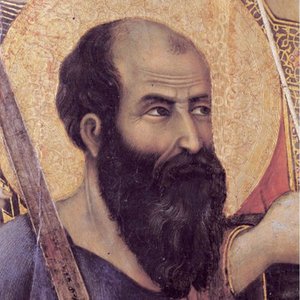
Duccio di Buoninsegna
1255 - 1319 , Italia
Breves datos
- Artistas Influenciados: ['Escuela Sienesa']
- Artistas Que Influyeron: ['Arte Bizantino']
- Fecha De Nacimiento: c. 1255
- Lugar De Nacimiento: Siena, Italia
- Movimiento Artístico: Gótico Sienés, Trecento
- Nacionalidad: Italiana
- Nombre Completo: Duccio di Buoninsegna
- Obras Notables:
- Madonna de Rucellai
- Maestà
- Vuelo a Egipto

