 Ver en contexto
 Enviar
 Compartir
 Detalles

 Descargar
 Similares
 Radiografía
 Presentación de diapositivas
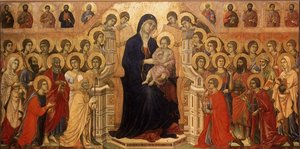
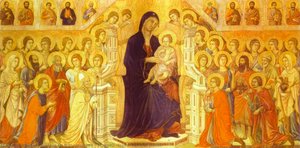
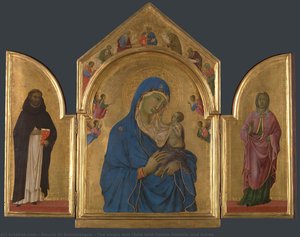
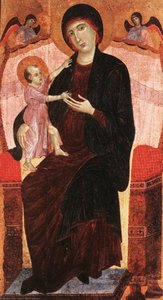
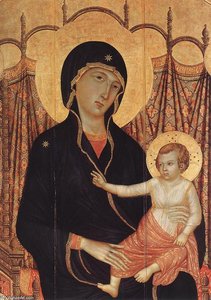
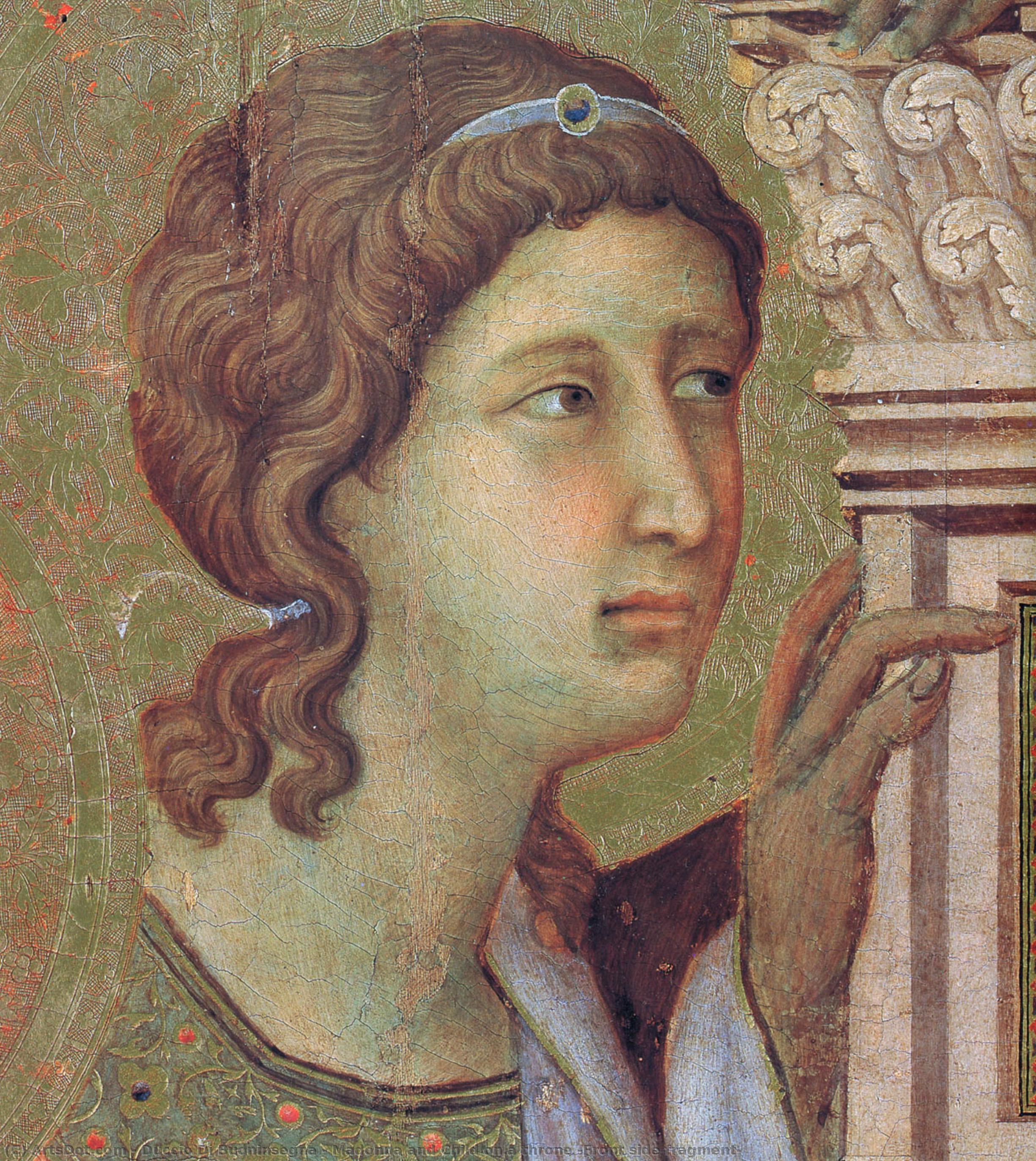
Madonna and Child on a throne (Front side fragment)


 Ver más
Giclée / Impresión de arte
Impresiones giclée o en lienzo de calidad de museo con producción rápida y opciones de acabado flexibles. ( Comprar pintura hecha a mano Comprar imagen)




P118B $10

P118H $10

P118W $10

P438Z $10

P508JH $12

P508YH $12

P805H $10

P805Z $10

P919BZ $10

P919G $10

P919XJ $10

P959ZH $10

P968JZ $12

W106C $8

W218G $10

W218JH $8

W218Y $10

W307PJ $10

W316G $10

W316PJ $8

W316Y $10

W398PJ $8

W4111J $10

W500HY $15

W500JH $15

W692G $12

W849H $8

W940BG $15

W953PJ $8




Elija entre nuestros tamaños predefinidos que respetan las proporciones originales de la obra.

Puede introducir sus propias dimensiones para adaptarse a un marco o espacio específico. Si el tamaño seleccionado no coincide con las proporciones de la imagen original, recortaremos la obra de arte o extenderemos la imagen con un borde con efecto espejo o de color sólido. Se enviará una maqueta digital para su aprobación antes de que comience la producción.
Tenga en cuenta que la vista previa en pantalla no refleja el recorte o la extensión real. Solo la maqueta mostrará con precisión la composición final.
Aunque existen tamaños personalizados, recomendamos seleccionar una dimensión de la lista predefinida para preservar las proporciones originales.
Envío a todo el mundo () en 2 semanas en lugar de las 4/5 semanas estándar. (30 agosto)

Envío exprés gratuito a todo el mundo

Lienzo de lino de alta calidad

Seguro de envío total

Garantía de reembolso de impuestos aduaneros

Garantía de fidelidad cromática exacta

Política de devolución de 60 días (solo por defectos)

Garantía de devolución del 100% del dinero

Descuento por cantidad
 La opción de vidrio solo está disponible en tamaños inferiores a 110 cm.

Madonna and Child on a throne (Front side fragment)
Giclée / Impresión de arte
Dimensiones de la reproducción
-


Precio total final
$ 62
A Fragment of Divine Grace: Duccio's "Madonna and Child on a Throne" (Front Side Fragment)
This captivating fragment, tentatively titled “Madonna and Child on a Throne,” offers a poignant glimpse into the artistic world of Duccio di Buoninsegna, a towering figure of the Sienese School. Painted circa 1311, this work represents a crucial moment in the evolution of Italian painting – a transition from the heavily stylized, almost architectural forms of Byzantine iconography towards a more emotionally resonant and naturalistic approach. The piece’s intimate scale—its dimensions currently unknown—only amplifies its impact, drawing the viewer into an intensely personal devotional experience.
Duccio's mastery is immediately evident in his skillful manipulation of color and texture. The dominant green background isn’t merely a decorative element; it serves to heighten the sense of depth and drama, creating a luminous space around the central figures. The application of paint – likely employing the *impasto* technique, building up thick layers of pigment – lends a tactile quality to the scene, inviting close inspection of the drapery and the Virgin’s flowing hair. The artist's use of gold leaf, though partially obscured in this fragment, would have further enhanced the work’s splendor, reflecting the divine light emanating from the sacred subject.
The Iconographic Narrative
At the heart of the composition is the Madonna and Child, a motif that held profound religious significance throughout the medieval period. Here, Mary is depicted with an expression of gentle sorrow, her hand instinctively reaching towards her face – a gesture often interpreted as representing humility, contemplation, or perhaps even grief for the suffering of humanity. The child Jesus, cradled in her arms, embodies innocence and divine grace. The throne upon which they sit elevates their status, signifying Mary’s role as Queen of Heaven and Earth.
Notably, the presence of two additional figures flanking the central scene adds layers of complexity to the narrative. These individuals, positioned on either side of the Madonna, are likely representations of John the Baptist (on the left) and possibly Joseph (on the right), both witnesses to the miraculous birth of Christ. Their averted gazes suggest a shared moment of awe and reverence, reinforcing the devotional atmosphere of the work.
A Bridge Between Traditions
Duccio di Buoninsegna’s work stands as a pivotal bridge between the artistic traditions of Byzantium and the burgeoning naturalism of early Italian painting. Trained in the Byzantine style, he skillfully adapted these influences to his own creative vision, imbuing them with a distinctly Sienese sensibility. This fragment exemplifies his ability to synthesize formal elegance with emotional depth, foreshadowing the innovations that would define the High Renaissance. The date of 1311 places this work squarely within Duccio’s most influential period, showcasing his growing confidence and artistic maturity.
Symbolism and Emotional Resonance
Beyond its religious significance, “Madonna and Child on a Throne” resonates with profound emotional power. The Virgin Mary's sorrowful expression evokes empathy and invites viewers to contemplate themes of faith, suffering, and redemption. The composition’s careful balance between formality and intimacy creates a space for personal reflection – a reminder of the timeless appeal of this iconic subject matter. This reproduction offers an exceptional opportunity to experience Duccio’s genius firsthand, bringing a touch of medieval splendor into any setting.
Obras relacionadas
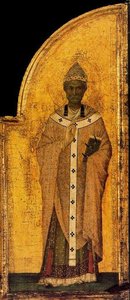
Biografía del artista
vida temprana y carrera
Duccio di Buoninsegna, un renombrado pintor italiano de Siena, fue activo durante el tardo siglo XIII y principios del XIV. Nacido en 1255, la vida personal de Duccio permanece envuelta en misterio, con poco conocimiento sobre su origen familiar o sus primeros años. Sin embargo, sus contribuciones al estilo pictórico del trecento y la escuela sienesa están bien documentadas.estilo artístico e influencias
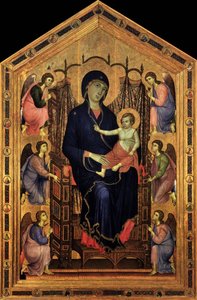
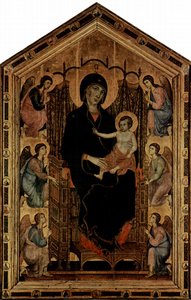
El trabajo de Duccio se caracteriza por su innovador uso del espacio y el color, como se ve en su obra maestra La Madonna de los Rucellai (1285). Esta pintura, que presenta a la Virgen María sosteniendo al Niño Jesús, rodeada de ángeles y santos, muestra el estilo único de Duccio, que combina el arte bizantino con nuevas técnicas. Su uso del modelado y su juego con la luz y los colores oscuros revelan figuras debajo de una vestidura pesada, creando una atmósfera acogedora y cálida.obras notables y legado
Algunas de las obras notables de Duccio incluyen:- Maestó (frontal, paneles de coronación), Partiendo de los apóstoles (arte gótico, óleo) - un testimonio de su enfoque innovador del espacio y el color.
- Políptico No. 28 (La Virgen Santa con el Niño Jesús y cuatro santos) (arte gótico, óleo) - demuestra la maestría de Duccio en la composición y la narrativa.
- Maestó (espalda, predela), Tentación en un pinnáculo del templo (arte gótico, óleo) - muestra su capacidad para equilibrar la luz y los colores oscuros.
legado y recuerdo
A pesar de tener dificultades con la gestión financiera, el legado artístico de Duccio supera ampliamente sus desafíos personales. Su obra se encuentra en varios museos y galerías, incluyendo la Galería de Arte de la Ciudad de Manchester, que alberga numerosas obras maestras de artistas destacados. Ver las obras de Duccio di Buoninsegna en ArtsDot.com Wikipedia: Duccio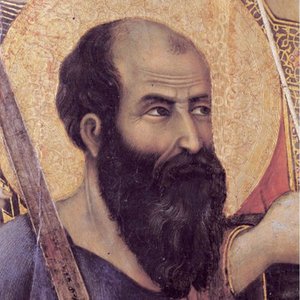
Duccio di Buoninsegna
1255 - 1319 , Italia
Datos clave
- Artistas Influenciados: ['Escuela Sienesa']
- Artistas Que Influyeron: ['Arte Bizantino']
- Fecha De Nacimiento: c. 1255
- Lugar De Nacimiento: Siena, Italia
- Movimiento Artístico: Gótico Sienés, Trecento
- Nacionalidad: Italiana
- Nombre Completo: Duccio di Buoninsegna
- Obras Notables:
- Madonna de Rucellai
- Maestà
- Vuelo a Egipto
Artículos relacionados

Giotto di Bondone: Las 25 Obras Maestras que Definieron el Renacimiento | ArtsDot
Descubre las 25 obras maestras de Giotto di Bondone, el pionero del Renacimiento. Explora la historia, técnica y simbolismo de sus frescos italianos más icónicos. Encuentra reproducciones de arte exclusivas para decorar tu hogar en ArtsDot.com.
Rafael: Las 25 Obras Maestras que Definen al Genio del Renacimiento | ArtsDot
Descubre las 25 obras maestras de Rafael Sanzio, el genio del Renacimiento. Explora su historia, técnica y significado en pinturas icónicas como 'La Escuela de Atenas'. Reproducciones de arte de alta calidad para decorar tu hogar con elegancia. ¡Explora la colección completa en ArtsDot.com!
Proto-Renacimiento: 10 Obras Maestras que Cambiaron la Historia del Arte | ArtsDot
Descubre las 10 obras maestras del Proto Renacimiento que revolucionaron el arte italiano. Explora la historia de Giotto, Duccio y Cimabue. Reproducciones de arte en ArtsDot.com para decorar tu hogar con belleza atemporal.
La Biennale de Venecia: 25 Obras Maestras para Inspirar tu Hogar | ArtsDot
Descubre las 25 obras maestras de la Bienal de Venecia. Explora la historia, artistas y técnicas detrás de iconos del arte renacentista, moderno y contemporáneo. Encuentra reproducciones de alta calidad e inspira tu hogar con ArtsDot.com.
Simone Martini: Innovation, Spirituality & Courtly Refinement in Sienese Painting
Explore the captivating world of Simone Martini, a pivotal figure in Sienese painting & the International Gothic style. Discover his innovative techniques, spiritual depth, and lasting influence on early Renaissance art.