

 Ver en contexto
 Enviar
 Compartir
 Detalles

 Descargar
 Similares
 Radiografía
 Presentación de diapositivas
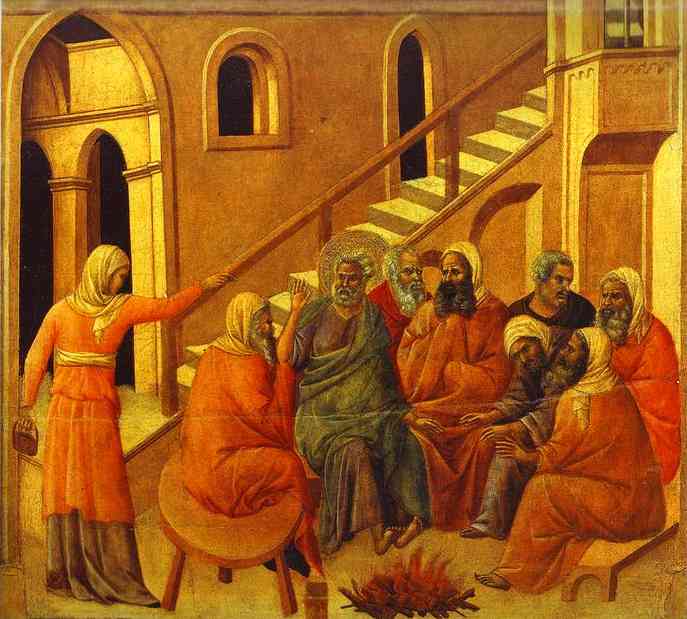
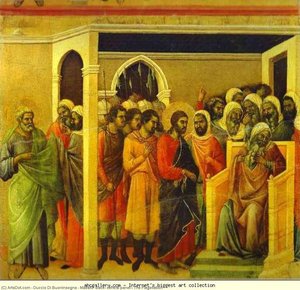
MaestÓ (detrás, panel central), San Pedro Denunciando a Jesús


 Ver más
Adquiera una imagen digital de alta resolución y optimizada, muy superior a la vista previa en línea.
Cada archivo es preparado meticulosamente por nuestros especialistas internos mediante el uso de herramientas avanzadas y un experto retoque manual. Nos aseguramos de que cada imagen posea una claridad excepcional, una precisión cromática impecable y un detalle minucioso.
El archivo final se entrega por correo electrónico en un plazo de 72 horas, optimizado para su uso inmediato en entornos profesionales, editoriales y de impresión. Esta es la misma calidad en la que confían los estudios de diseño, las editoriales y las galerías de primer nivel.
Imagen Digital
Descarga un archivo de alta resolución para exhibición personal, impresión y proyectos creativos. ( Comprar impresión Comprar pintura hecha a mano)
Incluido en cada pedido de imágenes digitales
Entrega digital experta, garantizada.
Al elegir ArtsDot.com, no solo está adquiriendo una imagen; está recibiendo una obra de arte digital mejorada profesionalmente, elaborada con precisión y respaldada por una garantía de satisfacción. Esto es todo lo que incluye su pedido, automáticamente:

Entrega rápida por email
Recibirá su archivo de imagen digital en alta resolución por correo electrónico en un plazo de 72 horas tras realizar su pedido, listo para su uso inmediato.

Archivo digital optimizado por IA
Su obra de arte se optimiza profesionalmente mediante herramientas avanzadas de IA y edición manual, garantizando el máximo detalle, claridad y precisión cromática.

Reenvío gratuito de por vida
¿Has borrado o perdido tu archivo por error? No te preocupes: te lo volveremos a enviar en cualquier momento, sin coste adicional.

Sin gastos de importación, siempre
Disfrute de su obra de arte al instante sin aduanas, aranceles ni gastos de envío; las descargas digitales siempre están libres de impuestos.

Garantía de fidelidad de color
Garantizamos que su imagen digital refleje los colores originales con la mayor fidelidad posible, mediante el uso de herramientas profesionales y gestión del color.

Garantía de satisfacción de 60 días
Si no está satisfecho con su imagen digital, la revisaremos o le reembolsaremos el 100% en un plazo de 60 días, sin preguntas.

100% Garantía de devolución de dinero
¿No está satisfecho? Obtenga un reembolso completo dentro de los 60 días posteriores a la recepción de su archivo digital, sin necesidad de explicaciones.

Descuentos por pedidos grandes
Compra 3 imágenes, ahorra 10% - Compra 5, ahorra 15% - Compra 10+, ahorra 20%. Ideal para proyectos creativos, galerías y agencias.
Descripción del coleccionable
MaestÓ (back, central panel), St. Peter First Denying Jesus: A Window into Faith and Doubt
Duccio di Buoninsegna’s “MaestÓ (back, central panel), St. Peter First Denying Jesus,” a cornerstone of the Sienese school's Gothic artistic evolution, offers more than just a depiction of a pivotal biblical moment; it’s an intimate exploration of human fallibility and the profound consequences of doubt. Painted around 1308-1311, this panel, part of a larger series adorning the high altar of Siena Cathedral, stands as a testament to Duccio's mastery of color, composition, and emotional resonance – qualities that firmly established him as one of the most influential artists of his time. The work’s power resides not just in its narrative clarity but also in the subtle gestures, expressions, and spatial arrangements that invite viewers into the heart of this dramatic scene.
The panel unfolds within a richly detailed architectural setting – a staircase ascending to another level, a deliberate device employed by Duccio to create an illusion of depth and perspective. This isn’t merely background; it serves as a symbolic representation of Peter's journey from earthly authority to spiritual ascent, mirroring the narrative unfolding below. The composition is carefully balanced, with Jesus positioned centrally, radiating both compassion and sorrow. His posture, coupled with the slumped shoulders of his disciples, immediately draws the eye and establishes the emotional core of the scene. Noticeably present is a dog, a common motif in medieval art, often interpreted as representing loyalty or even Judas’s impending betrayal – a subtle reminder of the looming tragedy.
Duccio's innovative use of oil paint, a relatively new medium at the time, allowed for unprecedented levels of detail and luminosity. The rich, warm colors—deep reds, blues, and golds—create an atmosphere of intimacy and solemnity. Observe how Duccio masterfully employs *chiaroscuro*, the dramatic interplay of light and shadow, to sculpt the figures and heighten their emotional impact. The faces are rendered with remarkable sensitivity, capturing a range of expressions – disbelief, fear, shame, and ultimately, remorse—that speak volumes about the apostles’ internal struggles. The meticulous attention to detail extends to the folds of their garments, the texture of the stone steps, and even the subtle nuances in the dog's gaze.
The Narrative Unfolds: Betrayal and Repentance
The scene itself is a direct representation of Matthew 26:34-38, recounting Peter’s initial denial of Jesus three times before the rooster crows. Duccio doesn’t shy away from the brutality of the moment; instead, he focuses on the immediate aftermath – the stunned disbelief and palpable shame etched onto Peter's face. The other apostles are depicted in various states of distress, mirroring their individual reactions to the unfolding tragedy. This isn’t a heroic portrayal of faith; it’s a raw and honest depiction of human weakness and the devastating consequences of succumbing to fear.
Symbolically, the panel explores themes of repentance, forgiveness, and the enduring power of grace. Peter's denial represents a profound failure, yet the scene doesn’t end in despair. The composition subtly suggests a path towards redemption – a recognition of wrongdoing and a potential for spiritual renewal. The architectural setting, with its ascending staircase, can be interpreted as a metaphor for Peter’s journey toward reconciliation with Jesus and God.
Gothic Innovation and Duccio's Legacy
“MaestÓ;” exemplifies the key characteristics of Gothic art, particularly within the Sienese school. Duccio moved beyond the rigid formality of Byzantine painting, embracing a more naturalistic style characterized by emotional depth, spatial complexity, and a heightened sense of realism. His use of perspective, his attention to detail, and his masterful manipulation of color and light were revolutionary for his time. The panel’s influence can be seen in subsequent generations of Italian artists, shaping the course of Renaissance painting.
This work is inextricably linked to the larger “Maestà” cycle, a monumental undertaking that reflects the wealth and power of Siena at the beginning of the 14th century. The entire series—including the front panels depicting the Betrayal by Judas, the Last Supper, and the Parting from the Apostles—provides a comprehensive visual narrative of Christ’s life and ministry. The Musée des Beaux-Arts in Chartres, France, houses a related panel from this same cycle, offering a valuable opportunity to compare and contrast Duccio's artistic approach across different works.
Bringing “MaestÓ;” Home: Reproductions for the Modern Collector
ArtsDot.com offers meticulously crafted, hand-painted reproductions of “MaestÓ (back, central panel), St. Peter First Denying Jesus,” allowing you to experience the beauty and emotional power of this iconic masterpiece in your own home or office. Our skilled artisans replicate Duccio’s techniques with exceptional precision, capturing the nuances of color, texture, and composition that make this painting so captivating. Choose from a range of sizes and framing options to perfectly complement your décor. Explore our collection today and bring a piece of art history into your space.
Obras relacionadas
Biografía del artista
vida temprana y carrera
Duccio di Buoninsegna, un renombrado pintor italiano de Siena, fue activo durante el tardo siglo XIII y principios del XIV. Nacido en 1255, la vida personal de Duccio permanece envuelta en misterio, con poco conocimiento sobre su origen familiar o sus primeros años. Sin embargo, sus contribuciones al estilo pictórico del trecento y la escuela sienesa están bien documentadas.estilo artístico e influencias
El trabajo de Duccio se caracteriza por su innovador uso del espacio y el color, como se ve en su obra maestra La Madonna de los Rucellai (1285). Esta pintura, que presenta a la Virgen María sosteniendo al Niño Jesús, rodeada de ángeles y santos, muestra el estilo único de Duccio, que combina el arte bizantino con nuevas técnicas. Su uso del modelado y su juego con la luz y los colores oscuros revelan figuras debajo de una vestidura pesada, creando una atmósfera acogedora y cálida.obras notables y legado
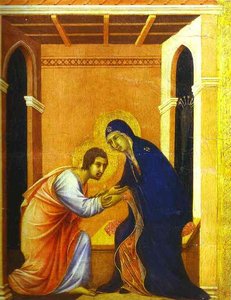
Algunas de las obras notables de Duccio incluyen:- Maestó (frontal, paneles de coronación), Partiendo de los apóstoles (arte gótico, óleo) - un testimonio de su enfoque innovador del espacio y el color.
- Políptico No. 28 (La Virgen Santa con el Niño Jesús y cuatro santos) (arte gótico, óleo) - demuestra la maestría de Duccio en la composición y la narrativa.
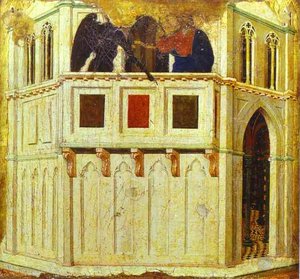
- Maestó (espalda, predela), Tentación en un pinnáculo del templo (arte gótico, óleo) - muestra su capacidad para equilibrar la luz y los colores oscuros.
legado y recuerdo
A pesar de tener dificultades con la gestión financiera, el legado artístico de Duccio supera ampliamente sus desafíos personales. Su obra se encuentra en varios museos y galerías, incluyendo la Galería de Arte de la Ciudad de Manchester, que alberga numerosas obras maestras de artistas destacados. Ver las obras de Duccio di Buoninsegna en ArtsDot.com Wikipedia: Duccio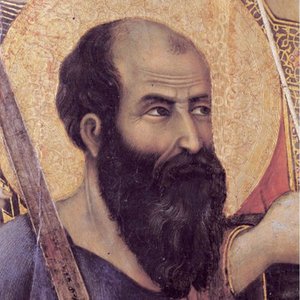
Duccio di Buoninsegna
1255 - 1319 , Italia
Breves datos
- Artistas Influenciados: ['Escuela Sienesa']
- Artistas Que Influyeron: ['Arte Bizantino']
- Fecha De Nacimiento: c. 1255
- Lugar De Nacimiento: Siena, Italia
- Movimiento Artístico: Gótico Sienés, Trecento
- Nacionalidad: Italiana
- Nombre Completo: Duccio di Buoninsegna
- Obras Notables:
- Madonna de Rucellai
- Maestà
- Vuelo a Egipto

