 Vista previa
 Compartir
 Compartir
 Ver detalles

 Descargar
 Ver similares
 Radiografía
 Presentación de diapositivas
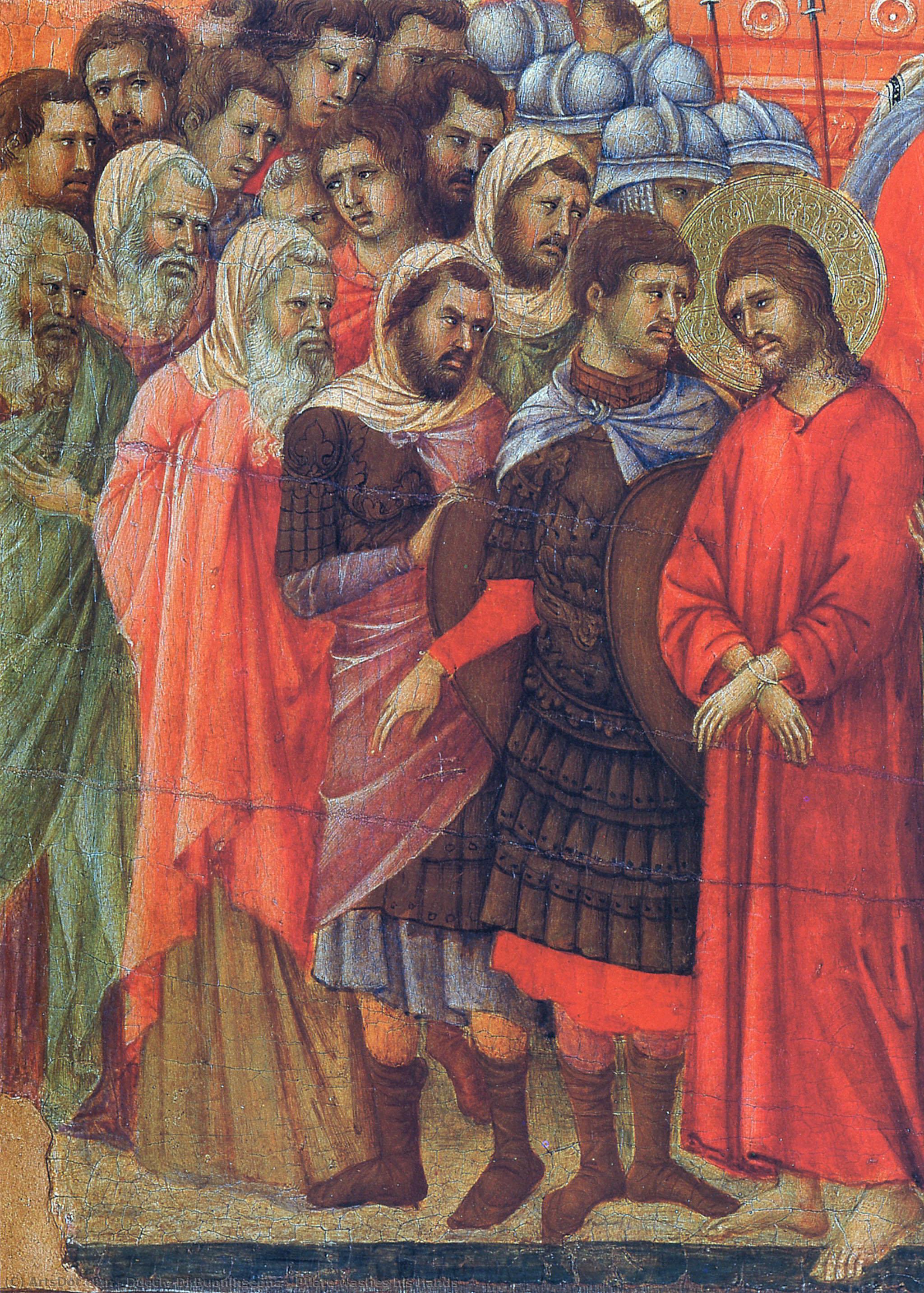
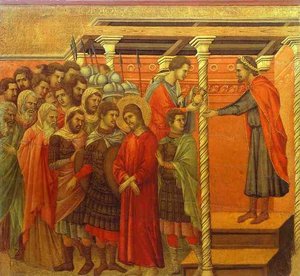
Pilate washes his hands


 Leer más
Reproducción al óleo hecha a mano
Óleo sobre lienzo pintado a mano en el tamaño y marco de su elección, realizado por encargo por nuestros artistas. ( Pedir impresión Comprar descarga)




P118B $10

P118H $10

P118W $10

P438Z $10

P508JH $12

P508YH $12

P805H $10

P805Z $10

P919BZ $10

P919G $10

P919XJ $10

P959ZH $10

P968JZ $12

W106C $8

W218G $10

W218JH $8

W218Y $10

W307PJ $10

W316G $10

W316PJ $8

W316Y $10

W398PJ $8

W4111J $10

W500HY $15

W500JH $15

W692G $12

W849H $8

W940BG $15

W953PJ $8




Elija entre nuestros tamaños predefinidos que respetan las proporciones originales de la obra.

Puede ingresar sus propias dimensiones para adaptarse a un marco o espacio específico. Si el tamaño seleccionado no coincide con las proporciones de la imagen original, recortaremos la obra o extenderemos la pintura con elementos adicionales pintados a mano. Se le enviará una maqueta digital para su aprobación antes de comenzar la producción.
Tenga en cuenta que la vista previa en pantalla no refleja el recorte o la extensión reales. Solo la maqueta mostrará con precisión la composición final.
Si bien existen tamaños personalizados, recomendamos seleccionar una dimensión de la lista predefinida para preservar las proporciones originales.
Tras realizar el pedido, el equipo de ArtsDot.com enviará un correo electrónico al cliente para solicitar instrucciones y proporcionarle una vista previa del boceto.
Envío a todo el mundo () en 3-4 semanas en lugar de las 5 semanas estándar. (22 agosto). Sin comprometer la calidad.

Envío exprés gratuito a todo el mundo

Lienzo de lino de alta calidad

Seguro de envío completo

Garantía de reembolso de aranceles aduaneros

Garantía de fidelidad cromática exacta

Política de devolución de 60 días (solo por defectos)

Garantía de devolución del 100% del dinero

Oferta por volumen
 La opción de vidrio solo está disponible en tamaños inferiores a 110 cm.

Pilate washes his hands
Técnica de reproducción
Tamaño de la reproducción
-


Precio total
$ 263
Descripción de la obra
A Moment Frozen in Time: The Psychological Depth of Duccio’s Masterpiece
In the quiet, hallowed atmosphere of the early fourteenth century, a transformative moment in art history was captured on a wooden panel. Duccio di Buoninsegna’s “Pilate Washes His Hands” is far more than a mere biblical illustration; it is a profound meditation on the agonizing weight of human decision. As part of the monumental Maestà altarpiece, this scene transports the viewer to a pivotal juncture in the Gospel narrative, where the fate of Jesus Christ hangs in the balance. The painting captures the precise second when Pontius Pilate attempts to divest himself of moral responsibility, his hands meeting in a gesture that has since become an eternal symbol of evasion and regret.
The composition is a masterclass in Proto-Renaissance storytelling, where the rigid, golden formality of the Byzantine tradition begins to soften into something deeply human. Duccio skillfully employs tempera on panel, a technique that allows for a luminous, ethereal quality in the colors and subtle gradations of tone. Through an emerging use of illusionistic perspective, he creates a sense of depth that draws the observer into the crowded, tense space of the trial. The figures are not merely icons; they possess a burgeoning naturalism, with drapery that falls with weight and faces that reflect the heavy atmosphere of judgment and uncertainty.
Symbolism and the Weight of Authority
Every element within this frame serves a higher narrative purpose, weaving a complex web of symbolism that resonates with both spiritual and earthly power. The act of washing hands is, of course, the central motif—a powerful emblem of the attempt to escape the consequences of one's actions. Surrounding this central drama, the presence of swords introduces a sharp, metallic tension, representing both the divine judgment awaiting the accused and the brutal, earthly power of the Roman Empire. A shield visible on the periphery further underscores the themes of conflict and protection.
The emotional resonance of the piece is found in its ability to evoke pathos. Duccio does not present Pilate as a triumphant conqueror, but as a man consumed by doubt and the crushing pressure of his office. The interplay of light and shadow across the scene intensifies this sense of solemnity, highlighting the psychological complexity of the characters. For the modern collector or interior designer, this artwork offers more than just aesthetic beauty; it provides a focal point of profound contemplation, making it an ideal centerpiece for spaces designed for reflection, study, or sophisticated intellectual engagement.
An Eternal Legacy for the Discerning Collector
To possess a high-quality reproduction of this Sienese treasure is to bring a piece of the Italian Trecento into the contemporary home. Duccio’s ability to bridge the gap between the divine and the earthly makes "Pilate Washes His Hands" a timeless addition to any curated collection. It serves as a reminder of a period when art began to breathe with a new, tender humanity, moving away from stylized conventions toward an intimate connection with the viewer's own emotions.
Whether gracing a grand gallery wall or adding a layer of historical depth to a refined living space, this painting inspires awe through its technical mastery and narrative gravity. It remains a testament to the power of art to capture the most fleeting, yet most significant, moments of the human experience.
Obras relacionadas
Biografía del artista
vida temprana y carrera
Duccio di Buoninsegna, un renombrado pintor italiano de Siena, fue activo durante el tardo siglo XIII y principios del XIV. Nacido en 1255, la vida personal de Duccio permanece envuelta en misterio, con poco conocimiento sobre su origen familiar o sus primeros años. Sin embargo, sus contribuciones al estilo pictórico del trecento y la escuela sienesa están bien documentadas.estilo artístico e influencias
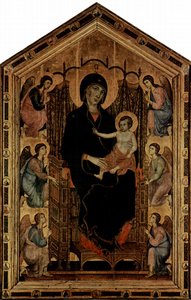
El trabajo de Duccio se caracteriza por su innovador uso del espacio y el color, como se ve en su obra maestra La Madonna de los Rucellai (1285). Esta pintura, que presenta a la Virgen María sosteniendo al Niño Jesús, rodeada de ángeles y santos, muestra el estilo único de Duccio, que combina el arte bizantino con nuevas técnicas. Su uso del modelado y su juego con la luz y los colores oscuros revelan figuras debajo de una vestidura pesada, creando una atmósfera acogedora y cálida.obras notables y legado
Algunas de las obras notables de Duccio incluyen:- Maestó (frontal, paneles de coronación), Partiendo de los apóstoles (arte gótico, óleo) - un testimonio de su enfoque innovador del espacio y el color.
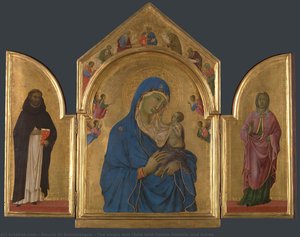
- Políptico No. 28 (La Virgen Santa con el Niño Jesús y cuatro santos) (arte gótico, óleo) - demuestra la maestría de Duccio en la composición y la narrativa.
- Maestó (espalda, predela), Tentación en un pinnáculo del templo (arte gótico, óleo) - muestra su capacidad para equilibrar la luz y los colores oscuros.
legado y recuerdo
A pesar de tener dificultades con la gestión financiera, el legado artístico de Duccio supera ampliamente sus desafíos personales. Su obra se encuentra en varios museos y galerías, incluyendo la Galería de Arte de la Ciudad de Manchester, que alberga numerosas obras maestras de artistas destacados. Ver las obras de Duccio di Buoninsegna en ArtsDot.com Wikipedia: Duccio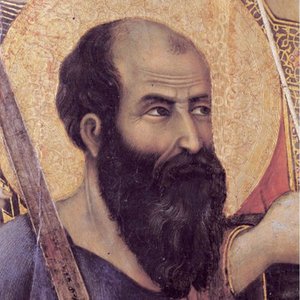
Duccio di Buoninsegna
1255 - 1319 , Italia
Datos clave
- Artistas Influenciados: ['Escuela Sienesa']
- Artistas Que Influyeron: ['Arte Bizantino']
- Fecha De Nacimiento: c. 1255
- Lugar De Nacimiento: Siena, Italia
- Movimiento Artístico: Gótico Sienés, Trecento
- Nacionalidad: Italiana
- Nombre Completo: Duccio di Buoninsegna
- Obras Notables:
- Madonna de Rucellai
- Maestà
- Vuelo a Egipto
Artículos relacionados
Proto-Renacimiento: 10 Obras Maestras que Cambiaron la Historia del Arte | ArtsDot
Descubre las 10 obras maestras del Proto Renacimiento que revolucionaron el arte italiano. Explora la historia de Giotto, Duccio y Cimabue. Reproducciones de arte en ArtsDot.com para decorar tu hogar con belleza atemporal.
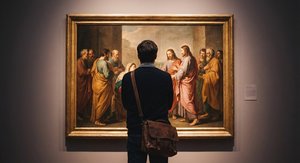
Sacred Narratives on Canvas: Exploring Religious Scenes & Their Enduring Influence
Explore the rich history of religious art from Giotto to the Renaissance masters with ArtsDot. Discover symbolism, techniques & enduring legacies. Museum-quality reproductions available.

Fra Angelico: Las 25 Obras Maestras del Renacimiento para Decorar con Arte y Fe
Descubre las 25 obras maestras de Fra Angelico, el pintor renacentista que llenó el arte sacro de luz y fe. Explora su técnica, simbolismo y belleza en frescos e iconos. Encuentra reproducciones de alta calidad para decorar tu hogar con ArtsDot.com.
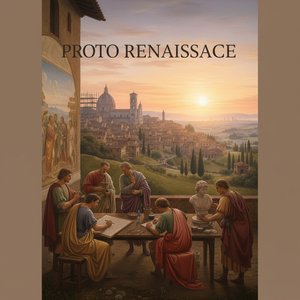
El Trecento Italiano: Semillas del Renacimiento y la Revolución Artística de Giotto
Descubre el Trecento italiano y la revolución artística de Giotto di Bondone. Análisis profundo de sus obras maestras, técnicas innovadoras y legado en la historia del arte. ¡Explora con ArtsDot!
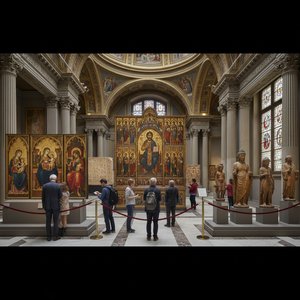
Sacred Narratives Embodied: A Comprehensive Exploration of Religious Iconography in Art History
Explore the rich history of religious iconography in art! Discover symbolism, movements & masterpieces from Byzantine to Renaissance periods. Expert insights for collectors and enthusiasts at ArtsDot.