

 Ver en contexto
 Enviar
 Compartir
 Detalles

 Descargar
 Similares
 Radiografía
 Presentación de diapositivas
Mary and New Castle Poppy


 Ver más
Adquiera una imagen digital de alta resolución y optimizada, muy superior a la vista previa en línea.
Cada archivo es preparado meticulosamente por nuestros especialistas internos mediante el uso de herramientas avanzadas y un experto retoque manual. Nos aseguramos de que cada imagen posea una claridad excepcional, una precisión cromática impecable y un detalle minucioso.
El archivo final se entrega por correo electrónico en un plazo de 72 horas, optimizado para su uso inmediato en entornos profesionales, editoriales y de impresión. Esta es la misma calidad en la que confían los estudios de diseño, las editoriales y las galerías de primer nivel.
Imagen Digital
Descarga un archivo de alta resolución para exhibición personal, impresión y proyectos creativos. ( Comprar impresión Comprar pintura hecha a mano)
Incluido en cada pedido de imágenes digitales
Entrega digital experta, garantizada.
Al elegir ArtsDot.com, no solo está adquiriendo una imagen; está recibiendo una obra de arte digital mejorada profesionalmente, elaborada con precisión y respaldada por una garantía de satisfacción. Esto es todo lo que incluye su pedido, automáticamente:

Entrega rápida por email
Recibirá su archivo de imagen digital en alta resolución por correo electrónico en un plazo de 72 horas tras realizar su pedido, listo para su uso inmediato.

Archivo digital optimizado por IA
Su obra de arte se optimiza profesionalmente mediante herramientas avanzadas de IA y edición manual, garantizando el máximo detalle, claridad y precisión cromática.

Reenvío gratuito de por vida
¿Has borrado o perdido tu archivo por error? No te preocupes: te lo volveremos a enviar en cualquier momento, sin coste adicional.

Sin gastos de importación, siempre
Disfrute de su obra de arte al instante sin aduanas, aranceles ni gastos de envío; las descargas digitales siempre están libres de impuestos.

Garantía de fidelidad de color
Garantizamos que su imagen digital refleje los colores originales con la mayor fidelidad posible, mediante el uso de herramientas profesionales y gestión del color.

Garantía de satisfacción de 60 días
Si no está satisfecho con su imagen digital, la revisaremos o le reembolsaremos el 100% en un plazo de 60 días, sin preguntas.

100% Garantía de devolución de dinero
¿No está satisfecho? Obtenga un reembolso completo dentro de los 60 días posteriores a la recepción de su archivo digital, sin necesidad de explicaciones.

Descuentos por pedidos grandes
Compra 3 imágenes, ahorra 10% - Compra 5, ahorra 15% - Compra 10+, ahorra 20%. Ideal para proyectos creativos, galerías y agencias.
Descripción del coleccionable
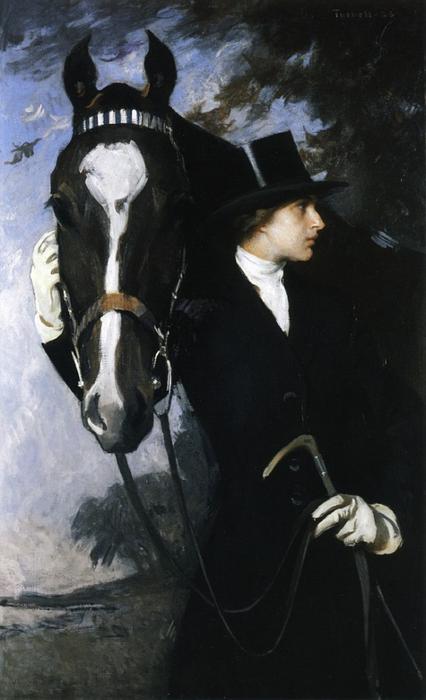
The Canvas Speaks: Edmund Charles Tarbell’s “Mary and New Castle Poppy”
Edmund Charles Tarbell's "Mary and New Castle Poppy," painted in 1926, isn’t merely a portrait; it’s a carefully constructed tableau of early 20th-century American life, imbued with a quiet dignity and the subtle beauty of the Impressionist movement. The painting depicts a woman, presumed to be Tarbell's wife, Emeline, standing beside a horse – a symbol deeply rooted in the history of the region and the social fabric of the time. The scene unfolds within a meticulously rendered landscape, hinting at both rural tranquility and the burgeoning modernity of New England. It’s a work that invites contemplation, drawing the viewer into a moment suspended between tradition and progress.
Tarbell, a key figure in the American Impressionist circle – often grouped with the “Ten American Painters” – possessed a unique ability to capture fleeting light and atmosphere. He eschewed dramatic poses and theatrical lighting, instead favoring intimate settings and understated compositions. This approach is evident here; the figures are presented with a gentle realism, their forms softened by the hazy brushstrokes characteristic of his style. The muted color palette—grays, blues, and blacks punctuated by warmer tones in the horse’s coat and the woman's skin – contributes to an overall mood of quiet sophistication and understated elegance.
A Study in Light and Texture: Tarbell’s Technique
The painting’s power lies not just in its subject matter but also in Tarbell’s masterful technique. He employed a layering method, applying thin washes of oil paint to build up the image gradually, creating a remarkable sense of depth and luminosity. Visible brushstrokes are deliberately incorporated, adding texture and movement to the canvas – particularly noticeable in the horse's coat, which appears almost velvety through the skillful manipulation of color and form. The background landscape is rendered with atmospheric perspective, fading into a hazy distance that suggests both space and time.
Tarbell’s approach was deeply influenced by his training at the School of the Museum of Fine Arts in Boston, where he studied under Otto Grundmann. However, he skillfully blended academic principles with his own distinctive Impressionistic sensibilities. The flattened perspective, a hallmark of the style, is balanced by the careful observation of light and shadow, creating a harmonious blend of realism and abstraction. The use of complementary colors – such as the blues in the sky and the greens in the landscape – further enhances the painting’s visual appeal.
Symbolism and Context: Equestrian Life and American Identity
Beyond its aesthetic qualities, “Mary and New Castle Poppy” is rich in symbolic meaning. The horse itself represents wealth, status, and connection to the land—a potent symbol of American identity during this period. The woman’s formal attire – a high-necked gown and elegant hat – speaks to her social standing and adherence to traditional values. The poppy, subtly incorporated into the composition, adds a touch of seasonal beauty and perhaps alludes to remembrance or fleeting moments of joy.
Painted in 1926, the artwork reflects the evolving landscape of America during the Jazz Age. While rooted in the traditions of the past, it also hints at the changing social dynamics and artistic sensibilities of the era. Tarbell’s work stands as a testament to his ability to capture not just appearances but also the underlying spirit of a particular time and place. The painting's quiet dignity and evocative atmosphere continue to resonate with viewers today, offering a glimpse into a bygone world of elegance and understated beauty.
Obras relacionadas
Biografía del artista
Vida Temprana y Educación
- Nacido: Groton, Estados Unidos de América (1862)
- Fallecido: 1938
- Edmund Charles Tarbell nació en una familia con profundas raíces americanas. Su padre, Edmund Whitney, falleció cuando Tarbell era joven, dejando a su madre, Mary Sophia Fernald, para que se casara de nuevo y los criara a él y a su hermana en West Groton, Massachusetts.
- Su primera formación artística comenzó en la Escuela Normal de Arte de Massachusetts.
- Perfeccionó aún más sus habilidades mediante un aprendizaje en Forbes Lithographic Company en Boston.
- De 1879 a 1880, estudió bajo Otto Grundmann en la Escuela del Museo de Bellas Artes de Boston, un período crucial que moldeó su base artística.
Carrera Artística y Estilo
- La carrera de Tarbell abarcó ilustración, enseñanza privada de arte y pintura de retratos. Se casó con Emeline Souther en 1888, quien también estudió arte.
- Su estilo se caracteriza como Impresionismo Americano, reflejando un enfoque en capturar momentos fugaces de luz y atmósfera.
- Era conocido por sus luminosos retratos, escenas domésticas íntimas y representaciones de interiores de la época del Renacimiento Colonial.
- Obras notables incluyen Autorretrato, Benjamin Rush y Después del Baile.
- En el Huerto (1891) se considera una obra definitoria, que muestra su capacidad para retratar la vida cotidiana con sensibilidad y habilidad.
Membresía en "Diez Pintores Americanos" y Gremio de Artistas de Boston
- Tarbell fue miembro fundador del influyente grupo conocido como “Diez Pintores Americanos”, formado en 1897. Este colectivo tenía como objetivo promover el arte americano y proporcionar un lugar alternativo de exposición a instituciones establecidas.
- El grupo incluía artistas destacados como John H. White, Joseph Penway Dodge, y otros que compartían un compromiso con la representación de la vida contemporánea con realismo y técnicas impresionistas.
- En 1914, cofundó el Gremio de Artistas de Boston y sirvió como su primer presidente hasta 1924, demostrando aún más su dedicación a apoyar a sus colegas artistas y fomentar una comunidad artística.
Logros Mayores y Legado
- Las obras de Tarbell se encuentran en colecciones prestigiosas incluyendo el Museo Smithsonian de Arte Americano, la Galería Corcoran de Arte, la Academia Nacional de Diseño e incluso la Casa Blanca.
- Su capacidad para capturar la esencia de la vida doméstica y retratar a las personas con calidez y autenticidad le valió un amplio reconocimiento durante su vida.
- Es recordado como una figura significativa en el Impresionismo Americano, contribuyendo al desarrollo de una voz artística estadounidense distintiva.
- La influencia de Tarbell se puede ver en generaciones posteriores de artistas que adoptaron su enfoque en temas cotidianos y su compromiso con la representación de la vida con honestidad y sensibilidad.
Significado Histórico
- Como miembro de "Diez Pintores Americanos", Tarbell jugó un papel crucial en desafiar el dominio de los estilos artísticos europeos y promover una estética estadounidense única.
- Su obra refleja el cambiante panorama social de finales del siglo XIX y principios del XX en Estados Unidos, capturando los valores y aspiraciones de una clase media emergente.
- El legado de Tarbell se extiende más allá de sus pinturas individuales; ayudó a establecer Boston como un centro de innovación artística y contribuyó al crecimiento del arte americano a nivel nacional.
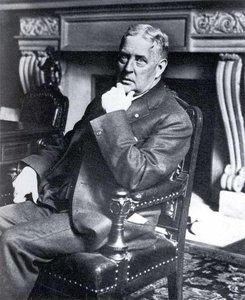
Edmund Charles Tarbell
1862 - 1938 , Estados Unidos de América
Breves datos
- Artistas Que Influyeron: ['Otto Grundmann']
- Fecha De Fallecimiento: 1938
- Fecha De Nacimiento: 26 de abril de 1862
- Lugar De Nacimiento: Groton, EE. UU.
- Movimiento Artístico: Impresionismo americano
- Nacionalidad: Estadounidense
- Nombre Completo: Edmund Charles Tarbell
- Obras Notables:
- En el huerto
- Autorretrato
- Después del baile

