 Ver en contexto
 Enviar
 Compartir
 Detalles

 Descargar
 Similares
 Radiografía
 Presentación de diapositivas
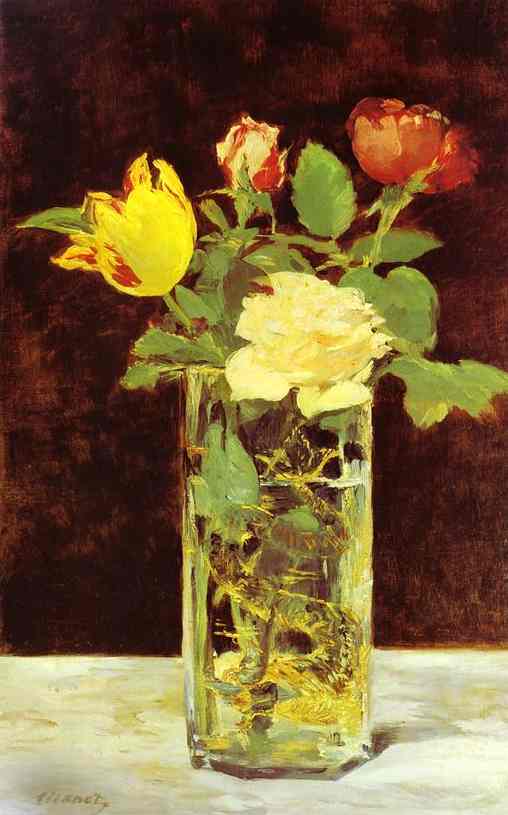
Roses and Tulips in a Vase


 Ver más
Reproducción al óleo hecha a mano
Óleo sobre lienzo pintado a mano en el tamaño y marco de su elección, realizado por encargo por nuestros artistas. ( Comprar impresión Comprar imagen)




P118B $10

P118H $10

P118W $10

P438Z $10

P508JH $12

P508YH $12

P805H $10

P805Z $10

P919BZ $10

P919G $10

P919XJ $10

P959ZH $10

P968JZ $12

W106C $8

W218G $10

W218JH $8

W218Y $10

W307PJ $10

W316G $10

W316PJ $8

W316Y $10

W398PJ $8

W4111J $10

W500HY $15

W500JH $15

W692G $12

W849H $8

W940BG $15

W953PJ $8




Elija entre nuestros tamaños predefinidos que respetan las proporciones originales de la obra.

Puede ingresar sus propias dimensiones para adaptarse a un marco o espacio específico. Si el tamaño seleccionado no coincide con las proporciones de la imagen original, recortaremos la obra o extenderemos la pintura con elementos adicionales pintados a mano. Se le enviará una maqueta digital para su aprobación antes de comenzar la producción.
Tenga en cuenta que la vista previa en pantalla no refleja el recorte o la extensión reales. Solo la maqueta mostrará con precisión la composición final.
Si bien existen tamaños personalizados, recomendamos seleccionar una dimensión de la lista predefinida para preservar las proporciones originales.
Tras realizar el pedido, el equipo de ArtsDot.com enviará un correo electrónico al cliente para solicitar instrucciones y proporcionarle una vista previa del boceto.
Envío a todo el mundo () en 3-4 semanas en lugar de las 5 semanas estándar. (22 agosto). Sin comprometer la calidad.

Envío exprés gratuito a todo el mundo

Lienzo de lino de alta calidad

Seguro de envío total

Garantía de reembolso de impuestos aduaneros

Garantía de fidelidad cromática exacta

Política de devolución de 60 días (solo por defectos)

Garantía de devolución del 100% del dinero

Descuento por cantidad
 La opción de vidrio solo está disponible en tamaños inferiores a 110 cm.

Roses and Tulips in a Vase
Técnica de reproducción
Dimensiones de la reproducción
-


Precio total final
$ 263
Descripción de la obra
A Moment of Quiet Beauty: Manet's Roses and Tulips in a Vase
Édouard Manet’s Roses and Tulips in a Vase isn’t merely a still life; it’s a carefully constructed meditation on beauty, observation, and the burgeoning modern sensibility that defined his artistic career. Painted around 1879-1880, during a pivotal period of experimentation for the artist, this work exemplifies Manet's departure from traditional academic painting while retaining a profound respect for its foundational principles. The composition itself is deceptively simple: a vase brimming with vibrant roses and tulips rests upon a stark white table, creating an immediate visual impact that draws the viewer into a world of color and form.
- Subject Matter: The subject – flowers in a vase – was a commonplace motif in art history, frequently employed by Dutch Masters to demonstrate technical skill. However, Manet elevates this genre through his deliberate choices regarding arrangement, light, and the overall atmosphere he creates.
- Style & Technique: Manet’s brushwork is loose and impressionistic, prioritizing the effects of light and color over meticulous detail. He employs broken color – small, distinct strokes of pigment – to build up the forms of the flowers, creating a shimmering effect that captures their delicate textures. This technique was influenced by his study of artists like Caravaggio and Velázquez, whom he admired for their mastery of light and shadow.
The Parisian Rebel: Context and Influence
Manet’s artistic journey was one of constant negotiation between tradition and innovation. He initially trained within the confines of academic painting, but quickly rejected its emphasis on idealized forms and historical narratives. His early years in Paris were marked by a fascination with contemporary life – the bustling streets, the fashionable salons, and the changing social landscape. This interest is evident in his work, which often depicts ordinary people and scenes from modern urban existence. The influence of Japanese prints, particularly their flattened perspective and bold compositions, can also be detected in Manet’s approach to space and form. The painting's quietude contrasts with the turbulent artistic debates of the time, reflecting a desire for calm observation within a rapidly changing world.
- Historical Context: The late 19th century was a period of immense social and political upheaval in France. Rapid industrialization, urbanization, and the rise of new ideas challenged traditional values and artistic conventions. Manet’s work reflects this atmosphere of change, anticipating many of the developments that would characterize Impressionism and Post-Impressionism.
- Relationship to Academic Painting: Manet deliberately positioned himself in opposition to the rigid rules and subject matter favored by the official Salon. His paintings were frequently rejected by the Academy, further cementing his reputation as a rebellious figure within the art world.
Symbolism and Emotional Resonance
While seemingly straightforward, Roses and Tulips in a Vase is rich with symbolic meaning. The roses, traditionally associated with love and passion, contrast with the more delicate tulips, which can represent vanity or beauty. The arrangement of the flowers – their overlapping forms and varying colors – creates a sense of dynamic tension within the composition. The stark white table serves as a neutral backdrop, emphasizing the vibrancy of the floral display and drawing attention to Manet’s masterful manipulation of light and color. The overall effect is one of quiet contemplation and aesthetic pleasure, inviting the viewer to appreciate the beauty of the natural world.
- Color Palette: The carefully chosen palette – predominantly reds, pinks, yellows, and greens – evokes a sense of warmth and vitality, further enhancing the painting’s emotional impact.
- Compositional Balance: The balanced composition, with its diagonal lines and asymmetrical arrangement, creates a harmonious yet dynamic visual experience.
A Timeless Masterpiece for Your Collection
ArtsDot offers meticulously crafted hand-painted reproductions of Édouard Manet’s Roses and Tulips in a Vase, capturing the essence of this iconic artwork with unparalleled detail and fidelity. Each reproduction is created by skilled artisans using archival quality materials, ensuring that your piece will retain its beauty and vibrancy for generations to come. Whether you are an art enthusiast, a discerning collector, or seeking a stunning addition to your interior design scheme, this reproduction offers a unique opportunity to own a fragment of art history.
Obras relacionadas
Biografía del artista
vida temprana y carrera
Édouard Manet, un pintor modernista francés, nació el 23 de enero de 1832 en París. Desafiando sus raíces acomodadas y una trayectoria naval predeterminada, Manet emergió como un audaz pintor modernista francés cuyas lienzos capturaban la vitalidad de la vida del siglo XIX. Es ampliamente aclamado por su papel pionero en el impresionismo, guiando el arte hacia territorios inexplorados fuera del realismo.obras notables
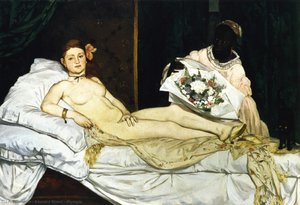
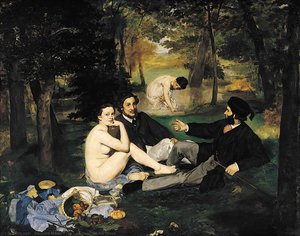
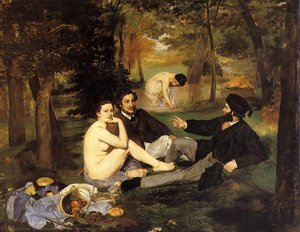
Las primeras obras maestras de Manet, el almuerzo en el césped (Le déjeuner sur l'herbe) (1863) y Olympia (1865), fueron radicales, desafiando las normas artísticas y provocando indignación entre los tradicionalistas. Estas obras provocadoras merecieron el aplauso de sus compañeros visionarios, sembrando las semillas del impresionismo. * el almuerzo en el césped (Le déjeuner sur l'herbe) (1863) - una pintura que provocó controversia tanto entre críticos como la academia de bellas artes. * Olympia (1865) - una obra que causó gran revuelo debido a su representación de una mujer desnuda blanca acompañada por una criada negra.museos y colecciones
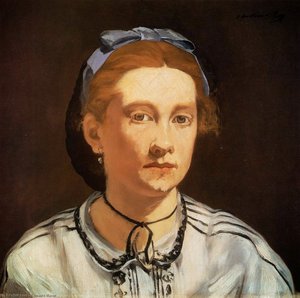
Las obras de Manet se pueden encontrar en varios museos de todo el mundo, incluyendo: * Musée d'Orsay (París, Francia) - hogar de una extensa colección de pinturas de Manet, incluyendo Olympia. * Museo de Bellas Artes (Boston, Estados Unidos) - presenta el retrato de Victorine Meurent, una obra notable en su obra.legado e influencia
El estilo innovador de Manet, caracterizado por pinceladas amplias y rápidas, iluminación de estudio y profundidad superficial, ha sido una gran influencia para los pintores futuros. Su legado se puede ver en las obras de numerosos artistas que han seguido sus pasos.- Impresionismo: su trabajo pionero en este estilo lo ha convertido en un nombre familiar entre los entusiastas del arte.
- Realismo: su rechazo de los enfoques realistas tradicionales allanó el camino para una nueva generación de artistas.
- Arte moderno: las contribuciones de Manet a la evolución del arte moderno son innegables, consolidando su lugar en los anales de la historia del arte.
lectura adicional y exploración
* Descubra más sobre la vida y obra de Édouard Manet en ArtsDot. * Explore la colección del Musée d'Orsay, que presenta una amplia gama de pinturas de Manet, incluyendo Olympia, en ArtsDot's página del museo.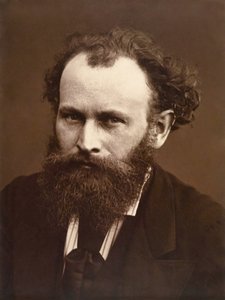
Édouard Manet
1832 - 1883 , Francia
Datos clave
- Artistas Influenciados:
- Claude Monet
- Pierre-Auguste Renoir
- Edgar Degas
- Artistas Que Influyeron:
- Thomas Couture
- Gustave Courbet
- Diego Velázquez
- Fecha De Muerte: 1883
- Fecha De Nacimiento: 23 de enero de 1832
- Lugar De Nacimiento: París, Francia
- Movimiento Artístico: Impresionismo, Realismo
- Nacionalidad: Francés
- Nombre Completo: Édouard Manet
- Obras Notables:
- Le Déjeuner sur l'herbe
- Olympia
- Madame Manet
- Un joven pelando una pera
Artículos relacionados
Édouard Manet: Las 25 Obras Maestras del Impresionismo para Decorar tu Hogar con Arte
Descubre las 25 obras maestras de Édouard Manet, el rebelde del impresionismo. Explora su historia, técnica y significado en cada cuadro famoso. Reproducciones de arte de museo para decorar tu hogar con estilo. ¡Explora la colección completa en ArtsDot.com!
Impressionistic Realism's Finest: 10 Masterpieces for Your Home | ArtsDot
Journey through Impressionistic Realism with 10 iconic masterpieces by Monet, Renoir & Van Gogh. Explore art history, techniques & find museum-quality reproductions for your home at ArtsDot.com. Discover all masterpieces online!

Giclée Prints: Archival Quality & Aesthetic Nuances for the Discerning Collector
Explore the world of giclée prints with ArtsDot. Learn about archival quality, aesthetic nuances & investment potential. Expert guidance for discerning art collectors seeking museum-quality reproductions and lasting value.

The Enduring Legacy of Fine Art Prints: Technique, History & Aesthetic Impact
Explore the rich history & techniques of fine art prints. Discover investment potential, assess authenticity, and learn how to preserve your collection with expert guidance. Trusted insights for discerning collectors.

Echoes of Time: Exploring the Enduring Appeal & Historical Context of Vintage Art Prints
Explore the captivating world of vintage art prints! Discover their history, collecting tips & enduring appeal. Expert insights on chromolithography and building a legacy collection with ArtsDot.