

 Enviar
 Compartir
 Detalles

 Descargar
 Similares
 Presentación de diapositivas
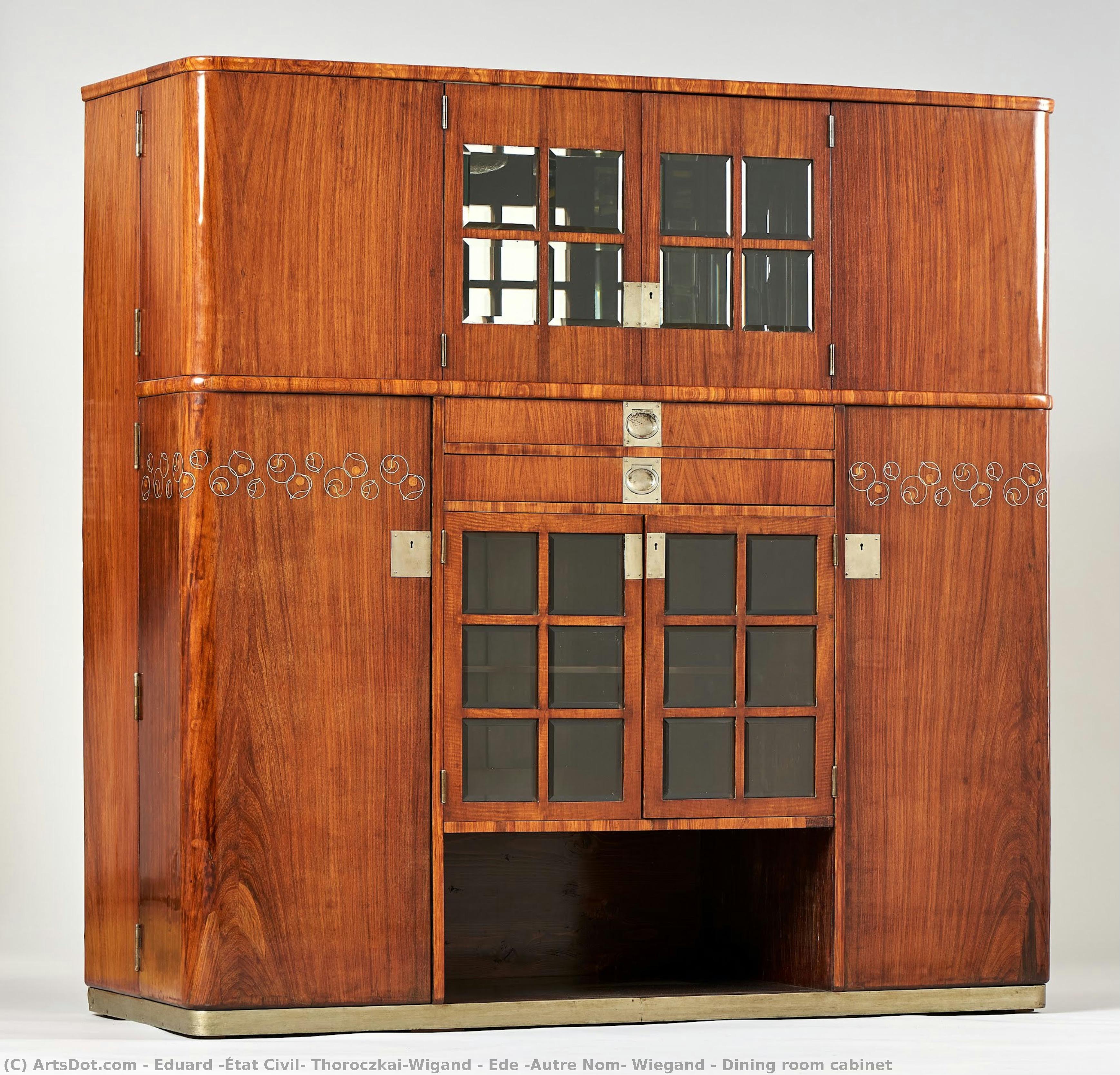
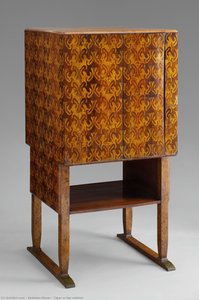
Dining room cabinet


 Ver más
Adquiera una imagen digital de alta resolución y optimizada, muy superior a la vista previa en línea.
Cada archivo es preparado meticulosamente por nuestros especialistas internos mediante el uso de herramientas avanzadas y un experto retoque manual. Nos aseguramos de que cada imagen posea una claridad excepcional, una precisión cromática impecable y un detalle minucioso.
El archivo final se entrega por correo electrónico en un plazo de 72 horas, optimizado para su uso inmediato en entornos profesionales, editoriales y de impresión. Esta es la misma calidad en la que confían los estudios de diseño, las editoriales y las galerías de primer nivel.
Imagen Digital
Descarga un archivo de alta resolución para exhibición personal, impresión y proyectos creativos. ( Comprar impresión Comprar pintura hecha a mano)
Incluido en cada pedido de imágenes digitales
Entrega digital experta, garantizada.
Al elegir ArtsDot.com, no solo está adquiriendo una imagen; está recibiendo una obra de arte digital mejorada profesionalmente, elaborada con precisión y respaldada por una garantía de satisfacción. Esto es todo lo que incluye su pedido, automáticamente:

Entrega rápida por email
Recibirá su archivo de imagen digital en alta resolución por correo electrónico en un plazo de 72 horas tras realizar su pedido, listo para su uso inmediato.

Archivo digital optimizado por IA
Su obra de arte se optimiza profesionalmente mediante herramientas avanzadas de IA y edición manual, garantizando el máximo detalle, claridad y precisión cromática.

Reenvío gratuito de por vida
¿Has borrado o perdido tu archivo por error? No te preocupes: te lo volveremos a enviar en cualquier momento, sin coste adicional.

Sin gastos de importación, siempre
Disfrute de su obra de arte al instante sin aduanas, aranceles ni gastos de envío; las descargas digitales siempre están libres de impuestos.

Garantía de fidelidad de color
Garantizamos que su imagen digital refleje los colores originales con la mayor fidelidad posible, mediante el uso de herramientas profesionales y gestión del color.

Garantía de satisfacción de 60 días
Si no está satisfecho con su imagen digital, la revisaremos o le reembolsaremos el 100% en un plazo de 60 días, sin preguntas.

100% Garantía de devolución de dinero
¿No está satisfecho? Obtenga un reembolso completo dentro de los 60 días posteriores a la recepción de su archivo digital, sin necesidad de explicaciones.

Descuentos por pedidos grandes
Compra 3 imágenes, ahorra 10% - Compra 5, ahorra 15% - Compra 10+, ahorra 20%. Ideal para proyectos creativos, galerías y agencias.
Ede Toroczkai Wigand’s Viennese Echoes: A Study in Form and Material
The dining room cabinet presented here offers a compelling glimpse into the artistic currents of early 20th-century Hungary, revealing the influence of Vienna's Secession movement while simultaneously grounding itself within a distinctly Hungarian aesthetic. Crafted by Ede Toroczkai Wigand in 1902, this piece is more than just a functional furnishing; it’s a carefully constructed dialogue between tradition and innovation, reflecting the burgeoning interest in handcrafted design and the desire to elevate everyday objects into works of art.
- A Fusion of Styles: Wigand's design demonstrates a sophisticated understanding of diverse influences. The initial inspiration clearly stems from French Art Nouveau’s flowing lines and organic forms, yet he deftly adapted these elements through a lens informed by the achievements of contemporary English and Scottish designers – a pragmatic approach that resulted in the ‘plank style’ so characteristic of his work.
- The Secession's Embrace: The most striking aspect of this cabinet is its direct engagement with the Viennese Secession. The armchair designs, meticulously documented as variations on Otto Wagner’s bent-wood models for the Austrian Postal Savings Bank, showcase a deliberate borrowing of form and technique. This wasn’t mere imitation; it was an acknowledgment of Vienna's position at the forefront of modern design experimentation.
- Materiality as Statement: The cabinet’s construction is equally significant. The cuboid shape with rounded edges, resting on a base adorned with silver-plated brass, speaks to a desire for both elegance and durability. The use of expensive materials – rosewood veneer, meticulously inlaid silver, and silver-plated fittings – elevates the piece beyond mere functionality, signifying status and reflecting the Secession’s emphasis on quality craftsmanship.
Technique and Craftsmanship: A Detailed Examination
Wigand's meticulous attention to detail is immediately apparent in the cabinet’s construction. The use of rosewood veneer suggests a desire for rich color and texture, while the silver inlay – particularly the stylized ‘peonies’ that adorn the lower drawer – demonstrates a mastery of intricate craftsmanship. These circular inlays, composed of silver, rosewood, and cedar, are not simply decorative; they contribute to the overall sense of luxury and refinement. The cabinet's construction utilizes traditional joinery techniques, highlighting the skill and patience required to create such a piece.
- Copper Medium: While the original was created using copper, this reproduction faithfully replicates the intended effect through modern materials, ensuring an accurate representation of Wigand’s vision.
- Hardware Details: The silver-plated brass banding and hinges further emphasize the cabinet's luxurious qualities and demonstrate a commitment to impeccable finishing.
Historical Context and Significance
The creation of this dining room cabinet in 1902 coincided with a period of significant artistic and architectural change in Hungary. Wigand’s work, showcased at the National Society of Applied Arts Christmas exhibition, aligned perfectly with the broader Arts and Crafts movement, advocating for handcrafted goods and rejecting mass-produced items. The subsequent purchase by the Museum of Applied Arts in Budapest underscores the cabinet's importance as a landmark piece within Hungarian design history. It represents a pivotal moment where Hungarian artistic sensibilities embraced international influences while simultaneously forging its own unique identity.
This reproduction offers an exceptional opportunity to experience firsthand the elegance and sophistication of Ede Toroczkai Wigand’s work, bringing a touch of Viennese Secession into your home or office. It is a testament to the enduring power of thoughtful design and meticulous craftsmanship – a piece that speaks volumes about its time and continues to resonate with collectors and interior designers today.
NoneObras relacionadas


Biografía del artista
primeros años y educación
eduard (état civil) thoroczkai-wigand , ede (autre nom) wiegand, un renombrado arquitecto, diseñador y escritor húngaro, nació el 19 de mayo de 1869 en Budapest. Realizó sus estudios en la Universidad Técnica de Budapest, sentando las bases de su futura carrera en la arquitectura y el diseño de mobiliario.contribución al movimiento Arts & Crafts
La obra de Wigand contribuyó significativamente al movimiento Arts & Crafts, influyendo en la arquitectura húngara con su estilo único. Sus diseños, caracterizados por la sencillez, la elegancia y la funcionalidad, se han convertido en un referente para arquitectos y diseñadores.obras notables y exposiciones
- el aparador de comedor, creado en 1902 utilizando el cobre como medio, es una de sus obras más famosas.
- Sus escritos sobre arquitectura y diseño ayudaron a popularizar el movimiento Arts & Crafts en Hungría.
- Algunas de sus obras notables pueden encontrarse en el perfil del artista en AllPaintings_Store, que muestra su maestría sobre diversos medios.
- Para una comprensión más profunda de la influencia de Wigand, visite el museo Zichy en Zala, Hungría, que cuenta con una impresionante colección de arte y arquitectura húngaros. /en/art/show/art-d3b5p9-en/
- explore la galería nacional húngara, Budapest, que alberga una extensa colección de bellas artes húngaras, incluyendo obras de contemporáneos de Wigand. [https://ArtsDot.com/@@/a@d3b6x7-the-hungarian-national-gallery-budapest](https://ArtsDot.com/@@/a@d3b6x7-the-hungarian-national-gallery-budapest)
legado y últimos años
Ede Toroczkai Wigand falleció el 22 de enero de 1945 en Budapest, dejando un legado que continúa inspirando a arquitectos, diseñadores y artistas. Su obra sigue siendo un testimonio del poder perdurable del movimiento Arts & Crafts en la arquitectura húngara. fechas clave:- 19 de mayo de 1869 - nació en Budapest
- 1902 - creó el aparador de comedor
- 22 de enero de 1945 - falleció en Budapest
Eduard Thoroczkai-Wigand
1869 - 1945 , Hungría
Breves datos
- Artistas O Movimientos Influenciados Por Este Artista: ['Pablo Picasso']
- Artistas Que Influyeron En Este Artista:
- William-Adolphe Bouguereau
- Paul Cézanne
- Fecha De Fallecimiento: 3 de noviembre de 1954
- Fecha De Nacimiento: 31 de diciembre de 1869
- Lugar De Nacimiento: Le Cateau, Picardía, Francia
- Movimiento O Estilo Artístico:
- Fauvismo
- Modernismo
- Nacionalidad: Francés
- Nombre Completo: Henri-Émile-Benoît Matisse
- Obras Notables:
- El estudio rojo
- La danza (Matisse)
- Desnudo azul

