

 Ver en contexto
 Enviar
 Compartir
 Detalles

 Descargar
 Similares
 Radiografía
 Presentación de diapositivas
The Artist Dreaming of Immortality in His Grandmother


 Ver más
Giclée / Impresión de arte
Impresiones giclée o en lienzo de calidad de museo con producción rápida y opciones de acabado flexibles. ( Comprar pintura hecha a mano Comprar imagen)




P118B $10

P118H $10

P118W $10

P438Z $10

P508JH $12

P508YH $12

P805H $10

P805Z $10

P919BZ $10

P919G $10

P919XJ $10

P959ZH $10

P968JZ $12

W106C $8

W218G $10

W218JH $8

W218Y $10

W307PJ $10

W316G $10

W316PJ $8

W316Y $10

W398PJ $8

W4111J $10

W500HY $15

W500JH $15

W692G $12

W849H $8

W940BG $15

W953PJ $8




Elija entre nuestros tamaños predefinidos que respetan las proporciones originales de la obra.

Puede introducir sus propias dimensiones para adaptarse a un marco o espacio específico. Si el tamaño seleccionado no coincide con las proporciones de la imagen original, recortaremos la obra de arte o extenderemos la imagen con un borde con efecto espejo o de color sólido. Se enviará una maqueta digital para su aprobación antes de que comience la producción.
Tenga en cuenta que la vista previa en pantalla no refleja el recorte o la extensión real. Solo la maqueta mostrará con precisión la composición final.
Aunque existen tamaños personalizados, recomendamos seleccionar una dimensión de la lista predefinida para preservar las proporciones originales.
Envío a todo el mundo () en 2 semanas en lugar de las 4/5 semanas estándar. (6 septiembre)

Envío exprés gratuito a todo el mundo

Lienzo de lino de alta calidad

Seguro de envío total

Garantía de reembolso de impuestos aduaneros

Garantía de fidelidad cromática exacta

Política de devolución de 100 días (solo por defectos)

Garantía de devolución del 100% del dinero

Descuento por cantidad
 La opción de vidrio solo está disponible en tamaños inferiores a 110 cm.

The Artist Dreaming of Immortality in His Grandmother
Giclée / Impresión de arte
Dimensiones de la reproducción
-


Precio total final
$ 62
A Visionary Tapestry of Memory and Heritage
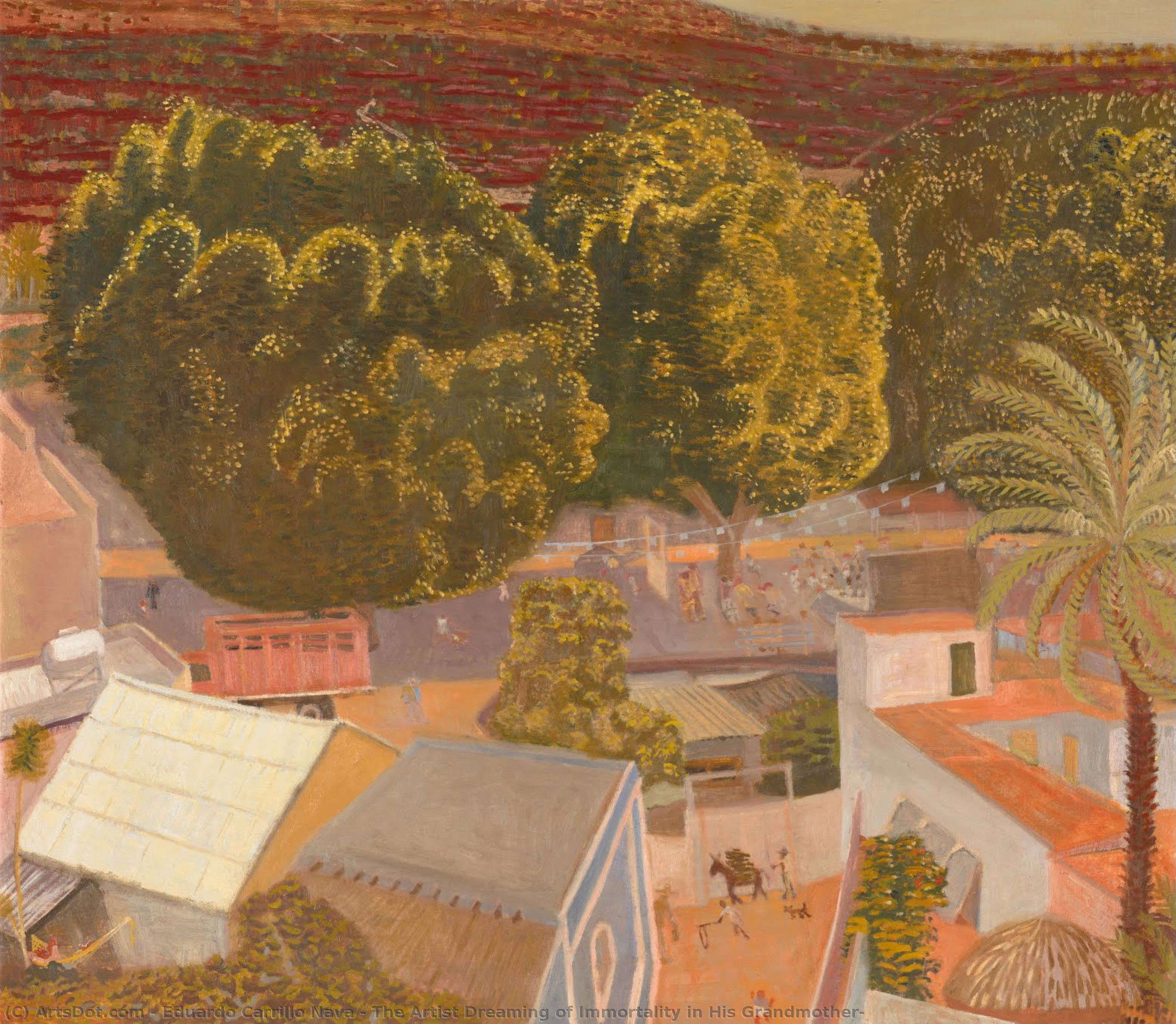
In the evocative masterpiece The Artist Dreaming of Immortality in His Grandmother, Eduardo Carrillo Nava invites us into a world where the boundaries between reality and memory dissolve into a vibrant, sun-drenched landscape. Created in 1990, this work serves as a profound window into the soul of a Mexican-American artist deeply connected to his roots. The painting presents a bustling village scene, where the rhythmic pulse of everyday life is captured through a lens of surrealist-inspired nostalgia. As we gaze upon the composition, we see more than just a landscape; we witness a dreamscape where the past and present coexist, woven together by the artist's profound connection to his ancestral lineage.
The scene unfolds with a captivating sense of community, featuring a tapestry of figures engaged in the quiet, essential rituals of village life. Amidst the weathered textures of old houses and the swaying silhouettes of palm trees, there is a palpable sense of continuity. A horse grazes peacefully near a dwelling, grounding the ethereal quality of the dream in the earthy reality of rural existence. Nava’s ability to blend these elements—the mundane and the mythic—creates an atmosphere that is both intimate and expansive, making it an ideal centerpiece for those looking to bring a sense of narrative depth and cultural richness into a curated interior space.
Technique and the Chicano Aesthetic
Nava’s technical prowess is on full display through his masterful use of color and light. The palette is vivid and saturated, breathing life into the village architecture and the lush greenery of the background. His style, which sits at the intersection of traditional landscape painting and the surrealist movements, allows for a unique play of shadows and highlights that suggest a warmth radiating from within the memory itself. Each brushstroke contributes to a texture that feels both rugged and refined, echoing the weathered surfaces of the village buildings while maintaining the fluid grace required to depict a dreamlike state.
As a pivotal figure in the Chicano art movement, Nava utilizes this piece to explore themes of identity and cultural endurance. The painting is not merely a depiction of a place, but an exploration of the "immortality" mentioned in its title—the idea that through art and memory, our heritage and our ancestors live on forever. For collectors and designers, this work offers a sophisticated blend of historical significance and aesthetic beauty. It provides a powerful focal point that stimulates conversation, offering a window into the Chicano/a/x experience while maintaining a universal appeal through its stunning visual storytelling and emotional resonance.
Obras relacionadas
Biografía del artista
Primeros años e influencias
Eduardo Carrillo Nava, un artista mexicoamericano, nació el 8 de abril de 1937 en Santa Mónica, California, Estados Unidos. Falleció el 14 de julio de 1997 en Tijuana, Baja California, México. El viaje artístico de Carrillo estuvo profundamente arraigado en su extenso estudio del arte y la historia europeos y mexicanos.
Contribuciones Artísticas
Carrillo es reconocido por sus pinturas y murales, que no solo mostraron su destreza técnica sino que también reflejaron su herencia cultural. Como figura clave en el movimiento de arte chicano, desempeñó un papel fundamental en la promoción de artistas, cultura y derechos civiles chicanos/as/x.
- El Grito, Las Tropicanas, Nacimiento, Muerte y Regeneración son algunas de sus obras notables que ejemplifican su amplio rango artístico.
- Su estilo artístico abarcó paisajes inspirados en el surrealismo, la intersección de la historia y el mito mexicanos, pinturas figurativas y de retratos, paisajes tradicionales y bodegones.
- En 1982, organizó la innovadora conferencia Califas: Arte y Cultura Chicana en California, lo que consolidó aún más su influencia en el mundo del arte.
Desarrollo Artístico y Evolución
La obra de Carrillo evolucionó a lo largo de su carrera, mostrando una profunda exploración de la identidad chicana y sus conexiones con la historia mexicana. Inicialmente influenciado por el surrealismo europeo, incorporó elementos de la iconografía y las narrativas mexicanas en su trabajo. Su compromiso con los derechos civiles se reflejó en sus murales y pinturas que abordaban temas sociales y políticos relevantes para la comunidad chicana.
- Fase Temprana: Influencia surrealista, exploración de paisajes oníricos y simbolismo personal.
- Desarrollo del Estilo Chicano: Incorporación de elementos culturales mexicanos, como referencias a la historia precolombina y el folclore.
- Compromiso Social: Creación de obras que abordan temas de justicia social, identidad y orgullo chicano.
Logros Significativos e Importancia Histórica
El legado de Eduardo Carrillo Nava es significativo tanto por su contribución al arte chicano como por su papel en la promoción de artistas y cultura chicanos/as/x. Su obra ha sido exhibida en numerosas galerías y museos, y se encuentra en colecciones importantes, incluyendo la Colección Andrés Blaisten (México). Su conferencia Califas fue un hito importante para el arte chicano, proporcionando una plataforma para que los artistas chicanos compartieran sus perspectivas y creaciones.
- Figura Clave del Arte Chicano: Su trabajo ayudó a definir la estética y los temas centrales del movimiento de arte chicano.
- Promotor Cultural: A través de su arte y su conferencia Califas, contribuyó significativamente al reconocimiento y la valoración de la cultura chicana.
- Legado Duradero: Su obra continúa inspirando a artistas y estudiosos interesados en la intersección del arte, la identidad y la justicia social.
Colecciones Notables
La obra de Carrillo puede encontrarse en diversas colecciones, incluyendo:
- Colección Andrés Blaisten (México): Una colección diversa de arte latinoamericano que incluye obras significativas de Carrillo.
- Obras privadas: Su trabajo también se encuentra en colecciones particulares tanto en México como en los Estados Unidos.
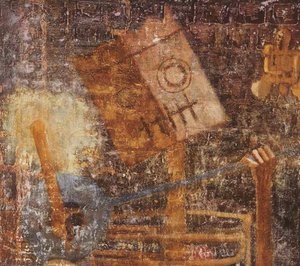
Eduardo Carrillo Nava
1937 - 1997 , Estados Unidos de América
Datos clave
- Artistas Influyentes:
- Arte europeo
- Arte mexicano
- Fecha De Fallecimiento: 14 de julio de 1997
- Fecha De Nacimiento: 8 de abril de 1937
- Influenciado Por: Movimiento Chicano
- Lugar De Nacimiento: Santa Mónica, EE. UU.
- Movimiento Artístico: Chicano Art, Surrealismo
- Nacionalidad: Mexicano-estadounidense
- Nombre Completo: Eduardo Carrillo Nava
- Obras Notables:
- El Grito
- Las Tropicanas
- Nacimiento y Regeneración
Artículos relacionados
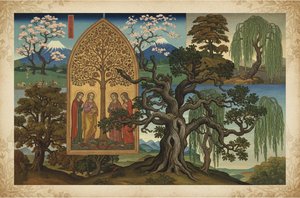
Arboreal Echoes: A Historical & Artistic Exploration of Trees in Painting
Explore the rich history of trees in painting! Discover symbolism, Romantic masterpieces by Caspar David Friedrich & beyond. A curated journey for art enthusiasts.
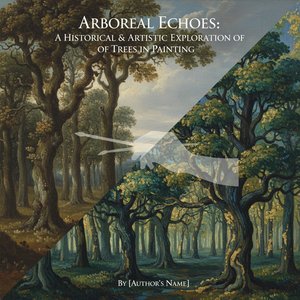
Arboreal Echoes: A Historical & Artistic Exploration of Trees in Painting
Explore the rich history of trees in painting! Discover symbolism, Romantic masterpieces by Caspar David Friedrich & beyond. A curated journey for art enthusiasts.
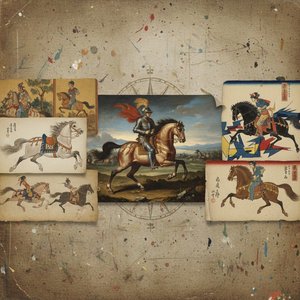
The Noble Steed on Canvas: A Historical & Artistic Exploration of Horse Painting Across Cultures
Explore the rich history of horse painting! Discover masterpieces from Stubbs to Munnings & learn about symbolism, techniques & artists. Find museum-quality reproductions at ArtsDot.

The Equine Muse: A Historical & Artistic Exploration of Horses in Painting
Explore the captivating history of horses in painting! Discover Renaissance masterpieces, Baroque grandeur & expert insights for collecting equestrian art. Learn about symbolism, techniques & lasting value with ArtsDot.
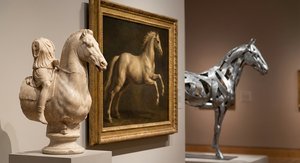
The Noble Steed: A Historical and Artistic Exploration of Horses in Fine Art
Explore the rich history of horses in fine art! From ancient depictions to Renaissance masterpieces & beyond, discover iconic artworks and artists. Learn about symbolism, techniques, and find museum-quality reproductions at ArtsDot.