

 Ver en contexto
 Enviar
 Compartir
 Detalles

 Descargar
 Similares
 Radiografía
 Presentación de diapositivas
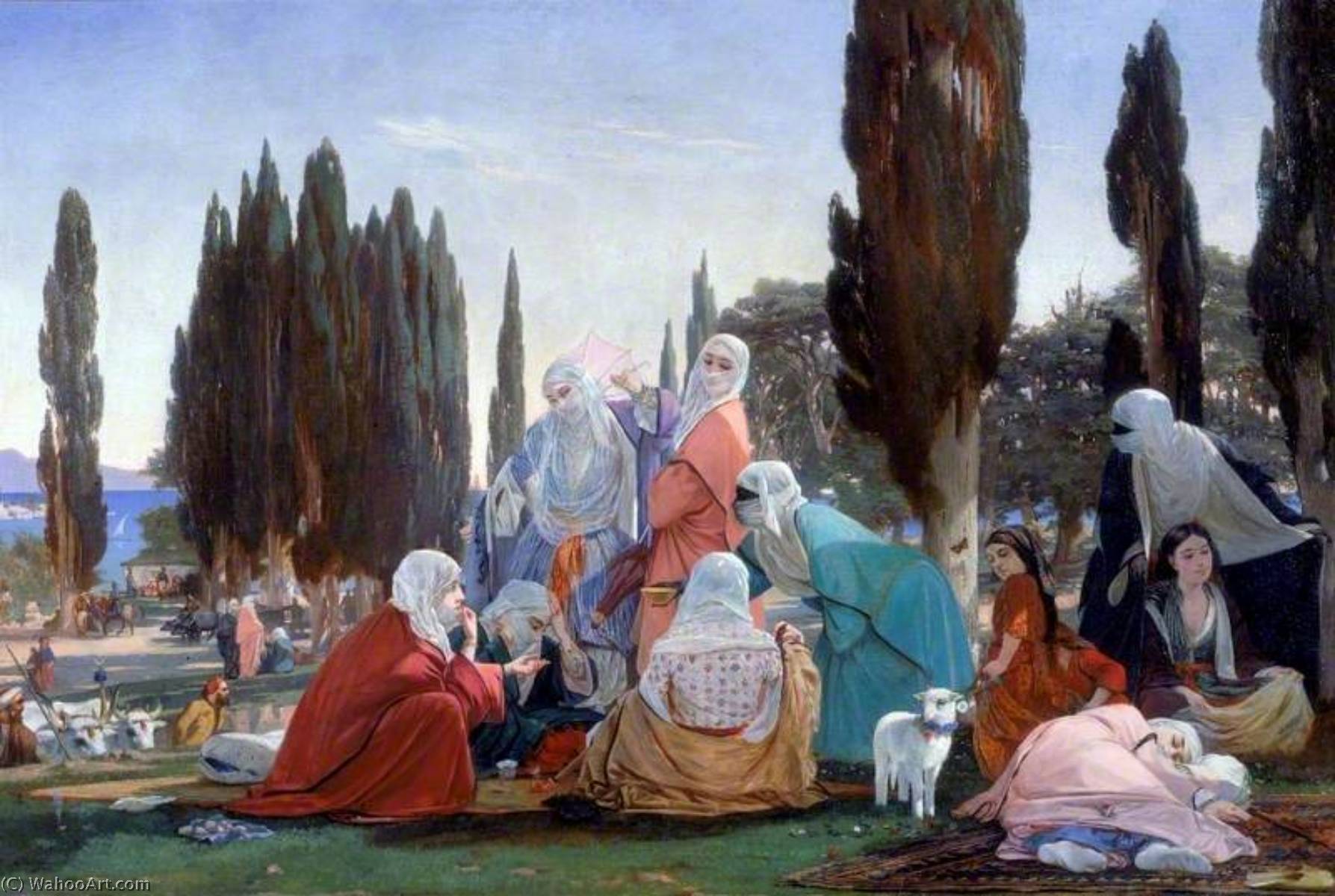
Souvenir of Scutari
 1857
1857 122.0 x 183.0 cm
 Laing Art Gallery
 Ver más
Reproducción al óleo hecha a mano
Óleo sobre lienzo pintado a mano en el tamaño y marco de su elección, realizado por encargo por nuestros artistas. ( Comprar impresión Comprar imagen)




































Elija entre nuestros tamaños predefinidos que respetan las proporciones originales de la obra.

Puede ingresar sus propias dimensiones para adaptarse a un marco o espacio específico. Si el tamaño seleccionado no coincide con las proporciones de la imagen original, recortaremos la obra o extenderemos la pintura con elementos adicionales pintados a mano. Se le enviará una maqueta digital para su aprobación antes de comenzar la producción.
Tenga en cuenta que la vista previa en pantalla no refleja el recorte o la extensión reales. Solo la maqueta mostrará con precisión la composición final.
Si bien existen tamaños personalizados, recomendamos seleccionar una dimensión de la lista predefinida para preservar las proporciones originales.
Tras realizar el pedido, el equipo de ArtsDot.com enviará un correo electrónico al cliente para solicitar instrucciones y proporcionarle una vista previa del boceto.
Envío a todo el mundo () en 3-4 semanas en lugar de las 5 semanas estándar. (27 agosto). Sin comprometer la calidad.

Envío exprés gratuito a todo el mundo

Lienzo de lino de alta calidad

Seguro de envío total

Garantía de reembolso de impuestos aduaneros

Garantía de fidelidad cromática exacta

Política de devolución de 60 días (solo por defectos)

Garantía de devolución del 100% del dinero

Descuento por cantidad
 La opción de vidrio solo está disponible en tamaños inferiores a 110 cm.

Souvenir of Scutari
Técnica de reproducción
Dimensiones de la reproducción
-


Precio total final
$ 263
Artistic Significance
This beautiful painting depicts a group of people gathered in a park-like setting, surrounded by trees and accompanied by dogs and a horse. The scene exudes a sense of social gathering and community, showcasing the artist's ability to capture the essence of human interaction. The presence of animals adds a lively atmosphere to the painting, making it a truly unique and captivating piece. Key Features of the painting include:- The use of oil on canvas, which gives the painting a rich and textured appearance
- The depiction of everyday life in the 19th century, providing a glimpse into the past
- The artist's attention to detail, evident in the intricate rendering of the trees, animals, and human figures
Artist and Museum
Edward Armitage was a talented artist known for his works such as Souvenir of Scutari and The Cities of the Plain. His paintings can be found at the Laing Art Gallery, which is also home to works by other notable artists like Charles Napier Hemy and Ralph Bullock. For more information on these artists and their works, visit /art/list/?Filter=AQS6TS-Edward-Armitage-Souvenir-of-Scutari or /art/list/?Filter=ARAKXU-Ralph-Bullock-Farm.The Laing Art Gallery is a must-visit destination for art enthusiasts, offering a diverse collection of paintings and artworks. To learn more about the gallery and its collections, visit https://ArtsDot.com or check out the Wikipedia page on Laing Art Gallery.
Obras relacionadas








Biografía del artista
Edward Armitage: Victorian Painter of Dramatic History
Edward Armitage RA (20 May 1817 – 24 May 1896) was an english victorian-era painter whose work focused on historical, classical and biblical subjects. He stands as a prominent figure in the Romantic movement’s artistic landscape, embodying its passion for grandeur, moral seriousness, and evocative storytelling. Born into a wealthy yorkshire industrial family—the eldest son of james armitage (1793–1872) and anne elizabeth armitage née rhodes (1788–1833)—Armitage’s upbringing instilled in him an appreciation for both artistic excellence and social responsibility, values that would permeate his entire oeuvre.- Early Life & Artistic Training: Armitage's formative years were spent in london, where he received a robust education alongside his brothers, including thomas rhodes armitage (1824–1890), who established the royal national institute of the blind—a testament to Armitage’s familial commitment to philanthropy. Crucially, his artistic training commenced in paris, under the tutelage of paul delaroche, arguably the most celebrated history painter of his time. Delaroche's influence profoundly shaped Armitage’s stylistic sensibilities, fostering a dedication to monumental compositions and dramatic narratives.
- The École des Beaux-Arts & Collaborative Projects: Armitage’s enrollment at the école des beaux-arts marked a pivotal moment in his artistic development. He participated in ambitious collaborative endeavors, notably assisting delaroche with the fresco hémicycle in the amphitheatre of the palais des beaux-arts—a project that afforded him invaluable experience working on large-scale decorative undertakings and honed his technical skills.
Westminster Palace Commissions & The Spirit of Britannia
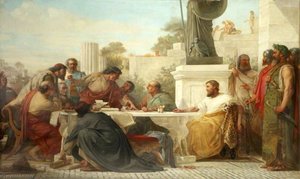
Armitage’s involvement in the decoration of westminster palace following the devastating fire of 1834 exemplifies his ambition and artistic vision. He was tasked with designing monumental murals illustrating subjects from british history or mythology—a challenge he accepted with characteristic determination. His contributions to this project, including the ‘cartoons’ for the amphitheatre and the subsequent fresco depicting ‘the spirit of religion,’ solidified his reputation as a leading artist of his era and showcased his ability to capture complex themes with breathtaking artistry.- Notable Paintings: Armitage's artistic output spanned numerous genres, encompassing historical paintings, biblical scenes, and portraits. Among his most celebrated works are ‘Retribution’ (1858), a visceral depiction of the indian mutiny—a painting that provoked considerable debate regarding its portrayal of british imperial ambition; ‘Esther’s Banquet’ (1865); ‘The Remorse of Judas’ (1866); and ‘Herod’s Birthday Feast’ (1868)—each imbued with meticulous detail and conveying profound emotional resonance.
- Technique & Style: Armitage's artistic style is characterized by a masterful command of technique—particularly fresco painting—which allowed him to achieve remarkable textural depth and luminosity. His compositions are grand in scale, reflecting the Romantic preoccupation with sublime landscapes and heroic narratives. He skillfully employed chiaroscuro—the dramatic interplay of light and shadow—to heighten emotional impact and imbue his paintings with an aura of theatrical grandeur.
Critical Reception & Legacy
Armitage’s artistic endeavors garnered considerable critical acclaim during his lifetime, though not without controversy. Critics acknowledged his technical prowess but questioned the appropriateness of certain thematic choices—particularly ‘Retribution,’ which was deemed overly sensationalistic and morally ambiguous by prominent voices like thackeray and professor byles. Despite these dissenting opinions, Armitage's enduring legacy rests upon his contribution to Victorian art history—his monumental paintings continue to inspire admiration for their ambition, artistry, and evocative portrayal of historical events.Further Exploration
- Wikipedia: Provides a comprehensive biographical overview and detailed information on his artistic output.
Edward Armitage
1817 - 1896 , Inglaterra
Datos clave
- Artistic Movement Or Style: Romanticismo
- Artists Who Influenced This Artist: ['Paul Delaroche']
- Date Of Birth: 1817
- Date Of Death: 1896
- Full Name: Edward Armitage RA
- Nationality: Inglés
- Notable Artworks: ['Retribución']
- Place Of Birth: Londres, Inglaterra

