

 Vista previa
 Compartir
 Compartir
 Ver detalles

 Descargar
 Ver similares
 Radiografía
 Presentación de diapositivas
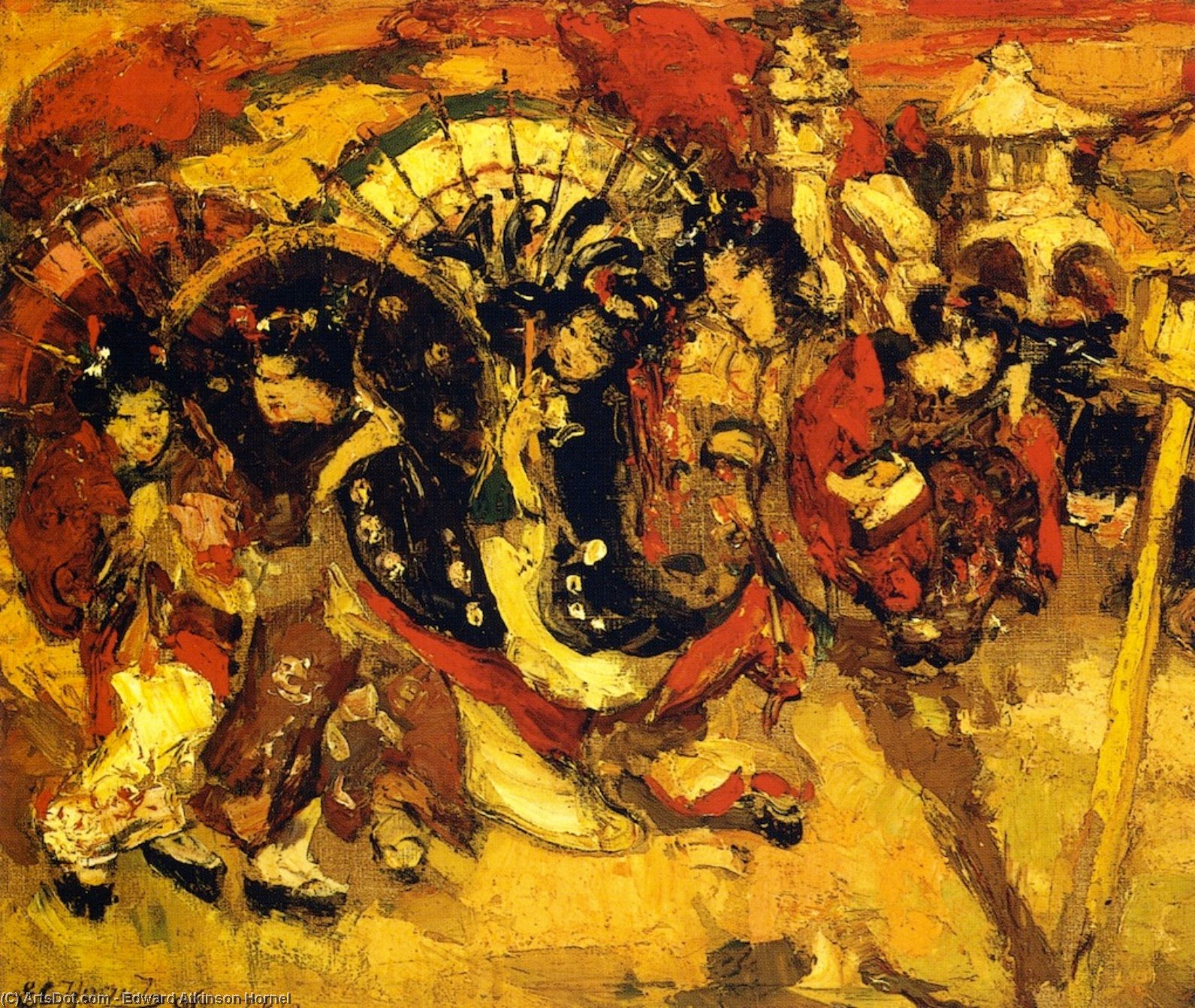
Japanese Figures in a Garden


 Leer más
Adquiera una imagen digital de alta resolución y optimizada, muy superior a la vista previa en línea.
Cada archivo es preparado meticulosamente por nuestros especialistas internos mediante el uso de herramientas avanzadas y un experto retoque manual. Nos aseguramos de que cada imagen posea una claridad excepcional, una precisión cromática impecable y un detalle minucioso.
El archivo final se entrega por correo electrónico en un plazo de 72 horas, optimizado para su uso inmediato en entornos profesionales, editoriales y de impresión. Esta es la misma calidad en la que confían los estudios de diseño, las editoriales y las galerías de primer nivel.
Imagen Digital
Descarga un archivo de alta resolución para exhibición personal, impresión y proyectos creativos. ( Pedir impresión Encargar reproducción pintada a mano)
Incluido en cada compra de imágenes digitales
Entrega digital experta, garantizada.
Al elegir ArtsDot.com, no solo está adquiriendo una imagen; está recibiendo una obra de arte digital mejorada profesionalmente, elaborada con precisión y respaldada por una garantía de satisfacción. Esto es todo lo que incluye su pedido, automáticamente:

Entrega rápida por email
Recibirá su archivo de imagen digital en alta resolución por correo electrónico en un plazo de 72 horas tras realizar su pedido, listo para su uso inmediato.

Archivo digital optimizado por IA
Su obra de arte se optimiza profesionalmente mediante herramientas avanzadas de IA y edición manual, garantizando el máximo detalle, claridad y precisión cromática.

Reenvío gratuito de por vida
¿Has borrado o perdido tu archivo por error? No te preocupes: te lo volveremos a enviar en cualquier momento, sin coste adicional.

Sin gastos de importación, siempre
Disfrute de su obra de arte al instante sin aduanas, aranceles ni gastos de envío; las descargas digitales siempre están libres de impuestos.

Garantía de precisión de color
Garantizamos que su imagen digital refleje los colores originales con la mayor fidelidad posible, mediante el uso de herramientas profesionales y gestión del color.

Garantía de satisfacción de 60 días
Si no está satisfecho con su imagen digital, la revisaremos o le reembolsaremos el 100% en un plazo de 60 días, sin preguntas.

100% Garantía de devolución de dinero
¿No está satisfecho? Obtenga un reembolso completo dentro de los 60 días posteriores a la recepción de su archivo digital, sin necesidad de explicaciones.

Descuentos por volumen
Compra 3 imágenes, ahorra 10% - Compra 5, ahorra 15% - Compra 10+, ahorra 20%. Ideal para proyectos creativos, galerías y agencias.
Descripción del coleccionable
The Artist and His Style
Edward Atkinson Hornel was a Scottish painter who was known for his beautiful and delicate depictions of landscapes and figures. His style is characterized by the use of soft colors and gentle brushstrokes, which gives his paintings a sense of serenity and calmness. In Japanese Figures in a Garden, Hornel's style is evident in the way he captures the beauty of the natural world and the people in it.The Painting
The painting depicts a group of people in a garden setting, surrounded by beautiful trees and flowers. The figures are dressed in traditional Japanese clothing and are engaged in various activities, such as playing music and enjoying tea. The painting is full of intricate details and subtle colors, which gives it a sense of depth and complexity. Key Features of the painting include:- The use of soft colors and gentle brushstrokes to create a sense of serenity and calmness
- The depiction of traditional Japanese clothing and activities
- The intricate details and subtle colors used to create a sense of depth and complexity
Reproductions and Prints
For those who are interested in owning a piece of this beautiful painting, ArtsDot.com offers high-quality reproductions and prints on canvas. These reproductions are made using the latest technology and are available in a range of sizes to suit any space.The Museum Sudbury Town Hall is also a great resource for those who want to learn more about the painting and its history. With its extensive collection of artworks, including paintings by Edward Atkinson Hornel, the museum is a must-visit for art lovers.
In conclusion, Japanese Figures in a Garden by Edward Atkinson Hornel is a captivating painting that showcases the artist's unique style and skill. With its beautiful depiction of a garden setting and intricate details, this painting is a must-see for anyone who loves art.
Obras relacionadas
Biografía del artista
Edward Atkinson Hornel: Scottish Painter of Landscapes & Florals, Influenced by Japonisme
Edward Atkinson Hornel (1864 – 1933) stands as a cornerstone of late Victorian and early twentieth-century Scottish art, inextricably linked to the Glasgow Boys movement and profoundly shaped by Japanese aesthetics. Born in Bacchus Marsh, Victoria, Australia—a poignant reminder of his Scottish heritage—Hornel’s formative years instilled within him an unwavering appreciation for both expansive landscape panoramas and meticulous botanical detail. Following his family's relocation back to Kirkcudbright in 1866, he embarked upon a deliberate pursuit of formal artistic training at Edinburgh Art School and Antwerp under the tutelage of Professor Verlat, honing skills that would become synonymous with his unmistakable stylistic signature. Returning to Scotland in 1885, Hornel discovered kindred spirits in George Henry, forging an enduring collaborative partnership that birthed masterpieces such as “Druids Bringing In The Mistletoe” (1890). This ambitious depiction of druidic ritual—characterized by vibrant color palettes and daring textural experimentation—solidified Hornel’s reputation for audacious artistic vision. Specifically, his masterful manipulation of paint surfaces through layering, scraping, roughening, smoothing, and staining techniques prioritized expressive impact over literal representation, reflecting a commitment to conveying emotion rather than documenting reality. This innovative approach distinguished him from many of his contemporaries and cemented his place among the vanguard of Scottish Impressionism. The year 1893–94 witnessed Hornel and Henry undertaking an extraordinary expedition to Japan—a pivotal moment that irrevocably altered their artistic trajectories. Inspired by the principles of decorative design and spatial arrangement championed by Japanese artists, they immersed themselves in a culture brimming with beauty and subtlety. This transformative experience propelled Hornel toward a more atmospheric aesthetic—one defined by refined color harmonies and nuanced drawing—elements that seamlessly blended sensual allure with contemplative reflection. The resulting paintings captured not merely visual impressions but also the spirit of Japan itself, demonstrating Hornel’s ability to synthesize diverse influences into a cohesive artistic idiom. By 1901, Hornel prudently declined membership to the Royal Scottish Academy, prioritizing his unwavering devotion to Glasgow Art Club where he continued to exhibit annually—a testament to his enduring belief in communal artistic engagement and critical dialogue. During this period, he established Broughton House in Kirkcudbright—a Victorian townhouse meticulously designed alongside Elizabeth Hornel—incorporating elements inspired by Japanese garden aesthetics. This residence served as a sanctuary for artistic creativity and fostered an environment conducive to experimentation with color and texture. Notably, he commissioned the construction of a gallery specifically for showcasing his paintings, ensuring their preservation and accessibility for future generations. Hornel’s oeuvre encompasses celebrated works housed in museums across Britain—Aberdeen, Buffalo, Bradford, St. Louis, Toronto, Montreal, Glasgow, Edinburgh, Leeds, Manchester, Hull, Bath, and Liverpool—demonstrating the enduring resonance of his distinctive style within the broader context of British art history. His paintings exemplify the Glasgow Boys’ commitment to Impressionistic principles while simultaneously reflecting the influence of Japonisme and Pre-Raphaelitism, securing his place as a pivotal figure in shaping the aesthetic landscape of the Edwardian era. He died peacefully in Kirkcudbright in 1933, leaving behind a legacy of artistic innovation and a profound contribution to Scottish art heritage.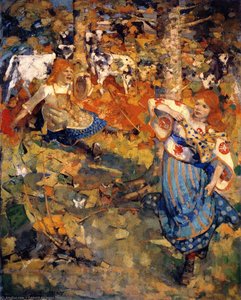
Edward Atkinson Hornel
1864 - 1933 , Australia
Datos clave
- Artistic Movement Or Style: Glasgow Boys
- Artists Who Influenced This Artist:
- George Henry
- James Hornell
- Date Of Birth: 1864
- Full Name: Edward Atkinson Hornel
- Nationality: Escocés
- Notable Artworks:
- Druids Bringing in the Mistletoe
- Japanese Figures in a Garden
- Place Of Death: Kirkcudbright

