

 Ver en contexto
 Enviar
 Compartir
 Detalles

 Descargar
 Similares
 Radiografía
 Presentación de diapositivas
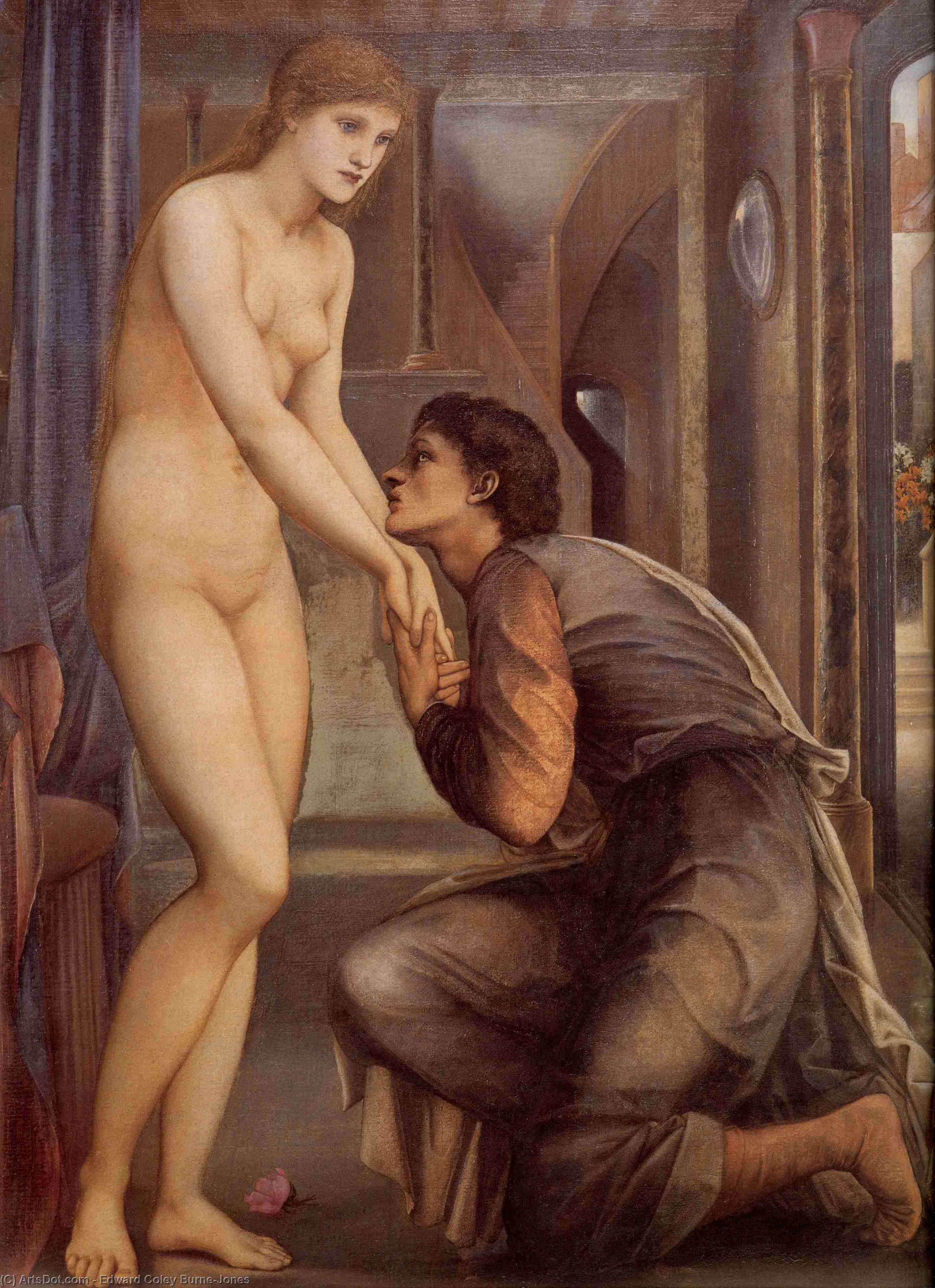
Burne Jones Pygmalion and the Image IV The Soul Attains (detail)


 Ver más
Adquiera una imagen digital de alta resolución y optimizada, muy superior a la vista previa en línea.
Cada archivo es preparado meticulosamente por nuestros especialistas internos mediante el uso de herramientas avanzadas y un experto retoque manual. Nos aseguramos de que cada imagen posea una claridad excepcional, una precisión cromática impecable y un detalle minucioso.
El archivo final se entrega por correo electrónico en un plazo de 72 horas, optimizado para su uso inmediato en entornos profesionales, editoriales y de impresión. Esta es la misma calidad en la que confían los estudios de diseño, las editoriales y las galerías de primer nivel.
Imagen Digital
Descarga un archivo de alta resolución para exhibición personal, impresión y proyectos creativos. ( Comprar impresión Comprar pintura hecha a mano)
Incluido en cada pedido de imágenes digitales
Entrega digital experta, garantizada.
Al elegir ArtsDot.com, no solo está adquiriendo una imagen; está recibiendo una obra de arte digital mejorada profesionalmente, elaborada con precisión y respaldada por una garantía de satisfacción. Esto es todo lo que incluye su pedido, automáticamente:

Entrega rápida por email
Recibirá su archivo de imagen digital en alta resolución por correo electrónico en un plazo de 72 horas tras realizar su pedido, listo para su uso inmediato.

Archivo digital optimizado por IA
Su obra de arte se optimiza profesionalmente mediante herramientas avanzadas de IA y edición manual, garantizando el máximo detalle, claridad y precisión cromática.

Reenvío gratuito de por vida
¿Has borrado o perdido tu archivo por error? No te preocupes: te lo volveremos a enviar en cualquier momento, sin coste adicional.

Sin gastos de importación, siempre
Disfrute de su obra de arte al instante sin aduanas, aranceles ni gastos de envío; las descargas digitales siempre están libres de impuestos.

Garantía de fidelidad de color
Garantizamos que su imagen digital refleje los colores originales con la mayor fidelidad posible, mediante el uso de herramientas profesionales y gestión del color.

Garantía de satisfacción de 60 días
Si no está satisfecho con su imagen digital, la revisaremos o le reembolsaremos el 100% en un plazo de 60 días, sin preguntas.

100% Garantía de devolución de dinero
¿No está satisfecho? Obtenga un reembolso completo dentro de los 60 días posteriores a la recepción de su archivo digital, sin necesidad de explicaciones.

Descuentos por pedidos grandes
Compra 3 imágenes, ahorra 10% - Compra 5, ahorra 15% - Compra 10+, ahorra 20%. Ideal para proyectos creativos, galerías y agencias.
The Allure of Devotion: Exploring Burne-Jones's Intimate Vision
To gaze upon this detail from Edward Coley Burne-Jones’s work, Pygmalion and the Image IV The Soul Attains, is to step into a dream rendered in exquisite pigment. It captures a moment suspended between earthly desire and spiritual awakening—a tableau of profound intimacy steeped in the romanticism of the late nineteenth century. The composition centers on a tender interaction: a man kneeling before a woman, their connection palpable even across the painted surface. His gentle grasp upon her hand acts as both anchor and offering, suggesting a support that transcends mere physical touch. This is not simply a portrait; it is an allegory of devotion, where the act of seeing becomes synonymous with the act of being seen.
Symbolism and the Mythic Embrace
Burne-Jones’s oeuvre frequently draws upon classical mythology and Arthurian romance, imbuing his scenes with layers of symbolic meaning. Here, the presence of the mirror above them is particularly potent. Mirrors in art have always served as portals—reflecting not just physical likeness, but the soul itself, the self confronting its ideal counterpart. The kneeling posture of the man speaks to humility and adoration, while the woman’s languid repose suggests a state of grace or perhaps divine receptivity. The entire scene whispers of Pygmalion's myth, where art breathes life into idealized beauty; it is the moment the artistic vision finally meets its perfect subject.
A Study in Fin de Siècle Sensibility
The style itself is deeply rooted in the aesthetic currents that defined the late Victorian period. Burne-Jones masterfully blended the rich, evocative narratives of the Pre-Raphaelite movement with a softer, more lyrical sensibility characteristic of Art Nouveau's precursors. The handling of light and shadow seems to wrap the figures in a soft, almost ethereal glow, emphasizing the emotional weight over dramatic action. For collectors and designers alike, this piece offers an unparalleled infusion of melancholic beauty—a sophisticated touchstone for any space desiring an atmosphere of contemplative romance.
Technique and Reproduction Appeal
While the original execution involved meticulous painting techniques characteristic of academic yet deeply imaginative artists, reproductions allow us to bring this delicate vision into modern living. The richness of the color palette, combined with the narrative depth, makes it a breathtaking focal point. Whether adorning a drawing-room or serving as an artistic centerpiece, owning a high-quality reproduction allows one to curate an environment steeped in literary romance and historical artistry. It is an object that invites prolonged contemplation, encouraging the viewer to search for the whispered secrets held within the painted gaze.
Obras relacionadas
Biografía del artista
Primeros años y educación
Edward Coley Burne-Jones, un renombrado artista y diseñador británico, nació el 28 de agosto de 1833 en Birmingham, Reino Unido. Su temprana vida estuvo marcada por la muerte de su madre, Elizabeth Coley Jones, seis días después de su nacimiento. Criado por su padre, Edward Richard Jones, y la ama de llaves familiar Ann Sampson, Burne-Jones asistió al King Edward VI Grammar School desde 1844 y posteriormente estudió en la Birmingham School of Art de 1848 a 1852.Trayectoria académica y la Hermandad
Burne-Jones cursó estudios de teología en Exeter College, Oxford, donde se hizo amigo de William Morris. Junto con un grupo de amigos de Birmingham, conocidos como "el círculo de Birmingham", formaron una sociedad íntima llamada "la Hermandad". Este período vio la influencia de John Ruskin y Tennyson en su trabajo, así como visitas a iglesias y la veneración de la Edad Media.Carrera artística y obras notables
La carrera artística de Burne-Jones floreció en varios medios, incluyendo pintura, vidrieras y artes decorativas. Sus primeras pinturas estuvieron influenciadas por Dante Gabriel Rossetti, pero pronto desarrolló su propio estilo único. Obras notables incluyen:- El engaño de Merlín, expuesta en la Grosvenor Gallery en 1877, marcando su ascenso como una estrella del movimiento estético.
- Obras de vidrieras que se exhiben en varias iglesias, como la Catedral de San Felipe, Birmingham, y la Iglesia de la Santísima Trinidad, Sloane Square, Chelsea.
- Colaboraciones con William Morris en artes decorativas, incluyendo diseños para Morris, Marshall, Faulkner & Co.
Vida personal y años posteriores
Burne-Jones se casó con Georgiana "Georgie" Macdonald en 1860, con quien tuvo tres hijos. Sus últimos años estuvieron marcados por un apasionado romance con su modelo griega Maria Zambaco, que terminó con el intento de suicidio de ella. A pesar de esto, Burne-Jones permaneció con su esposa hasta su fallecimiento el 17 de junio de 1898.Legado e influencia
Las contribuciones de Edward Coley Burne-Jones al movimiento prerrafaelita y sus innovadoras obras de vidrieras han dejado una huella indeleble en el arte británico. Su influencia se puede ver en varios aspectos de las artes decorativas, desde baldosas cerámicas hasta joyería.- Explore más obras de Burne-Jones en ArtsDot.com.
- Descubra la colección del Consejo Británico, con artistas notables, en las colecciones de arte de ArtsDot.
Referencias:
- wikipedia: edward burne-jones
- Wabot art assistant de ArtsDot para obtener información sobre arte y artistas.
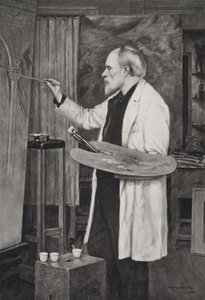
Edward Coley Burne-Jones
1833 - 1898 , Reino Unido
Breves datos
- Artistas Que Influyeron:
- Dante Gabriel Rossetti
- John Ruskin
- William Morris
- Fecha De Fallecimiento: 17 de junio de 1898
- Fecha De Nacimiento: 28 de agosto de 1833
- Influencia En Artistas:
- Arte decorativo británico
- Diseño de vidrieras
- Lugar De Nacimiento: Birmingham, Reino Unido
- Movimiento Artístico: Prerrafaelismo, Esteticismo
- Nacionalidad: Británico
- Nombre Completo: Edward Coley Burne-Jones
- Obras Notables:
- The Beguiling of Merlin
- El Sueño de Lancelot
- Tres figuras femeninas

