 Vista previa
 Compartir
 Compartir
 Ver detalles

 Descargar
 Ver similares
 Radiografía
 Presentación de diapositivas
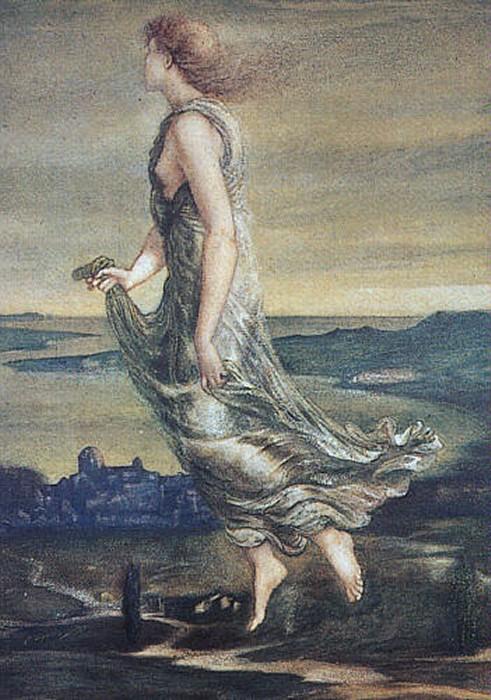
Evening Star


 Leer más
Reproducción al óleo hecha a mano
Óleo sobre lienzo pintado a mano en el tamaño y marco de su elección, realizado por encargo por nuestros artistas. ( Pedir impresión Comprar descarga)




P118B $10

P118H $10

P118W $10

P438Z $10

P508JH $12

P508YH $12

P805H $10

P805Z $10

P919BZ $10

P919G $10

P919XJ $10

P959ZH $10

P968JZ $12

W106C $8

W218G $10

W218JH $8

W218Y $10

W307PJ $10

W316G $10

W316PJ $8

W316Y $10

W398PJ $8

W4111J $10

W500HY $15

W500JH $15

W692G $12

W849H $8

W940BG $15

W953PJ $8




Elija entre nuestros tamaños predefinidos que respetan las proporciones originales de la obra.

Puede ingresar sus propias dimensiones para adaptarse a un marco o espacio específico. Si el tamaño seleccionado no coincide con las proporciones de la imagen original, recortaremos la obra o extenderemos la pintura con elementos adicionales pintados a mano. Se le enviará una maqueta digital para su aprobación antes de comenzar la producción.
Tenga en cuenta que la vista previa en pantalla no refleja el recorte o la extensión reales. Solo la maqueta mostrará con precisión la composición final.
Si bien existen tamaños personalizados, recomendamos seleccionar una dimensión de la lista predefinida para preservar las proporciones originales.
Tras realizar el pedido, el equipo de ArtsDot.com enviará un correo electrónico al cliente para solicitar instrucciones y proporcionarle una vista previa del boceto.
Envío a todo el mundo () en 3-4 semanas en lugar de las 5 semanas estándar. (20 agosto). Sin comprometer la calidad.

Envío exprés gratuito a todo el mundo

Lienzo de lino de alta calidad

Seguro de envío completo

Garantía de reembolso de aranceles aduaneros

Garantía de fidelidad cromática exacta

Política de devolución de 60 días (solo por defectos)

Garantía de devolución del 100% del dinero

Oferta por volumen
 La opción de vidrio solo está disponible en tamaños inferiores a 110 cm.

Evening Star
Técnica de reproducción
Tamaño de la reproducción
-


Precio total
$ 263
Descripción de la obra
A Nocturne of Dreams: Burne-Jones’s “Evening Star”
Edward Coley Burne-Jones's "Evening Star," painted in 1870, isn’t merely a landscape; it’s an immersion into a realm of ethereal beauty and profound contemplation. This captivating work, rendered in the rich, saturated hues characteristic of the Pre-Raphaelite movement, invites us to lose ourselves within its dreamlike atmosphere – a testament to Burne-Jones's mastery of color and his fascination with mythology and symbolism.
The scene unfolds beneath a twilight sky, dominated by a luminous crescent moon presiding over a tranquil body of water. A solitary figure, seemingly adrift in this serene expanse, gazes upwards, drawn into the celestial dance above. The composition is deliberately ambiguous; the figure’s posture suggests both melancholy and yearning, while the distant mountains hint at a world beyond the immediate scene. Burne-Jones skillfully employs atmospheric perspective – softening details in the background to create a sense of depth and distance – drawing the viewer's eye towards the central focal point: the moonlit waters reflecting the heavens.
Pre-Raphaelite Sensibilities & Mythological Echoes
Burne-Jones, deeply influenced by the Pre-Raphaelites’ rejection of academic art conventions and their reverence for medieval and Renaissance sources, infused “Evening Star” with a distinctly Romantic sensibility. The painting draws heavily on classical mythology, specifically referencing Hesperus, the Greek god of the evening star – Venus as she appears in the west. This connection elevates the scene beyond a simple depiction of nature, imbuing it with layers of symbolic meaning.
The solitary figure is often interpreted as representing humanity’s yearning for transcendence or spiritual enlightenment. The act of gazing upwards mirrors an aspiration to connect with something greater than oneself – a desire to understand one's place within the vastness of the cosmos. Burne-Jones frequently explored themes of love, loss, and mortality through allegorical figures and mythological narratives, and “Evening Star” is no exception.
Technique & Color as Poetry
Burne-Jones’s technique in "Evening Star" is characterized by a delicate balance between meticulous detail and atmospheric effect. He masterfully employed watercolor on paper, allowing for the fluidity of color and the subtle gradations of light and shadow that define the painting's ethereal quality. The artist’s use of color is particularly noteworthy – deep blues and greens dominate the sky and water, creating a sense of mystery and tranquility, while touches of gold and silver illuminate the moon and its reflection.
Burne-Jones was known for his painstaking attention to detail, evident in the rendering of the foliage, the ripples on the water’s surface, and the subtle nuances of light. However, he deliberately avoided overly sharp outlines or harsh contrasts, opting instead for a softer, more dreamlike approach that enhances the painting's overall mood.
A Legacy of Beauty & Contemplation
"Evening Star" stands as a poignant example of Burne-Jones’s artistic vision – a testament to his ability to capture both the beauty and the melancholy of the human condition. Its enduring appeal lies in its evocative atmosphere, its rich symbolism, and its technical mastery. Reproductions of this work continue to captivate viewers with their timeless elegance and profound emotional resonance, offering a glimpse into a world where art transcends mere representation and becomes a vehicle for spiritual contemplation.
Whether displayed as a centerpiece in a grand salon or cherished within the intimacy of a private study, “Evening Star” invites us to pause, reflect, and lose ourselves in its captivating beauty – a reminder that even in the darkest hours, there is always light to be found in the heavens above.
Obras relacionadas
Biografía del artista
Primeros años y educación
Edward Coley Burne-Jones, un renombrado artista y diseñador británico, nació el 28 de agosto de 1833 en Birmingham, Reino Unido. Su temprana vida estuvo marcada por la muerte de su madre, Elizabeth Coley Jones, seis días después de su nacimiento. Criado por su padre, Edward Richard Jones, y la ama de llaves familiar Ann Sampson, Burne-Jones asistió al King Edward VI Grammar School desde 1844 y posteriormente estudió en la Birmingham School of Art de 1848 a 1852.Trayectoria académica y la Hermandad
Burne-Jones cursó estudios de teología en Exeter College, Oxford, donde se hizo amigo de William Morris. Junto con un grupo de amigos de Birmingham, conocidos como "el círculo de Birmingham", formaron una sociedad íntima llamada "la Hermandad". Este período vio la influencia de John Ruskin y Tennyson en su trabajo, así como visitas a iglesias y la veneración de la Edad Media.Carrera artística y obras notables
La carrera artística de Burne-Jones floreció en varios medios, incluyendo pintura, vidrieras y artes decorativas. Sus primeras pinturas estuvieron influenciadas por Dante Gabriel Rossetti, pero pronto desarrolló su propio estilo único. Obras notables incluyen:- El engaño de Merlín, expuesta en la Grosvenor Gallery en 1877, marcando su ascenso como una estrella del movimiento estético.
- Obras de vidrieras que se exhiben en varias iglesias, como la Catedral de San Felipe, Birmingham, y la Iglesia de la Santísima Trinidad, Sloane Square, Chelsea.
- Colaboraciones con William Morris en artes decorativas, incluyendo diseños para Morris, Marshall, Faulkner & Co.
Vida personal y años posteriores
Burne-Jones se casó con Georgiana "Georgie" Macdonald en 1860, con quien tuvo tres hijos. Sus últimos años estuvieron marcados por un apasionado romance con su modelo griega Maria Zambaco, que terminó con el intento de suicidio de ella. A pesar de esto, Burne-Jones permaneció con su esposa hasta su fallecimiento el 17 de junio de 1898.Legado e influencia
Las contribuciones de Edward Coley Burne-Jones al movimiento prerrafaelita y sus innovadoras obras de vidrieras han dejado una huella indeleble en el arte británico. Su influencia se puede ver en varios aspectos de las artes decorativas, desde baldosas cerámicas hasta joyería.- Explore más obras de Burne-Jones en ArtsDot.com.
- Descubra la colección del Consejo Británico, con artistas notables, en las colecciones de arte de ArtsDot.
Referencias:
- wikipedia: edward burne-jones
- Wabot art assistant de ArtsDot para obtener información sobre arte y artistas.
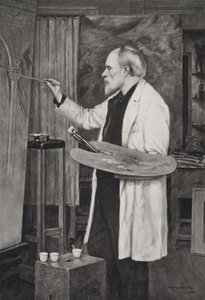
Edward Coley Burne-Jones
1833 - 1898 , Reino Unido
Datos clave
- Artistas Que Influyeron:
- Dante Gabriel Rossetti
- John Ruskin
- William Morris
- Fecha De Fallecimiento: 17 de junio de 1898
- Fecha De Nacimiento: 28 de agosto de 1833
- Influencia En Artistas:
- Arte decorativo británico
- Diseño de vidrieras
- Lugar De Nacimiento: Birmingham, Reino Unido
- Movimiento Artístico: Prerrafaelismo, Esteticismo
- Nacionalidad: Británico
- Nombre Completo: Edward Coley Burne-Jones
- Obras Notables:
- The Beguiling of Merlin
- El Sueño de Lancelot
- Tres figuras femeninas
Artículos relacionados
Dante Gabriel Rossetti: Las 25 Obras Maestras del Prerrafaelismo | ArtsDot
Descubre las 25 obras maestras de Dante Gabriel Rossetti, el máximo exponente del Prerrafaelismo. Explora su simbolismo, retratos victorianos y la belleza femenina en lienzos inolvidables. Reproducciones de arte exclusivas en ArtsDot.com.
Edward Burne-Jones: A Pre-Raphaelite Vision of Myth, Symbolism & Aesthetic Idealism
Discover the enchanting world of Edward Burne-Jones and the Pre-Raphaelite Brotherhood. Explore his mythical paintings, distinctive style, and lasting influence on Victorian art & the Aesthetic Movement. Expert analysis & high-quality reproductions at ArtsDot.
La Hermandad Prerrafaelita: Una Rebelión Estética y el Renacimiento Medieval en la Pintura Victoriana
Descubre la Hermandad Prerrafaelita: su rebelión contra el arte académico victoriano y su fascinante retorno a los maestros del Renacimiento. Análisis profundo, artistas clave y obras emblemáticas.
Sir John Everett Millais: Pre-Raphaelite Rebellion & Victorian Narrative Detail
Explore the revolutionary art of Sir John Everett Millais & the Pre-Raphaelite Brotherhood. Discover their radical realism, symbolic narratives, and lasting impact on Victorian aesthetics. A deep dive into 19th-century masterpieces.
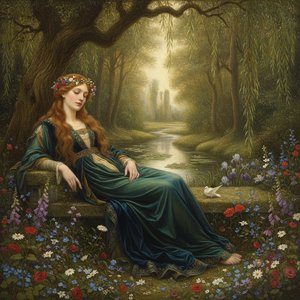
Escape into Beauty: A Curated Guide to the Dreamy World of Pre-Raphaelite Romanticism
Embark on a visual journey through Pre-Raphaelite Romanticism. Discover the vivid details, mythic narratives, and luminous colors of this iconic era, and learn how to bring this timeless, dreamy beauty into your home with museum-quality art reproductions.