

 Ver en contexto
 Enviar
 Compartir
 Detalles

 Descargar
 Similares
 Radiografía
 Presentación de diapositivas
 Estadísticas
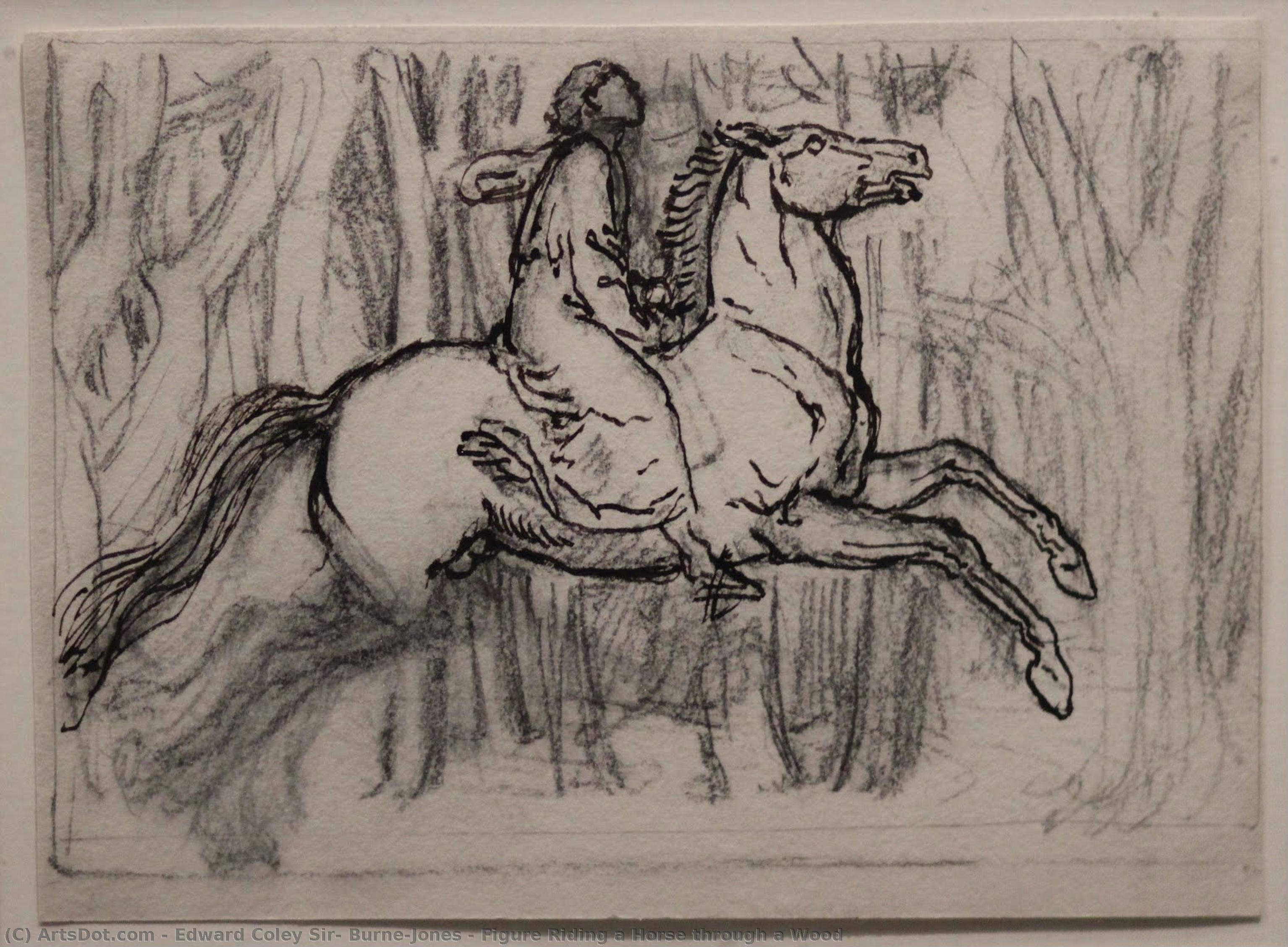
Figure Riding a Horse through a Wood
 Oil On Paper
- Pre-Raphaelite
 1865
1865- 19th Century
 11.0 x 16.0 cm
 Galería William Morris
 Ver más
Adquiera una imagen digital de alta resolución y optimizada, muy superior a la vista previa en línea.
Cada archivo es preparado meticulosamente por nuestros especialistas internos mediante el uso de herramientas avanzadas y un experto retoque manual. Nos aseguramos de que cada imagen posea una claridad excepcional, una precisión cromática impecable y un detalle minucioso.
El archivo final se entrega por correo electrónico en un plazo de 72 horas, optimizado para su uso inmediato en entornos profesionales, editoriales y de impresión. Esta es la misma calidad en la que confían los estudios de diseño, las editoriales y las galerías de primer nivel.
Imagen Digital
Descarga un archivo de alta resolución para exhibición personal, impresión y proyectos creativos. ( Cambiar a Impresión Comprar pintura hecha a mano)
Incluido en cada pedido de imágenes digitales
Entrega digital experta, garantizada.
Al elegir ArtsDot.com, no solo está adquiriendo una imagen; está recibiendo una obra de arte digital mejorada profesionalmente, elaborada con precisión y respaldada por una garantía de satisfacción. Esto es todo lo que incluye su pedido, automáticamente:

Entrega rápida por email
Recibirá su archivo de imagen digital en alta resolución por correo electrónico en un plazo de 72 horas tras realizar su pedido, listo para su uso inmediato.

Archivo digital optimizado por IA
Su obra de arte se optimiza profesionalmente mediante herramientas avanzadas de IA y edición manual, garantizando el máximo detalle, claridad y precisión cromática.

Reenvío gratuito de por vida
¿Has borrado o perdido tu archivo por error? No te preocupes: te lo volveremos a enviar en cualquier momento, sin coste adicional.

Sin gastos de importación, siempre
Disfrute de su obra de arte al instante sin aduanas, aranceles ni gastos de envío; las descargas digitales siempre están libres de impuestos.

Garantía de fidelidad de color
Garantizamos que su imagen digital refleje los colores originales con la mayor fidelidad posible, mediante el uso de herramientas profesionales y gestión del color.

Garantía de satisfacción de 100 días
Si no está satisfecho con su imagen digital, la revisaremos o le reembolsaremos el 100% en un plazo de 100 días, sin preguntas.

100% Garantía de devolución de dinero
¿No está satisfecho? Obtenga un reembolso completo dentro de los 100 días posteriores a la recepción de su archivo digital, sin preguntas.

Descuentos por pedidos grandes
Compra 3 imágenes, ahorra 10% - Compra 5, ahorra 15% - Compra 10+, ahorra 20%. Ideal para proyectos creativos, galerías y agencias.
The Enigmatic Rider: Burne-Jones’s “Figure Riding a Horse Through a Wood”
Sir Edward Coley Burne-Jones's "Figure Riding a Horse Through a Wood," created around 1865, is more than just a depiction of a man and his steed; it’s a carefully constructed tableau brimming with Pre-Raphaelite symbolism and Victorian romanticism. The drawing, rendered in meticulous pencil and ink on paper, captures a fleeting moment within a densely wooded scene – a visual poem hinting at narrative depth and psychological resonance. The image immediately draws the eye to the central figure, a gentleman clad in formal attire, seated confidently atop a powerful horse. His posture exudes both authority and a quiet contemplation, suggesting he’s not merely riding but perhaps surveying his domain or embarking on a significant journey. The horse itself is depicted with remarkable detail, its musculature and movement rendered with an almost palpable sense of power and grace. Burne-Jones's skill lies in his ability to imbue the scene with atmosphere – the dappled light filtering through the trees creates a sense of mystery and seclusion, while the dense foliage hints at both beauty and potential danger.A Pre-Raphaelite Vision: Symbolism and Narrative
As a key figure within the Pre-Raphaelite Brotherhood, Burne-Jones’s work is deeply rooted in medieval legend and literary tradition. “Figure Riding a Horse Through a Wood” likely served as an illustration for *The Hill of Venus*, a verse from William Morris's epic poem *The Earthly Paradise*. This connection immediately elevates the image beyond a simple landscape study, imbuing it with mythological significance. The rider’s attire – the suit and restrained hand gestures – suggests a noble or perhaps even a courtier, while the horse represents strength, virility, and dominion. The inclusion of two birds, one near the top right corner and another closer to the center-left, adds layers of symbolic interpretation. Birds are frequently associated with messengers, prophecy, and spiritual insight, suggesting that the rider’s journey holds a deeper meaning beyond the surface narrative. The very act of riding through a wood itself carries rich symbolism – representing transition, exploration, and the confrontation with the unknown.Technique and Detail: A Master's Hand
Burne-Jones was renowned for his painstaking attention to detail and his mastery of line drawing. The image is characterized by an incredibly fine level of execution; every leaf, branch, and fold in the rider’s clothing is rendered with remarkable precision. This meticulous approach wasn’t merely a technical exercise but a deliberate strategy to create a sense of realism and depth – inviting the viewer to lose themselves within the scene. The use of pencil allows for subtle gradations of tone and texture, capturing the play of light and shadow with exquisite sensitivity. Notice how Burne-Jones uses hatching and cross-hatching to build up volume and form, particularly in the horse’s musculature and the rider's garments. This technique not only enhances the visual realism but also contributes to the overall sense of atmosphere and mood.Historical Context: Victorian Aesthetics and Artistic Circles
To fully appreciate “Figure Riding a Horse Through a Wood,” it’s essential to understand the broader context in which Burne-Jones worked – the vibrant artistic circles of late 19th-century England. The Pre-Raphaelite Brotherhood, founded in 1848, rejected the academic conventions of the Royal Academy and sought inspiration from medieval art and literature. They championed a return to naturalism, symbolism, and emotional intensity. Burne-Jones’s collaboration with William Morris at Morris, Marshall, Faulkner & Co., designing decorative arts for the burgeoning Arts and Crafts movement, further solidified his position as a leading figure in this artistic revolution. His work reflects both the romantic ideals of the Pre-Raphaelites and the practical concerns of Victorian society – a blend of beauty, craftsmanship, and social commentary.A Timeless Appeal: Emotional Resonance and Artistic Legacy
“Figure Riding a Horse Through a Wood” transcends its historical context to offer a timeless appeal. The image evokes a sense of quiet contemplation, adventure, and perhaps even melancholy. The rider’s enigmatic expression invites the viewer to project their own interpretations onto the scene – prompting questions about his destination, his motivations, and the nature of his journey. Burne-Jones's masterful use of light, shadow, and symbolism creates an atmosphere that is both captivating and profoundly moving. It remains a powerful testament to the artist’s skill, vision, and enduring legacy within the world of art.Obras relacionadas
Biografía del artista
Primeros años y educación
Edward Coley Burne-Jones, un renombrado artista y diseñador británico, nació el 28 de agosto de 1833 en Birmingham, Reino Unido. Su temprana vida estuvo marcada por la muerte de su madre, Elizabeth Coley Jones, seis días después de su nacimiento. Criado por su padre, Edward Richard Jones, y la ama de llaves familiar Ann Sampson, Burne-Jones asistió al King Edward VI Grammar School desde 1844 y posteriormente estudió en la Birmingham School of Art de 1848 a 1852.Trayectoria académica y la Hermandad
Burne-Jones cursó estudios de teología en Exeter College, Oxford, donde se hizo amigo de William Morris. Junto con un grupo de amigos de Birmingham, conocidos como "el círculo de Birmingham", formaron una sociedad íntima llamada "la Hermandad". Este período vio la influencia de John Ruskin y Tennyson en su trabajo, así como visitas a iglesias y la veneración de la Edad Media.Carrera artística y obras notables
La carrera artística de Burne-Jones floreció en varios medios, incluyendo pintura, vidrieras y artes decorativas. Sus primeras pinturas estuvieron influenciadas por Dante Gabriel Rossetti, pero pronto desarrolló su propio estilo único. Obras notables incluyen:- El engaño de Merlín, expuesta en la Grosvenor Gallery en 1877, marcando su ascenso como una estrella del movimiento estético.
- Obras de vidrieras que se exhiben en varias iglesias, como la Catedral de San Felipe, Birmingham, y la Iglesia de la Santísima Trinidad, Sloane Square, Chelsea.
- Colaboraciones con William Morris en artes decorativas, incluyendo diseños para Morris, Marshall, Faulkner & Co.
Vida personal y años posteriores
Burne-Jones se casó con Georgiana "Georgie" Macdonald en 1860, con quien tuvo tres hijos. Sus últimos años estuvieron marcados por un apasionado romance con su modelo griega Maria Zambaco, que terminó con el intento de suicidio de ella. A pesar de esto, Burne-Jones permaneció con su esposa hasta su fallecimiento el 17 de junio de 1898.Legado e influencia
Las contribuciones de Edward Coley Burne-Jones al movimiento prerrafaelita y sus innovadoras obras de vidrieras han dejado una huella indeleble en el arte británico. Su influencia se puede ver en varios aspectos de las artes decorativas, desde baldosas cerámicas hasta joyería.- Explore más obras de Burne-Jones en ArtsDot.com.
- Descubra la colección del Consejo Británico, con artistas notables, en las colecciones de arte de ArtsDot.
Referencias:
- wikipedia: edward burne-jones
- Wabot art assistant de ArtsDot para obtener información sobre arte y artistas.
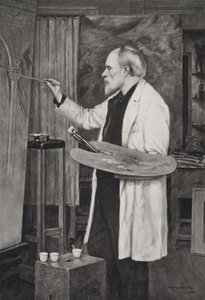
Edward Coley Burne-Jones
1833 - 1898 , Reino Unido
Breves datos
- Artistas Que Influyeron:
- Dante Gabriel Rossetti
- John Ruskin
- William Morris
- Fecha De Fallecimiento: 17 de junio de 1898
- Fecha De Nacimiento: 28 de agosto de 1833
- Influencia En Artistas:
- Arte decorativo británico
- Diseño de vidrieras
- Lugar De Nacimiento: Birmingham, Reino Unido
- Movimiento Artístico: Prerrafaelismo, Esteticismo
- Nacionalidad: Británico
- Nombre Completo: Edward Coley Burne-Jones
- Obras Notables:
- The Beguiling of Merlin
- El Sueño de Lancelot
- Tres figuras femeninas