 Vista previa
 Compartir
 Compartir
 Ver detalles

 Descargar
 Ver similares
 Radiografía
 Presentación de diapositivas
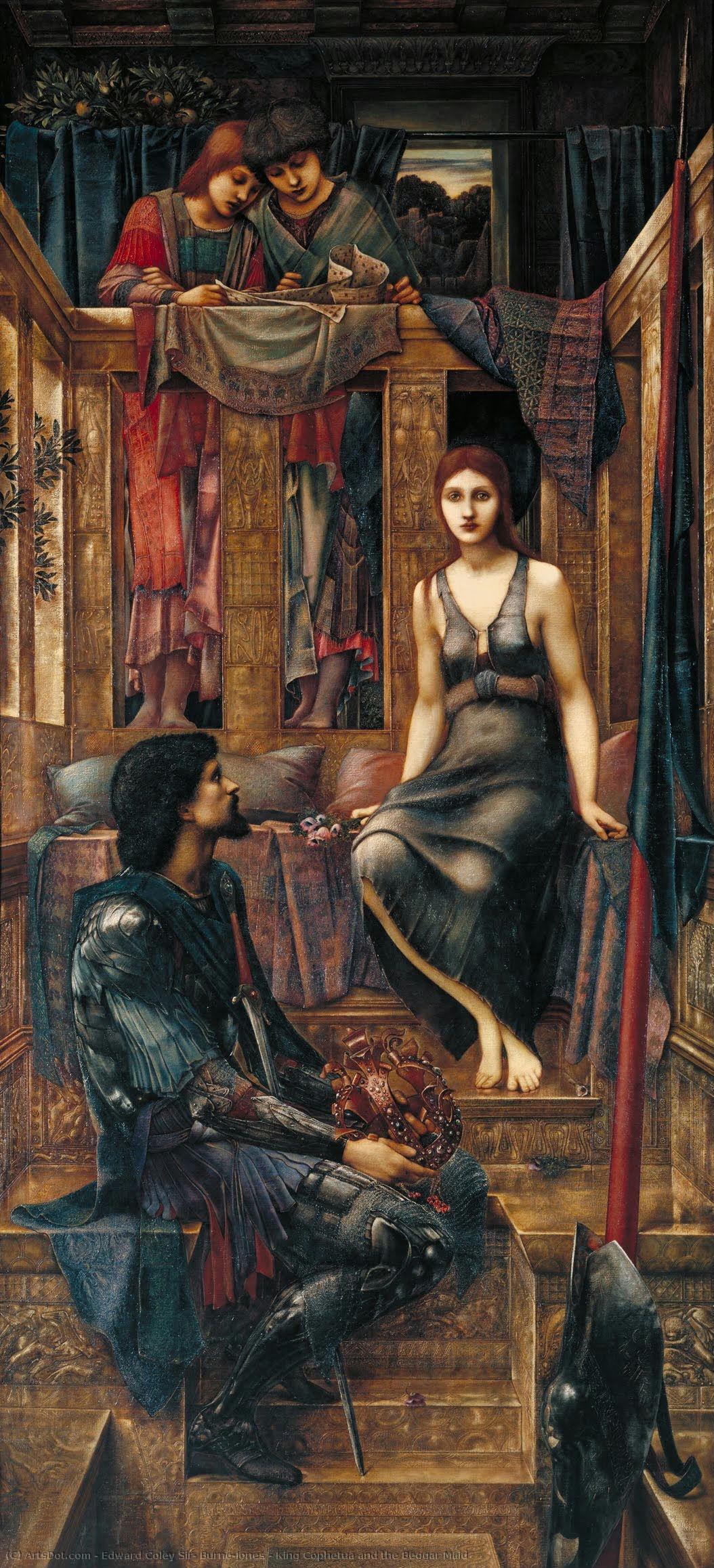
King Cophetua and the Beggar Maid
 Oil On Canvas
- WallArt
- Pre-Raphaelite Brotherhood
 1884
1884- 19th Century
 135.0 x 293.0 cm
 Tate Britain
 Leer más
Giclée / Impresión de arte
Impresiones giclée o en lienzo de calidad de museo con producción rápida y opciones de acabado flexibles. ( Encargar reproducción pintada a mano Comprar descarga)




P118B $10

P118H $10

P118W $10

P438Z $10

P508JH $12

P508YH $12

P805H $10

P805Z $10

P919BZ $10

P919G $10

P919XJ $10

P959ZH $10

P968JZ $12

W106C $8

W218G $10

W218JH $8

W218Y $10

W307PJ $10

W316G $10

W316PJ $8

W316Y $10

W398PJ $8

W4111J $10

W500HY $15

W500JH $15

W692G $12

W849H $8

W940BG $15

W953PJ $8




Elija entre nuestros tamaños predefinidos que respetan las proporciones originales de la obra.

Puede introducir sus propias dimensiones para adaptarse a un marco o espacio específico. Si el tamaño seleccionado no coincide con las proporciones de la imagen original, recortaremos la obra de arte o extenderemos la imagen con un borde con efecto espejo o de color sólido. Se enviará una maqueta digital para su aprobación antes de que comience la producción.
Tenga en cuenta que la vista previa en pantalla no refleja el recorte o la extensión real. Solo la maqueta mostrará con precisión la composición final.
Aunque existen tamaños personalizados, recomendamos seleccionar una dimensión de la lista predefinida para preservar las proporciones originales.
Envío a todo el mundo () en 2 semanas en lugar de las 4/5 semanas estándar. (22 agosto)

Envío exprés gratuito a todo el mundo

Lienzo de lino de alta calidad

Seguro de envío completo

Garantía de reembolso de aranceles aduaneros

Garantía de fidelidad cromática exacta

Política de devolución de 60 días (solo por defectos)

Garantía de devolución del 100% del dinero

Oferta por volumen
 La opción de vidrio solo está disponible en tamaños inferiores a 110 cm.

King Cophetua and the Beggar Maid
Giclée / Impresión de arte
Tamaño de la reproducción
-


Precio total
$ 62
Descripción de la pieza
A Vision of Transcendent Love
In the grand tapestry of the Pre-Raphaelite movement, few works capture the ethereal intersection of myth and human emotion as profoundly as Edward Coley Burne-Jones’s "King Cophetua and the Beggar Maid." Completed in 1884, this masterpiece serves as a visual symphony, translating the poetic soul of Alfred Tennyson into a tangible, breathtaking reality. The painting does not merely depict a meeting between two individuals; it captures a moment of cosmic realignment where the rigid hierarchies of the Victorian era dissolve under the weight of genuine spiritual connection. As the eye wanders through the scene, one is immediately struck by the deliberate juxtaposition of the regal and the destitute, a narrative choice that elevates the work from a simple historical tableau to a timeless meditation on the transformative power of love.
The composition invites the viewer into an intimate, almost sacred space. At its heart lies the encounter between the powerful King Cophetua and the humble beggar woman, a pairing that defies the social stratifications of their time. Burne-Jones utilizes the setting—a room rich with the textures of antiquity—to ground this mythical event in a sense of palpable reality. The presence of onlookers, subtle details like the delicate placement of birds, and the atmospheric arrangement of furniture all serve to frame the central protagonists, creating a sense of a world caught in a breathless pause. For the discerning collector or interior designer, this piece offers more than just aesthetic beauty; it provides a focal point of profound narrative depth that can anchor a room with both grandeur and intimacy.
Technical Mastery and Aesthetic Splendor
To behold this work is to witness the technical brilliance of a master who could weave light and color into a dreamlike state. Burne-Jones employed oil on canvas with a meticulousness that honors the medieval traditions he so admired, yet he infused the piece with a luminous quality that hints at the burgeoning Impressionistic influences of his era. The artist’s palette is a sophisticated study in contrast; rich golds, deep crimsons, and regal blues define the opulent surroundings of the court, while more muted, earthy tones are used to reflect the simplicity and hardship of the beggar woman's life. This careful manipulation of pigment does more than just describe clothing or setting—it communicates the emotional weight of the characters' respective worlds.
The texture of the painting is equally captivating, with layered brushwork that creates a sense of tactile richness. One can almost feel the heavy weight of the royal drapery and the coarse simplicity of the maiden’s garments. This attention to detail ensures that every inch of the canvas contributes to the overall atmosphere of enchantment. For those seeking to incorporate high-quality reproductions into a curated space, the visual complexity of this piece offers endless layers of discovery. It is an artwork that rewards prolonged contemplation, making it an ideal selection for those who value art that speaks to both the intellect and the senses.
A Legacy of Symbolism and Soul
Beyond its surface beauty, "King Cophetua and the Beggar Maid" is steeped in a symbolic language that resonates with the anxieties and ideals of the late 19th century. During a period marked by rapid industrialization and shifting social mores, Burne-Jones looked backward to the legends of Camelot and the romanticism of the past to find a sense of moral clarity. The painting acts as a rejection of superficial status, suggesting that true nobility is found in the spirit rather than in one's station. This theme of transcending boundaries makes the work eternally relevant, offering a sense of hope and spiritual continuity that transcends its historical origins.
Integrating a reproduction of this magnitude into a modern interior allows for a dialogue between history and contemporary design. It brings an element of storytelling into the home, transforming a living space into a gallery of thought and emotion. Whether placed in a formal study or as a centerpiece in a grand hall, Burne-Jones’s vision remains an enduring testament to the idea that beauty, much like love, has the power to bridge even the widest of divides.
Obras relacionadas
Biografía del artista
Primeros años y educación
Edward Coley Burne-Jones, un renombrado artista y diseñador británico, nació el 28 de agosto de 1833 en Birmingham, Reino Unido. Su temprana vida estuvo marcada por la muerte de su madre, Elizabeth Coley Jones, seis días después de su nacimiento. Criado por su padre, Edward Richard Jones, y la ama de llaves familiar Ann Sampson, Burne-Jones asistió al King Edward VI Grammar School desde 1844 y posteriormente estudió en la Birmingham School of Art de 1848 a 1852.Trayectoria académica y la Hermandad
Burne-Jones cursó estudios de teología en Exeter College, Oxford, donde se hizo amigo de William Morris. Junto con un grupo de amigos de Birmingham, conocidos como "el círculo de Birmingham", formaron una sociedad íntima llamada "la Hermandad". Este período vio la influencia de John Ruskin y Tennyson en su trabajo, así como visitas a iglesias y la veneración de la Edad Media.Carrera artística y obras notables
La carrera artística de Burne-Jones floreció en varios medios, incluyendo pintura, vidrieras y artes decorativas. Sus primeras pinturas estuvieron influenciadas por Dante Gabriel Rossetti, pero pronto desarrolló su propio estilo único. Obras notables incluyen:- El engaño de Merlín, expuesta en la Grosvenor Gallery en 1877, marcando su ascenso como una estrella del movimiento estético.
- Obras de vidrieras que se exhiben en varias iglesias, como la Catedral de San Felipe, Birmingham, y la Iglesia de la Santísima Trinidad, Sloane Square, Chelsea.
- Colaboraciones con William Morris en artes decorativas, incluyendo diseños para Morris, Marshall, Faulkner & Co.
Vida personal y años posteriores
Burne-Jones se casó con Georgiana "Georgie" Macdonald en 1860, con quien tuvo tres hijos. Sus últimos años estuvieron marcados por un apasionado romance con su modelo griega Maria Zambaco, que terminó con el intento de suicidio de ella. A pesar de esto, Burne-Jones permaneció con su esposa hasta su fallecimiento el 17 de junio de 1898.Legado e influencia
Las contribuciones de Edward Coley Burne-Jones al movimiento prerrafaelita y sus innovadoras obras de vidrieras han dejado una huella indeleble en el arte británico. Su influencia se puede ver en varios aspectos de las artes decorativas, desde baldosas cerámicas hasta joyería.- Explore más obras de Burne-Jones en ArtsDot.com.
- Descubra la colección del Consejo Británico, con artistas notables, en las colecciones de arte de ArtsDot.
Referencias:
- wikipedia: edward burne-jones
- Wabot art assistant de ArtsDot para obtener información sobre arte y artistas.
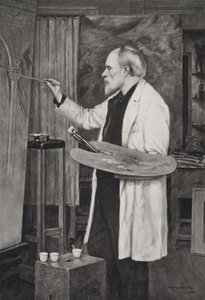
Edward Coley Burne-Jones
1833 - 1898 , Reino Unido
Datos clave
- Artistas Que Influyeron:
- Dante Gabriel Rossetti
- John Ruskin
- William Morris
- Fecha De Fallecimiento: 17 de junio de 1898
- Fecha De Nacimiento: 28 de agosto de 1833
- Influencia En Artistas:
- Arte decorativo británico
- Diseño de vidrieras
- Lugar De Nacimiento: Birmingham, Reino Unido
- Movimiento Artístico: Prerrafaelismo, Esteticismo
- Nacionalidad: Británico
- Nombre Completo: Edward Coley Burne-Jones
- Obras Notables:
- The Beguiling of Merlin
- El Sueño de Lancelot
- Tres figuras femeninas
Artículos relacionados
Dante Gabriel Rossetti: Las 25 Obras Maestras del Prerrafaelismo | ArtsDot
Descubre las 25 obras maestras de Dante Gabriel Rossetti, el máximo exponente del Prerrafaelismo. Explora su simbolismo, retratos victorianos y la belleza femenina en lienzos inolvidables. Reproducciones de arte exclusivas en ArtsDot.com.
Edward Burne-Jones: A Pre-Raphaelite Vision of Myth, Symbolism & Aesthetic Idealism
Discover the enchanting world of Edward Burne-Jones and the Pre-Raphaelite Brotherhood. Explore his mythical paintings, distinctive style, and lasting influence on Victorian art & the Aesthetic Movement. Expert analysis & high-quality reproductions at ArtsDot.
La Hermandad Prerrafaelita: Una Rebelión Estética y el Renacimiento Medieval en la Pintura Victoriana
Descubre la Hermandad Prerrafaelita: su rebelión contra el arte académico victoriano y su fascinante retorno a los maestros del Renacimiento. Análisis profundo, artistas clave y obras emblemáticas.
Sir John Everett Millais: Pre-Raphaelite Rebellion & Victorian Narrative Detail
Explore the revolutionary art of Sir John Everett Millais & the Pre-Raphaelite Brotherhood. Discover their radical realism, symbolic narratives, and lasting impact on Victorian aesthetics. A deep dive into 19th-century masterpieces.

The Verdant Gaze: Victorian Naturalism & the Aesthetic Revolution in Art
Explore the captivating world of Victorian Naturalism & the Pre-Raphaelite movement! Discover Rossetti, Burne-Jones & more iconic artists. Expert analysis & high-quality reproductions at ArtsDot.