

 Ver en contexto
 Enviar
 Compartir
 Detalles

 Descargar
 Similares
 Radiografía
 Presentación de diapositivas
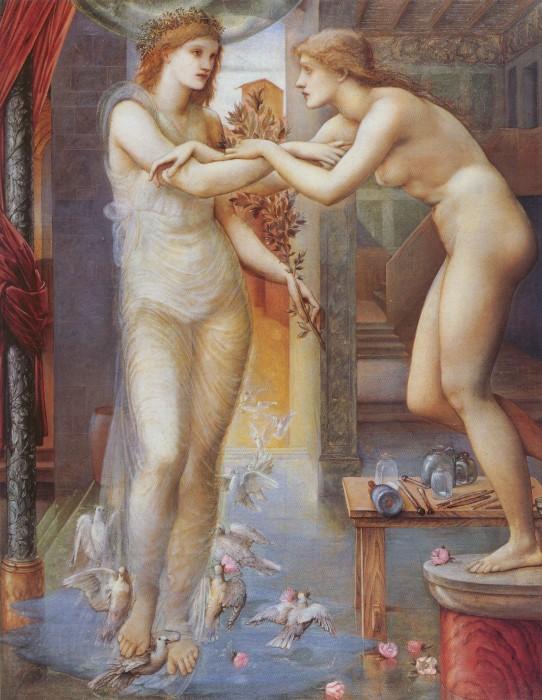
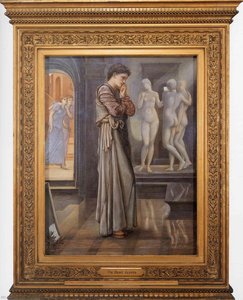
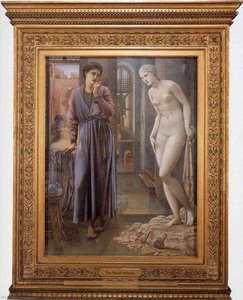
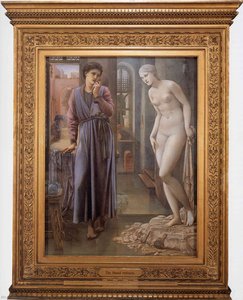
Pygmalion and the Image III: The Godhead Fires


 Ver más
Adquiera una imagen digital de alta resolución y optimizada, muy superior a la vista previa en línea.
Cada archivo es preparado meticulosamente por nuestros especialistas internos mediante el uso de herramientas avanzadas y un experto retoque manual. Nos aseguramos de que cada imagen posea una claridad excepcional, una precisión cromática impecable y un detalle minucioso.
El archivo final se entrega por correo electrónico en un plazo de 72 horas, optimizado para su uso inmediato en entornos profesionales, editoriales y de impresión. Esta es la misma calidad en la que confían los estudios de diseño, las editoriales y las galerías de primer nivel.
Imagen Digital
Descarga un archivo de alta resolución para exhibición personal, impresión y proyectos creativos. ( Comprar impresión Comprar pintura hecha a mano)
Incluido en cada pedido de imágenes digitales
Entrega digital experta, garantizada.
Al elegir ArtsDot.com, no solo está adquiriendo una imagen; está recibiendo una obra de arte digital mejorada profesionalmente, elaborada con precisión y respaldada por una garantía de satisfacción. Esto es todo lo que incluye su pedido, automáticamente:

Entrega rápida por email
Recibirá su archivo de imagen digital en alta resolución por correo electrónico en un plazo de 72 horas tras realizar su pedido, listo para su uso inmediato.

Archivo digital optimizado por IA
Su obra de arte se optimiza profesionalmente mediante herramientas avanzadas de IA y edición manual, garantizando el máximo detalle, claridad y precisión cromática.

Reenvío gratuito de por vida
¿Has borrado o perdido tu archivo por error? No te preocupes: te lo volveremos a enviar en cualquier momento, sin coste adicional.

Sin gastos de importación, siempre
Disfrute de su obra de arte al instante sin aduanas, aranceles ni gastos de envío; las descargas digitales siempre están libres de impuestos.

Garantía de fidelidad de color
Garantizamos que su imagen digital refleje los colores originales con la mayor fidelidad posible, mediante el uso de herramientas profesionales y gestión del color.

Garantía de satisfacción de 60 días
Si no está satisfecho con su imagen digital, la revisaremos o le reembolsaremos el 100% en un plazo de 60 días, sin preguntas.

100% Garantía de devolución de dinero
¿No está satisfecho? Obtenga un reembolso completo dentro de los 60 días posteriores a la recepción de su archivo digital, sin necesidad de explicaciones.

Descuentos por pedidos grandes
Compra 3 imágenes, ahorra 10% - Compra 5, ahorra 15% - Compra 10+, ahorra 20%. Ideal para proyectos creativos, galerías y agencias.
Descripción del coleccionable
A Dream Woven in Color: Exploring Pygmalion and the Image III
Edward Coley Burne-Jones’ “Pygmalion and the Image III: The Godhead Fires” stands as a cornerstone of Pre-Raphaelite art, capturing not merely a mythological tale but an embodiment of Romantic idealism—love, beauty, and transformative power. Painted between 1868 and 1870 during the height of the movement’s fervor, this monumental oil on canvas transcends mere visual representation; it's a deliberate orchestration of color, texture, and symbolism designed to evoke profound emotion in the viewer.The Myth Revisited: Narrative and Composition
The painting recounts the timeless myth of Pygmalion—a sculptor who falls passionately enamored with his own statue, Galatea. Burne-Jones meticulously portrays this narrative through a carefully constructed composition. Two women dominate the scene: Galatea, poised gracefully on her pedestal, radiates serene beauty; beside her stands Eliza, representing earthly devotion and anticipation. The positioning of these figures isn’t accidental—it underscores the central theme of creation and divine intervention. Burne-Jones skillfully utilizes pyramidal structure to draw the eye upwards, emphasizing Galatea's ethereal presence and hinting at the transcendent force animating the sculpture. Birds circling overhead serve as visual metaphors for aspiration and spiritual renewal, mirroring the transformative process unfolding before our eyes.Technique and Artistic Style: Pre-Raphaelite Mastery
Burne-Jones’ technique exemplifies the Pre-Raphaelite commitment to meticulous detail and luminous color palettes. He employs glazing—a layering of translucent oil paint—to achieve unparalleled depth and vibrancy, capturing the subtle nuances of light and shadow with breathtaking accuracy. The rich hues—particularly reds and golds—are deliberately chosen to convey warmth, passion, and divine grace. Burne-Jones’ artistic style draws heavily from medieval iconography and decorative arts, reflecting Morris's influence on him. He meticulously recreates architectural elements reminiscent of Gothic churches, grounding the fantastical narrative in tangible reality. This stylistic choice speaks to a broader yearning for spiritual contemplation and an appreciation for timeless beauty—values deeply ingrained within Victorian society.Symbolism: Layers of Meaning Beyond the Surface
“Pygmalion and the Image III” is replete with symbolic imagery that elevates it beyond a simple retelling of myth. The statue itself represents idealized femininity, embodying purity and grace – qualities prized by Pre-Raphaelite artists. Eliza’s gaze towards Galatea symbolizes unwavering faith and devotion—a testament to the enduring power of human emotion. Furthermore, the presence of birds signifies hope and divine blessing; they are not merely decorative elements but active participants in the narrative's spiritual dimension. Burne-Jones skillfully integrates these symbols into a harmonious visual language that communicates profound ideas about creation, love, and redemption.Legacy and Emotional Impact: A Timeless Vision
Burne-Jones’ masterpiece continues to resonate with audiences today because it captures something fundamental about the human condition—the desire for beauty, the yearning for transcendence, and the transformative potential of love. Its luminous colors and intricate detail invite contemplation, transporting viewers back to a moment steeped in Romantic idealism. The Birmingham Museum and Art Gallery houses an exemplary rendition of this iconic work, allowing visitors to experience firsthand the enduring power of Burne-Jones’ artistic vision. For those seeking inspiration or considering acquiring a high-quality reproduction, exploring “Pygmalion and the Image III” offers a journey into the heart of Pre-Raphaelite art—a celebration of beauty and imagination that transcends time itself.- For more information on Burne-Jones’ artistic style and influences:
- Explore Claude Monet's Impressionistic techniques:
Obras relacionadas
Biografía del artista
Primeros años y educación
Edward Coley Burne-Jones, un renombrado artista y diseñador británico, nació el 28 de agosto de 1833 en Birmingham, Reino Unido. Su temprana vida estuvo marcada por la muerte de su madre, Elizabeth Coley Jones, seis días después de su nacimiento. Criado por su padre, Edward Richard Jones, y la ama de llaves familiar Ann Sampson, Burne-Jones asistió al King Edward VI Grammar School desde 1844 y posteriormente estudió en la Birmingham School of Art de 1848 a 1852.Trayectoria académica y la Hermandad
Burne-Jones cursó estudios de teología en Exeter College, Oxford, donde se hizo amigo de William Morris. Junto con un grupo de amigos de Birmingham, conocidos como "el círculo de Birmingham", formaron una sociedad íntima llamada "la Hermandad". Este período vio la influencia de John Ruskin y Tennyson en su trabajo, así como visitas a iglesias y la veneración de la Edad Media.Carrera artística y obras notables
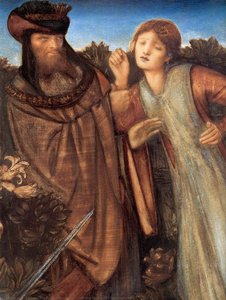
La carrera artística de Burne-Jones floreció en varios medios, incluyendo pintura, vidrieras y artes decorativas. Sus primeras pinturas estuvieron influenciadas por Dante Gabriel Rossetti, pero pronto desarrolló su propio estilo único. Obras notables incluyen:- El engaño de Merlín, expuesta en la Grosvenor Gallery en 1877, marcando su ascenso como una estrella del movimiento estético.
- Obras de vidrieras que se exhiben en varias iglesias, como la Catedral de San Felipe, Birmingham, y la Iglesia de la Santísima Trinidad, Sloane Square, Chelsea.
- Colaboraciones con William Morris en artes decorativas, incluyendo diseños para Morris, Marshall, Faulkner & Co.
Vida personal y años posteriores
Burne-Jones se casó con Georgiana "Georgie" Macdonald en 1860, con quien tuvo tres hijos. Sus últimos años estuvieron marcados por un apasionado romance con su modelo griega Maria Zambaco, que terminó con el intento de suicidio de ella. A pesar de esto, Burne-Jones permaneció con su esposa hasta su fallecimiento el 17 de junio de 1898.Legado e influencia
Las contribuciones de Edward Coley Burne-Jones al movimiento prerrafaelita y sus innovadoras obras de vidrieras han dejado una huella indeleble en el arte británico. Su influencia se puede ver en varios aspectos de las artes decorativas, desde baldosas cerámicas hasta joyería.- Explore más obras de Burne-Jones en ArtsDot.com.
- Descubra la colección del Consejo Británico, con artistas notables, en las colecciones de arte de ArtsDot.
Referencias:
- wikipedia: edward burne-jones
- Wabot art assistant de ArtsDot para obtener información sobre arte y artistas.
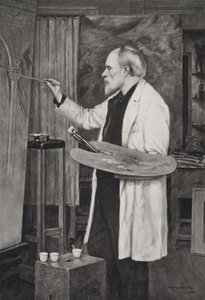
Edward Coley Burne-Jones
1833 - 1898 , Reino Unido
Breves datos
- Artistas Que Influyeron:
- Dante Gabriel Rossetti
- John Ruskin
- William Morris
- Fecha De Fallecimiento: 17 de junio de 1898
- Fecha De Nacimiento: 28 de agosto de 1833
- Influencia En Artistas:
- Arte decorativo británico
- Diseño de vidrieras
- Lugar De Nacimiento: Birmingham, Reino Unido
- Movimiento Artístico: Prerrafaelismo, Esteticismo
- Nacionalidad: Británico
- Nombre Completo: Edward Coley Burne-Jones
- Obras Notables:
- The Beguiling of Merlin
- El Sueño de Lancelot
- Tres figuras femeninas

