 Ver en contexto
 Enviar
 Compartir
 Detalles

 Descargar
 Similares
 Radiografía
 Presentación de diapositivas
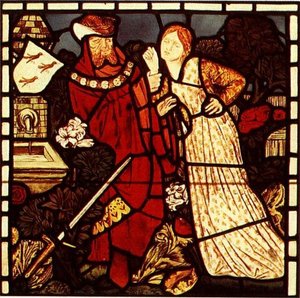
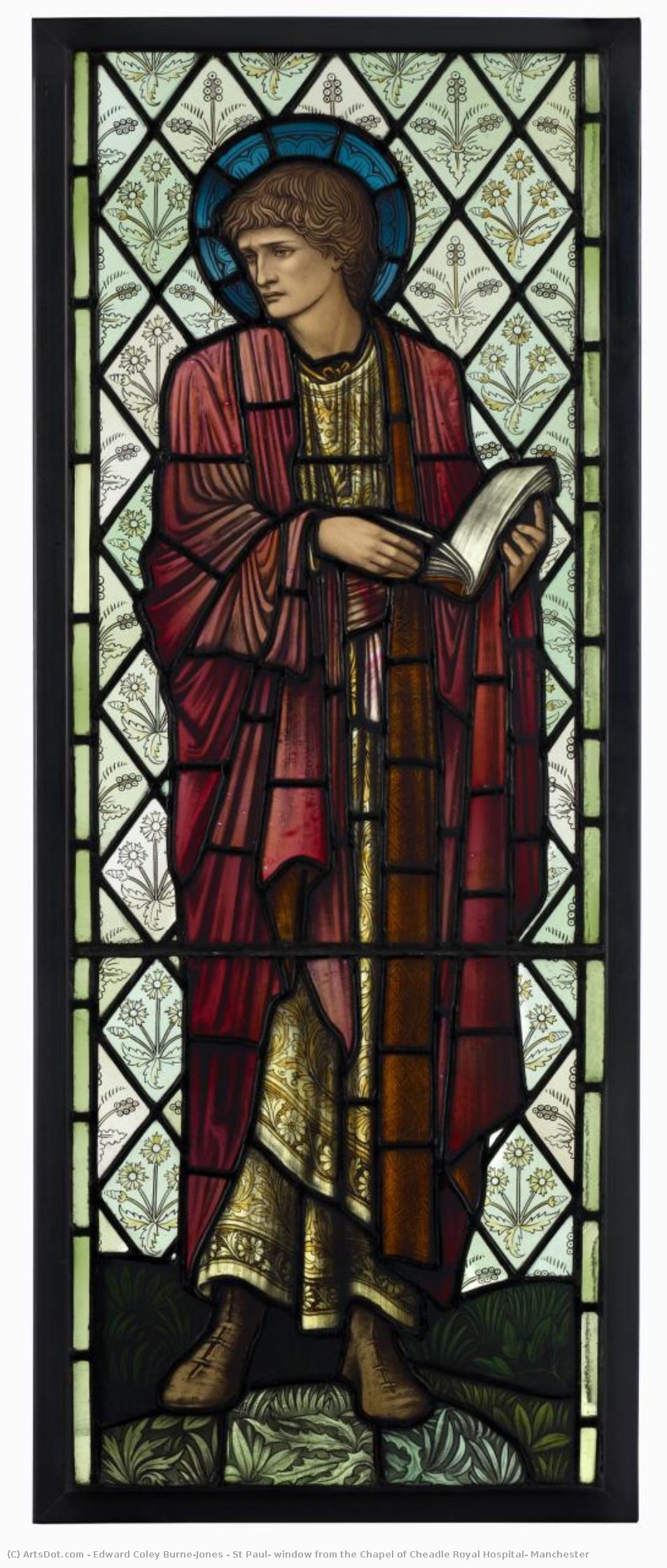
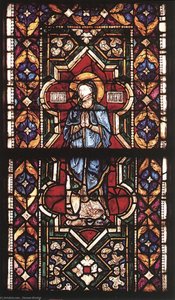
St Paul, window from the Chapel of Cheadle Royal Hospital, Manchester
 Acrylic On Canvas
- WallArt
- Pre-Raphaelite Brotherhood
 1892
1892 122.0 x 45.0 cm
 Galería Nacional de Victoria
 Ver más
Reproducción al óleo hecha a mano
Óleo sobre lienzo pintado a mano en el tamaño y marco de su elección, realizado por encargo por nuestros artistas. ( Comprar impresión Comprar imagen)




P118B $10

P118H $10

P118W $10

P438Z $10

P508JH $12

P508YH $12

P805H $10

P805Z $10

P919BZ $10

P919G $10

P919XJ $10

P959ZH $10

P968JZ $12

W106C $8

W218G $10

W218JH $8

W218Y $10

W307PJ $10

W316G $10

W316PJ $8

W316Y $10

W398PJ $8

W4111J $10

W500HY $15

W500JH $15

W692G $12

W849H $8

W940BG $15

W953PJ $8




Elija entre nuestros tamaños predefinidos que respetan las proporciones originales de la obra.

Puede ingresar sus propias dimensiones para adaptarse a un marco o espacio específico. Si el tamaño seleccionado no coincide con las proporciones de la imagen original, recortaremos la obra o extenderemos la pintura con elementos adicionales pintados a mano. Se le enviará una maqueta digital para su aprobación antes de comenzar la producción.
Tenga en cuenta que la vista previa en pantalla no refleja el recorte o la extensión reales. Solo la maqueta mostrará con precisión la composición final.
Si bien existen tamaños personalizados, recomendamos seleccionar una dimensión de la lista predefinida para preservar las proporciones originales.
Tras realizar el pedido, el equipo de ArtsDot.com enviará un correo electrónico al cliente para solicitar instrucciones y proporcionarle una vista previa del boceto.
Envío a todo el mundo () en 3-4 semanas en lugar de las 5 semanas estándar. (29 agosto). Sin comprometer la calidad.

Envío exprés gratuito a todo el mundo

Lienzo de lino de alta calidad

Seguro de envío total

Garantía de reembolso de impuestos aduaneros

Garantía de fidelidad cromática exacta

Política de devolución de 60 días (solo por defectos)

Garantía de devolución del 100% del dinero

Descuento por cantidad
 La opción de vidrio solo está disponible en tamaños inferiores a 110 cm.

St Paul, window from the Chapel of Cheadle Royal Hospital, Manchester
Técnica de reproducción
Dimensiones de la reproducción
-


Precio total final
$ 263
A Glimpse of Divinity: Burne-Jones’s St. Paul Window
Edward Coley Burne-Jones's "St. Paul, window from the Chapel of Cheadle Royal Hospital, Manchester" is more than just a stained glass panel; it’s a poignant distillation of Victorian spirituality and Pre-Raphaelite artistry. Completed in 1892, this piece captures a moment of contemplative grace – St. Paul, depicted mid-sentence, holding a book, his posture embodying both intellectual rigor and profound faith. The window isn't merely decorative; it’s a carefully constructed narrative, inviting viewers into the heart of Christian theology and offering a visual meditation on knowledge, scripture, and divine inspiration.
- Subject Matter: The central figure is St. Paul, a pivotal apostle in the New Testament, known for his conversion and his role in spreading Christianity. His pose—one foot raised, a gesture of both authority and vulnerability—is instantly recognizable and deeply symbolic.
- Style & Technique: Burne-Jones masterfully blends elements of Pre-Raphaelite romanticism with Victorian sensibilities. The rich, jewel-toned palette – deep reds, blues, and golds – creates an atmosphere of solemnity and reverence. The meticulous detail in the drapery and facial features speaks to Burne-Jones’s technical skill, while the slightly stylized representation aligns with the Pre-Raphaelite movement's rejection of academic art conventions.
- Material & Construction: The window is crafted from traditional stained glass techniques, utilizing lead lines to hold the individual pieces of colored glass together. The careful layering and blending of colors create a luminous effect, transforming light into a vibrant, ethereal experience.
Historical Context: A Chapel Commissioned for Healing
Understanding the window’s context is crucial to appreciating its significance. The Chapel of Cheadle Royal Hospital, built in 1875, was designed as a place of respite and recovery for patients needing convalescence. The hospital itself was founded by Joseph Adshead, a wealthy Manchester industrialist who envisioned a haven away from the city’s grime and bustle. Burne-Jones's commission reflects this ethos – a desire to create an environment that nurtured both physical and spiritual healing. The window wasn’t simply a decorative element; it was intended to inspire hope, faith, and a sense of connection with something larger than oneself.
Interestingly, the window’s journey is marked by its reuse across multiple sites – initially in St Mark's Church, New Ferry, then Holy Trinity, Sloane Street, and finally finding its permanent home at Cheadle Royal. This demonstrates Burne-Jones’s versatility as an artist and his willingness to adapt existing designs for new patrons. The window’s survival is a testament to its enduring beauty and the esteem in which it was held.
Symbolism & Interpretation
Beyond the immediate depiction of St. Paul, the window is rich with symbolic meaning. The book he holds represents scripture – the foundation of Christian belief. His raised foot symbolizes his authority as an apostle, while his contemplative posture suggests a deep engagement with theological thought. The surrounding figures—the two individuals in the upper left and the one in the lower right—add layers of narrative complexity, perhaps representing listeners or witnesses to Paul’s proclamation. The bird, positioned near the upper right corner, could symbolize the Holy Spirit, further reinforcing the window's spiritual message.
Burne-Jones was deeply influenced by medieval art and symbolism, and this is evident in the window’s carefully considered composition and its evocative use of color and light. The overall effect is one of serene contemplation—a reminder of faith, knowledge, and the enduring power of spiritual inspiration.
A Legacy of Beauty: Reproductions & Artistic Inspiration
Reproductions of “St. Paul, window from the Chapel of Cheadle Royal Hospital” capture a significant portion of the original’s luminous quality and intricate detail. When selecting a reproduction, consider the materials used – archival-quality prints on museum-grade paper will ensure that the colors remain vibrant for generations to come. This stunning artwork offers a timeless aesthetic, lending itself beautifully to both traditional and contemporary interior design settings. Its rich symbolism and evocative imagery continue to resonate with viewers today, making it a cherished piece of Victorian art history.
Obras relacionadas
Biografía del artista
Primeros años y educación
Edward Coley Burne-Jones, un renombrado artista y diseñador británico, nació el 28 de agosto de 1833 en Birmingham, Reino Unido. Su temprana vida estuvo marcada por la muerte de su madre, Elizabeth Coley Jones, seis días después de su nacimiento. Criado por su padre, Edward Richard Jones, y la ama de llaves familiar Ann Sampson, Burne-Jones asistió al King Edward VI Grammar School desde 1844 y posteriormente estudió en la Birmingham School of Art de 1848 a 1852.Trayectoria académica y la Hermandad
Burne-Jones cursó estudios de teología en Exeter College, Oxford, donde se hizo amigo de William Morris. Junto con un grupo de amigos de Birmingham, conocidos como "el círculo de Birmingham", formaron una sociedad íntima llamada "la Hermandad". Este período vio la influencia de John Ruskin y Tennyson en su trabajo, así como visitas a iglesias y la veneración de la Edad Media.Carrera artística y obras notables
La carrera artística de Burne-Jones floreció en varios medios, incluyendo pintura, vidrieras y artes decorativas. Sus primeras pinturas estuvieron influenciadas por Dante Gabriel Rossetti, pero pronto desarrolló su propio estilo único. Obras notables incluyen:- El engaño de Merlín, expuesta en la Grosvenor Gallery en 1877, marcando su ascenso como una estrella del movimiento estético.
- Obras de vidrieras que se exhiben en varias iglesias, como la Catedral de San Felipe, Birmingham, y la Iglesia de la Santísima Trinidad, Sloane Square, Chelsea.
- Colaboraciones con William Morris en artes decorativas, incluyendo diseños para Morris, Marshall, Faulkner & Co.
Vida personal y años posteriores
Burne-Jones se casó con Georgiana "Georgie" Macdonald en 1860, con quien tuvo tres hijos. Sus últimos años estuvieron marcados por un apasionado romance con su modelo griega Maria Zambaco, que terminó con el intento de suicidio de ella. A pesar de esto, Burne-Jones permaneció con su esposa hasta su fallecimiento el 17 de junio de 1898.Legado e influencia
Las contribuciones de Edward Coley Burne-Jones al movimiento prerrafaelita y sus innovadoras obras de vidrieras han dejado una huella indeleble en el arte británico. Su influencia se puede ver en varios aspectos de las artes decorativas, desde baldosas cerámicas hasta joyería.- Explore más obras de Burne-Jones en ArtsDot.com.
- Descubra la colección del Consejo Británico, con artistas notables, en las colecciones de arte de ArtsDot.
Referencias:
- wikipedia: edward burne-jones
- Wabot art assistant de ArtsDot para obtener información sobre arte y artistas.
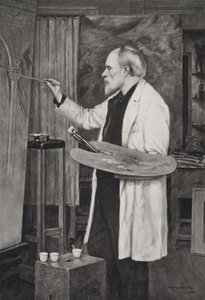
Edward Coley Burne-Jones
1833 - 1898 , Reino Unido
Datos clave
- Artistas Que Influyeron:
- Dante Gabriel Rossetti
- John Ruskin
- William Morris
- Fecha De Fallecimiento: 17 de junio de 1898
- Fecha De Nacimiento: 28 de agosto de 1833
- Influencia En Artistas:
- Arte decorativo británico
- Diseño de vidrieras
- Lugar De Nacimiento: Birmingham, Reino Unido
- Movimiento Artístico: Prerrafaelismo, Esteticismo
- Nacionalidad: Británico
- Nombre Completo: Edward Coley Burne-Jones
- Obras Notables:
- The Beguiling of Merlin
- El Sueño de Lancelot
- Tres figuras femeninas
Artículos relacionados
Edward Burne-Jones: A Pre-Raphaelite Vision of Myth, Symbolism & Aesthetic Idealism
Discover the enchanting world of Edward Burne-Jones and the Pre-Raphaelite Brotherhood. Explore his mythical paintings, distinctive style, and lasting influence on Victorian art & the Aesthetic Movement. Expert analysis & high-quality reproductions at ArtsDot.

The Verdant Gaze: Victorian Naturalism & the Aesthetic Revolution in Art
Explore the captivating world of Victorian Naturalism & the Pre-Raphaelite movement! Discover Rossetti, Burne-Jones & more iconic artists. Expert analysis & high-quality reproductions at ArtsDot.
Frank O. Salisbury: Capturing an Era Through Victorian Portraiture & Atmospheric Realism
Explore the life & work of Frank O. Salisbury, Britain's celebrated 'Painter Laureate'. Discover his masterful Victorian portraits, atmospheric realism, and captivating historical murals. A deep dive into a remarkable artistic legacy.
La Estética Refinada de la Ilustración Victoriana: Narrativa y Técnica en el Arte del Siglo XIX
Descubra la estética refinada de la ilustración victoriana y el impacto revolucionario de los Prerrafaelitas. Análisis profundo de técnicas, narrativa y simbolismo en el arte del siglo XIX.
William Powell Frith: Narratives of Victorian Society & the Rise of Realist Painting
Explore the life & works of William Powell Frith, the 'greatest British painter of social scenes.' Discover his iconic Victorian genre paintings and learn about his lasting impact on realist art. Hand-painted reproductions available.